
Best Chairs for Podcasting: A First Time Buyer's Guide for 2026
Disclosure: We may earn a commission when you buy through links on this page, at no extra cost to you. As an Amazon Associate I earn from qualifying purchases. Learn more

Learn how to choose chairs for podcasting as a first time buyer, with plain guidance on quiet comfort, posture, sizing, setup and care for long sessions.
Recording a show asks more of a chair than casual desk work does. You sit still, speak clearly, reach for notes, and try to forget the seat under you. The best chairs for podcasting help you do that by staying quiet, supporting an upright posture, and fitting the desk and microphone in front of you. This guide starts with the basics for a first time buyer and uses the comparison table below to connect each feature to a real recording need.
You do not need a studio built for broadcast to choose well. A spare room, a corner of a bedroom, and a small desk can all work if the chair moves quietly, leaves room for a boom arm, and keeps you comfortable through editing. The sections that follow move from who a chair suits to setup, mistakes, care, and common questions.
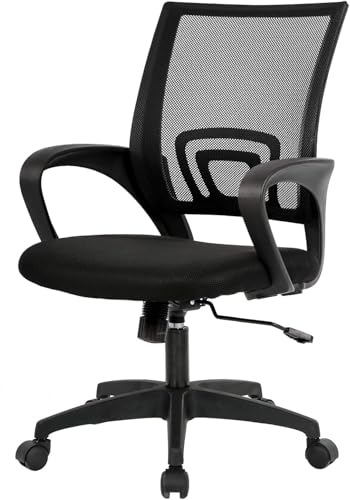
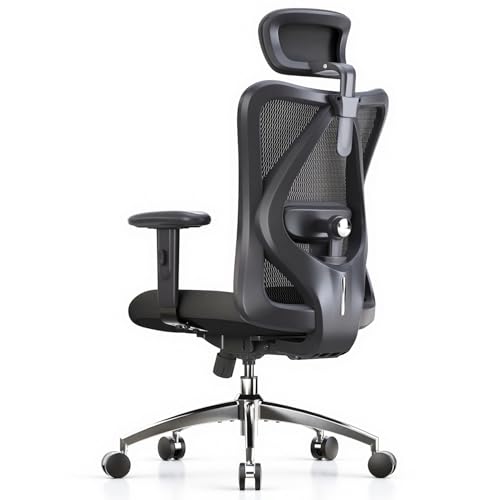
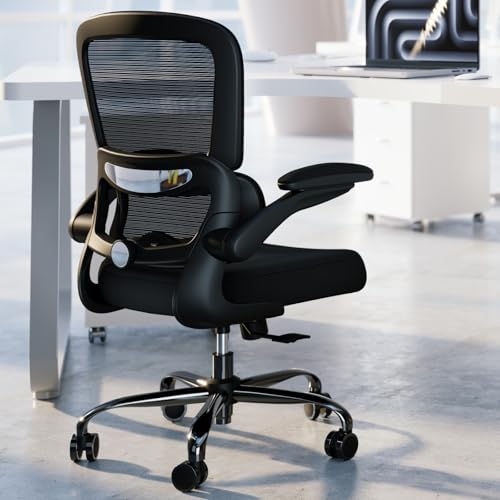
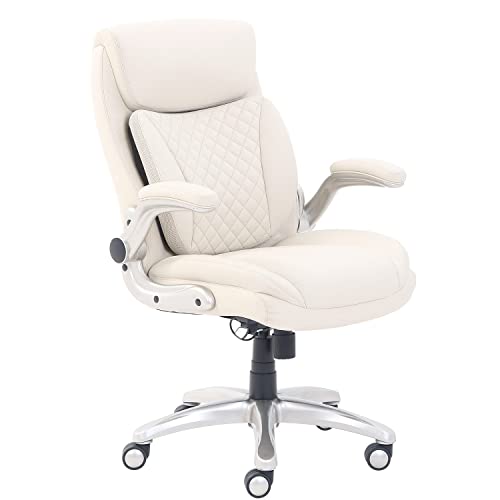
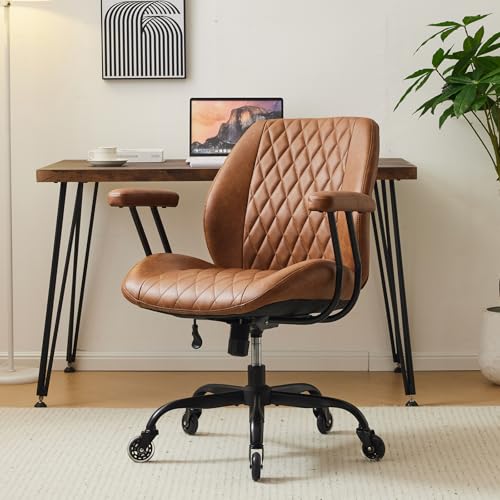
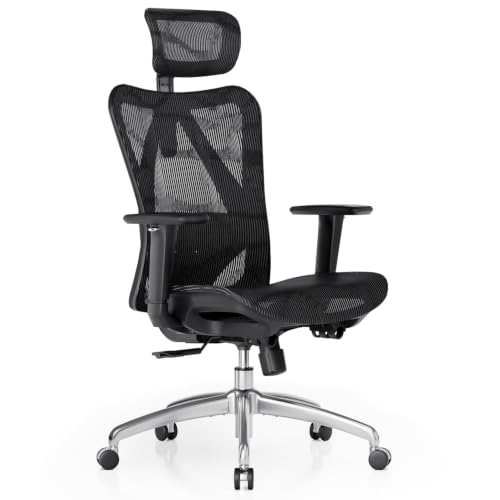

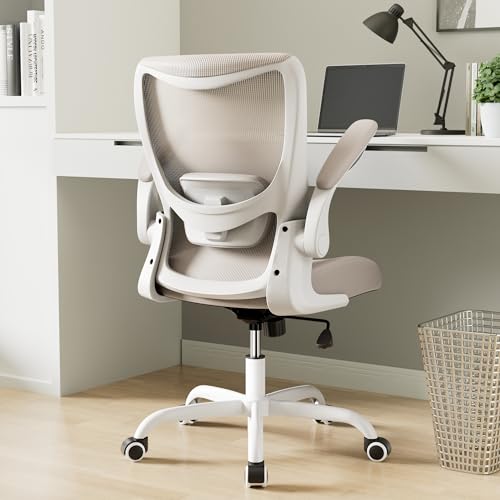

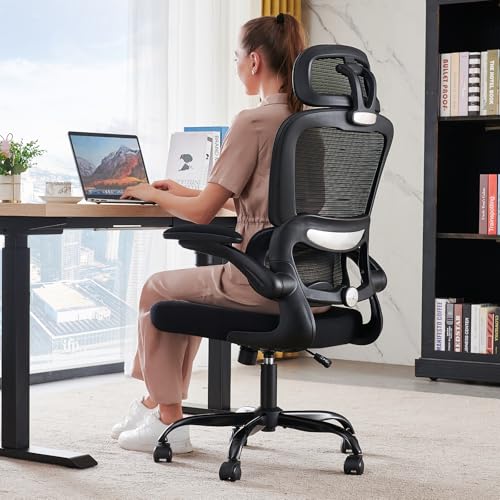
Who Should Buy Which Chairs for Podcasting?
Start with how you record, because a solo host, a host with guests, and an editor who records have different needs.
Solo Hosts Who Record and Edit at One Desk
You stay in one spot for recording, then stay longer to cut audio and write notes. Choose steady lumbar support, a seat you can raise to meet your desk, and armrests you can move when you lean toward the microphone. A compact frame helps if your desk also holds a mixer and a laptop.
Hosts Who Record With a Guest in the Room
You need two chairs that match in height so both voices sit at a similar distance from their microphones. Choose models that turn without loud casters or creaking joints, because extra sounds are harder to hide when two people shift at once. A guest who sits too far back will also sound distant.
New Podcasters Working From a Spare Room
You likely share the room with storage or a day job desk, so size and price matter early. Look at budget models with the core adjustments first, such as seat height and tilt tension, and skip extras you will rarely use. Measure your floor space before you order.
Chairs 101: The Basics for Podcasting
A podcast chair is a desk chair judged by sound and posture as much as by comfort. Its main parts are the seat, the back, the gas lift that sets height, the base and casters, and the controls under the seat for tilt and tension. Sit upright with your feet flat and your breath moves more freely, so your voice stays steadier than it does when you slouch. A good chair also stays silent when you shift or reach for a drink, because a microphone picks up squeaks you barely notice in the room.
The best chairs for podcasting share that quiet, steady base, and the rest of this guide explains how to judge each part before you buy.
Key Features to Compare
Compare the factors below in order, because a chair that fails on noise or fit will bother you in every episode.
Quiet Movement and Features That Matter for Podcasting
Noise control sets podcast seating apart from ordinary desk seating. Look for a frame and tilt action that move smoothly without clicks, squeaks, or a spring sound when you lean. Padded arms sound softer than hard plastic parts that knock against a desk edge. A mesh back usually makes less contact noise than loose upholstery that shifts against clothing.
Ergonomics and Adjustability for Long Recording Sessions
An ergonomic fit starts with seat height that lets your feet rest flat and your knees bend at about a right angle. Lumbar support should meet the curve of your lower back without pushing you forward, and adjustable armrests should support your forearms without lifting your shoulders. A tilt lock lets you hold a slight recline, then return upright for speaking. If you notice numbness, sharp back pain, or pain that keeps returning, stop adjusting on your own and talk with your clinician about personal needs.
Cushion Foam, Mesh Back and Breathability
Seat foam shapes how a chair feels in hour two, not just minute two. High density foam holds its shape and spreads your weight more evenly, while very soft foam can compress flat and leave you sitting on the seat base. A mesh back lets air move and suits warm rooms, while a padded back feels warmer. Choose mesh for a warm small room, and padding if your room runs cool.
Frame, Gas Lift and Weight Capacity
The frame, base, and gas lift decide how steady the chair feels when you turn or lean. A steel frame and a five point base give a solid feel, and a class 4 gas lift is the stronger grade commonly offered for daily use. Check the weight capacity and leave a margin above your own weight plus anything you hold. For a wider view of build standards, see our guide to the best quality chairs before you judge models on looks alone.
Style and Room Fit on Camera
Your chair appears in every video episode, so color and shape carry weight beyond comfort. A tall back fills the frame and can look formal, while a lower back keeps the focus on you and your microphone. Dark solid colors hide wear and stay calm on camera. Measure chair width against your desk gap and door width, because a chair that cannot pass the door cannot reach the room.
Warranty and Return Policy for a First Purchase
A first purchase carries risk because you cannot judge long session comfort from a short showroom sit. Look for a return window that lets you record at least two full episodes before you decide, and read what the warranty covers for the frame, the gas lift, and the foam. Longer cover on frame and lift matters most, since those parts cost the most to replace. Keep the box until the window closes.
Getting Started: Setup and First Use for a Podcast Chair
Build the chair on a soft surface so parts do not scratch the floor, and follow the maker sequence for the base, lift, seat, and back. Sit and test every control before you move the chair to your desk. Set seat height so your feet rest flat, set armrests to clear the desk edge, and keep your microphone at the same distance when you sit upright. Do a short test recording, listen back for squeaks and caster rumble, and adjust tilt tension until you can lean without a sudden drop or a loud click.
Common Mistakes to Avoid
New buyers tend to repeat the same errors, and each one shows up on a recording.
- Choosing a chair for looks alone leaves you with squeaks that the microphone records in every quiet pause.
- Setting the seat too high leaves your feet dangling and makes your voice tense during long sessions.
- Buying fixed tall armrests blocks the chair at the desk edge and pushes you too far from the microphone.
- Ignoring weight capacity leads to a wobbly gas lift that sinks slowly while you record.
- Skipping a test recording means the first real episode becomes the first time you hear caster and fabric noise.
Care and Maintenance for Podcast Chairs
Care centers on keeping the chair quiet, clean, and steady. Wipe fabric and mesh with a damp cloth and mild soap, let the chair dry fully before you record, and vacuum seat seams to remove dust. Tighten bolts under the seat and arms every few months, because small movement at a joint is often the source of a new creak. Check casters for hair and grit, since debris makes wheels roll loudly and can scratch hard floors. Keep the hex key from assembly near your desk.
Frequently Asked Questions
What features matter most in chairs for podcasting?
Quiet movement, steady lumbar support, and a seat height that matches your desk matter most in chairs for podcasting. After those three, look at armrest clearance for your boom arm. A chair can feel plush in a store and still fail at home if its tilt clicks each time you shift your weight.
What features matter most in a podcast chair for long hours?
For long hours, a podcast chair needs foam that keeps its shape, a back that supports your lower spine, and tilt tension you can soften for editing. Even ergonomic models feel better when you stand between episodes. If you also split time between recording and desk tasks, see our guide to the best office task chairs to compare task seating needs.
Is an expensive podcast chair worth the cost?
An expensive podcast chair is worth the cost only when the extra money buys quieter movement, stronger frame parts, and a longer warranty. Higher prices do not always buy better sound, since a costly chair with hard casters can still rumble on a hard floor. Daily recording for several hours is the case that justifies paying more.
How long should a good podcast chair last?
A good podcast chair should last about five to eight years of regular home use when the frame and gas lift are sound. Foam and fabric usually show age first, with flattening, fading, or a new creak at a joint. Keep the chair out of harsh sun and fix a loose bolt early, before the joint wears into a permanent wobble.
How do I choose the right size podcast chair?
Choose the right size podcast chair by matching seat width and depth to your body and seat height to your desk. Your back should meet the backrest while a small gap stays behind your knees, and your feet should rest flat. If a partner shares the chair on other days, favor models with a wide height range, like the range covered in our guide to the best video game chairs for long sessions.
Wrapping Up
For a first purchase, judge quiet movement first, then posture support, then size against your desk and room. Those three checks will narrow your list faster than color or padding will. Use the product table above to confirm height range, weight capacity, and back style.
When you compare best chairs for podcasting with those points in mind, the right choice is the chair you forget about once the recording starts. Pick that chair, run one test episode, and adjust the fit before your next full session.


