
Best Chairs for Piriformis Syndrome in 2026: Budget, Midrange, and Premium Bands
Disclosure: We may earn a commission when you buy through links on this page, at no extra cost to you. As an Amazon Associate I earn from qualifying purchases. Learn more
Compare the best chairs for piriformis syndrome by budget band, with plain guidance on firm level seats, cushion choice, and the features worth paying for.
Chair prices run from very little to a great deal, yet a price tag tells you little about how a seat will treat you at hour six of a workday. If you are comparing the best chairs for piriformis syndrome, you are most likely sitting for long stretches and feeling every shortcut a maker took with the seat. This guide sorts the market into budget, midrange, and premium bands. The comparison table below shows what each band typically includes.
One boundary matters before any prices: a chair is a piece of furniture, and it can make sitting more comfortable or less comfortable, nothing more. It cannot diagnose anything, and it cannot treat a medical condition. The section after the table explains where comfort help ends and professional care begins, so read it before you spend anything.



Where a Chair Helps and Where a Clinician Takes Over
Piriformis syndrome involves a small muscle deep in the buttock and, in many cases, irritation of the nerve passing near it. Seating cannot change that anatomy. What a suitable chair can do is limit the aggravators you control: pressure under one spot, a seat that tilts your pelvis, and hours locked in one position. Treat the chair as background support for a plan built with a professional, never as the plan itself.
See a doctor or physical therapist promptly if pain keeps returning, travels down the leg, or comes with numbness, tingling, or weakness. New pain after a fall or accident also needs a professional first. A clinician can confirm what is actually causing your symptoms, since several conditions feel similar in a chair, and advise which seat features fit your case. Everything that follows is general comfort guidance, not medical advice.
Three Budget Bands, Three Different Kinds of Chair
Budget Band: Basic Task Chairs
Budget chairs, about $80 to $180, are simple task chairs with a foam pad seat, a basic back, and height adjustment as the only real control, fine for short sessions and spare rooms. Their weakness shows fast on long desk days: the foam is usually thin, packs down within months, and leaves your weight on the hard pan beneath. If this band is your ceiling, spend leftover money on a separate firm seat cushion rather than styling.
Midrange Band: Adjustable Everyday Chairs
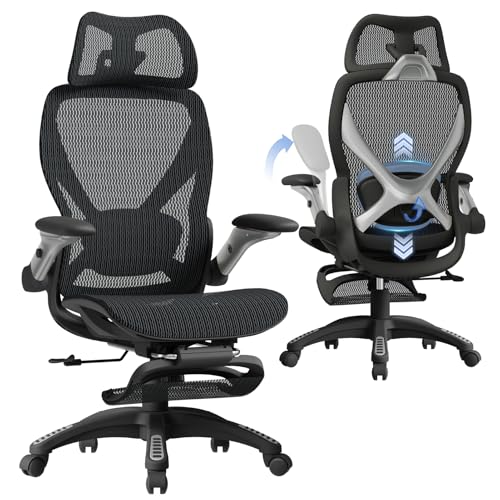
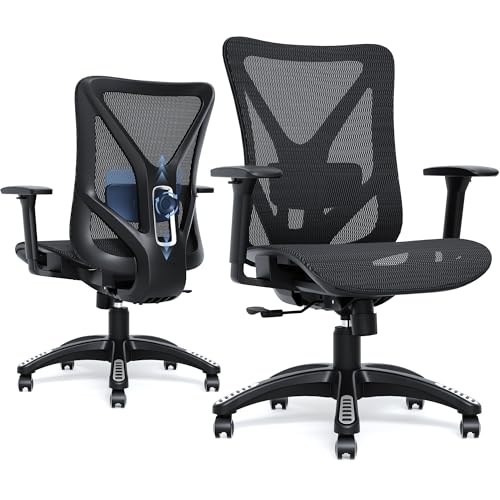
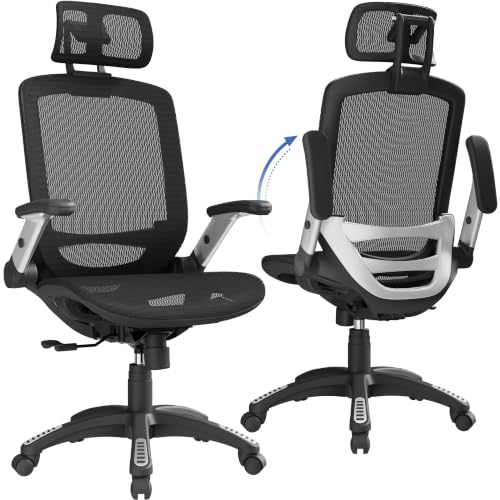
Midrange chairs, about $180 to $400, add the adjustments that matter for sensitive sitters: a movable lumbar support, a tilt you can lock, and foam that holds its shape far longer. Mesh backs are common here and help if you run warm. Arms usually adjust at least in height, letting your shoulders rest instead of hunching. This is where a chair becomes a tool you can tune to your body.
Premium Band: Fine Fit and Longer Coverage
Premium chairs, about $400 to $900, refine the same ideas rather than reinventing them. You get finer seat depth adjustment, denser foam or suspended seats, smoother mechanisms, and warranties that often stretch past a decade. The comfort gain over a good midrange chair is real but smaller than the price jump suggests. This band suits people who sit eight or more hours daily or share the chair between users of different sizes.
What Your Money Gets You at Each Price Tier
Budget Tier: What to Expect
Expect a level, usable seat and little else. Padding ages first, tilt is a simple spring you cannot lock, and you should still demand honest basics: a stable five point base, smooth casters, and a stated weight capacity of at least 250 pounds. If a listing hides its capacity or foam type, treat that silence as your answer.
Midrange Tier: Where Most Buyers Land
Expect adjustments that stay where you set them, foam still supportive after a year, and replaceable parts such as arm pads and gas lifts. Arm adjustment may be height only, and seat depth adjustment is not guaranteed, so check for it by name. For sensitive sitters, this tier delivers the firm seat, movable lumbar, and tilt lock that matter.
Premium Tier: When Spending More Pays Off
Spending more pays off in durability and fine fit, not in magic. Premium seats spread pressure more evenly and adjust in smaller steps. Money cannot buy a medical effect, so judge this tier on warranty length and return terms, and treat any hint that a chair fixes a named condition as marketing.
Features Worth Paying For (and Ones to Skip)
Chair marketing loves add ons, so this section sorts features that change how a seat feels from ones that only change the listing.
Features That Matter for Piriformis Syndrome
Start with the seat cushion, because it does the heaviest work in this category. A good cushion spreads your weight across the whole seat surface instead of concentrating it under the two bony points of your pelvis, and wider spread means lower peak pressure during long sits. Be plain about the limit, though: a cushion is a comfort aid only, and it treats nothing. Choose firm high density foam about 3 to 4 inches thick that resists bottoming out under a knee press.
Ergonomics and Adjustability
Two of the most useful adjustments cost nothing, because they are habits. A level seat and an empty back pocket are sitting habits, not features you buy: a wallet or phone under one buttock tilts the pelvis for every hour you sit on it, so clear your back pockets before settling in. Then set the chair to match, feet flat and hips level with your knees or a touch higher. Use the tilt lock to rest at a slight recline, around 100 to 110 degrees, so the load varies through the day.
Seat shape is the warning sign to learn. Low sling seats drop the hips below the knees and cup the pelvis into a tilt, so they are a poor match for a desk.
Materials and Upholstery
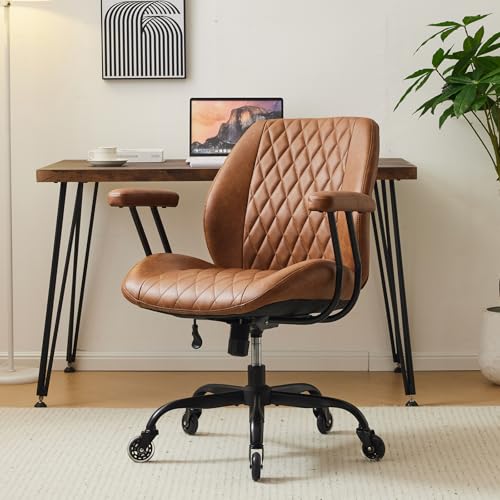
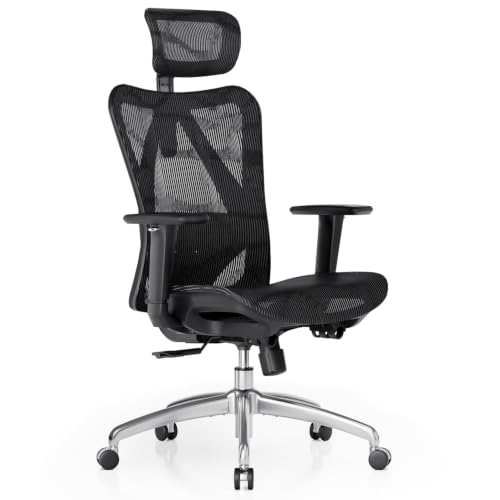
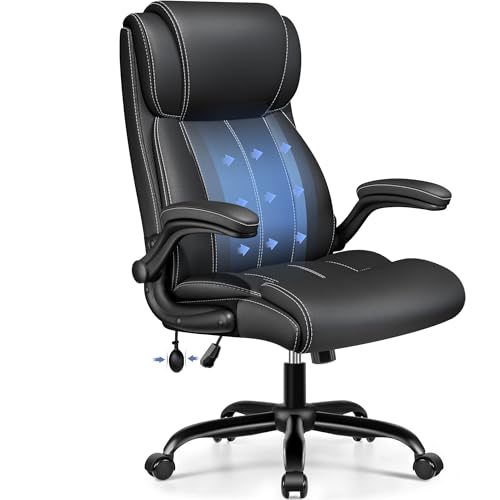
Mesh backs breathe well and suit warm rooms, but the seat material matters more here. Fabric seats grip slightly, helping you stay level instead of sliding into a slump. Smooth PU leather wipes clean, yet it feels hot and slippery over long sessions, and cheap versions crack within a couple of years.
Style and Room Fit
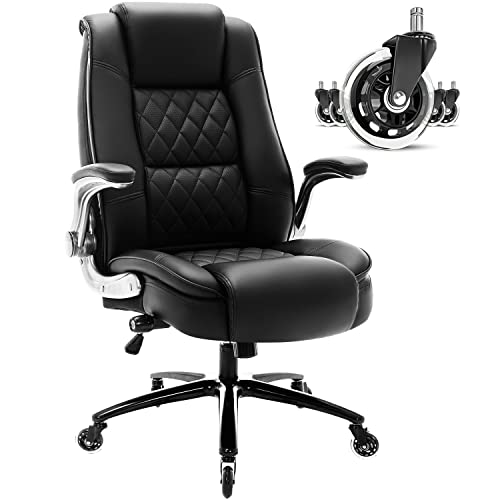
Measure your desk height and doorway before falling for any style, and check the footprint if your room is small. One styling trap deserves a name: padded executive models are built for boardroom looks, with deep soft seats that let the pelvis sink and roll. That works against the level seat this guide keeps recommending. Compact frames with firm seats may look plain beside them, but plain is often the right call.
Picking the Right Chairs for Different Uses
Best Desks and Chairs for Piriformis Syndrome: Where Your Money Goes
When the budget covers a desk and a chair together, split it unevenly. The chair carries your weight all day, so it deserves the larger share, roughly two thirds of the pair budget. The desk needs only two virtues: a height that lets your elbows rest near a right angle with feet flat, and a top deep enough for the screen an arm length away. If you must stage the purchase, buy the chair first and raise the screen on books meanwhile.
Breaks and Habits: The Free Half of Comfort
No chair, at any price, makes unbroken sitting good for you. A standing break is part of a sitting day rather than a reward at the end of it, so stand, walk, and refill your water about every 30 to 45 minutes, even briefly. Shifting position inside the chair helps too: uncross your legs, move your feet, and change the recline angle through the day. These habits cost nothing and often change comfort more than an upgrade does.
Long Term Costs to Factor In
The sticker price is only the first payment. Foam is a wear item: a budget seat pad flattens within about a year of daily use, so set aside about $25 to $60 for a quality replacement cushion. Gas lifts and casters are cheap and replaceable on most task chairs, while a cracked seat pan usually ends the chair. Longer premium warranties shift some of that risk to the maker.
Chairs for Piriformis Syndrome: Questions Answered
What features matter most in chairs for piriformis syndrome?
A firm and level seat matters most, followed by seat height you can set so your feet rest flat. Adjustable lumbar support and a tilt lock come next, because they let you shift load through the day. One check many shoppers skip is the return window: a chair that feels right for ten showroom minutes may not feel right at hour five.
How do I choose the right size?
Match the chair to three measurements: lower leg length for seat height, thigh length for seat depth, and hip width for seat width. Sit against the backrest and aim for a gap of about two to three finger widths between the seat edge and the back of your knees. Online, compare those numbers with stated seat dimensions, not the overall chair size in the title.
How long should a good chair last?
A midrange chair used daily should last about five to seven years, with foam and arm pads aging first. Budget chairs often feel tired after one to two years because their padding compresses. Extend any chair life by rotating a separate seat cushion, tightening bolts twice a year, and keeping casters free of hair and grit.
What features matter most for long hours?
For long hours, pressure spread and position changes matter more than any single support. A dense seat, a backrest that moves with you, and arms that drop low enough to stay out of the way all help. Add one habit: set a quiet timer for breaks, because the pause that resets your position protects comfort more than another feature.
Is an expensive chair worth it?
It can be, if the money buys fit and durability rather than finish. Premium chairs earn their price through denser seat materials, finer adjustments, and long warranties that cut the cost per year. They are not worth it when the premium goes to styling, leather grades, or electronics you will not use. A midrange chair plus a good cushion often matches a premium seat at half the spend.
The Bottom Line
Shop in this order: confirm with a clinician that a comfort focused chair fits your situation, choose the band your budget allows, then judge seats by firmness, level sitting, and adjustability rather than looks. The product table above gathers the current options in each band for a quick comparison. Chosen with those checks, the best chairs for piriformis syndrome pick for you is the chair that keeps you level, supported, and moving through the day.

