
The Best Chairs for Painting: Buying Guide and Top Picks for 2026
Disclosure: We may earn a commission when you buy through links on this page, at no extra cost to you. As an Amazon Associate I earn from qualifying purchases. Learn more

Compare the best chairs for painting by seat height, lumbar support, wipe clean covers and size, matched to your easel, studio and budget.
Painting asks more of a chair than ordinary desk work does. You lean in toward the canvas, pull back to judge a passage, and reach for water or pigment without thinking about it. The best chairs for painting support that rhythm instead of fighting it, so your shoulders stay relaxed and your attention stays on the work.
This guide covers seat height, back support, cleanable surfaces, and sizing in plain language. Use the comparison table below to see how common chair styles differ at a glance, then read on for the details that decide comfort during a long session.
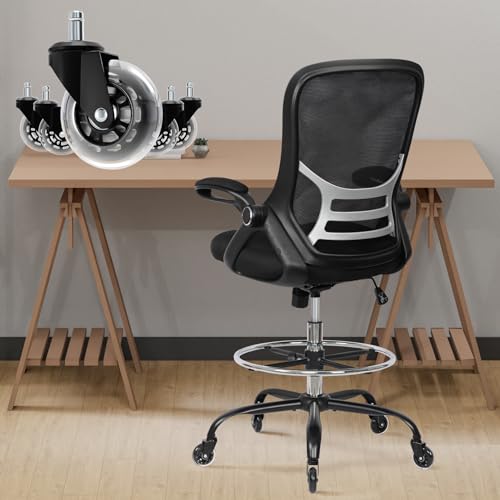

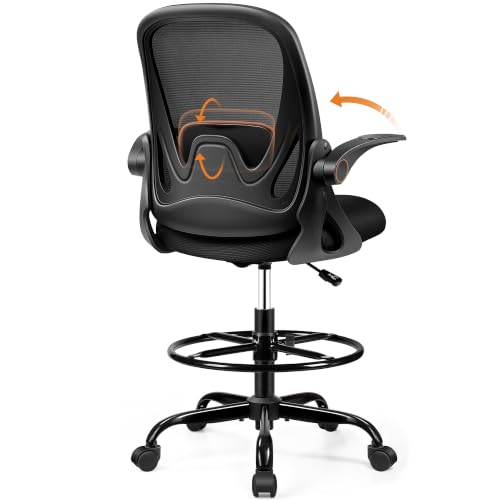
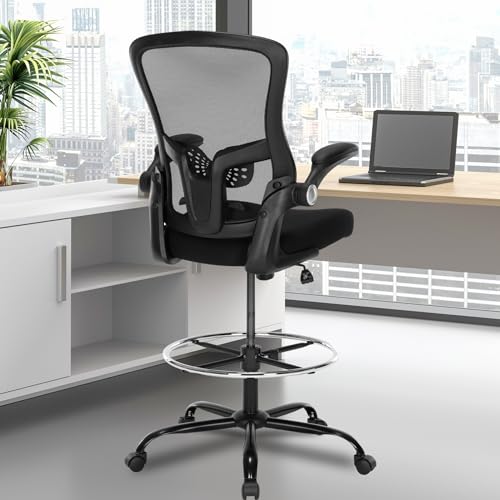
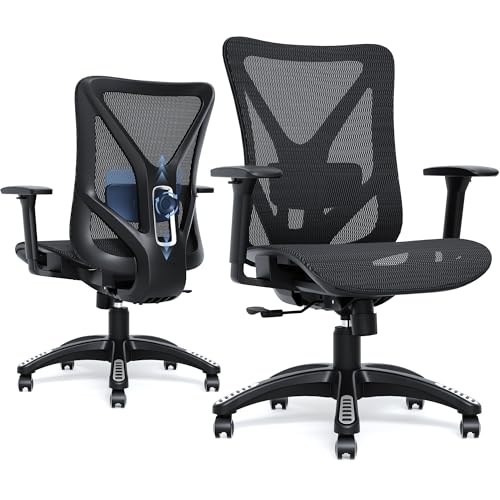
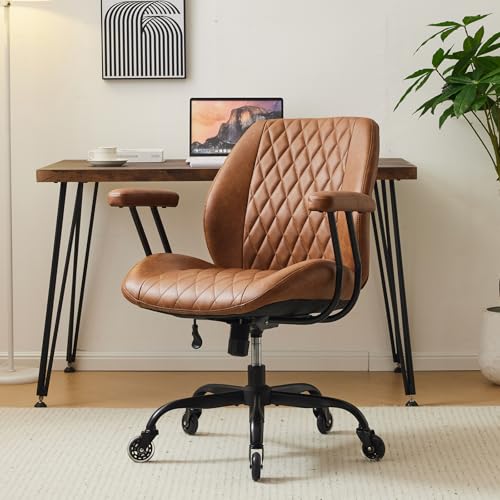
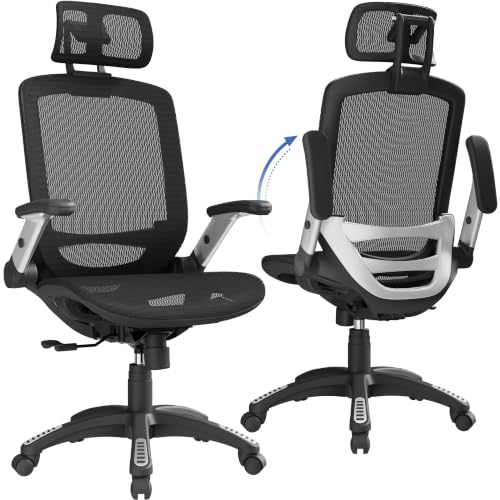

What to Check First When Comparing Chairs for Painting
Before you look at colors or prices, picture a real session in your space. Where does the easel stand, how far do you reach for supplies, and how often do you stand to view the work from a distance? Your answers point to the base, the height range, and the arm style you need.
Start With How You Sit While You Paint
Many painters sit more upright and more forward than typists do. You may perch near the front edge of the seat with your feet planted wide, or settle back during glazing and detail stages. Look for a seat that feels stable when you sit forward, with a front edge that does not press into the backs of your thighs. If you mostly paint at a desk, you can compare that format in our guide to the best office task chairs and note how compact task bases differ from larger studio chairs.
Match the Chair to Your Easel and Work Surface
Measure the height of your easel tray or tabletop before you shop, then check the seat height range of any chair you consider. Your elbows should reach the work without lifting your shoulders, and your feet should rest flat or on a foot ring. Painters at a tall drafting table often need a taller stool style seat. Also check the space around the chair, because a wide rolling base needs room to move back when you want a distant view.
Plan for Mess, Movement, and Long Sessions
Paint finds its way onto hands, sleeves, and anything you touch next, so favor covers you can wipe down quickly. A smooth swivel lets you turn toward a palette or reference photo without twisting your back. Be honest about session length too. A simple stool can suit one hour sketches and still leave you sore during a four hour painting, so weigh cushion quality and back support in the product table above if you paint for most of a day.
How to Choose Chairs for Painting: A Practical Buying Guide
Finding the best chairs for painting means matching a handful of measurable features to your body, your easel, and your medium. Read the sections below with your own measurements nearby, including your table height and the width of the corner where the chair will live.
Features That Matter for Painting
Seat height adjustment matters most because it sets the angle of your arms to the canvas. A lift range of about 18 to 22 inches suits most desk setups, while taller ranges suit drafting heights. Next comes the tilt control. A tilt lock lets you hold a slight forward or upright angle instead of rocking when you lean in for detail, and that control keeps your brush hand steadier. A five point base feels stable when you reach sideways for a tube of paint.
Ergonomics and Adjustability
Good ergonomic support starts with lumbar support that meets the curve of your lower back without pushing you forward. Adjustable support is safer than fixed support when you cannot sit in the chair before buying. A mesh back flexes as you move and lets air pass on warm days, while a padded back feels warmer in a cool room. Adjustable armrests that drop low or swing away help because painting arms move a lot and rests can bang into a table edge. Chairs built for gaming pair a deep recline with a firm tilt lock, and our guide to the best video game chairs shows how those recline ranges compare.
Tingling in the legs, numb feet, or an ache that keeps building are signs the seat depth or height is wrong for you. Adjust the chair and change position first. If pain persists or keeps returning, talk with your clinician about your personal needs and workspace setup rather than pushing through longer sessions.
Size, Dimensions, and Weight Capacity
Start with seat width and depth. Your hips should fit between the armrests with a little room to spare, and you should sit back with about two or three fingers of space between the seat edge and the back of your knees. A seat that is too deep forces a slouch, while a shallow seat leaves your thighs unsupported. Check the stated weight capacity as well, since the lift, base, and casters are rated as one system. Choose a model rated comfortably above your weight.
Style and Room Fit
Light colored upholstery shows every splash and can distract you when it sits next to the canvas in your field of view. Darker tones and simple shapes tend to recede, which helps you judge color on the painting itself. Whatever style you pick, confirm that the back height does not block a window light source you rely on, since a tall back can cast an unwanted shadow across your palette.
Warranty and Return Policy
Read the warranty by part, not just by the headline number of years. Frames often carry longer coverage than lifts, casters, and upholstery, and the gas lift is the part most likely to wear first. Note whether a lift replacement can be fitted at home with basic tools, and keep the receipt plus a photo of the label under the seat. Returns matter too, because comfort is hard to judge from photos. If lasting build is your top priority, our guide to the best quality chairs explains the frame and joint details that separate durable chairs from short lived ones.
Materials and Upholstery
Upholstery decides both comfort and cleanup. A mesh back breathes well and shrugs off dust, but mesh seats can feel firm during very long sessions. High density foam holds its shape better than soft low cost foam and spreads pressure across your thighs. Smooth vinyl wipes clean after acrylic splashes, yet it can feel warm in summer, while fabric grips clothing so you slide less but absorbs spills.
Types of Chairs for Painting Sessions
Most chairs fall into a few broad families, and none is right for everyone. Your medium, your easel height, and the length of your sessions should decide the family first. Price and finish can come after that choice.
Premium and Executive Models
Premium and executive models pair tall backs, thick cushions, and polished frames, often priced at about $250 to $600. They suit painters who also use the chair for reading, calls, and planning in the same room. The trade off is size. A large executive chair can crowd a small easel area, and fixed wide arms may block the side reach that painting needs.
Budget Models
Budget models, often around $60 to $150, cover the basics with a lift, a simple back, and light padding. They can be a smart start for students, spare rooms, and shorter sessions. Expect thinner foam, fewer adjustments, and covers that show wear sooner. If you paint daily for hours, the savings can disappear into discomfort, so weigh your session length honestly before you settle here.
Ergonomic Models
Ergonomic models focus on adjustment rather than looks, with movable lumbar support and armrests that move in several directions, often priced at about $150 to $400. They suit painters with back sensitivity, shared chairs used by two people of different sizes, and anyone who switches between table work and easel work in one day. The many levers take a little learning, but once set, the chair adapts to each task.
Tips to Get the Most From Your Painting Chair
A good chair still needs sensible habits around it. These small routines protect your body and the chair itself.
- Set the seat height so your feet rest flat and your knees sit level with or slightly below your hips.
- Stand, walk, and view the painting from a distance at least once an hour so your back and eyes reset.
- Wipe splashes off the cover the same day, because dried acrylic and oil are far harder to lift later.
- Tighten the bolts under the seat and arms every few months, since daily swiveling slowly works them loose.
- Keep a washable cover over the seat on messy days to spare the upholstery from ground in pigment.
- Roll casters gently over thresholds and cords instead of forcing them, which bends the stems and causes wobble.
Frequently Asked Questions
What features matter most in a chair for painting?
Adjustable seat height, stable support while sitting forward, and a wipeable seat matter most in a chair for painting. Start there before you pay for extras. One point many buyers miss is caster choice for their exact floor. Soft casters on wood and hard casters on carpet change how safe the chair feels when you reach, so match the caster type to the surface under your easel.
Is an expensive chair for painting worth the extra cost?
An expensive chair for painting is worth the extra cost only when you sit for long sessions and use its adjustments daily. Higher prices usually buy denser foam, smoother lifts, and longer part coverage. If you paint once a week for an hour, a simple stool may serve you just as well. Spend first on correct height and a stable base, then decide whether finer adjustments earn their price.
What features matter most in a chair for painting during long sessions?
Pressure distribution and freedom to change position matter most during long sessions in a chair for painting. Look for a seat that does not create a single sore spot and a back you can leave and return to easily. A simple timer habit helps as well. Short standing breaks every hour often help more than any single cushion upgrade, and they give you the distant view that improves the painting itself.
How do you choose the right size chair for painting?
You choose the right size chair for painting by matching seat depth to your thigh length and seat height to your work surface. Sit back fully and check the gap behind your knees, then raise the seat until your elbows meet the work without lifted shoulders. If two people share the chair, favor a wider adjustment range over a perfect fixed fit, because a shared chair must serve both bodies reasonably well.
How long should a good chair for painting last?
A good chair for painting should last about five to ten years with daily use, depending on the lift, foam, and cover quality. The lift and casters usually show age first through slow sinking or rough rolling. You can extend that span by replacing casters when they clog with hair and dried paint, rather than forcing a dirty caster across the floor until its stem bends or snaps.
Final Thoughts
Start with height, forward support, and a surface you can clean without worry. Compare your short list against the product table above, check the measurements against your easel and room one last time, and pick the fit that lets you forget the chair entirely.
The right best chairs for painting choice is simply the one that keeps you comfortable, steady, and focused on color and form. Take your time with sizing, use the return window to paint real work, and let your own sessions make the final call.

