Best Chairs for Painters 2026: Made Simple for First Time Buyers
Disclosure: We may earn a commission when you buy through links on this page, at no extra cost to you. As an Amazon Associate I earn from qualifying purchases. Learn more

A first buyer guide to chairs for painters, covering seat height, swivel, arm support and easy to clean covers for long sessions at an easel or desk.
Painting asks more of a chair than ordinary desk work does. You lean toward the canvas, twist for paint and water, and sit back to judge the work, often for hours. The best chairs for painters support that movement instead of fighting it, and they survive the splashes that studio work creates.
This guide starts with the basics, then walks through height, movement, arm support and cleaning in plain language. Use the comparison table below to match chair types to your easel, your floor and the way you paint.
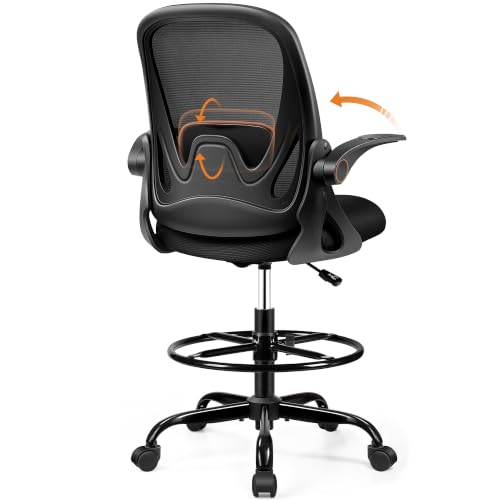

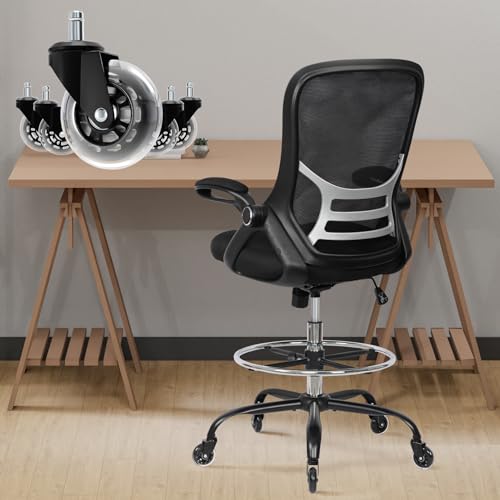

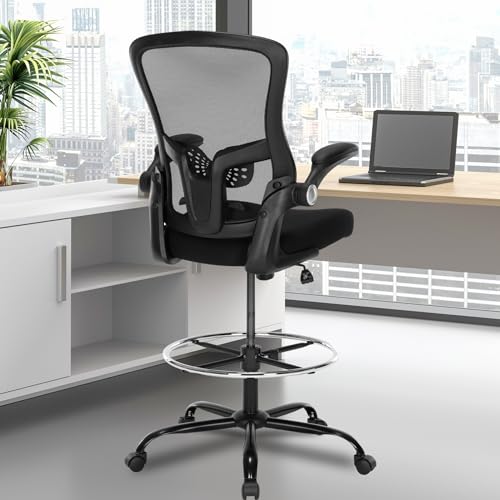

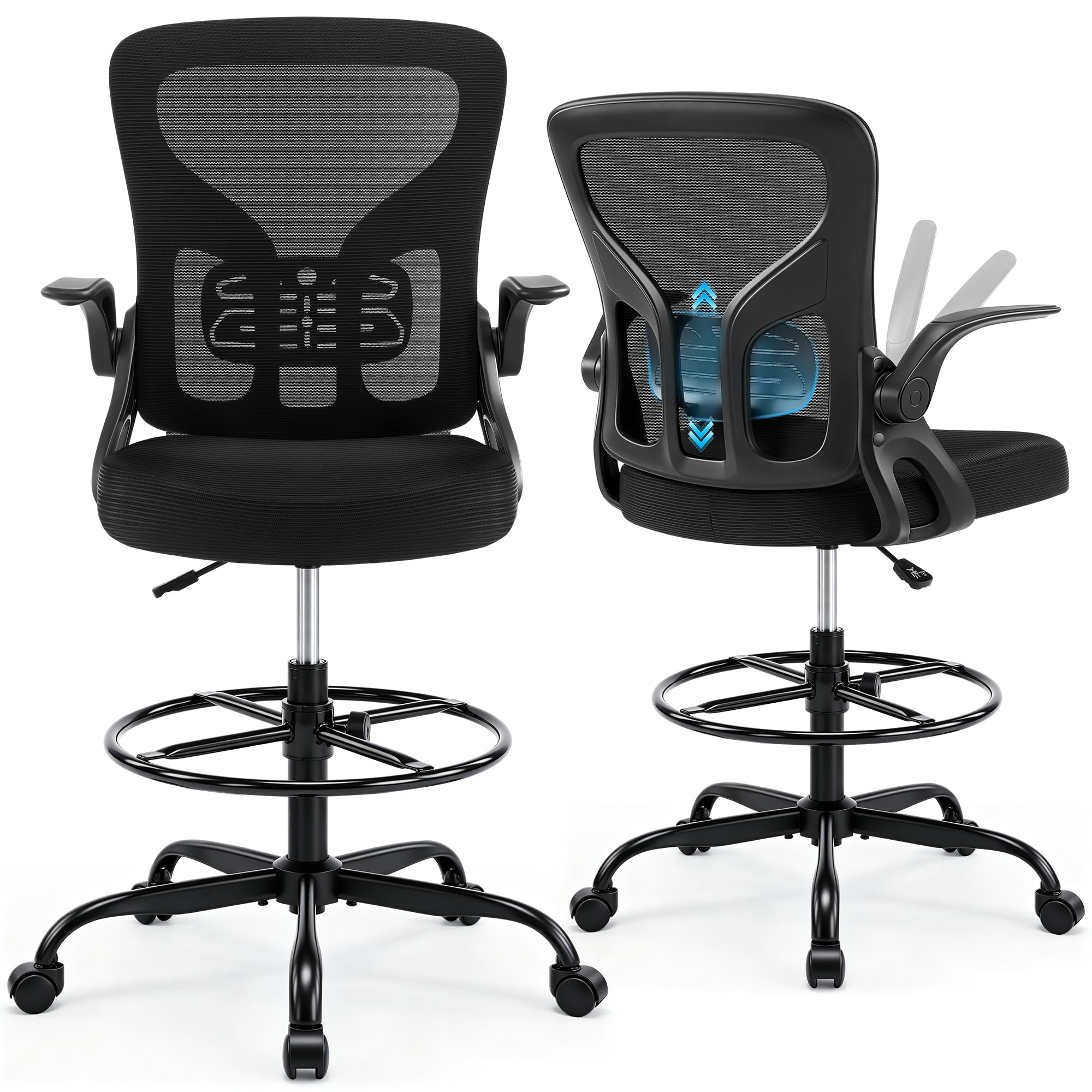
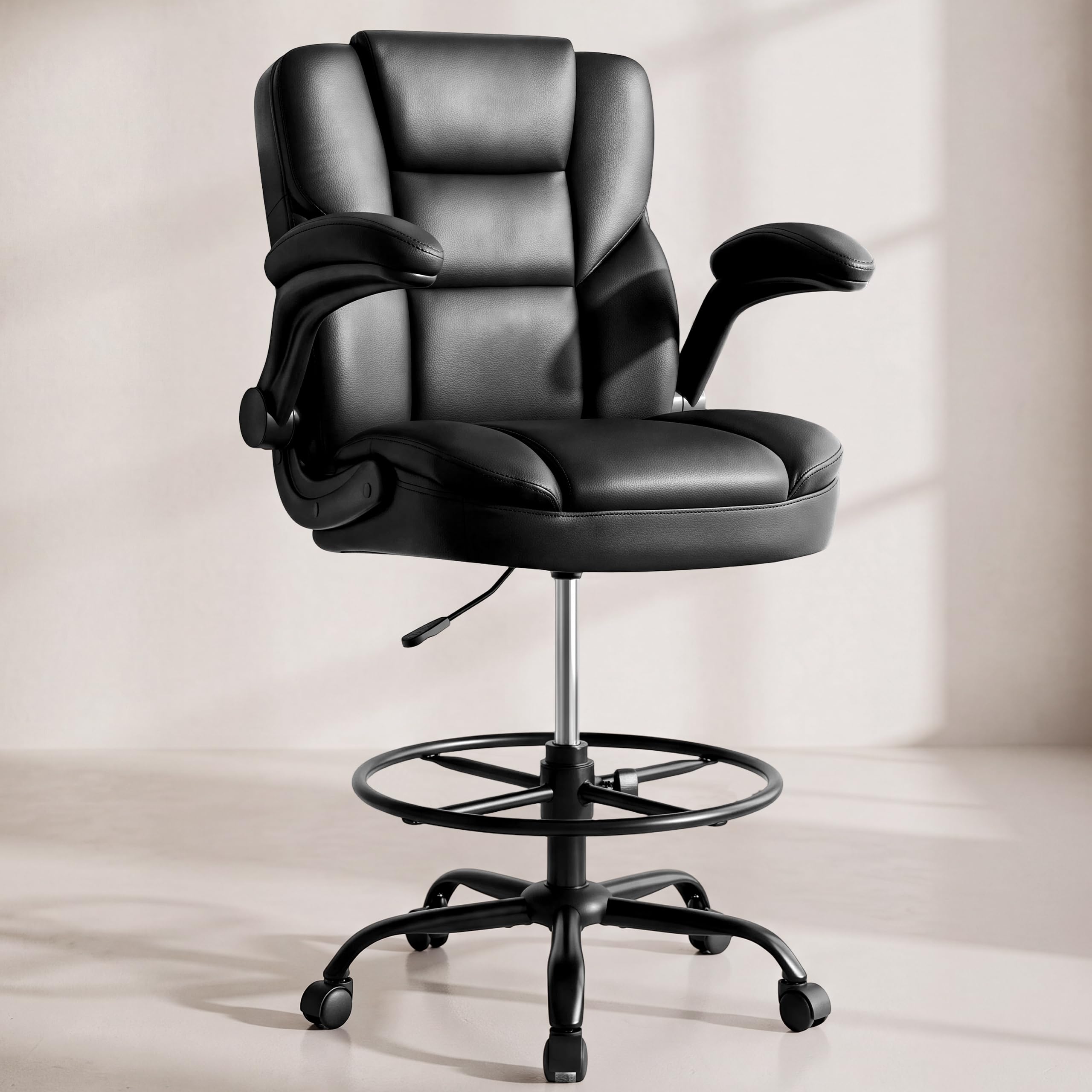
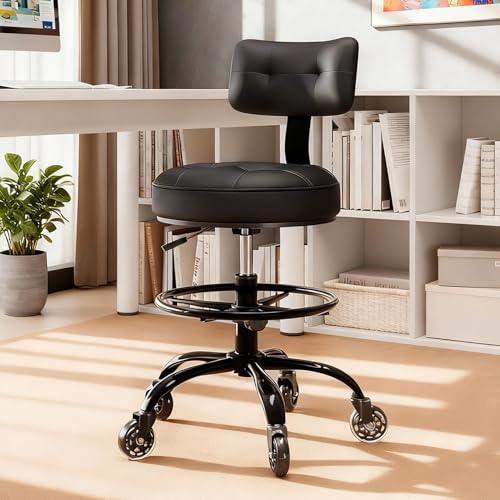
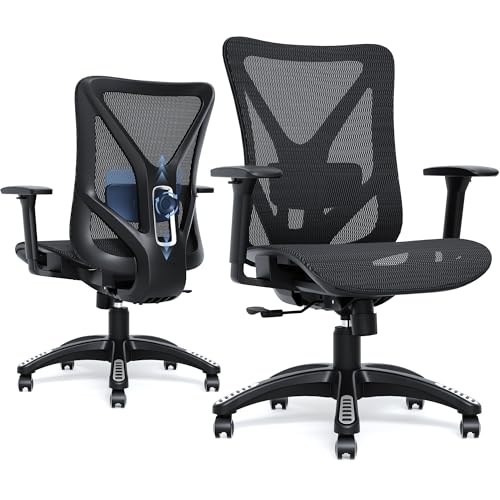
Painter Chair Basics: Stool, Task Chair or Drafting Chair
Most painters choose between three families. A backless stool leaves your shoulders and arms fully free and suits short sessions or frequent standing, but it gives no back support. A task chair adds a back, a cushioned seat and a swivel for table work and smaller canvases. A drafting chair sits higher, usually with a foot ring, and suits tall easels where a standard seat leaves your eyes below the center of the canvas.
What matters is the match between seat height and easel height, how freely you can turn and reach, and how easily the cover wipes clean. If you also do desk work on the same seat, see our guide to the best office task chairs for the desk focused version of this choice.
Who Should Buy Which Chair for Painting
Painters Who Work at a Table or Table Easel
You paint small to medium work while seated, with brushes, palette and water close at hand. Choose a task chair with a moderate seat height, a swivel and either no armrests or adjustable armrests that drop low. A compact base helps in a tight corner, and a wipe clean cover matters because your hands are nearest the seat at this height.
Painters Who Work at a Tall Easel
You stand for part of the session and sit high to rest while keeping your eyes level with a large canvas. Choose a drafting chair or tall stool with a foot ring, a firm seat and a stable wide base. Check that the chair feels steady at its top height, because leaning shifts your weight toward the edge of the base.
Painters Who Sit for Long Sessions in a Small Studio
You work for several hours at a stretch and your chair shares space with storage and a desk. Choose a chair with real lumbar support, a breathable mesh back or a well padded seat, and a footprint that slides under the desk when you stand to paint.
Key Features to Compare
Work through the six points below in order, because height and movement change your painting more than color or style ever will. That is where the best chairs for painters separate themselves from ordinary seating that happens to be in the studio.
Seat Height and Foot Support for Your Easel
Seat height decides whether you look up, down or straight at your work, and a strained neck often starts here. Measure from the floor to the middle of your canvas, then choose a chair whose seat range puts your eyes near that level while your feet rest supported. For standard chairs that means feet flat on the floor. For tall easel chairs, a foot ring below the seat does the same job.
Swivel, Casters and a Stable Base
A smooth swivel lets you turn from canvas to palette without twisting your spine or dragging the chair. Casters help you roll to supplies, but on hard floors some painters prefer glides that stay put. Check the stated weight capacity and choose a wide five point base, because reaching sideways loads the chair well off center. Solid build quality matters here, and you can compare it in our guide to the best quality chairs.
Armrests That Stay Out of Your Stroke
Armrests are the feature painters most often get wrong. Fixed high rests can block your elbow as you draw a long stroke and can crowd a palette held in your hand. Adjustable armrests that lower, swing away or remove completely give you support while mixing color and freedom while painting. If you work with broad gestures, an armless chair or stool may suit you better than any padded rest.
Covers You Can Wipe Clean After Paint Splashes
Paint on the seat is a matter of time, not chance. Smooth vinyl and faux leather covers let dried acrylic flake off and wet splashes wipe away with a damp cloth, while deep fabric weaves trap pigment and solvent smells. Mesh backs stay cleaner because they sit away from your hands, but mesh seats can hold paint in the weave. If you work in oils, choose a cover that tolerates mild soap.
Back Support That Lets Your Shoulders Move
You need support low on your back, not a tall shell that pins your shoulder blades in place. Look for lumbar support that meets the curve above your hips, a back height that ends below the shoulder blades, and a gentle tilt lock for sitting back to study the canvas. Ergonomic shaping helps most when your upper body stays free to lean, turn and reach.
Cushion Comfort for Long Painting Sessions
A seat that feels soft for ten minutes can feel hard and hot after two hours. High density foam holds its shape and spreads your weight more evenly than thin padding, so look for a seat that feels firm at first sit rather than plush. Your thighs should rest fully on the seat with a small gap behind your knees, and a mesh back helps air move on warm days.
Getting Started: Setup and First Use for Painters
Assembly for most studio chairs means fitting the base, casters, lift and seat with a handful of bolts, using the included tool. Once built, set the seat so your eyes meet the middle of a typical canvas and your feet rest fully supported. Sit, turn to both sides and mimic a long stroke before you remove any packaging, because armrest clearance is easiest to judge in real movement.
- Build the chair on a protected floor, then tighten every bolt fully before sitting.
- Set seat height against your easel, not against your desk, if the two differ.
- Adjust or remove the armrests and test your full painting reach in every direction.
- Place paint, water and brushes on the side you naturally turn toward most often.
Common Mistakes to Avoid
- Buying a tall executive chair with fixed armrests, so your elbows hit the rests on every broad stroke.
- Choosing seat height from a product photo instead of your easel, so you spend each session looking up at the canvas.
- Picking pale fabric for a studio, so the first splash of pigment leaves a permanent stain.
- Ignoring caster type on a hard floor, so the chair rolls away each time you lean forward to paint detail.
- Judging comfort in a brief sit, so a thin seat that aches after an hour goes unnoticed until the return window closes.
Care and Maintenance for Studio Chairs
Wipe splashes while they are wet whenever you can, because dried acrylic and oil both grip harder once cured. Clean smooth covers with a damp cloth and mild soap, rinse the cloth often so you do not spread pigment, and let the seat dry fully before you sit again. Vacuum fabric and mesh with a soft brush head to lift dried paint dust from the weave.
Once a month, check the bolts under the seat and at the back, and tighten any that have worked loose from daily swiveling. Wash caster wheels free of dried paint so the chair keeps rolling straight, and keep solvents off plastic parts and foam, because strong solvents can crack hard plastic and soften foam.
Chairs for Painters: Your Questions Answered
What features matter most in chairs for painters who sit for long hours?
Supported feet, lumbar support and a firm seat matter most for long hours. Beyond those body points, think about light and position. Place the chair so your main light falls over your non painting shoulder, because a good chair in a bad spot still leaves you leaning into your own shadow for detail work.
How do painters choose the right chair height for an easel?
Painters choose chair height by matching eye level to the center of the canvas. Sit on the chair in front of your easel and have the middle of the work sit roughly at eye height, with your feet fully supported. If you swap between a small table easel and a large floor easel, choose a wide height range rather than a perfect fit for only one setup.
Is an expensive chair worth it for painters?
An expensive chair is worth it for painters only when the extra cost buys height range, a stronger base or a cover that cleans easily. Decorative stitching and thick padding add price without helping you paint. If you sit daily, spending more on the lift and base usually pays off in steady, wobble free use over several years.
How long should a good chair for painters last?
A good chair for painters should last about five to eight years of regular studio use. The lift and casters usually wear first, so replaceable casters extend its life without a full replacement. Paint buildup on the cover is cosmetic, but a lift that sinks during a session means the chair is due for repair or replacement.
Should painters choose a chair with armrests or without armrests?
Painters who make broad, sweeping strokes usually do better without armrests, while detail painters who rest their forearms often prefer low adjustable ones. A useful test is to paint one session with the rests fitted, then one with them lowered or removed. Whichever setup leaves your shoulders relaxed and your stroke unbroken is right for your style.
The Bottom Line
Start with seat height against your easel, then check that you can swivel, reach and rest your feet without the chair fighting you. Add a wipe clean cover and back support that leaves your shoulders free. When you compare options, the best chairs for painters for your studio are waiting in the product table above.