
Best Chairs for Neck Pain: Types Compared for 2026
Disclosure: We may earn a commission when you buy through links on this page, at no extra cost to you. As an Amazon Associate I earn from qualifying purchases. Learn more

Headrest fit, backrest height and a stable base shape the best chairs for neck pain, with a comfort only framing and clear limits.
Shopping for best chairs for neck pain can feel confusing because every chair claims comfort, yet comfort depends on fit, posture support, and how long you sit. A chair that suits a short reading session may feel wrong during a full workday, and a tall backrest that helps one person may press awkwardly on another. This guide compares the main chair types side by side so you can match the design to your body, your desk, and your daily routine. Use the comparison table below to see the broad differences first, then read the detail before you decide.
Keep one point in mind throughout: a chair is a comfort and fit aid, not a treatment. It cannot diagnose or fix a neck problem, and no chair can promise to remove pain. If your pain is persistent, getting worse, or comes with numbness, weakness, or vision changes, talk with a doctor before you rely on a new chair. With that boundary clear, the right chair can still make long sitting sessions feel easier, steadier, and less tiring.

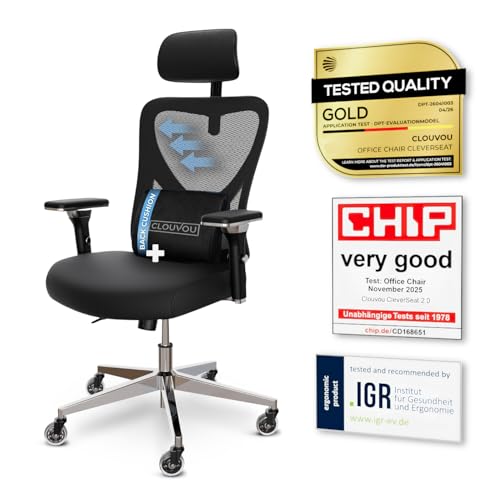
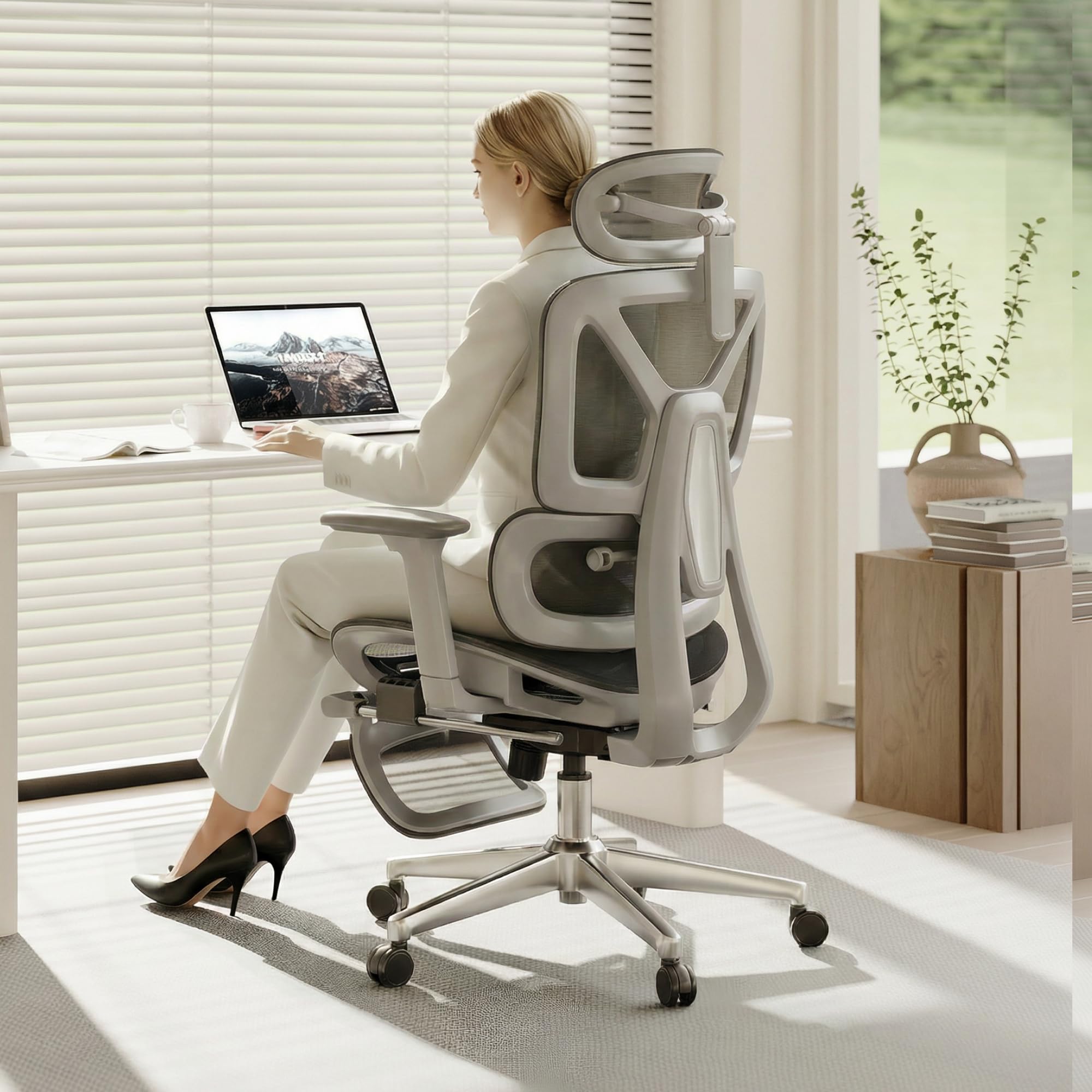

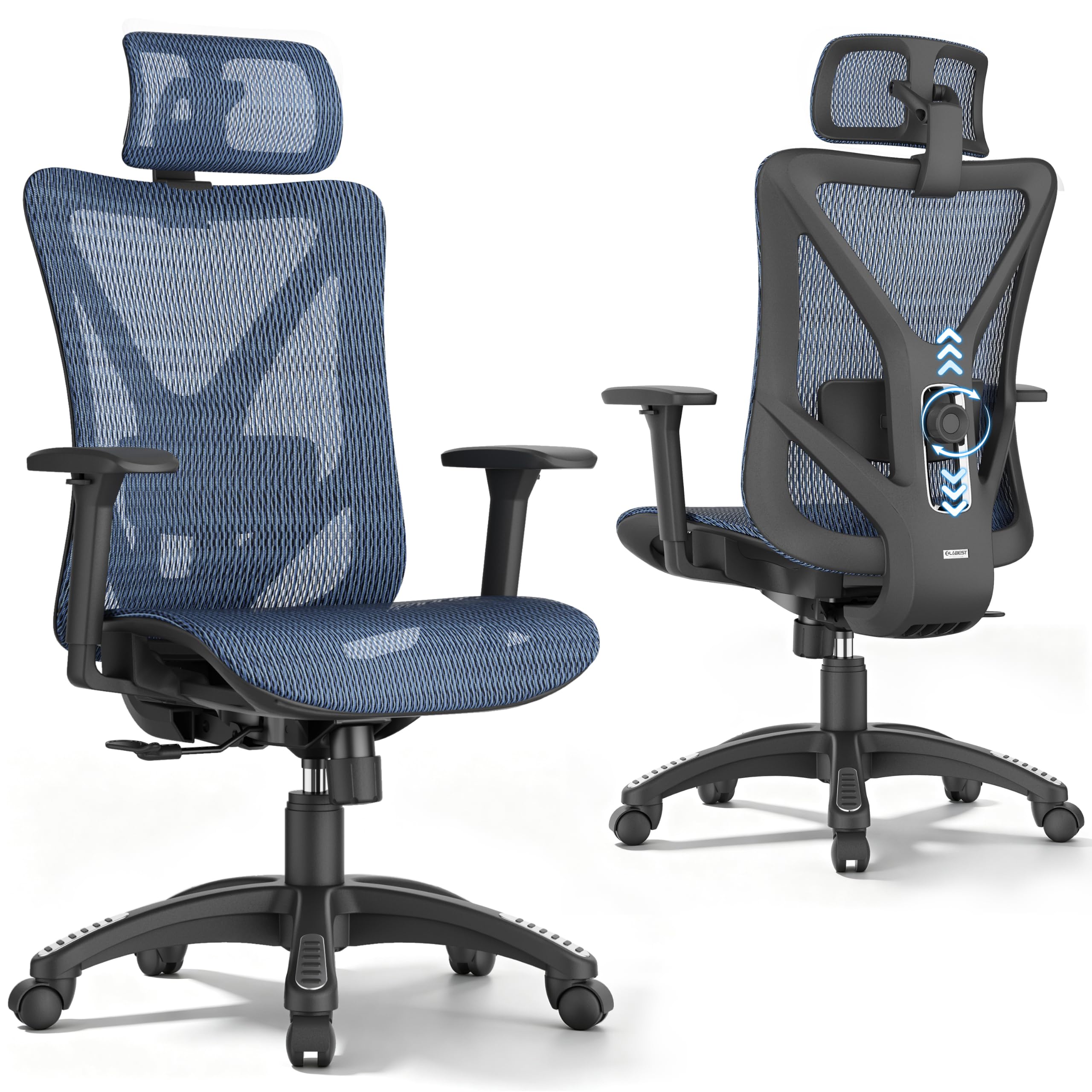


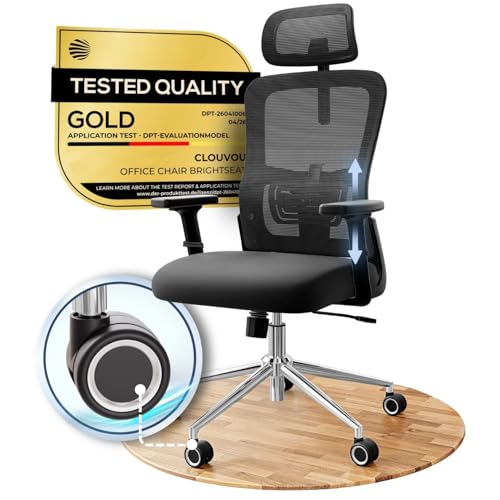
Types of Chairs Compared
The three types below cover most of what you will find. Budget models keep the price down by offering fewer adjustments. Compact and space saving models suit small rooms and shared spaces. Ergonomic models offer the widest adjustment range, which matters when several people share one chair or when you sit for many hours.
| Type | Best For | Pros | Cons | Typical Price |
|---|---|---|---|---|
| Budget models | Short sessions and tight budgets | Simple, light, easy to buy | Fewer adjustments | About $80 to $180 |
| Compact and space saving models | Small rooms and shared spaces | Small footprint, easy to move | Less padding and support range | About $100 to $220 |
| Ergonomic models | Long days and shared desks | Wide adjustment range | Higher price, larger footprint | About $200 to $450 |
Budget Models
Budget models focus on the basics: a stable base, a padded seat, and a backrest that supports an upright posture. They often include seat height adjustment and a simple tilt, but headrest height, armrest width, and lumbar depth may be fixed. That simplicity suits short sessions, guest desks, and buyers who want a clear upgrade from a dining chair without paying for features they will not adjust.
The trade off is fit range. If you are very tall, very short, or share the chair with someone of a different build, a fixed backrest or a short headrest may not line up well. Check the seat height range, the backrest height, and the weight capacity before you buy, and sit with your feet flat and your screen at eye level to judge the fit.
Compact and Space Saving Models
Compact models use a narrower seat, a slimmer backrest, and often a folding or nesting frame. They suit small apartments, rooms that double as offices, and homes where the chair must tuck under a desk or into a corner at the end of the day. Many are lighter than full size chairs, which makes them easier to move between rooms.
The smaller frame can limit padding thickness and adjustment range, so check the seat depth and the backrest curve carefully. A compact chair still needs a stable base and a backrest that reaches high enough to support your upper back. If you sit for long stretches, look for a model with adjustable seat height even if other adjustments are limited.
Ergonomic Models
Ergonomic models are built around adjustment. Seat height, seat depth, backrest angle, lumbar depth, armrest height and width, and headrest height and angle can often be set separately. That range helps when you sit for many hours, when you switch between typing and reading, or when more than one person uses the same chair during the day.
More adjustment only helps if you actually set it. Spend ten minutes on the first day tuning the chair: feet flat, knees at a comfortable angle, lower back touching the lumbar area, shoulders relaxed, and headrest touching the back of your head without pushing it forward. If a chair offers many levers but the controls feel confusing, a simpler model you will adjust correctly may serve you better.
Budget Models Compared With Compact and Space Saving Models
Budget and compact models overlap in price, but they solve different problems. Budget models usually offer a fuller seat and backrest at a lower price, while compact models trade some padding and size for a smaller footprint. If your room is generous and you sit for moderate sessions, a budget model often gives more cushion for the money. If floor space is tight or the chair must be stored daily, a compact model wins even if the seat feels firmer.
Compare them on seat height range, backrest height, weight capacity, and base stability. A budget model with a wide base feels steadier than a narrow compact frame. Choose by the constraint that matters most in your room, then check comfort second, since a chair that does not fit your space will not get used.
How to Choose the Right Chair
Use the factors below as a checklist. You do not need every feature, but you should know which ones affect neck comfort for your routine and which ones you can skip. Bring your desk height, your screen height, and your usual sitting time to the decision, since those three facts shape the fit more than any single feature.
Ergonomics and Adjustability
Seat height matters because it sets the angle of your hips and knees and the height of your shoulders relative to your desk. Adjustable armrests help when your shoulders tend to rise toward your ears during long typing sessions, since supported forearms let the shoulders rest lower. A tilt lock holds a reclined angle for reading, while a free tilt suits people who shift position often. Try each adjustment in the position you actually use, not just in an upright pose.
Build Quality and Frame
A steel frame and a sturdy base keep the chair steady when you lean back or turn to reach a shelf. Check the gas lift rating, the base material, and the caster type for your floor, since a wobbly base makes you tense your shoulders to stay steady. Look for clear warranty terms on the frame and the lift, and check how replacement parts are handled, because a chair you can repair lasts longer than one you must replace after a single part fails.
Comfort and Cushioning
Foam density affects how the seat feels after an hour, not just in the first minute. Very soft foam can feel pleasant at first and then compress, while very firm foam can feel hard on long days. Mesh backs breathe well in warm rooms, while padded backs feel warmer and more enclosed. If you sit for long periods, a seat edge that slopes gently downward reduces pressure behind the knees. For sleep support, see our guide to best neck pillows for neck pain.
Warranty and Return Policy
A clear warranty tells you how long the frame, the lift, and the moving parts are covered, and what counts as normal use. Read the return window and the return cost before you order, since a chair is hard to judge from photos alone. Keep the packaging until you have sat in the chair for several full workdays, and try every adjustment during that window so you can return it if the fit is wrong.
Features That Matter for Neck Pain
Neck comfort depends mainly on headrest position, backrest height, and how easily you can keep your head balanced over your shoulders. A headrest that adjusts in height and angle can support the back of your head during breaks, while a backrest that reaches the shoulder blades helps you avoid slumping forward. These features support comfort only. If pain persists, worsens, or comes with numbness, weakness, or vision changes, see a doctor rather than adjusting the chair further.
Best Chairs for Specific Needs
The five groups below show how the same chair features matter differently by use. Each group highlights two or three points to prioritize, so you can narrow the choice without reading every specification.
Best Computer Chairs for Neck Pain: Which Type Works Best
For computer work, prioritize a headrest that adjusts in height, armrests that support your forearms at desk height, and a backrest that stays supportive when you lean slightly back to read the screen. A mesh back suits long typing days in warm rooms, while a padded back suits cooler rooms. Keep the screen at eye level so the headrest supports rest breaks rather than holding your head tilted all day. For a desk focused comparison, see our guide to best desk chairs for neck pain.
Best Massage Chairs for Neck Pain: Which Type Works Best
Massage chairs add rollers or vibration in the backrest and sometimes in the headrest area. Prioritize intensity control, a timer, and a headrest that can move out of the way if the massage area feels too strong. Treat the massage feature as a comfort feature only, not as therapy, and stop using it if it causes discomfort. People with persistent pain, numbness, or weakness should talk with a doctor before using a massage chair regularly.
Best Ergonomic Chairs for Neck Pain: Which Type Works Best
Ergonomic chairs suit people who sit for long hours or share a chair, because separate adjustments let each user set seat depth, lumbar depth, and headrest position. Prioritize a headrest with both height and angle adjustment and a backrest that locks at several angles. For a wider comparison covering both areas, see our guide to best chairs for back and neck pain.
Best Chairs for Neck Pain Gaming
Gaming sessions often run long and involve leaning forward during intense moments and leaning back during breaks. Prioritize a backrest that locks at a relaxed angle, a headrest that stays in place when you move, and a seat that does not press behind the knees. A wider seat suits longer sessions, while a firmer seat edge helps you shift position easily. Take regular breaks to stand and move, since no chair replaces movement during a long session.
Best Affordable Office Chairs for Neck Pain
Affordable office chairs suit buyers who need solid daily comfort without paying for premium materials. Prioritize seat height adjustment, a backrest that reaches the shoulder blades, and a stable base, and accept fixed armrests or a fixed headrest if the core fit is right. For shoulder coverage too, see our guide to best office chairs for neck and shoulder pain.
How to Make Your Chair Last Longer
Adjust the seat height so your feet rest flat, and recheck it after the first week, since new foam settles slightly. Tighten bolts every few months, and check casters for debris that can make the chair drag. Vacuum or wipe upholstery regularly, and keep the chair out of direct sun and away from heaters. If the lift sinks or the tilt lock slips, contact the maker about parts.
Frequently Asked Questions
What features matter most in chairs for neck pain?
Headrest height and angle, backrest height, and seat depth matter most, because they decide whether your head can rest in a balanced position. A headrest that is too low pushes against the neck, while one that is too high misses the head entirely. Also check the base stability and the warranty, since a wobbling chair makes you tense up.
What features matter most for long hours?
For long hours, prioritize adjustable seat depth, armrests that support your forearms, and a backrest that locks at a comfortable recline. A gently sloping seat edge helps comfort behind the knees, and breathable fabric helps in warm rooms. Stand and move briefly each hour, since even a well fitted chair cannot replace movement. If you share the chair, note each person's settings so readjustment takes seconds.
Is an expensive chair worth it?
An expensive chair is worth it when its extra adjustments match a real need, such as shared use, very long sitting days, or a body size outside the average range. For short daily use at a well set desk, a simpler chair with correct seat height and a supportive backrest often feels just as comfortable. Judge value by fit and warranty, and use the return window to try the chair over several full workdays.
How long should a good chair last?
A well built chair often lasts about five to eight years of daily home office use, though the foam and casters may need attention sooner. Signs of wear include a sinking lift, a loose tilt lock, flattened seat foam, and casters that stick or squeak. Tightening bolts and replacing worn casters can extend its life. If the frame cracks or the lift fails, replace the chair rather than using an unstable seat.
How do I choose the right size?
Start with seat height: with your feet flat, your knees should rest at a comfortable angle and your thighs should feel supported without pressure behind the knees. Then check seat depth by sitting fully back; you should have a small gap between the seat edge and the back of your knees. Next, check backrest height and headrest position, since the headrest should meet the back of your head without pushing it forward. If you fall between sizes, choose the size that fits your desk height and screen height best.
The Bottom Line
The best choice comes down to three checks: headrest and backrest fit, seat height and depth, and a stable base with a clear warranty. Budget models suit short sessions, compact models suit small rooms, and ergonomic models suit long days and shared desks. Try the chair over several full days, and remember that comfort features do not treat a medical problem. If pain persists or worsens, or if you notice numbness, weakness, or vision changes, talk with a doctor. A well fitted best chairs for neck pain choice, checked against the product table above, makes long sitting days noticeably easier.


