
Best Chairs for Musicians: A Practical Buying Guide for 2026
Disclosure: We may earn a commission when you buy through links on this page, at no extra cost to you. As an Amazon Associate I earn from qualifying purchases. Learn more

Freedom around the seat comes first: how to choose the best chairs for musicians by instrument, room and budget.
A chair that works at a desk can fail you the moment you pick up an instrument. Arms get in the way, the seat tilts your hips at the wrong angle, and after an hour of practice your back and shoulders ache. Choosing best chairs for musicians means looking past general office comfort and focusing on freedom of movement, stable posture, and a seat that fits both your body and your instrument.
This guide covers the features that matter most, from arm clearance and seat height to padding, materials, and room fit. Use the comparison table below to scan the basic specs, then read on to see how they play out in rehearsals and recording sessions.





Matching a Chair to Your Instrument and Session
Before you compare prices, picture how you actually sit when you play. Your instrument decides where your arms, feet, and back need to be.
Guitar and Bass Players
If you play guitar or bass, arm clearance is your first concern. Fixed arms that sit high and wide can bump the body of the instrument, push your elbow out, and change the angle of your picking hand. Look for adjustable armrests that drop low, swing away, or remove completely, so the instrument rests against your leg without touching the chair.
Keyboard and Piano Players
Keyboard players need precise seat height more than almost anyone else. Your forearms should sit roughly level with the keys, your elbows bent at a comfortable angle, and your shoulders relaxed. A chair with a wide height range and a smooth lift lets you match different keyboards, stands, and desks without stacking cushions. If you also work at a studio desk between takes, see our guide to the best office task chairs for seating built around screens and mixing work.
Singers, String Players, and Studio Musicians
Singers and string players often sit tall and forward, with an open chest and both feet grounded for breath control and bowing room. For you, a firm seat and a backrest that supports without pushing you forward beat deep reclining features. Check seat width too, because raised side bolsters can crowd your knees. In a recording room, quiet operation counts as well, since a squeaking lift or rattling caster can ruin an otherwise clean take.
How to Choose: A Buying Guide for Musician Chairs
With your playing position in mind, judge the chairs in the product table above by the factors that follow. Working through them in order is the most reliable way to judge the best chairs for musicians for your own setup, rather than choosing on looks or price alone.
Features That Matter for Musicians
The defining feature of a musician chair is freedom around the seat. Your arms, legs, and instrument all need space that a standard desk chair does not always allow. Prioritize models where the arms adjust in height at minimum, and ideally where they flip up or come off without tools. A seat front that slopes down and a backrest that does not force a deep recline complete the picture. Treat headrests with caution, because they rarely help while you play.
Ergonomics and Adjustability
Good ergonomic support keeps your posture steady without locking you into one position. Seat height should adjust across roughly 16 to 22 inches so players of different heights can keep their feet flat and their knees at a natural angle. Lumbar support should meet the curve of your lower back without pushing you toward the front edge of the seat. A tilt lock helps when you lean back to hear playback, but the chair should also hold a firm upright position for playing.
Size, Dimensions, and Weight Capacity
Measure your space before you order, including the floor area your instrument and stand already occupy. Note the footprint, seat width and depth, and arm height at its lowest and highest settings. A seat that is too deep presses behind your knees, while one that is too shallow leaves your thighs unsupported during long sessions. Check the stated weight capacity as well and leave a sensible margin above your body weight, since capacity also hints at frame strength and lift quality.
Materials and Upholstery
Seat padding shapes how a chair feels after the first hour. High density foam holds its shape and support far longer than soft low cost foam, which can flatten and leave you sitting on the hard base below. A mesh back breathes well during warm rehearsals and long studio days, while fabric seats grip better and keep you from sliding forward as you play. PU leather wipes clean and looks formal, but it can feel warm and may crack over time in dry rooms. Wooden seats offer a firm surface many classical players prefer, though they give no cushioning.
Style and Room Fit
Your chair will live in a room that probably serves more than one purpose, so think about how it looks and moves day to day. Casters help where you roll between a desk, a keyboard, and a microphone, while glides suit hard floors and keep the chair planted while you play. If the chair must also look right in a formal office, see our guide to the best officer chairs.
Warranty and Return Policy
A chair is a mechanical product, and the parts that fail first are usually the gas lift, the casters, and the tilt mechanism. Look for a warranty that covers the frame for several years and names the lift and moving parts specifically, rather than a short blanket promise. Return terms matter just as much, because you cannot judge arm clearance or seat feel from photos. A trial window lets you practice at home and return the chair if it crowds your instrument. For a broader look at build standards, see our guide to the best quality chairs.
Assembly and Delivery
Most musician friendly chairs arrive flat packed with the base, lift, seat, and backrest in separate pieces. Assembly usually takes about 20 to 40 minutes with the included tool. Seat the lift firmly in the base and tighten the seat plate bolts in a cross pattern so nothing rocks. Keep the packaging until you have practiced for a few days, because returns are easier with the original box.
Types of Chairs Musicians Commonly Choose
Price and design group most options into a few broad types.
Guitar Stools and Dedicated Musician Chairs
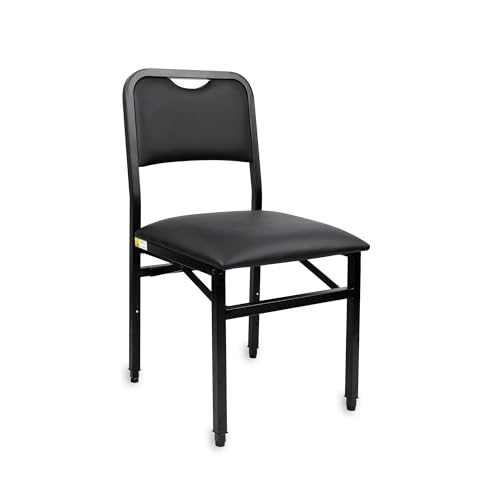
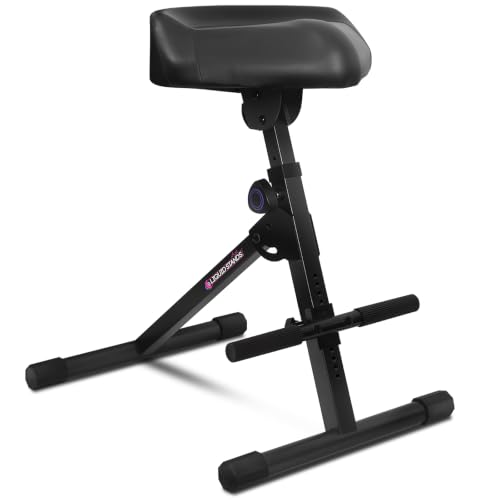
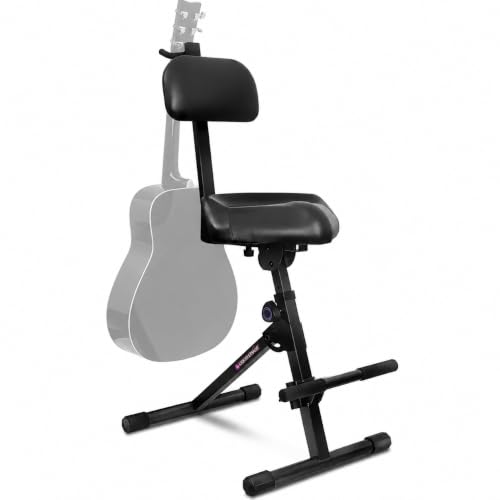
Dedicated musician chairs and guitar stools drop the armrests entirely, which solves the arm clearance problem at the source. A guitar stool usually adds a short backrest and a height adjustable seat, an orchestra style folding chair holds the seat level so an instrument sits properly between the knees, and a drum throne raises the seat so the hips sit above the knees. They suit rehearsal rooms, lessons and gigs better than computer desk work. Check the height range against your instrument and your own leg length before choosing one.
Budget Models
Budget models cover the basics with a padded seat, a simple lift, and fixed or basic adjustable arms, often for under $100. They suit students, occasional players, and spare rooms where the chair sees a few hours of use each week. The trade offs are thinner foam, shorter warranties, and fewer adjustments, so daily players may outgrow them quickly. Spend your limited budget on arm adjustability and foam quality, not styling extras.
Premium and Executive Models
Premium and executive models, often around $350, add denser padding, stronger frames, smoother lifts, and fuller adjustment of the arms, backrest, and lumbar area. They make sense for teachers, session players, and anyone who sits to play or work for much of the day. Replacement parts are also easier to find years later. The higher price buys durability and fit, not better musicianship, so only pay it if your schedule truly demands long hours in the seat.
Compact and Space Saving Models
Compact models shrink the footprint with a narrower base, a smaller seat, and sometimes a backrest that folds toward the seat for storage. They fit dorm rooms, small apartments, and crowded teaching studios where chairs must stack or slide into a corner after class. The compromise is support, since a smaller seat and backrest give your body less to lean on during long sessions. Measure carefully, because compact chairs can run small for taller players.
Ergonomic Models
Ergonomic models are built around adjustment, with moving lumbar support, seat depth changes, and arms that shift in several directions. They suit players who share a chair with family members, teach students of different sizes, or manage ongoing back discomfort during practice. Players who also sit for long gaming or desk sessions often compare these with taller backed seats, so see our guide to the best video game chairs if you want that style. Take time to dial in the settings, because a poorly set up ergonomic chair feels no better than a basic one.
Choosing Chairs for Your Situation
Best Folding Chairs for Musicians
The best folding chairs for musicians solve a different problem, namely seating that appears for a rehearsal, gig, or group lesson and then disappears into a closet or car trunk. Judge folding models on three points that fixed chairs do not raise. First, folded thickness and carry weight decide whether you will actually transport the chair or leave it behind. Second, the seat should lock open firmly with no side to side sway while you play, because movement under a cello or guitar changes your balance. Third, look for enough padding and depth for a full session, since many folding chairs are built for short event seating.
Tips to Get the Most From Your Chair
A few simple habits keep your chair comfortable, quiet, and safe for years of regular use.
- Adjust the seat height so your feet rest flat and your instrument sits at its natural playing angle before every long session.
- Tighten the base and seat plate bolts every few months, because regular movement slowly works them loose and causes wobble.
- Vacuum fabric and mesh weekly, and wipe smooth upholstery with a damp cloth, so dust and sweat do not break the surface down.
- Keep leather and PU leather out of direct sunlight, since steady heat dries the material and leads to cracking along the seat edge.
- Take standing breaks during long practice days, and if you want powered recline for rest between sessions, see our guide to the best massage massage chairs for that separate category.
- Stop using a chair with a cracked frame or a failing lift, because a sudden drop or tip can injure you and damage your instrument.
Chairs for Musicians: Your Questions Answered
What features matter most in chairs for musicians?
Arm clearance, seat height range, and firm padding matter most in chairs for musicians. One point buyers often miss is stability under shifting weight, since players lean, reach, and turn far more than desk workers do. Try the chair near the front edge, the position many guitarists and singers use, and favor one that stays quiet and planted there.
How do I choose the right size chair for a musician?
To choose the right size chair for a musician, match seat depth to your thigh length and seat height to your instrument setup. Sit so a small gap remains between the seat edge and the back of your knees. Also check your music stand height once seated, because the right chair lines up your eyes and hands without shrugging. When in doubt between two sizes, the larger seat usually suits longer sessions.
What features matter most for long practice hours in a musician chair?
For long practice hours, dense seat foam, breathable back material, and support you can adjust as you tire matter most in a musician chair. Small position changes extend comfort, so a chair that lets you shift the backrest angle or arm height mid session has a real advantage. Plan short standing breaks regardless of chair quality.
Is an expensive chair for musicians worth the cost?
An expensive chair for musicians is worth the cost if you play daily and the extra money buys better foam, stronger parts, and adjustments your body needs. Price alone guarantees nothing, because some costly chairs are styled for offices and still block your arms while you play. If you practice a few times a month, a chair around $180 usually covers your needs well.
How long should a good chair for musicians last?
A good chair for musicians should last about five to ten years with regular use and basic care. The gas lift and casters usually wear out first, and many makers sell replacements, so a chair that sags at year four may need a new lift rather than full replacement. Foam life depends on density and hours sat, which is why a chair used for daily teaching ages faster than one in a spare room.
Final Thoughts
The right chair disappears under you, leaving your attention on the music instead of an aching back or an armrest bumping your instrument. Start with arm clearance and seat height, confirm the size and weight capacity fit your body, and then compare padding and materials in the product table above. When you weigh those factors first, the best chairs for musicians for your instrument, your room, and your budget become much easier to spot. Prices and availability can change, so check the product page before ordering.


