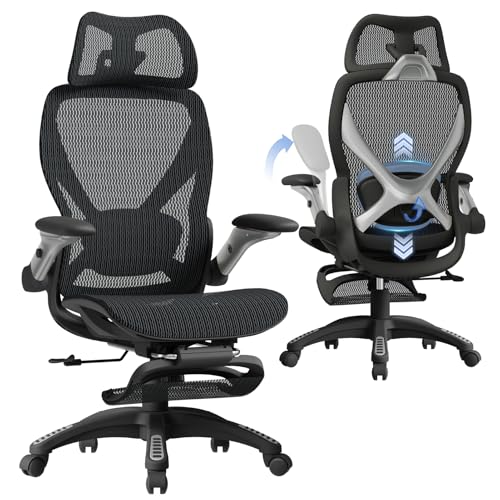
Best Chairs for Music Production: A Buying Guide for 2026
Disclosure: We may earn a commission when you buy through links on this page, at no extra cost to you. As an Amazon Associate I earn from qualifying purchases. Learn more

Match armrest clearance, seat height and caster type to your studio: the best chairs for music production explained.
A studio chair has a harder job than a normal desk chair. You sit for hours while tracking, editing, and mixing, and you also need room to play and turn toward your monitors without fighting the armrests. Choosing the best chairs for music production means matching the chair to your body, your instruments, and the space around your desk.
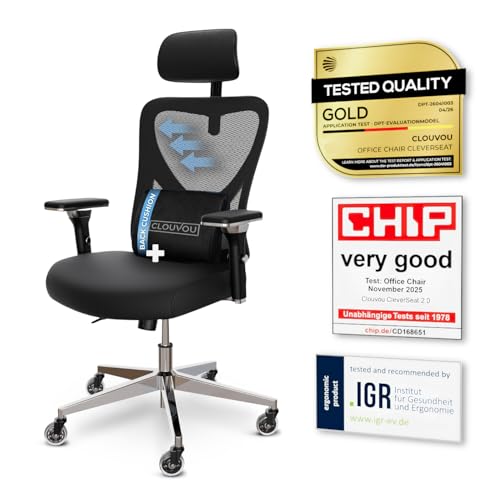
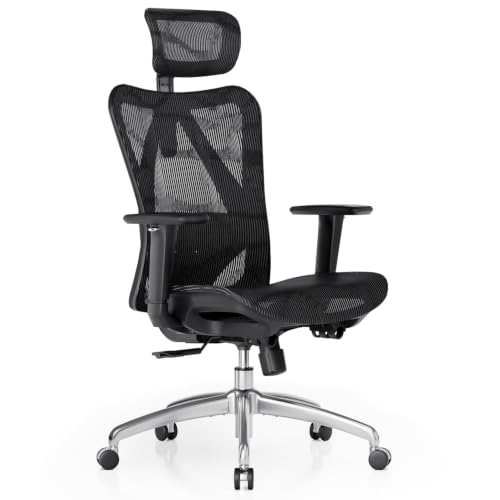
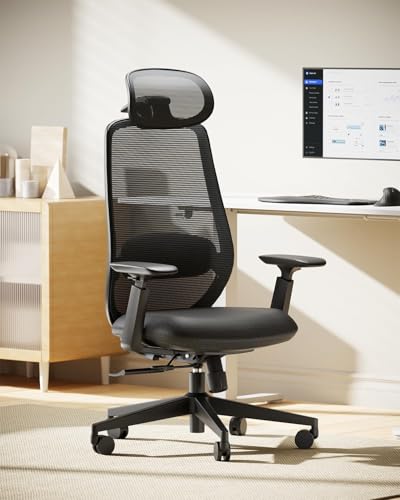
This guide walks through the fit points that matter most, from armrest clearance to caster choice. Use the comparison table below to line up sizes, weight capacity, and adjustment ranges before you read the detailed sections.





Start With Your Playing Style and Studio Layout
Before you compare fabrics or prices, picture how you actually work. Your main instrument and room layout decide which chair shapes help you and which ones get in your way.
Producers Who Play Guitar or Bass While Seated
If you track guitar or bass from your chair, armrests are the first thing to check. Look for adjustable armrests that lower far enough to clear the body of the instrument, or arms that swing back completely. A seat edge that stays comfortable when you sit slightly forward also helps, since most players perch rather than lean back while tracking.
Keyboard and Controller Focused Producers
If most of your work happens at a keyboard or pad controller, your chair needs to slide close to the desk and hold a steady height. Arms that adjust in width keep your elbows near your sides while your hands stay level with the keys. When you shop for the instrument side of the setup, see our guide to the best keyboards for music production for sizing ideas that pair well with your desk depth.
Producers Who Mix for Long Stretches
Mixing asks for steady posture more than freedom to swing an instrument around. A supportive backrest, a seat you can lock at a slight recline, and foam that holds its shape late in the day all matter more here. Your ears should stay at a consistent height relative to your monitors, so a gas lift that holds its setting without slow sinking protects your listening position.
How to Choose a Studio Chair: The Buying Guide
The sections below break the decision into parts you can check on any product page, so you know which specs deserve your attention.
Features That Matter for Music Production
Studio work adds two demands that office sitting does not. First, you move between tasks that need different postures, from upright editing to relaxed listening. Second, your chair shares tight space with stands, cables, and instruments, so its footprint and rolling path matter. As you weigh the best chairs for music production for your room, treat armrest movement, seat height range, and caster type as core features rather than extras.
Ergonomics and Adjustability
Good ergonomics start with seat height that lets your feet rest flat while your thighs stay roughly level. Lumbar support should meet the curve of your lower back without pushing you forward, and a tilt lock lets you hold a slight recline during playback. Adjustable armrests that move up, down, forward, back, and side to side give you the most control. If numbness, tingling, or back pain keeps returning despite careful adjustment, talk with your clinician about your posture and setup.
Materials and Upholstery
A mesh back breathes well during long summer sessions and flexes as you shift, which suits producers who move a lot. Fabric seats feel soft and grip your clothing so you slide less, while smooth leather style coverings wipe clean after spills but can feel warm. High density foam under the covering resists flattening far longer than thin padding. Pick the surface that suits your room temperature and your cleaning habits.
Size, Dimensions, and Weight Capacity
Measure the space under your desk before you shop, including the height of any keyboard tray and the width between desk legs. Your chair arms need to pass under the desktop or stop short of it without scraping. Check seat width against your hips with a little room to spare, and confirm the stated weight capacity sits comfortably above your body weight. Taller producers should look for a deeper seat and a higher backrest so support lands in the right places.
Warranty and Return Policy
Chair parts wear at different rates, so read what the warranty covers piece by piece. The frame and gas lift deserve the longest coverage, while foam and fabric usually carry shorter terms. A clear return policy matters because a chair that feels fine for ten minutes can ache after a full session at home. Keep the box until you have sat through several real workdays, and note who pays return shipping before you order.
Build Quality and Frame
A steel or heavy duty nylon frame with a five point base gives the chair its stability when you lean to reach a rack or pedal. A class 4 gas lift is the stronger standard found on better built models and holds height more reliably over years of daily use. Casters should roll smoothly without rattling, and the joints where the backrest meets the seat should show no wobble when you push sideways.
Style and Room Fit
Many home studios double as living spaces, so looks carry some weight in the decision. Slim profiles and neutral colors blend into a bedroom studio, while taller executive shapes suit a dedicated room. If your chair also serves a day job desk, you may prefer a formal look, and our guide to the best officer chairs covers that direction. Keep the rolling path clear of cables and stands so the chair moves without snagging.
Types of Studio Chairs Explained
Most models fall into a few broad families, and knowing the traits helps you filter listings fast.
Compact and Space Saving Models
Compact and space saving models use a smaller base, a narrower back, and often arms that fold away so the chair tucks fully under the desk. They suit bedroom studios and shared rooms where floor space is tight. The trade off is less padding and a lower weight capacity, so larger producers may feel squeezed.
Premium and Executive Models
Premium and executive models bring thicker foam, taller backs, and finer coverings, along with smoother adjustment mechanisms. They fit producers who sit eight or more hours a day and want one chair for both studio and office work. Prices in this tier often land around $400, though they shift often. The larger footprint is the main drawback, so confirm your room can spare the space.
Ergonomic Models
Ergonomic models focus on adjustment above all else, with separate controls for lumbar depth, seat depth, arm position, and recline tension. They reward producers willing to spend twenty minutes dialing in the fit, and they adapt well when two people share one studio chair. Plain looks are common in this family, since the budget goes into mechanisms rather than styling.
Budget Models
Budget models, often under $150, cover the basics with a padded seat, a simple lift, and fixed or lightly adjustable arms. They work for part time producers and spare rooms, and they make a sensible first chair while you learn what your body prefers. Padding tends to thin sooner and warranties run shorter, so treat a budget chair as a stepping stone rather than a long term purchase.
Chairs for Specific Studio Needs
Beyond the broad families, a few common setups call for their own priorities.
Best Desk Chairs for Music Production Setups
The phrase best desk chairs for music production points to chairs that live at a desk full time, where monitor height and desk clearance rule the choice. Prioritize a seat height range that centers your eyes on your screens and arms that slide under the desktop. For help placing those screens once your chair height is set, see our guide to the best monitors for music production.
Chairs for a Small Home Studio
Small rooms reward chairs with a tight turning radius and casters that suit hard floors without scratching. If you are still deciding how a dedicated chair differs from general seating for musicians, our guide to the best music chairs gives useful background. Also check that the backrest does not strike shelves or acoustic panels when you recline.
Chairs for a Listening First Setup
Some producers spend most sessions in the listening position, tweaking balances rather than playing. A chair that holds a gentle recline without drifting keeps your ears in the sweet spot between your speakers. To complete that picture, see our guide to the best speakers music production for placement basics that assume a fixed seat. Headrests help here more than anywhere else, since your head stays back during playback.
Common Mistakes to Avoid
- Buying fixed armrests and discovering later that they block your guitar, which forces you to track standing or twist sideways for every take.
- Choosing a seat that is too deep for your legs, which cuts circulation behind your knees and leaves your feet dangling or your back unsupported.
- Ignoring caster type on hard floors, which leads to scratched boards and a chair that rolls away every time you reach for a control.
- Skipping the under desk measurements, which means the arms collide with the desktop and the chair can never slide into a natural working position.
- Picking style over weight capacity, which strains the lift and base when the chair is loaded beyond what its frame was built to carry.
Tips to Get the Most From Your Chair
A few habits protect both your comfort and the chair itself.
- Set the seat height so your feet rest flat and your elbows sit near a right angle at the desk, then save a photo of the setting.
- Tighten the bolts under the seat and arms every few months, since daily rolling slowly works hardware loose.
- Vacuum mesh and fabric regularly with a soft brush, and wipe smooth coverings with a damp cloth so dust and sweat do not grind into the surface.
- Keep leather style coverings out of direct sunlight, because steady heat dries the surface and invites cracking along the seams.
- Stand, stretch, and walk for a few minutes each hour, since no chair design removes the strain of staying seated without breaks.
Clean spills the day they happen, especially sugary drinks near the lift column, where sticky residue can foul the mechanism. If a caster starts to drag, clear the wrapped hair and dust from its axle.
Frequently Asked Questions
What features matter most in a music production chair for guitar players?
Armrests that move fully out of the way matter most for guitar players. Arms that swing back or drop low let the instrument rest in a natural position without the frame digging into your forearm. A useful extra check is seat width at the front edge, since a wide front corners into the guitar body on smaller chairs.
How do you set a music production chair at the right height for your monitors?
Set the chair so your ears sit level with the tweeters in your normal listening posture. Start with your feet flat and your eyes at the upper third of your screen, then adjust the seat until the sound image feels centered. Small changes shift the balance you hear, so mark your preferred lift height with tape on the column.
How do you choose the right size music production chair for a shared studio?
Choose a chair with the widest adjustment range you can afford when two or more people share it. Seat height, arm height, and lumbar position should all move without tools, because settings change at every handover. A shared note card on the desk listing each person's preferred numbers solves the daily reset problem.
How long should a quality music production chair last in daily use?
A quality music production chair should last about five to eight years in daily use before major parts tire out. The gas lift and caster wheels usually age first, and both can often be replaced without buying a whole new chair. Foam that stays flat long after you stand is a sign the seat is nearing the end of its useful life.
Is an expensive music production chair worth it for a small home studio?
An expensive music production chair is worth it only if you sit for long daily sessions and will use its adjustments. Short weekend sessions rarely repay premium pricing, and the money may serve you better in acoustic treatment or headphones. One overlooked point is resale value, since well known ergonomic models tend to sell quickly when you upgrade.
Final Thoughts
The right studio chair disappears under you, leaving your attention on the music instead of your back. Focus on armrest clearance for your instrument, a seat size that fits your body, and casters that suit your floor. Use the product table above to compare models that meet those needs, and pick the best chairs for music production option that fits your room, sessions, and budget.