Best Chairs for Leg Circulation: Budget, Midrange, and Premium Picks for 2026
Disclosure: We may earn a commission when you buy through links on this page, at no extra cost to you. As an Amazon Associate I earn from qualifying purchases. Learn more

Seat depth, a rounded front edge and easy position changes shape the best chairs for leg circulation, with tier by tier guidance.
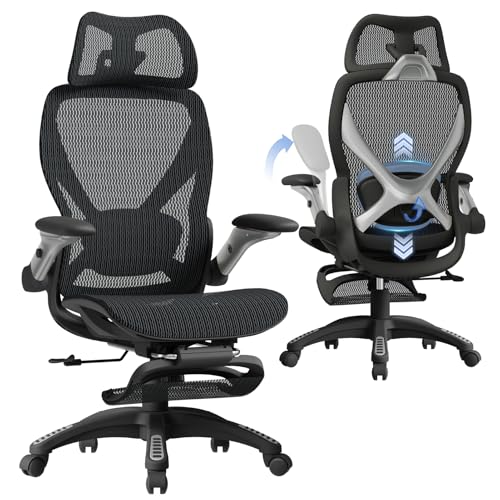
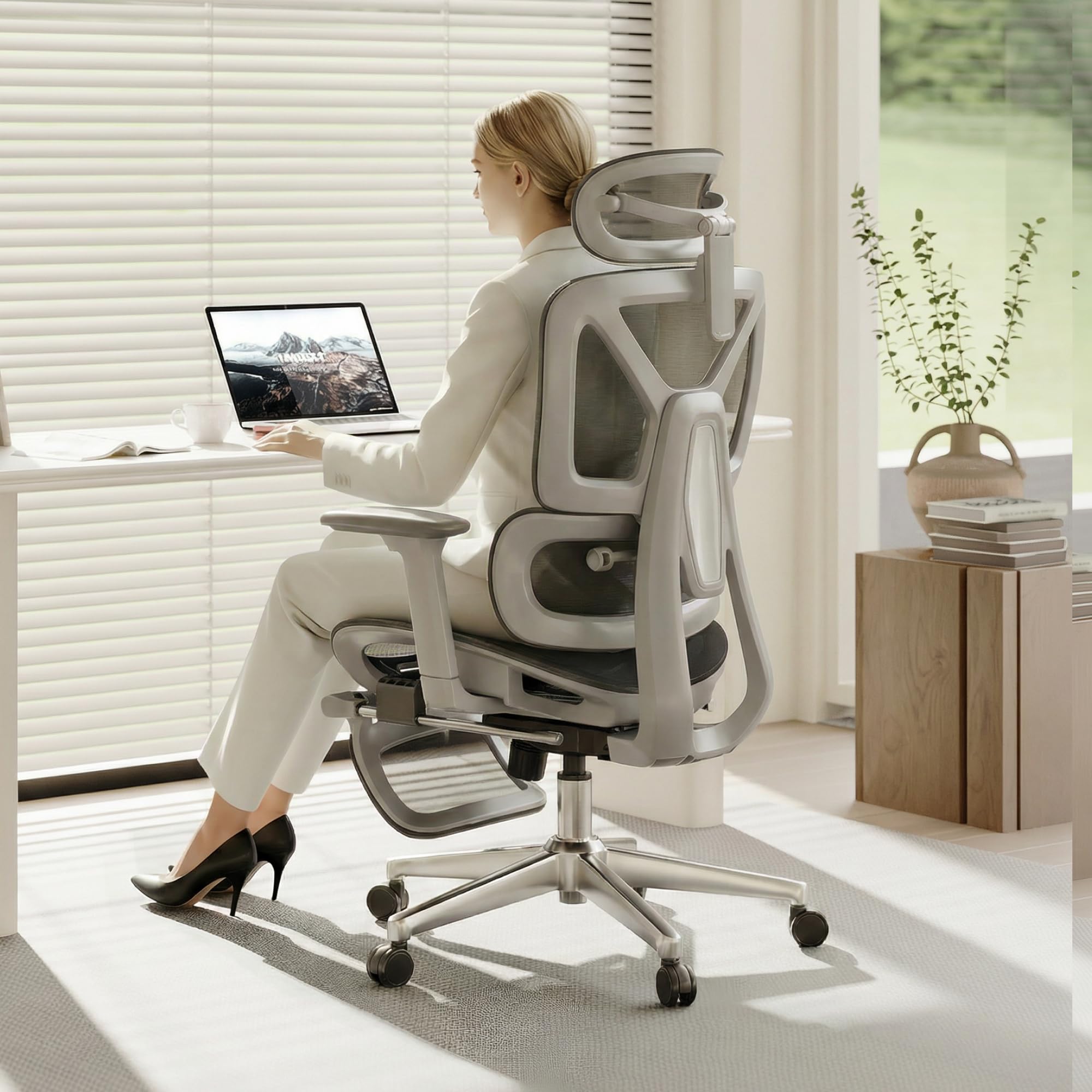
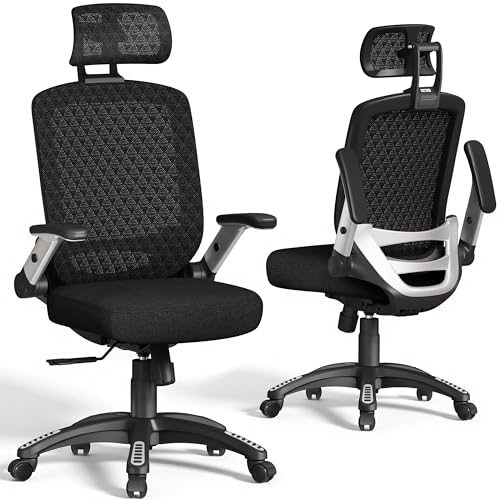
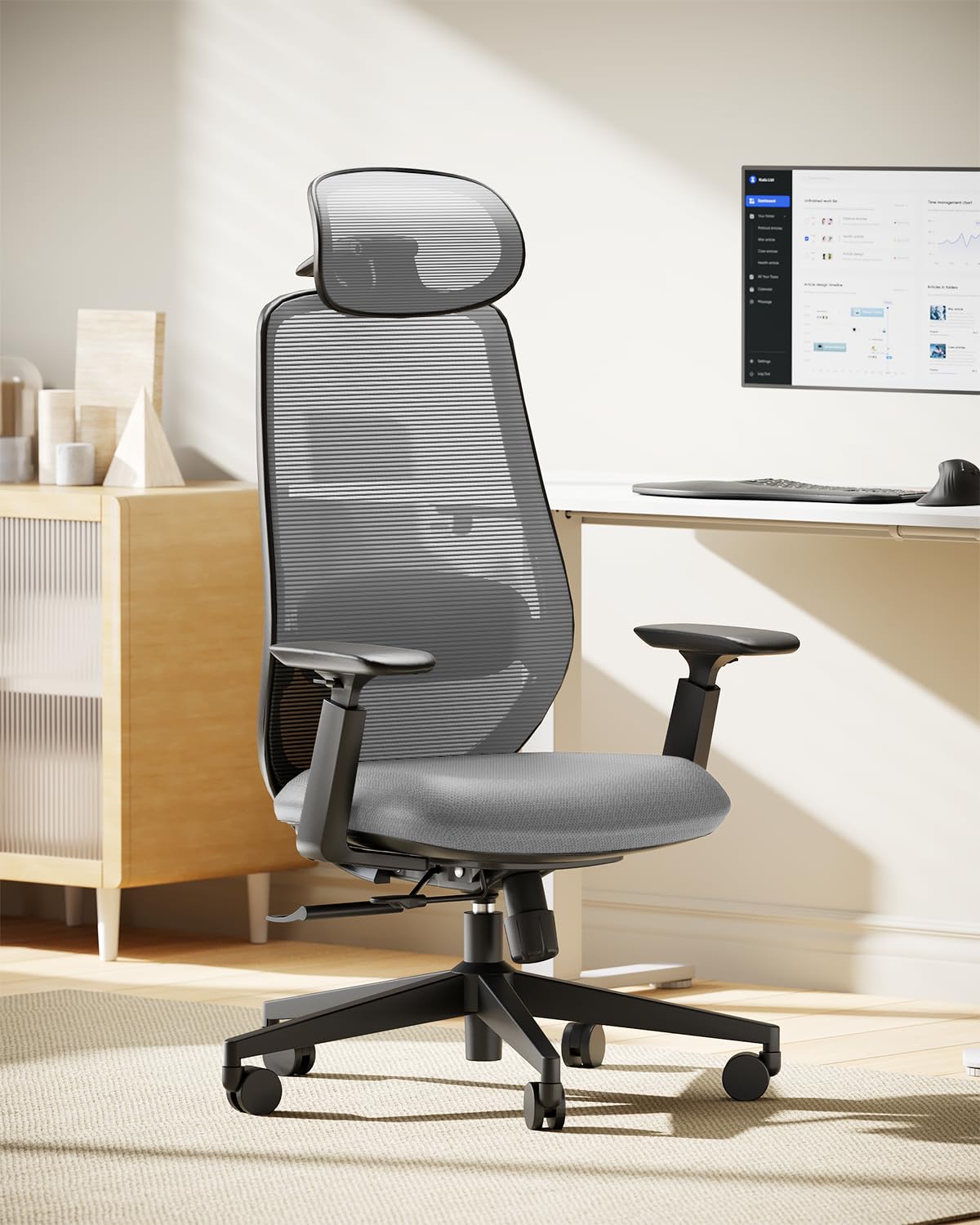
Chair prices for this category run from under $100 to about $800 or more, and the price alone tells you very little about comfort for your legs. What matters most is how the seat supports your thighs without pressing into the back of your knees while you sit. The best chairs for leg circulation share a few traits you can check before you buy, and the comparison table below gathers the key specs in one place.
This guide walks you through the buying decisions in the order they matter. You will learn how to match a chair to your body and your room, what each price tier usually includes, and which features deserve your money. You will also find sizing checks, long term costs, and answers to common questions.
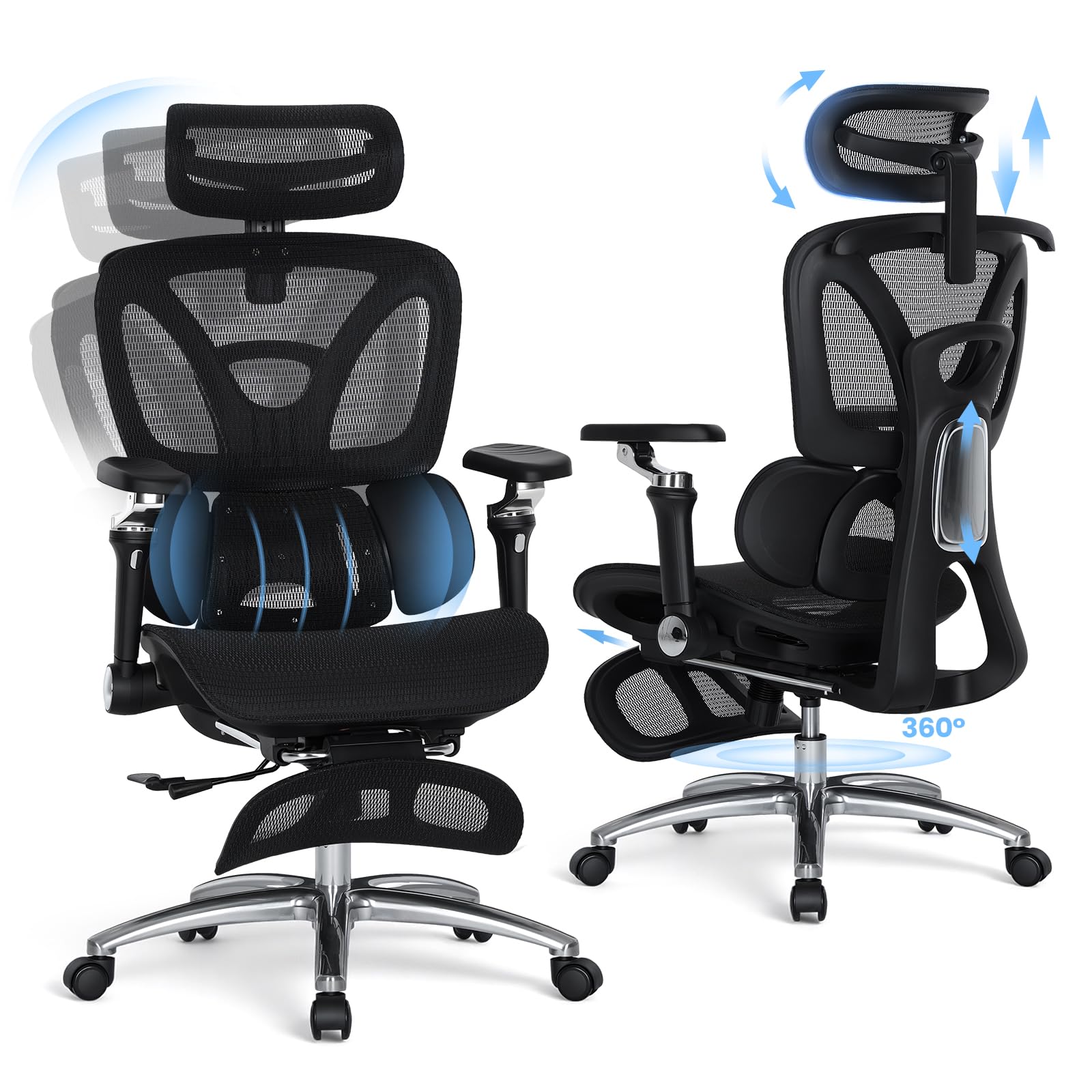
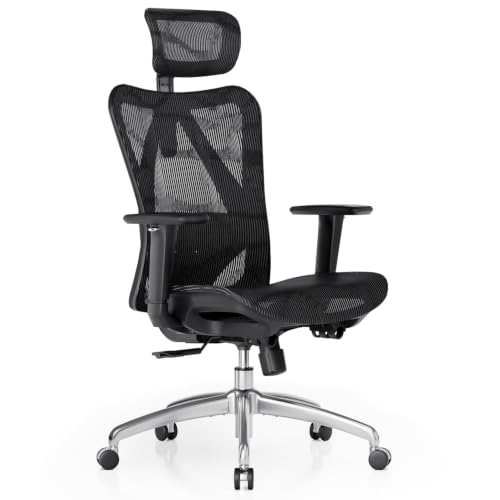
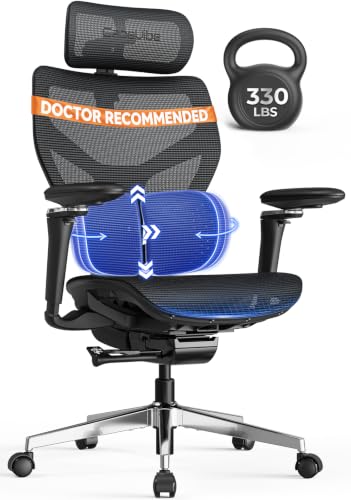

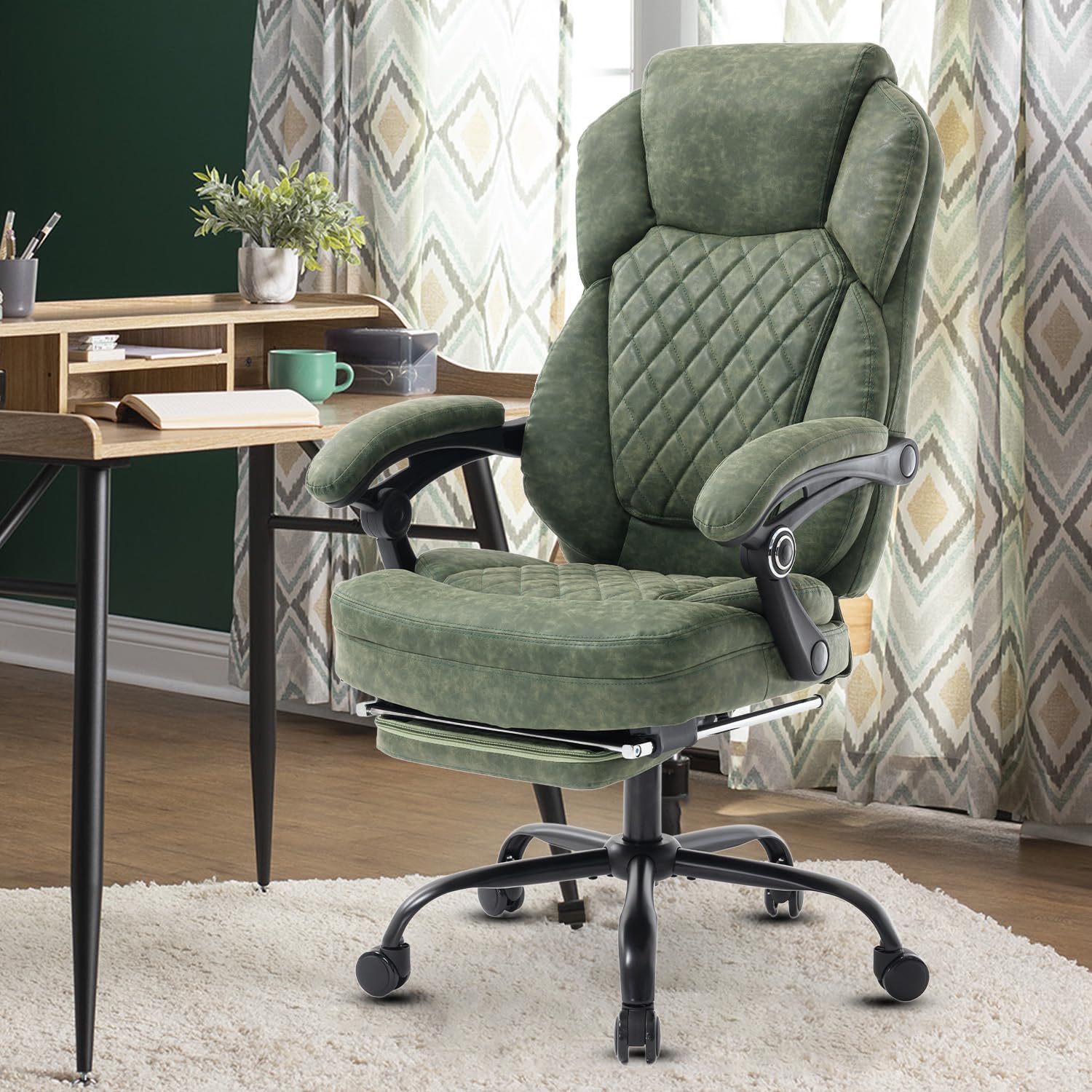
How to Match a Chair to Your Legs, Your Body, and Your Room
Start with fit, because no price tier can fix a seat that is the wrong depth or height for your legs. A chair that fits lets your feet rest flat, leaves a small gap behind your knees, and lets you shift position through the day. The checks below take only a few minutes with a tape measure and a note of how you actually sit.
Start With Your Sitting Time and Daily Habits
Think first about your longest typical stretch of sitting, because a chair used for one hour of paperwork faces a different job than one used through a full workday. Longer stretches call for easier recline, firmer seat foam, and controls you can reach without standing up. If most of your sitting happens at a desk, see our guide to the best office chairs for leg circulation for desk focused fit notes. Shorter sessions place more weight on size, style, and easy movement between rooms.
Measure Your Body Before You Shop
Measure from the floor to the crease behind your knee while you wear your usual indoor shoes, then look for a lowest seat height at or just below that number. Next, measure from the back of your knee to your backside while seated and choose a seat depth a little shorter, leaving about two to three finger widths of space behind the knee. Note your hip width too, since armrests that sit too close can push your legs inward.
Plan for Movement, Not One Perfect Position
No single posture stays comfortable all day, so favor chairs that make small changes easy. A gentle recline shifts weight from the seat edge toward the backrest, and a footrest or a low box under your desk lets you change knee angle for a while. Stand and walk for a few minutes each hour when you can, because your legs benefit from movement that no chair can provide on its own. Treat the chair as one part of the routine, not the whole answer.
What Your Money Gets You at Each Price Tier
Price tiers in this category are loose, since sales move chairs between them often. Still, the tiers below show the pattern you will see in the product table above and on store pages. Spend first on seat fit and foam quality, then on extra adjustments.
Budget Tier: What to Expect
Budget chairs usually cost around $100 to $200 and cover the basics for light daily use. Expect height adjustment, a simple tilt with a tilt lock on some models, and foam that feels fine at first but softens sooner. The front seat edge is the weak point at this level, so check photos and specs for a rounded edge that slopes down. This tier suits guest rooms, homework desks, and anyone who sits for short stretches.
Midrange Tier: The Sweet Spot for Most Buyers
Midrange chairs often run about $200 to $400, and this is where leg comfort features become common. Look for a waterfall front edge, thicker high density foam, adjustable lumbar support, and armrests that move up and down so your shoulders stay relaxed. Many ergonomic models in this range add a seat depth slider or a wider range of recline angles. For people who sit three to six hours a day, this tier usually offers the best balance of comfort and cost.
Premium Tier: When Spending More Pays Off
Premium chairs may cost about $400 to $800, and the extra money buys finer control rather than a magic seat shape. You get smoother recline tension, more armrest positions, stronger frames, higher weight capacity, and fabrics or mesh that hold up longer. Choose this tier if you sit most of the day, share the chair with a taller partner, or want parts you can replace years later.
Features Worth Paying For (and Ones to Skip)
The features below decide how a chair treats your legs hour after hour. As you compare the best chairs for leg circulation, use these points as a checklist while you scan rows in the product table above. Be skeptical of extras that add cost without changing the seat itself.
Materials and Upholstery
A mesh back keeps air moving and suits warm rooms, while a padded fabric seat gives softer support under your thighs. Solid fabric seats with foam tend to feel warmer and can mute pressure at the front edge better than thin mesh stretched over a hard frame. Faux leather looks smart and wipes clean, but it can feel warm on bare legs and lower grades may crack with age. Skip bonded leather upgrades and glossy padding that hides a hard seat frame beneath.
Ergonomics and Adjustability
Good ergonomic design spreads your weight across the seat instead of loading one narrow line behind your knees. Height adjustment matters most, since feet that dangle add pressure under the thighs and feet that sit too high push knees upward. Adjustable armrests help when they move out of the way for crossing your legs or sliding close to a desk. A tilt lock that holds a slight recline, plus tension you can tune to your weight, rounds out the controls worth paying for.
Features That Matter for Leg Circulation
The seat front edge deserves the closest look, because a hard square edge can press into the underside of your thighs when your feet rest on the floor. A waterfall edge curves down and spreads that pressure over a wider area, which most people find kinder during long sits. Seat depth works with the edge, since a seat that is too deep forces you to perch forward or accept pressure behind the knees. A slight seat tilt and a place to rest your feet complete the picture, and readers who want built in support can see our guide to the best office chairs with leg rest for that style of chair.
A chair can support comfort, but it does not treat a circulation condition, and some symptoms need medical care rather than new furniture. Talk with a clinician promptly if one leg swells much more than the other, or if you notice new pain, warmth, redness, numbness, or skin sores that do not heal. Chest pain or sudden trouble breathing needs urgent care. If leg pain is your main concern, see our guide to the best office chairs for leg pain and discuss your personal needs with your clinician before you buy.
Size, Dimensions, and Weight Capacity
Check the listed weight capacity and stay comfortably below it, since a chair near its limit can sag and tilt the seat edge into your legs. Seat width should leave a little room on each side of your hips so you can shift without rubbing the armrests. Compact space saving models suit small rooms and shorter users, while taller users need higher seats and deeper pans that still leave the knee gap described earlier. Measure your doorway and desk clearance too, because a wide base can crowd foot room under a small desk.
What to skip: Built in massage motors, heating pads, and novelty cushions rarely change seat pressure where it counts, and they add parts that can fail. Thick headrest pillows and matching footstools bundled in a box can also distract from a shallow seat or a hard front edge. Put that money toward foam quality and adjustments instead.
Long Term Costs to Factor In
Ownership costs stay modest for most chairs, yet a few items add up over the years. Replacement casters, arm pads, and gas lift cylinders are common wear parts, and brands that sell spares keep a good chair in service longer. Foam slowly compresses with daily use, so a seat that feels thinner after a few years may need a cushion or a replacement seat rather than a whole new chair.
Your floor is part of the budget too, since hard casters can scratch wood and wear thin carpet. Soft casters help, and for chairs with fixed legs or glides, see our guide to the best chair leg floor protectors to keep floors and chair feet in good shape. Check the warranty length for the frame and the lift, and keep your receipt and assembly tools so small fixes stay simple and cheap.
FAQs
What features matter most in chairs for leg circulation?
The seat front edge and seat depth matter most, because together they decide how much pressure lands behind your knees. A waterfall edge, a depth that leaves a small gap, and a height that keeps your feet flat form the core setup. One extra check helps at home: sit for twenty minutes in your normal clothes and note any tingling or urge to perch, since thick seams and stiff fabric can add pressure the product listing never mentions.
Is an expensive chair for leg circulation worth the extra cost?
An expensive chair is worth it only when its extra adjustments solve a fit problem you actually have. Finer recline control, a depth slider, and replaceable parts can justify the price for all day sitting. If you sit one hour a day, the same money often goes further on a midrange chair plus a simple footrest. Use the return window at home, because a chair that feels fine in a showroom may press your legs after a full afternoon.
How do you choose the right size chair for leg circulation?
Choose the size from your lower leg length first, then confirm width and depth against your body. Measure while wearing the shoes you use most at that chair, since a thick sole changes the seat height your legs need. Leave room for your knees under the desk apron as well, and if you fall between sizes, pick the chair with the wider height range. That range gives you room to fine tune the setup as your desk or shoes change.
How long should a good chair for leg circulation last?
A good chair should last about five to eight years of daily use, with premium frames often lasting longer. Foam and moving parts wear first, so check the lift each month by sitting down and checking whether the seat slowly sinks. Creaks, wobble, or a front edge that feels harder each season are early signs that support is fading. Replacing worn parts early keeps the seat angle steady.
What features matter most in a chair for leg circulation during long hours of sitting?
For long hours, easy recline and a seat you can adjust without standing matter most. Small shifts in angle change where pressure falls, so controls within reach beat a long list of locked positions. Pair the chair with a simple routine: set a timer, stand, and take a short walk each hour. Clothing matters too, so avoid very tight waistbands and stiff cuffs that press into your legs while you sit.
Wrapping Up
Keep your shortlist simple: fit the seat to your legs first, then compare foam, edge shape, and adjustments inside your budget. The product table above pulls those specs together so you can check depth, height range, and capacity at a glance. When the fit is right, the best chairs for leg circulation feel almost forgettable, letting you sit, shift, and stand through the day in comfort. Prices and availability can change, so check the product page before ordering.