Best Chairs for Jewelers in 2026: What Actually Matters Before You Buy
Disclosure: We may earn a commission when you buy through links on this page, at no extra cost to you. As an Amazon Associate I earn from qualifying purchases. Learn more

A bench checklist for the best chairs for jewelers: height range, foot ring, armrest clearance and seats that wipe clean of metal dust.
Jewelry work asks more of a chair than ordinary desk sitting does. You lean in over a bench pin, hold your shoulders still and guide small tools with your eyes close to the piece. The best chairs for jewelers support that forward posture for hours while still letting you roll, turn and stand without a fight. Use the checklist in this guide, then compare your short list with the comparison table below.
Start with your bench, not with the chair photo. Bench height, the cutout under the top, your microscope or loupe setup and the floor space behind you all limit what will fit. A chair for a low writing desk often sits far too low at a jeweler bench, and a wide chair can crowd a small studio.

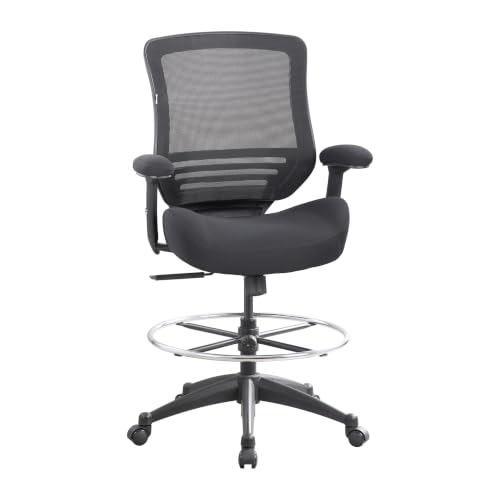
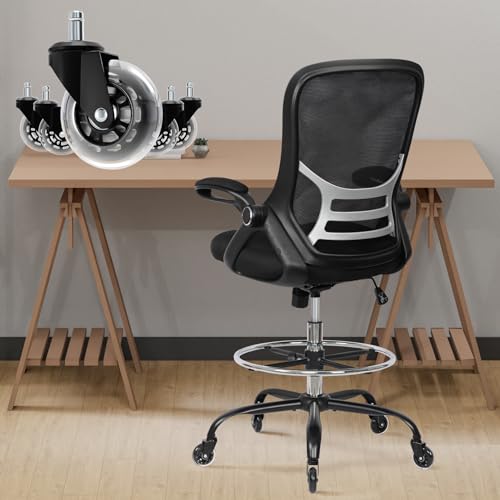
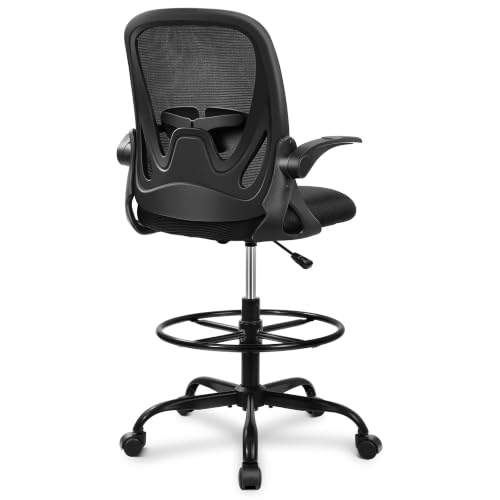
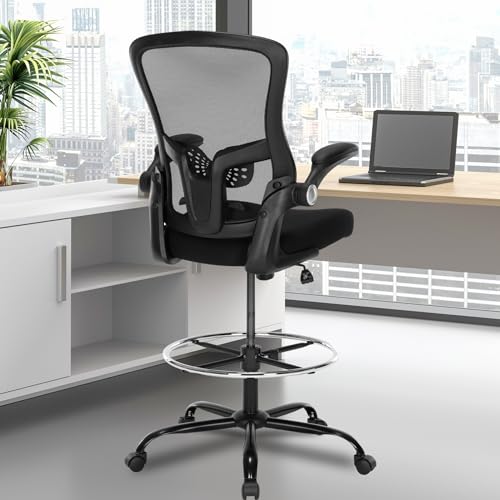
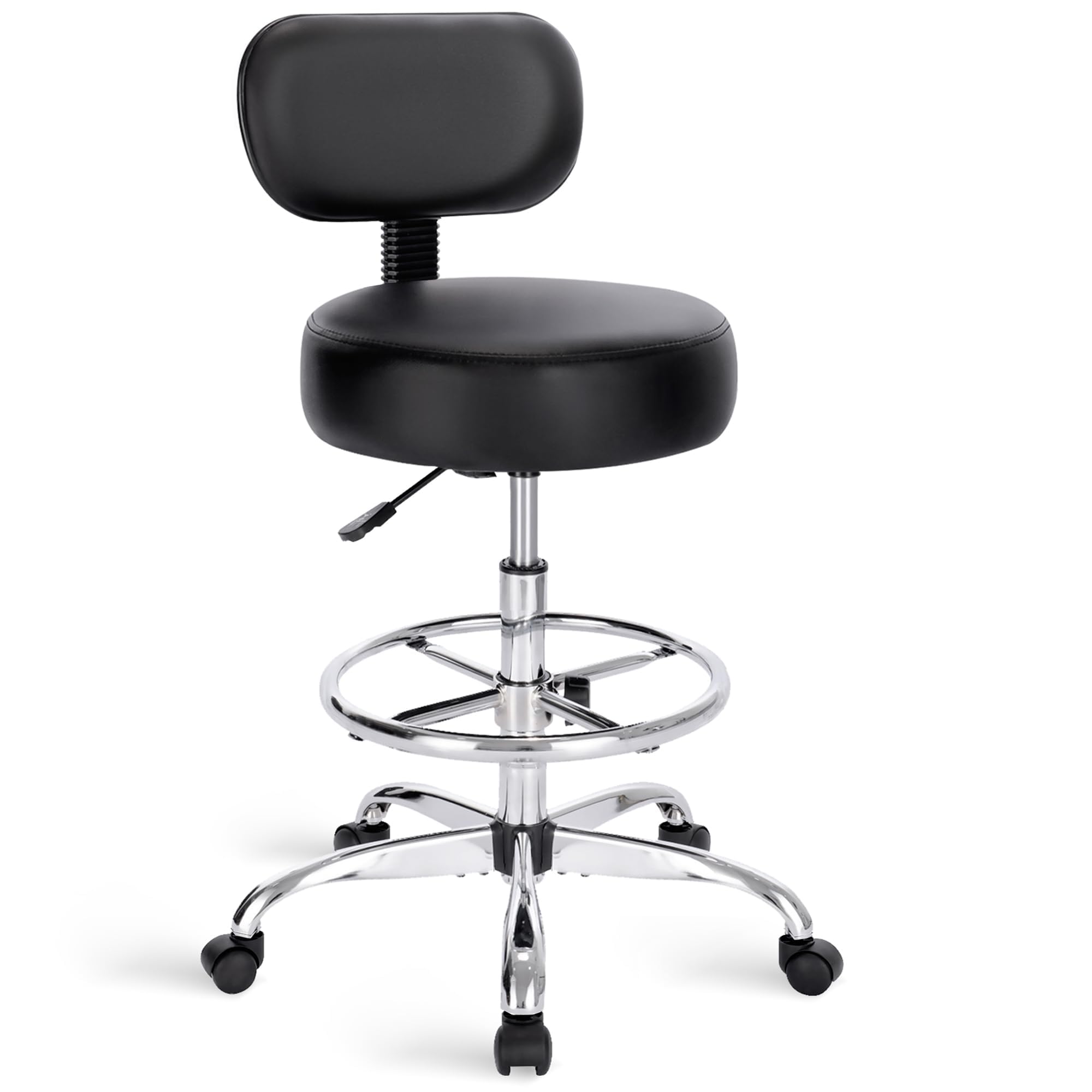

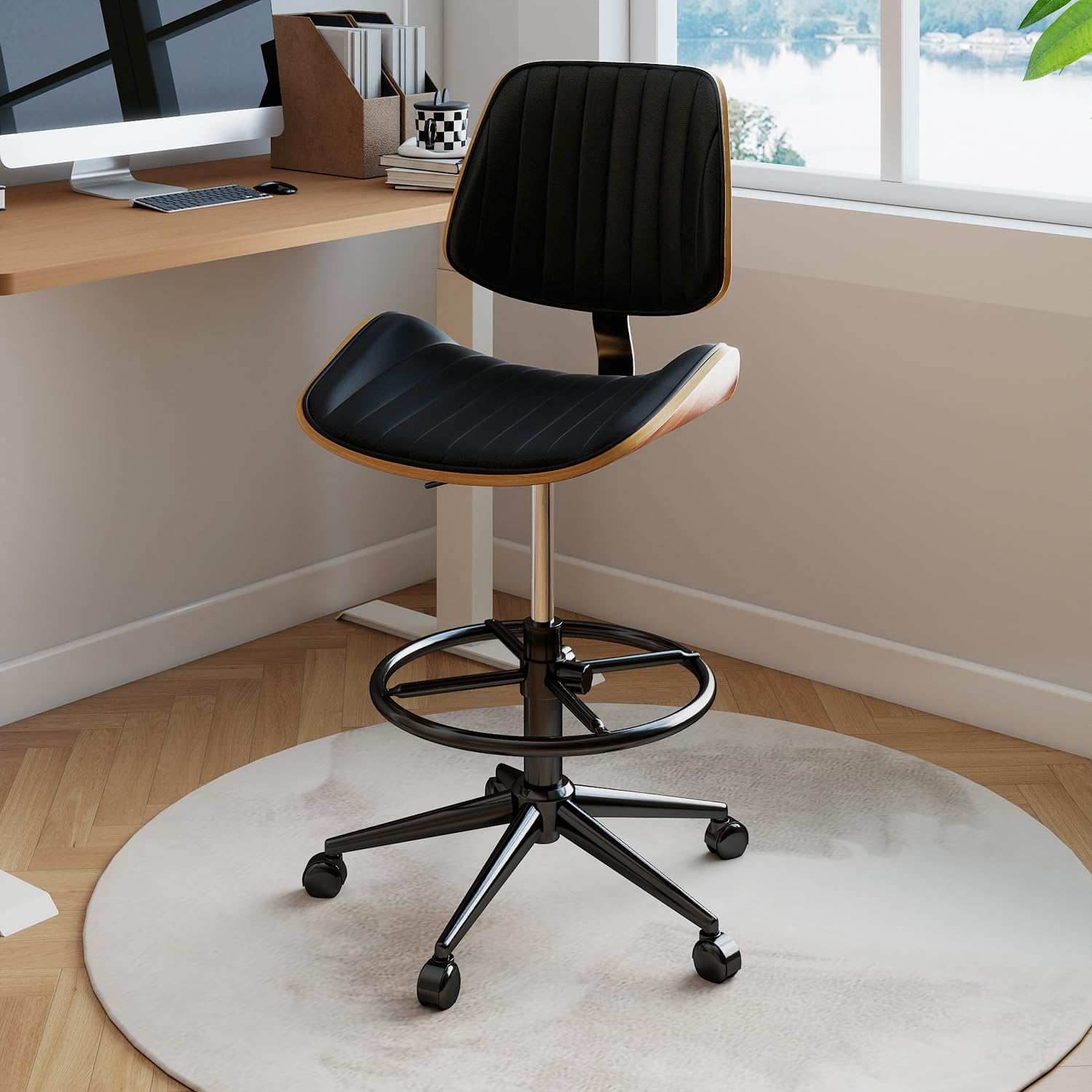
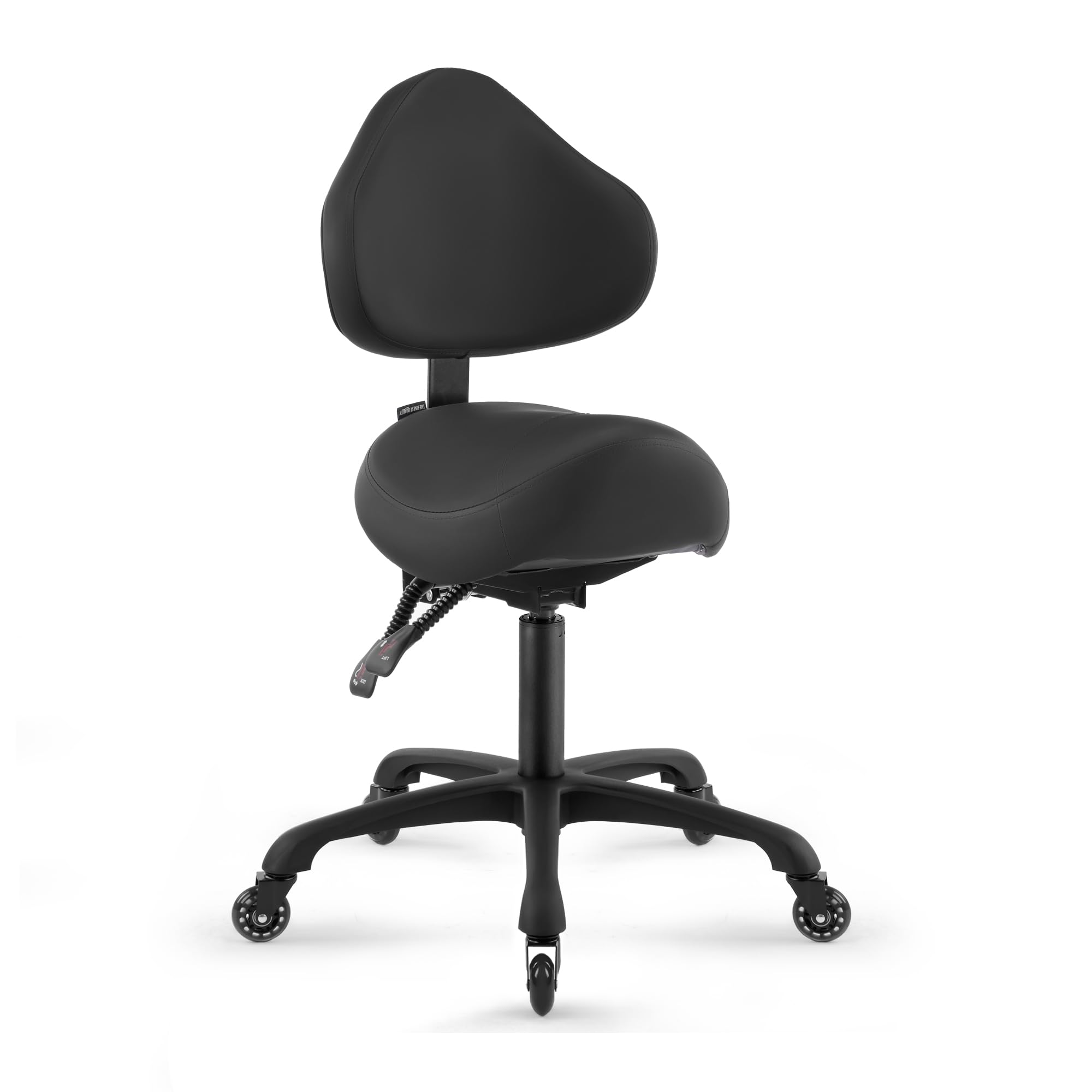
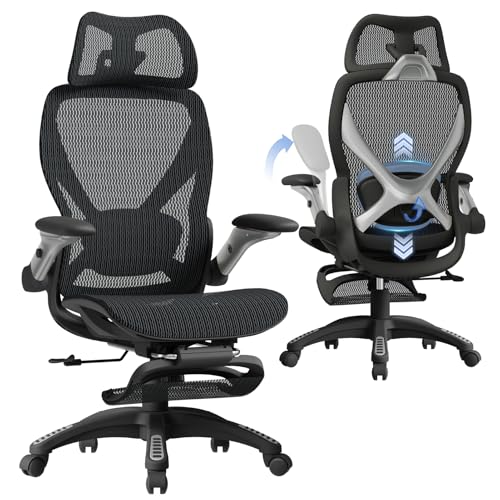
Who Should Buy Which Chairs for Jewelers?
Your main task at the bench decides which adjustments matter most.
Bench Jewelers Doing Repair and Stone Setting
You sit close, lean forward and keep both hands steady on the bench pin for long stretches. Choose a wide seat height range, a firm cushion and forward tilt so your hips sit slightly above your knees. A foot ring matters because your feet rarely rest flat at bench height. Pick a mid height back that leaves your shoulders free.
Jewelers Who Work With a Microscope or Loupe
You hold one fixed eye position for minutes at a time, so tiny shifts in seat height change your whole working distance. Choose smooth height adjustment in small steps, plus a tilt lock that holds the seat angle once you find it. Arm support should be low or movable, since raised arms push your shoulders up. A stable base matters most here, because any wobble shows up in your view.
Polishers and Jewelers Who Move Between Stations
You stand, sit and roll between the bench, the polishing motor and the sink many times a day. Choose a lighter chair with casters that roll easily and a compact base that clears bench legs and boxes. Smooth vinyl or mesh that sheds metal dust saves cleaning time.
Key Features to Compare
When you compare best chairs for jewelers side by side, work through these five factors in order. Height and posture come first.
Seat Height and Bench Clearance
Most jeweler benches stand about 36 to 38 inches high, well above a standard desk, so many jeweler chairs are drafting height models with a taller lift. Look for a seat range that lets your forearms rest level on the bench top with your shoulders relaxed, often about 24 to 30 inches at the seat. Check that the raised seat slides into the bench cutout without striking the drawer unit.
Forward Tilt and Lumbar Support for Close Work
Close work pulls you into a forward lean, and the chair should support that lean instead of fighting it. A seat that tilts a few degrees forward opens the angle at your hips and helps your lower back keep its natural curve while you look down. Lumbar support should meet the small of your back at belt level and feel firm rather than soft. If you notice ongoing back pain, numbness in your legs or tingling in your hands during bench work, talk with your clinician or a qualified professional about your posture and setup, because a chair alone cannot treat those signs.
Armrests That Stay Clear of the Bench
Armrests cause more trouble at a jeweler bench than at a desk. Fixed high arms can strike the bench edge, hold you inches from the bench pin and force you to reach with straight arms. Adjustable armrests that lower, swing aside or remove entirely give support for paperwork and a clear path for bench work. For very close setting work, many jewelers prefer no arms and rest their forearms on the bench.
Foot Ring, Casters and a Stable Base
At drafting height your feet dangle unless the chair gives them a place to rest, and dangling feet pull on your lower back within the hour. A foot ring that adjusts without tools and locks firmly lets you set support where your thighs stay level. Casters should roll quietly but not drift while you lean in, so consider locking casters on a smooth floor. A five star base with a class 4 gas lift gives steady support and resists tipping when you reach sideways.
Cushion, Upholstery and Metal Dust
A jeweler seat takes fine metal filings, polishing compound and flux residue every day, so the surface has to clean fast. High density foam holds its shape under a forward sitting position better than soft foam, which can bottom out and press on your thighs by midday. A mesh back lets air move in a warm workshop, while smooth vinyl wipes clean and does not trap filings like woven fabric can. Check weight capacity against your weight plus leaning load, and choose ergonomic models rated with a clear margin.
Quick Buyer Checklist for a Jeweler Bench
Run through these yes or no questions at your own bench before you order. A chair that fails two or more will likely annoy you every working day, whatever its price.
- Does the seat rise high enough for your forearms to rest level on your bench top?
- Can you set the seat height in small steps and lock the tilt where you want it?
- Do the armrests lower, swing aside or come off so you can sit close to the bench pin?
- Does the foot ring adjust to support your feet with your thighs level?
- Does the base fit the floor space behind your bench without striking legs or boxes?
- Is the weight capacity clearly stated, with room above your own weight?
- Can you wipe metal dust and polishing compound off the seat in under a minute?
Keep bench seating separate from ordinary office seating. Standard desk chairs sit much lower, so if you also need seating for a paperwork desk, see our guide to the best office task chairs for that height range. For a formal front office you might compare the best officer chairs, and for general indoor seating our guide to the best quality chairs covers broader use.
Common Mistakes to Avoid
Most returns trace back to fit checks that take five minutes at the bench.
- Buying a standard desk chair for a tall bench leaves your arms raised and your shoulders aching by midday.
- Choosing fixed high armrests keeps you too far from the bench pin and strains your reach on every piece.
- Skipping the foot ring leaves your feet dangling, which pulls on your lower back during long sessions.
- Picking deep soft foam lets the seat bottom out, so pressure builds under your thighs while you lean forward.
- Ignoring caster type on a smooth floor lets the chair drift backward each time you lean in to work.
Care and Maintenance for Jeweler Chairs
Brush filings and dust off the seat and back at the end of each day, before particles work into seams or mesh. Wipe vinyl with a damp cloth and mild soap, then wipe again with a clean damp cloth so no soap film stays to catch dust. Fabric seats need a vacuum with a brush tool once a week.
Every few months, turn the chair over and tighten the bolts at the seat plate, arms and base, because daily rolling loosens them. Check casters for wrapped thread and metal curls, and pull debris out so the wheels roll freely. A lift that sinks or a base that rocks calls for a replacement part or a new chair, since sudden drops can spill tools and damage a piece.
Chairs for Jewelers: Your Questions Answered
What features matter most in a chair for jewelers working at a bench?
Seat height range, forward tilt and a foot ring matter most for bench jewelers. Together they place your forearms level with the bench top while your back keeps support in a forward lean. One point buyers often miss is bench cutout width, since wide armrests may never slide close enough.
Is an expensive chair for jewelers worth it for daily bench work?
An expensive chair for jewelers is worth it only when the extra cost buys a stronger lift, a sturdier base and better foam. If a costly model adds only styling, a simpler drafting height chair at about $150 to $300 will serve you just as well. A generous trial period matters here, since returns after weeks of bench use are hard.
How do I choose the right chair size for a jeweler bench?
Choose chair size from your bench height and your leg length together. Sit with the seat set so your forearms rest level, then check that your feet reach the foot ring with thighs level and that seat depth leaves a small gap behind your knees. If two people share the bench, favor wider adjustment range over a deeper cushion.
What chair features help jewelers most during long hours of detailed work?
A firm seat, steady lumbar contact and a base that does not drift help most during long hours of detailed work. Small extras add up too, such as a back that breathes in a warm room and height controls you can reach without looking down. Plan short standing breaks as well, because even the best setup cannot replace moving regularly.
How long should a good chair for jewelers last in a workshop?
A good chair for jewelers should last about five to eight years in a workshop with daily use. The gas lift and casters usually wear first, since bench chairs roll and adjust far more often than dining chairs do. Extend that life by keeping filings out of the caster wheels and replacing a worn lift before it starts to sink mid task.
Final Thoughts
Judge every option at your own bench. Seat height, forward tilt and a clear path to the bench pin decide your comfort more than styling. Use the product table above to compare height ranges, capacity and price.
When you shop for best chairs for jewelers with those points in mind, the right drafting height chair usually stands out quickly. Pick the simplest model that fits your bench and your body, set it up carefully on day one, and let your work take your full attention.