Best Chairs for Illustrators in 2026: What Your Money Really Gets You at Every Price
Disclosure: We may earn a commission when you buy through links on this page, at no extra cost to you. As an Amazon Associate I earn from qualifying purchases. Learn more

Seat height, armrests and lumbar support compared for the best chairs for illustrators, from student desks to full time studios.
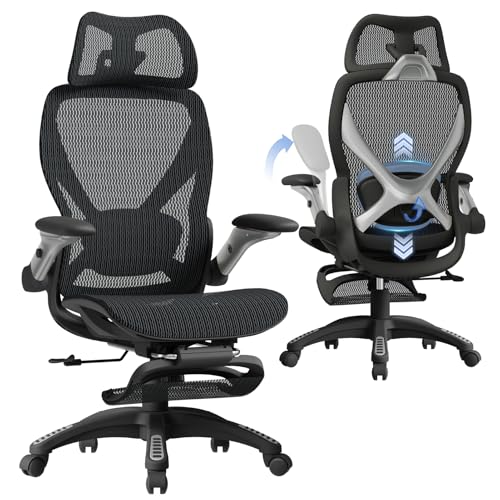
Drawing asks more of a chair than ordinary desk work. You lean toward a tablet, perch while you ink, then sit back to judge color on a screen. The best chairs for illustrators support each posture without pushing your shoulders up or crowding your elbows. Prices run from under $100 to above $500, and this guide shows where extra money helps, starting with the comparison table below.
Start with how you draw most days, not with a price tag. A tilted tablet, a flat paper board and a raised drafting table each call for a different seat height and arm support. The sections below match those styles to price tiers and key adjustments.

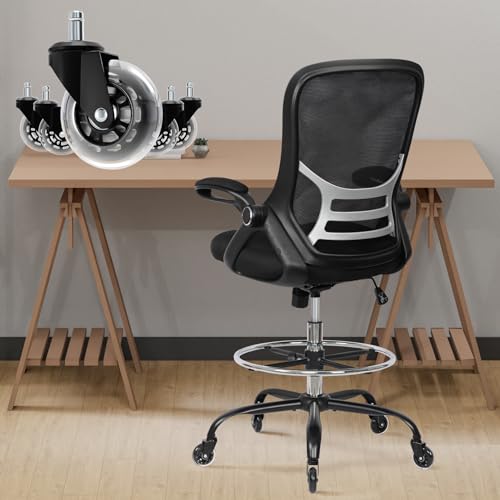
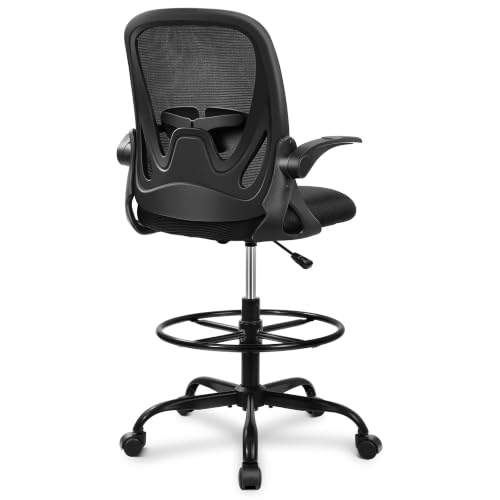
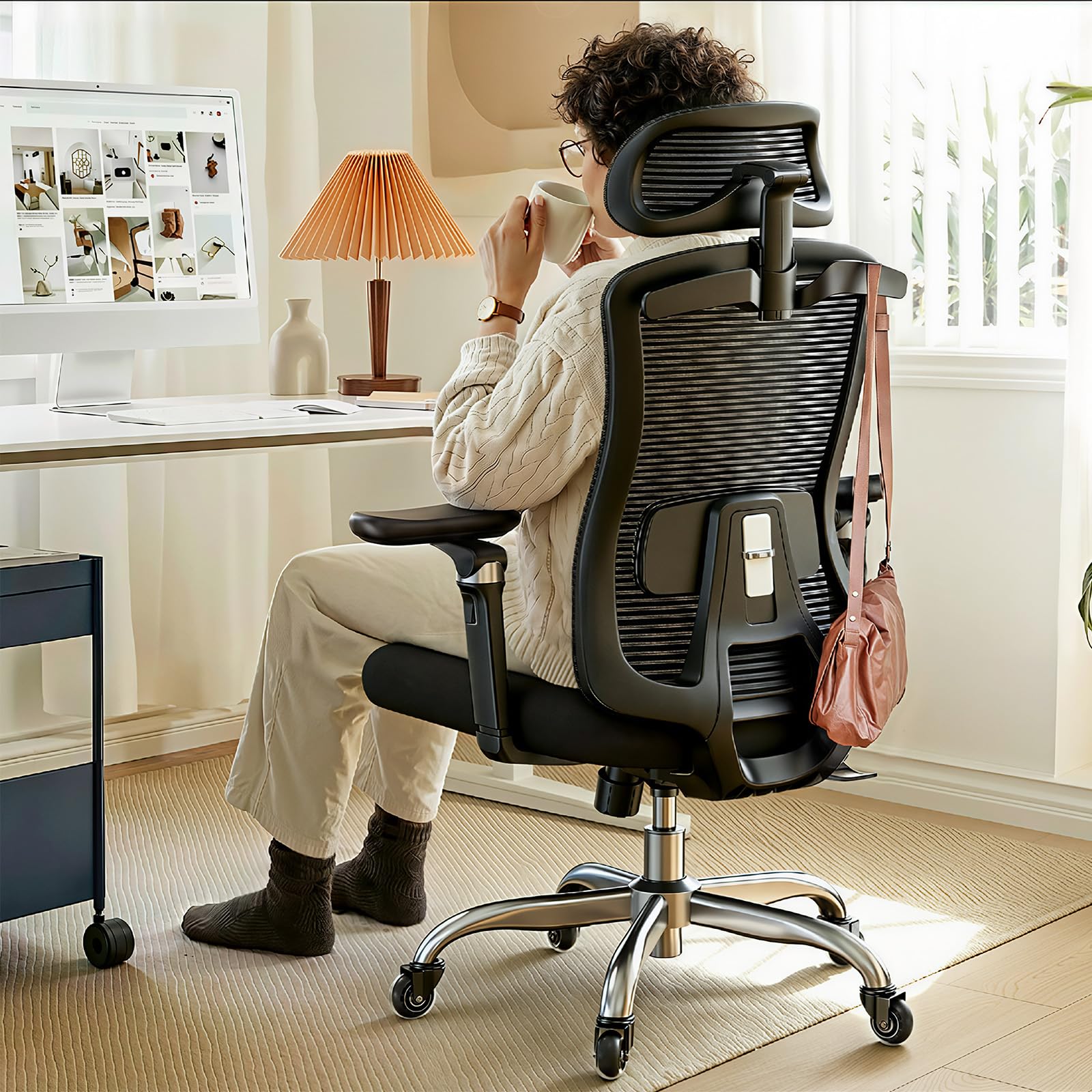
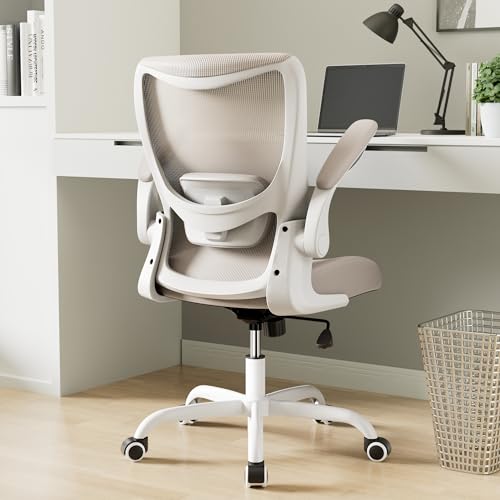
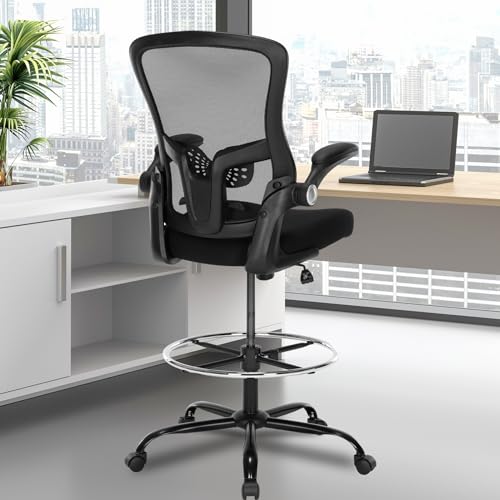
Who Should Buy Which Chair for Illustrating?
Your drawing surface decides your posture, which should decide your chair.
Illustrators Who Lean Over a Drawing Tablet
You work with a tablet flat or slightly raised, and your shoulders drift forward as a drawing develops. Look for a seat that can tilt a few degrees forward or sit level, plus lumbar support that stays in contact when you lean in. Armrests should lower or swing away so your drawing elbow stays close to your body. A waterfall seat edge also reduces pressure under your thighs.
Illustrators Who Switch Between Paper and Screen
You sketch on paper, scan the work, then finish it on a monitor, changing posture many times a day. Choose easy seat height changes and a tilt lock you can set upright for inking and release for screen checks. A backrest that follows your recline keeps support through both tasks. Smooth casters let you roll between a side table and your desk.
Illustrators in Small Studios Who Sit All Day
You draw for income in a room that also holds shelves and a scanner, so floor space is tight and sessions run long. Compact and space saving models suit you if the seat itself is not cramped. Breathable fabric matters in a warm small room. If numbness, tingling or back pain keeps returning, stop adjusting the chair and talk with your clinician about your personal needs.
Spending More Buys Adjustment Range and Warranty
Spending more on the best chairs for illustrators buys adjustment range, stronger parts and a longer warranty. Read each tier against your weekly drawing hours.
Around $100 to $200: Basic Support for Shorter Sessions
Chairs here usually offer seat height adjustment, a simply shaped back and basic padding over a plastic shell. That suits students and hobby illustrators who draw an hour or two at a time. Expect fixed armrests or ones that move only up and down, and a warranty of about one year. Check seat size and weight capacity closely, because fit varies widely here.
Around $200 to $400: Adjustments That Suit Full Workdays
This range adds the features illustrators feel most: adjustable lumbar support, armrests that move in two or more directions, a seat depth slider on some models and a tilt lock. Foam tends to be denser and frames sturdier, so the chair feels steadier when you shift or perch. For most full time illustrators, this tier changes the workday, not just the numbers on the box.
Above Around $400: Finer Fit and Longer Coverage
Premium chairs refine fit rather than reinvent it. You may get a mesh back that shapes to your spine, four way armrests, metal bases and warranties of about five to ten years. These upgrades pay off if you draw six or more hours a day. If your sessions are short, the same money may serve you better spent on a tablet.
Key Features to Compare
Compare these factors in order, as the first three shape your posture daily.
Seat Height and Forward Tilt for Drawing Posture
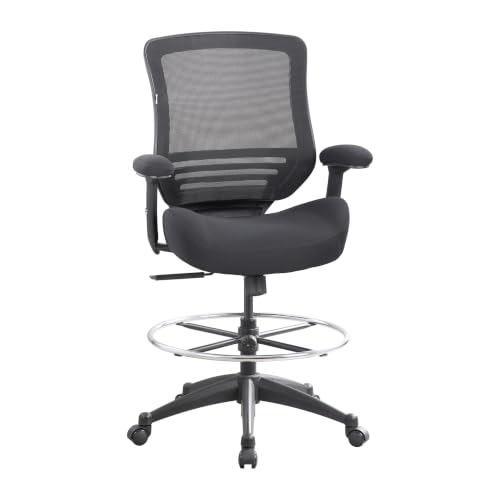
Seat height decides whether your feet rest flat and your drawing arm hangs level with the desk. Most studio chairs adjust from about 17 to 21 inches, while drafting models rise to about 30 inches. Set the seat so your elbow sits slightly above the tablet surface with your shoulder relaxed. A small forward tilt, sometimes called perch mode, opens your hip angle as you lean in, which helps with detailed line work.
Armrests That Move Clear of Your Tablet
Armrests cause illustrators a specific problem: a pad set too high or too wide lifts your drawing shoulder, and line quality suffers within the hour. Adjustable armrests should drop low, move inward and ideally pivot or remove so you can work close to the desk edge. Rest both arms for coloring, then lower the drawing side for inking.
Lumbar Support and a Breathable Mesh Back
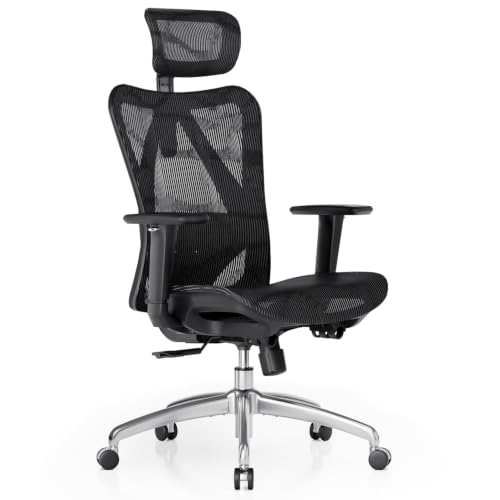
Lumbar support should meet the curve of your lower back and move up or down as your posture changes. Fixed foam bumps suit only a narrow range of bodies, while adjustable pads or tensioned mesh suit more. A mesh back lets air move on warm afternoons and flexes as you reach for supplies. On a padded back, check that the lumbar area feels firmer than the shoulder area.
Seat Depth, Cushioning and Room to Shift Position
Illustrators rarely sit still. You may sit cross legged to sketch, perch on the front edge to ink, then sit deep to review a piece. A seat about 18 to 20 inches deep, with two to three fingers of space behind your knees, suits most adults. High density foam holds its shape under those shifts better than soft foam, which can flatten onto the hard shell beneath.
Tilt Lock, Weight Capacity and Frame Strength
A tilt lock lets you hold the backrest upright for drawing, slightly reclined for screen work, or free moving while you think. Check that the lock feels firm at the angle you use most, not only fully upright. Weight capacity on most ergonomic models runs from about 250 to 350 pounds, so stay comfortably under the rating. A metal base ages better than thin plastic parts.
How to Match a Chair to Your Desk and Drawing Tablet
Measure before you buy. Note your desk height, then add the height of a raised tablet stand if you use one. Your seat should place your drawing elbow just above that height, with feet supported. If the right seat height leaves your feet dangling, you need a footrest or a foot ring, not a lower chair. Also check knee space under your desk.
If your work is mostly standard desk tasks, see our guide to the best office task chairs, our guide to the best officer chairs for a formal studio office, and our guide to the best quality chairs when build quality matters more than drawing specific adjustment. Then try the chair with one full length drawing in the first week, while returns are still simple.
Common Mistakes to Avoid
- Buying a tall drafting chair for a standard desk leaves feet unsupported and shoulders raised.
- Keeping armrests at full height while you ink lifts your drawing shoulder and tires it fast.
- Choosing a deep plush seat for perching work makes the front edge press into your thighs.
- Ignoring weight capacity speeds wear on the gas lift and can leave the seat sinking mid session.
- Judging comfort in a two minute sit misses aches that appear after two hours.
- Picking a chair too wide for a small studio makes you twist to reach supplies.
Care and Maintenance for a Studio Chair
Wipe mesh and fabric with a damp cloth weekly, because studio dust and graphite settle into the weave. Vacuum the seat crevice, and clean casters monthly so hair and thread do not slow the roll or scratch floors. Tighten base and armrest bolts about twice a year, since daily posture shifts loosen them.
Plan long term costs before you buy. Replacement casters, arm pads and gas lifts are the usual wear items, and common parts cost less to replace than unique fittings. Keep your receipt and warranty terms. A sound chair should serve through several years of projects.
FAQ
What features matter most in a chair for illustrators who draw for long hours?
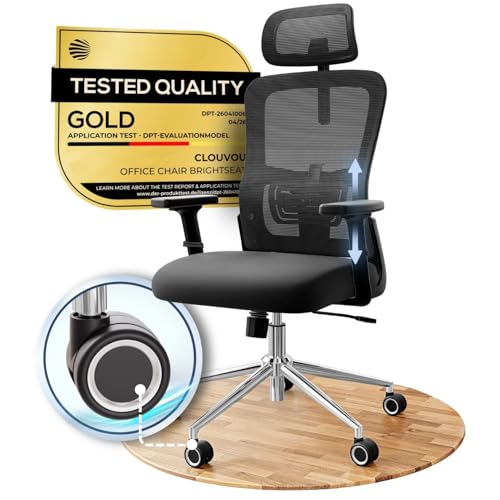
For long hours, seat height range, movable armrests and adjustable lumbar support matter most. One point many buyers miss is caster choice: hard casters suit carpet, while softer wheels roll quieter on hard floors. On wood, add a chair mat so rolling does not wear the finish.
Is an expensive chair worth it for an illustrator who draws part time?
An expensive chair is rarely worth it if you draw only a few hours a week. Part time illustrators gain more from a midrange chair with correct seat height and armrests that lower fully. Spend the savings on light quality first, since poor light makes you lean closer to see detail.
How long should a good chair for illustrators last with daily use?
A good chair used daily should last about five to eight years before major parts wear out. The foam usually softens first, so a replaceable seat pad can gain extra years cheaply. Keep the chair out of strong direct sun, because ultraviolet light dries fabric and plastic parts.
How do illustrators choose the right chair size for a drawing desk?
Illustrators choose chair size by matching seat height to desk height first, then checking seat depth against leg length. Add one extra check that the body section cannot cover for you: sit in your normal drawing shoes, not socks, because thick soles change your knee height and the armrest setting you will actually use.
Should illustrators choose a mesh back or a padded back on a studio chair?
Choose a mesh back if your studio runs warm, and a padded back if the room is cool and you like a softer feel when you sit back to review work. Mesh also shows dust less between cleanings, which helps in rooms where charcoal, pastel or paper fibers drift through the air.
Wrapping Up
Match the chair to your drawing surface first, then to your session length and budget. Seat height, movable armrests and honest lumbar support shape every drawing day, while premium frames repay only heavy daily use. Use the product table above to check adjustment ranges and price against your tier.
Chosen that way, the best chairs for illustrators become a tool choice, like a good pen. Set yours up carefully and let the work tell you whether the fit is right.