
Best Chairs for Guitar Playing for 2026: Which One Fits the Way You Use It?
Disclosure: We may earn a commission when you buy through links on this page, at no extra cost to you. As an Amazon Associate I earn from qualifying purchases. Learn more

Compare the best chairs for guitar playing by seat height, arm clearance, padding, and frame strength, with plain checks for practice rooms and lessons.
There is no single chair that suits every player, because a classical player, a relaxed strummer, and a teacher who sits through six lessons a day all ask different things from a seat. Shoppers comparing best chairs for guitar playing do better when they start from the way they actually play: how long a session lasts, where the chair will live, and how much room the guitar body needs. The comparison table below lays the main types side by side so the differences are easy to scan before you spend anything.
Guides filed under labels like best chairs for guitars often lump every seat together, but two checks decide most of the fit before style or padding even enter the picture. Seat height decides whether your feet rest flat and your fretting hand stays relaxed, and the arms decide whether the guitar body can sit against you without a fight. Get those two right and most chairs on a short list will feel workable within a week of practice.
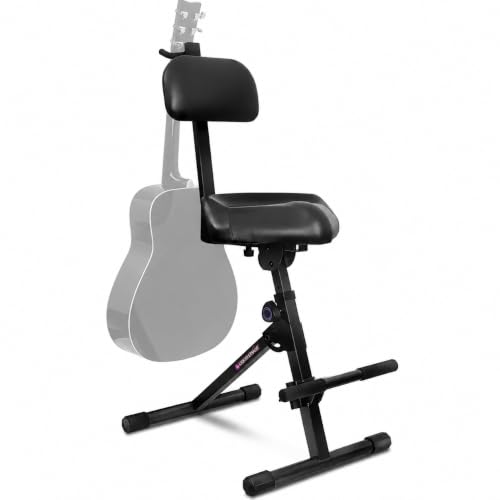

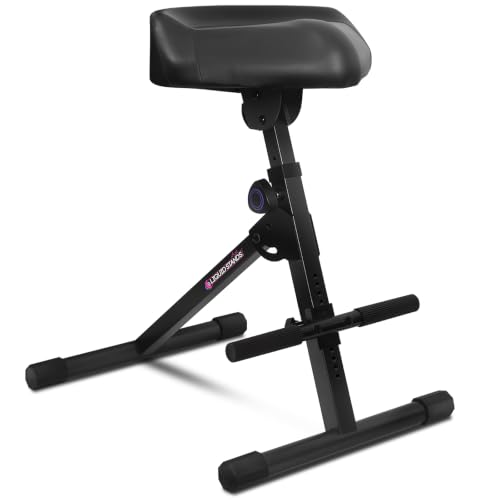


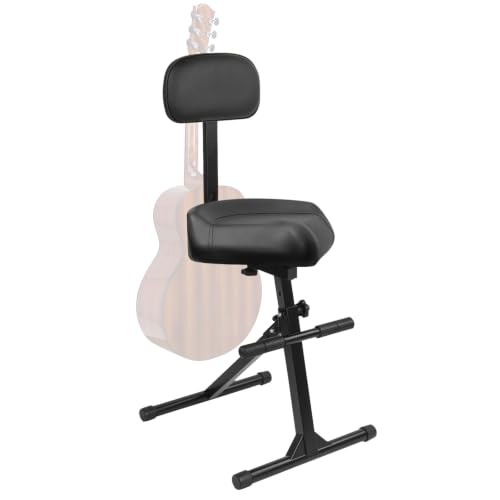
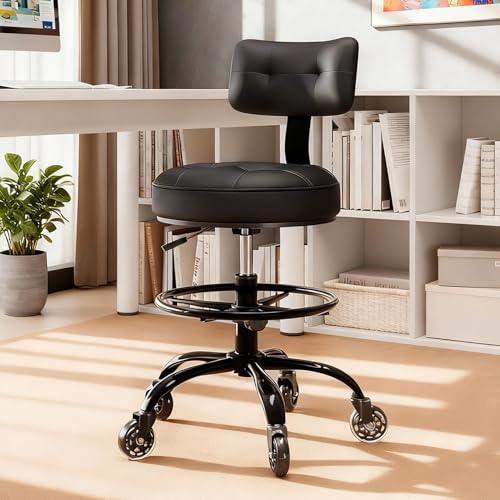
Who Should Buy Which Chair?
Start with the way you play, because the same chair can be a smart buy for one player and an awkward one for another. Dedicated designs are covered in our guide to best guitar chairs, while this article sorts the wider chair market by use, so you can match a seat type to your routine first and worry about finishes later.
For Players Who Want the Best Performance
Players who practice for hours, record takes, or teach all day need a chair that stays stable and quiet under constant small movements. Prioritize a firm seat that does not sag by the second hour, a height range that lets both feet rest flat, and arms that lift away or come off entirely so the guitar body is never crowded. A steel frame and a strong lift cylinder matter more here than plush padding. Expect to pay about $250 to $500 for this class, and treat a long warranty as a sign the maker expects daily use.
For Gift Shoppers
A chair given as a gift has to fit a player you may not be able to measure, so forgive and forget designs work best. Look for a mid range seat height that suits most adults, a neutral finish that fits any room, and simple assembly with clear instructions. A generous return window matters more than exotic adjustments, because the player may need to swap sizes. Most safe gift choices sit at about $100 to $250, and a padded seat with a moderate back suits the widest range of playing styles.
For First Time Buyers
New players do best with a simple, honest chair and money left over for strings, a tuner, and lessons. A fixed height seat or a single lever design is easy to live with, and a medium firm cushion teaches good sitting habits better than a deep lounge style seat. Avoid chairs with many levers you will never touch. Solid starter chairs run about $80 to $180, and at this level a stable base and a seat edge that does not press behind the knees are worth more than any premium finish.
Key Features to Compare
Build Quality and Frame
The frame decides how a chair feels after a year of daily practice, not just on the first day. A steel frame with a five point base resists the sideways rocking that playing involves, because players lean, reach for a pedal, and shift weight far more than desk workers do. Check the stated weight capacity and choose a chair rated comfortably above your own weight, since dynamic movement loads a chair harder than still sitting. A class 4 gas lift is the stronger cylinder class and is worth having if you adjust the height often.
Materials and Upholstery
Mesh backs breathe well in warm practice rooms and suit players who run hot during long sessions. Fabric seats grip clothing lightly, which helps the guitar stay settled against you, while smooth leather style finishes let you slide and reposition with less effort. Foam density matters more than foam thickness: a thinner seat in high density foam keeps its shape longer than a deep seat in soft foam. If the chair will live in a music room that doubles as a living room, a plain fabric in a dark color hides scuffs from cases and stands.
Ergonomics and Adjustability
Useful adjustment for a player is narrower than for an office worker. Seat height is the big one, because it sets the angle of your thighs and the reach of both arms. A tilt lock can help you settle during listening or theory work, but most playing happens upright, so treat recline features as secondary. No chair corrects posture on its own. A good seat only makes a supported position easier to hold, and standing up and moving around between songs does more for your back than any tilt setting or lumbar knob.
It also helps to keep neighboring purchases separate in your mind. Desk seating such as best officer chairs is built around keyboards and screens, not around a guitar body. Sound gear belongs to a different budget line again: guides to best monitors for guitar playing cover the speaker side of a practice setup, and best studio monitors for guitar playing refers to studio monitors, which are speakers for a desk setup, not chairs and not screens.
Features That Matter for Guitar Playing
Playing makes three demands that ordinary seating ignores. First, the seat front edge should fall away in a waterfall shape so it does not press behind the knees while your feet work a pedal or keep time. Second, the arms must lift away, fold back, or be absent, because a fixed armrest collides with the lower bout of the guitar. Third, the seat height range, commonly about 17 to 21 inches, must let you rest both feet flat with the guitar held at your natural angle. A strap holds the guitar against the player, not against the chair, so the chair only has to support the player well. Tall seating belongs to the same family, and our guide to best guitar stools chairs compares the stool and chair hybrids that some players prefer for standing height playing.
Common Mistakes to Avoid When Buying a Chair for Guitar Playing
- Buying a chair with fixed padded arms, then discovering the guitar body cannot settle against you without twisting your shoulder.
- Choosing by price alone and ending up with a thin lift cylinder that sinks slowly through every practice session.
- Ignoring the seat edge, so a sharp front edge presses behind the knees and shortens every session.
- Buying an oversized executive style chair for a small practice corner, leaving no room for a stand, an amp, or your feet.
- Skipping the warranty terms, even though the lift and the tilt mechanism are the parts most likely to fail first.
Setup and Care Tips
Set the seat height first: sit with the guitar in playing position and adjust until both feet rest flat and your forearms sit roughly level. Then play for ten minutes before judging, because a chair that feels odd for the first song often simply feels new. Between songs, stand up, roll your shoulders, and move for a minute. That habit, repeated through a session, supports your playing more than any single feature on the chair.
Care is simple. Tighten the base and arm bolts every few months, because playing movement loosens them faster than desk use does. Vacuum fabric seats or wipe smooth finishes with a damp cloth, and keep the chair out of damp rooms where metal parts and foam age quickly. If the lift starts to sink, replace the cylinder rather than the whole chair.
Frequently Asked Questions
What features matter most in chairs for guitar playing?
Seat height, arm clearance, and the seat front edge matter most. The height must let both feet rest flat, the arms must lift away or be absent so the guitar body fits against you, and the edge should fall away so it does not press behind your knees. Frame strength comes next, because playing involves constant small shifts of weight. Finishes, recline range, and headrests are pleasant extras, but they never rescue a chair that fails the first three checks.
What features matter most for long hours of guitar practice?
For long hours, firm support beats soft padding. A seat in high density foam holds its shape through a third and fourth hour, while a deep soft seat slowly lets you slump. A breathable back helps in warm rooms, and a stable base matters because tired players lean more. Plan your session as well as your seat: short standing breaks every half hour or so protect your hands and back better than any chair feature, and a footrest can help shorter players keep both feet grounded.
How long should a good guitar playing chair last?
A good chair should last about five to eight years of regular practice. The lift cylinder and the seat foam usually wear first, showing up as slow sinking or a seat that feels flat in the middle. Frames and bases often outlast both, which is why a chair with a replaceable cylinder is a smart buy. Chairs used for an hour a week may last far longer, while teaching chairs in daily use sit at the short end of the range.
Is an expensive chair worth it for guitar playing?
An expensive chair is worth it only when the extra money buys things a player can feel: a stronger lift, denser foam, arms that move fully out of the way, and a longer warranty. It is not worth it when the price buys styling, thick padding that will sag, or adjustments aimed at desk work. Many players are happiest in the middle band, about $150 to $300, where build quality is solid and the features stay focused on playing.
How do I choose the right size chair for guitar playing?
Measure yourself before you measure the chair. Sit on a hard seat with your feet flat and note the height from the floor to the back of your thigh; your chair seat should sit at or slightly below that height. Check the seat width against your hips with a little room to spare, and confirm the chair footprint fits your practice corner with space for a stand. If you play a large bodied guitar, favor a narrower seat and arms that move, because the instrument needs the room more than you do.
Wrapping Up
Three checks carry most of the decision: a seat height that lets both feet rest flat, arms that clear the guitar body, and a frame and lift rated for the way you play. Match those to your routine, whether that means daily teaching, evening practice, or a first chair on a small budget, and the rest is taste. The product table above gathers the main types in one place, so you can compare the best chairs for guitar playing against your own corner, your own guitar, and your own session length before you order.


