Best Chairs for Fidgety Students 2026: Every Type Explained Side by Side
Disclosure: We may earn a commission when you buy through links on this page, at no extra cost to you. As an Amazon Associate I earn from qualifying purchases. Learn more

Confused by all the options? We compare every type of chair side by side so you can choose the best chairs for fidgety students for your space and budget.
Some students think better when they can rock, swivel, or shift weight from side to side, and a fixed chair turns that energy into tapping, tipping, and constant standing. The best chairs for fidgety students give that movement a safe, quiet outlet at a desk. This guide compares the main types so you can use the comparison table below with a clear plan.
Start with where the chair will live. A classroom seat must stay quiet and stay in one place, while a home study chair can roll and recline more freely. Your space, desk height, and daily sitting hours will narrow the types fast.


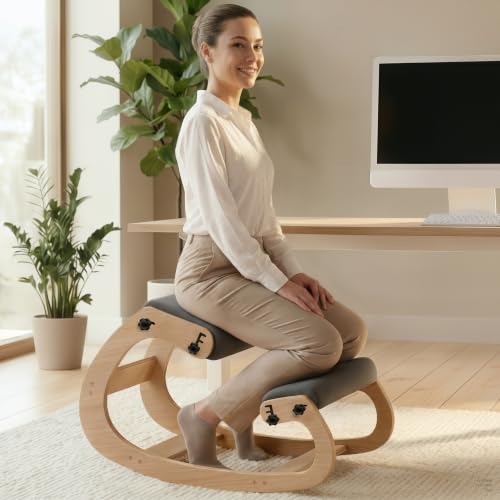
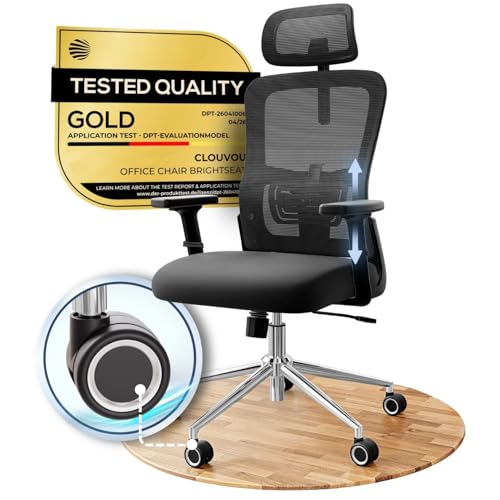
Types of Chairs for Fidgety Students, Compared
The types below differ in how the movement works, not just in price. A wobble base moves in every direction, a tilt mechanism rocks you back and forth, and a swivel base lets you turn without scooting. If movement is not your main need, see our guide to the best chairs for students instead.
Compact and Space Saving Models for Small Study Corners
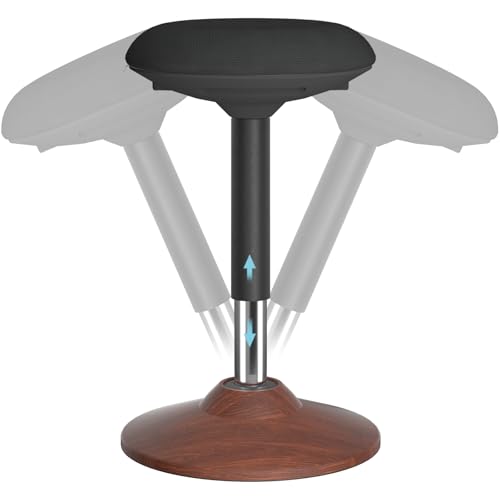
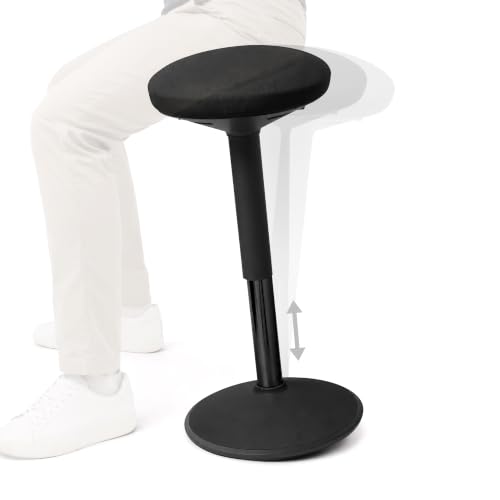
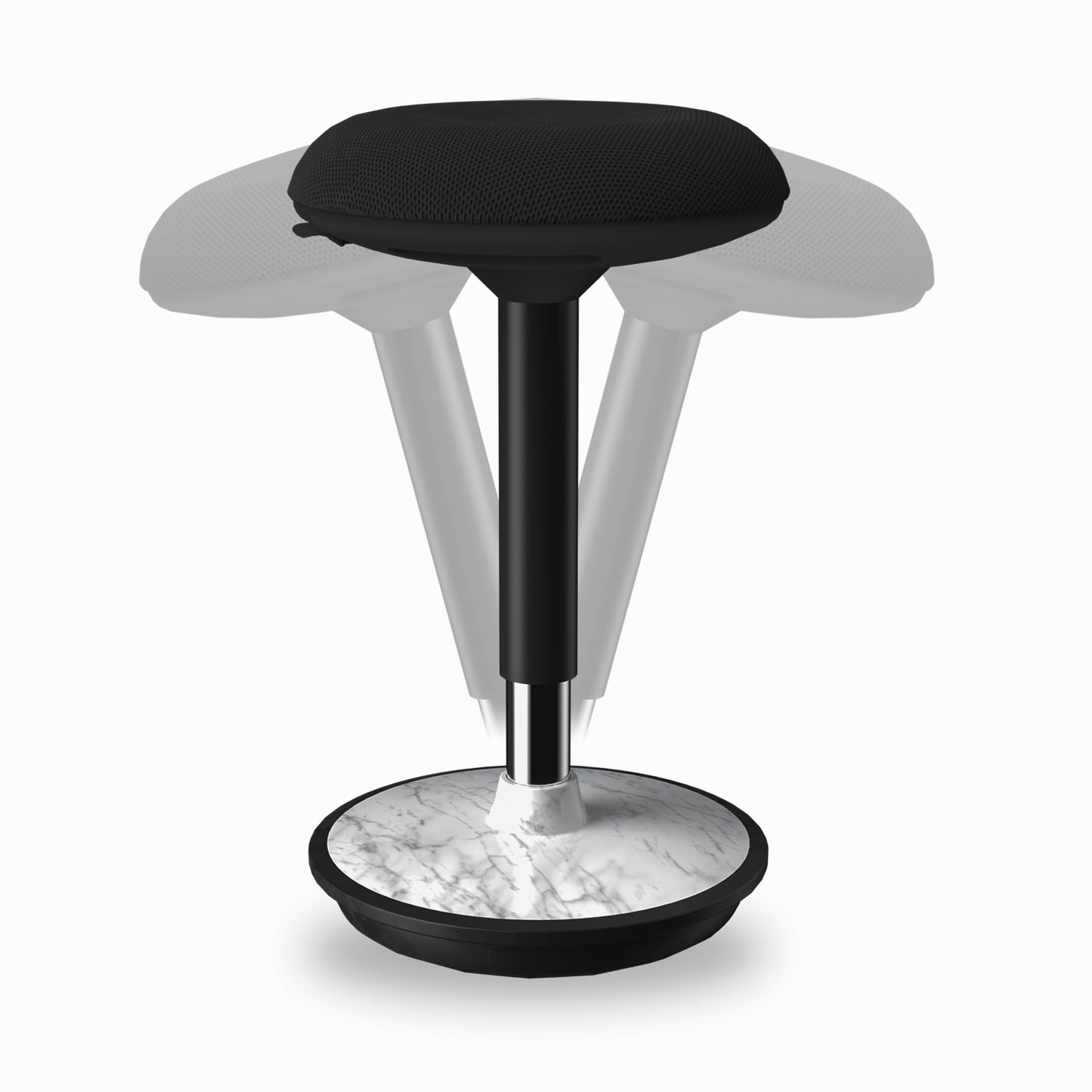
Compact models include wobble stools with a rounded base, small active stools that lean with you, and slim tilting chairs that tuck under a desk. They suit dorm rooms and classroom corners where a wide base would block walkways. Most cost about $80 to $180. The trade off is support, because many stools have no back at all. Choose this type for shorter study blocks and for students who like constant small movement more than a padded seat.
Budget Models That Still Allow Gentle Movement
Budget models are usually simple wobble stools, basic ball style seats with a fixed base, or plain swivel task chairs with one tilt control. Most cost about $60 to $120, and the lower price buys movement with fewer adjustments. Seat height may be fixed, padding is thinner, and the base may creak sooner. Choose this type to test whether active sitting helps focus before you spend more.
Ergonomic Models Built for Long Study Sessions
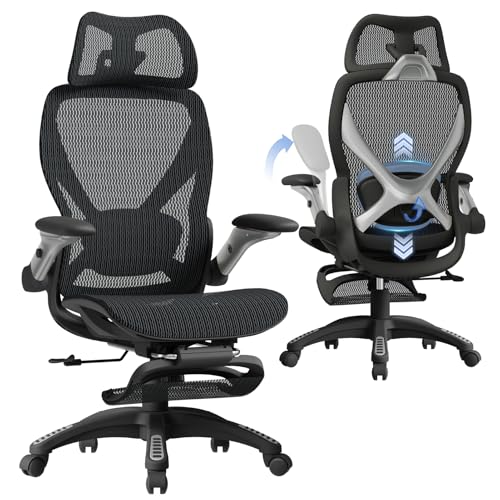
Ergonomic models pair controlled movement with real back support, so they suit students who sit for hours of homework or exam prep. Look for a mesh back, a seat in high density foam, lumbar support you can adjust, and a tilt lock that holds a gentle recline. Most cost about $150 to $350. Choose this type when focus matters, but comfort and posture support matter just as much over a long evening.
Compact Models vs Budget Models: Which Should a Fidgety Student Choose?
These two groups overlap in price, so compare them on fit rather than cost alone. A compact model wins on footprint, because it slides under the desk and leaves the floor clear. A budget model wins on variety, because at the same price you may get a back, casters, or a taller seat. A stool with a solid base is usually quieter than a cheap swivel chair with loose joints.
Neither group is ideal for a full day of sitting, and that balance is what best chairs for fidgety students need to strike. Pick compact if space is your hard limit and study blocks stay under about two hours. Pick budget if you need a back today and plan to upgrade later. For three or more hours a day, save toward the ergonomic group instead.
How to Choose the Right Chair for a Fidgety Student
Work through the five checks below in order, because size and safety come before fabric and color. For desk based options in general, see our guide to the best desk chairs for students once you know the size you need.
What Fidgety Students Should Look For First
Match the chair to the student, not to the room photo. Measure the student seated, with shoes on, from the floor to the bend of the knee, and pick a seat height close to that number so the feet rest flat. Shorter students need a shallower seat, because a deep seat pushes them forward and leaves their legs dangling. In a classroom, movement must stay small and predictable, so the student can shift without drifting into a neighbor.
Build Quality and Frame Strength
Movement stresses joints more than still sitting does, so the frame matters here. A steel frame and a five point base give a rolling chair its stability, while a wobble stool needs a thick base with no flex at the rim. Check the stated weight capacity and leave a clear margin above the student plus books on the lap. On gas lift models, a class 4 cylinder is the stronger common grade.
Ergonomics and Adjustability for Fidgety Students
Adjustability lets one chair keep fitting as a student grows. Desk chairs for students often adjust from about 16 to 21 inches of seat height, while fixed stools come in set heights you must match before buying. Adjustable armrests help arms reach the desk without shrugged shoulders, yet arms that sit too high will catch on the desktop. If a student reports ongoing back pain, leg numbness, or pain that keeps returning, stop adjusting the chair on your own and talk with a clinician about personal needs.
Features That Matter Most for Fidgety Students
Judge the movement itself first. Good active chairs let you rock, tilt, or swivel with steady resistance and then settle back to center, so motion feels controlled rather than loose. A tilt lock and a tension knob let you set how far back you lean and how much effort that takes. Look for a clear stop point, because a chair that can tip past its limit invites falls during a hard lean. Quiet parts count too, since a squeaking joint distracts a whole class. For supported study seating, see our guide to the best study chairs for students.
Materials and Upholstery for Daily Student Use
A mesh back lets air move during long sessions and flexes a little as you shift, while a fabric seat gives more grip, so you slide less when you rock. High density foam holds its shape longer than soft thin padding, which matters when the same spot takes your weight daily. Vinyl wipes clean after spills but can feel warm and slick. Molded plastic shells suit stools carried between rooms, and they shrug off scuffs that would mark a padded seat.
Common Mistakes to Avoid
- Buying a ball style seat that is too tall leaves the student perched above the desk with strained shoulders.
- Choosing free rolling casters for a hard floor lets the chair drift every time the student leans.
- Ignoring noise in a quiet classroom turns a helpful chair into a distraction for everyone nearby.
- Setting the seat so high that the feet dangle puts pressure behind the thighs and invites more squirming.
- Picking movement with no stable limit lets a hard sideways lean tip the chair and the student with it.
Tips to Get the Most From a Chair for Fidgety Students
Set the chair up once, properly. Adjust the seat height so the feet rest flat and the elbows sit near desk height, then set the tilt tension so a gentle lean moves the back without effort. Agree on a movement range for class time, such as rocking in place rather than rolling.
Care is simple but steady. Tighten bolts every few months, because constant motion loosens hardware faster than still sitting does. Vacuum fabric or wipe vinyl and mesh weekly, and check the base and lift for wobble or cracks. Stop using a chair that leans to one side until the faulty part is replaced.
Frequently Asked Questions
What makes a chair for fidgety students different from a regular student chair?
A chair for fidgety students is different because its base or tilt is built to move on purpose. A regular chair is made to stay still, so movement shows up as tipping on two legs or sliding the chair around. One point buyers miss is the reset, since a chair that returns to center on its own is easier for the next student to sit on safely.
What features matter most in a chair for fidgety students during class?
Quiet, contained movement matters most during class. Choose a base that rocks or swivels without rolling across the floor, and test the chair on the actual classroom floor before buying several. A one week trial of a single chair tells you more than any spec list, because you will hear every squeak and see whether the movement stays in the student space.
How long should a chair for fidgety students last with daily school use?
A chair for fidgety students should last about three to five years with daily school use. Wobble stools with few moving parts often reach the long end of that range, while gas lift chairs may need a new cylinder sooner. Replaceable casters or floor pads let you fix the parts that wear first instead of replacing the whole chair.
How do I choose the right size chair for a fidgety student?
Choose the size by measuring the gap under the desk as well as the student. The chair back and arms must slide under the desktop, or the student will sit too far away and lean forward to write. Bring the desk measurement when you shop, because the arms are the part that usually blocks a clean fit, and arm height is listed less often than overall chair height.
What features matter most in a chair for fidgety students during long study hours?
Back support and seat padding matter most during long study hours. Movement alone will not carry a three hour session, so look for lumbar support that meets the lower back and a seat that stays firm late in the day. Stand and stretch about every 30 to 45 minutes, because a short break restores attention better than bigger rocking as tiredness builds.
Final Thoughts
Put fit and controlled movement first, then noise, then price. A compact stool suits short sessions in tight rooms, a budget model lets you test active sitting for less, and an ergonomic model carries long study days. Check size, weight capacity, and desk clearance before you order.
Compare best chairs for fidgety students in the product table above with those points in hand, and the right type should stand out. Choose the calmest movement that keeps the student seated and working.