Best Chairs for Fat Guys: Our 2026 Checklist for a Stronger, Wider Fit
Disclosure: We may earn a commission when you buy through links on this page, at no extra cost to you. As an Amazon Associate I earn from qualifying purchases. Learn more

Best chairs for fat guys, judged by seat width, weight capacity, frame strength and cushion support, with a simple fit checklist for desks and homes.
A standard chair can feel wrong fast if the seat crowds your hips or the base flexes when you shift. This guide to best chairs for fat guys starts with fit and strength instead of looks, so you can judge any chair by the build that supports a larger body.
Use the checklist as you compare the comparison table below. You will learn how much capacity margin to leave, how to measure usable width, and which frame and cushion details hold up over time.
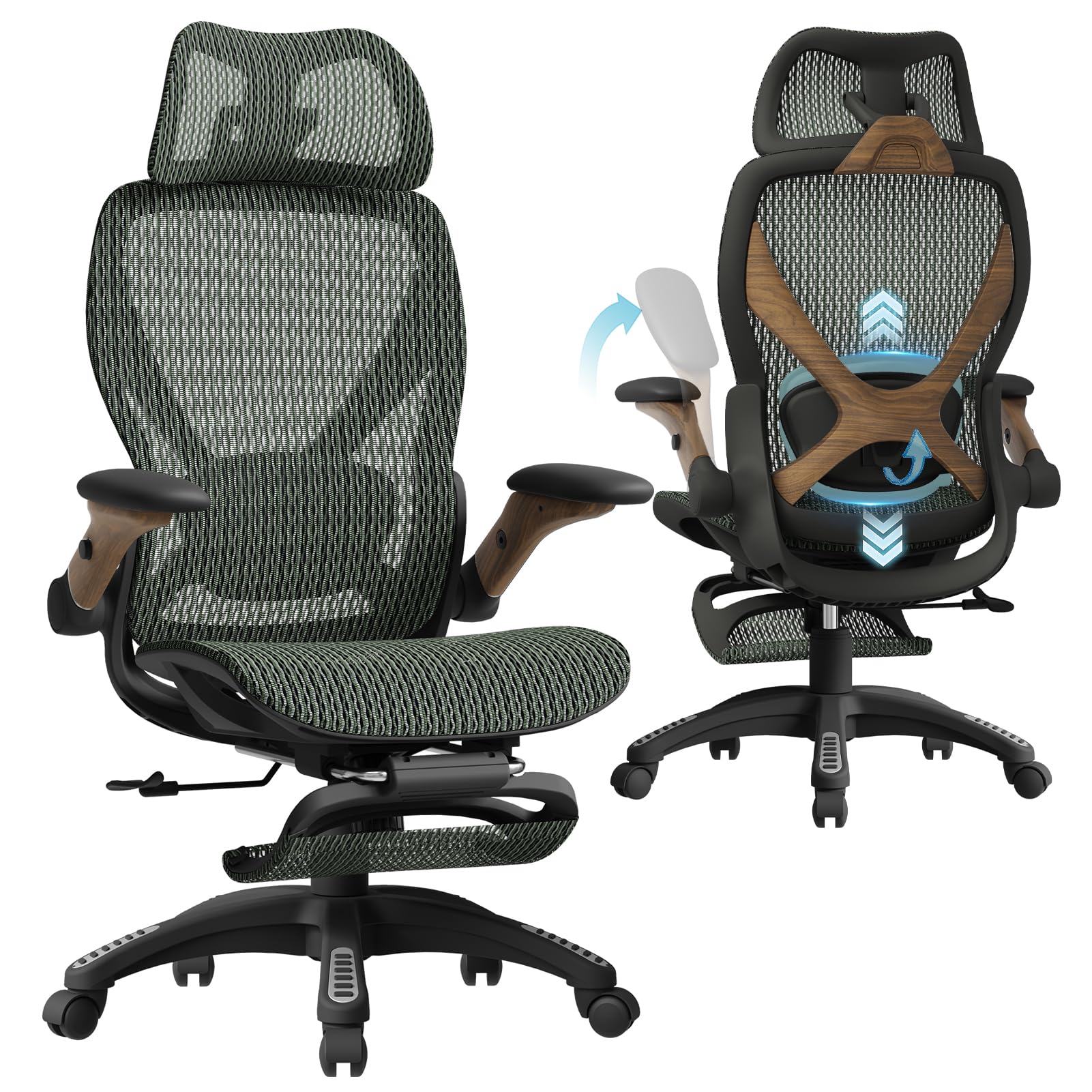

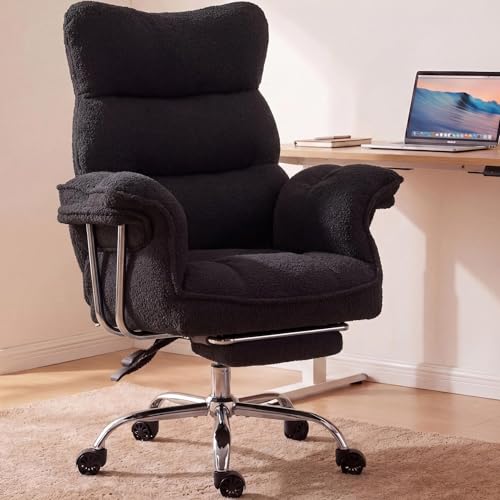
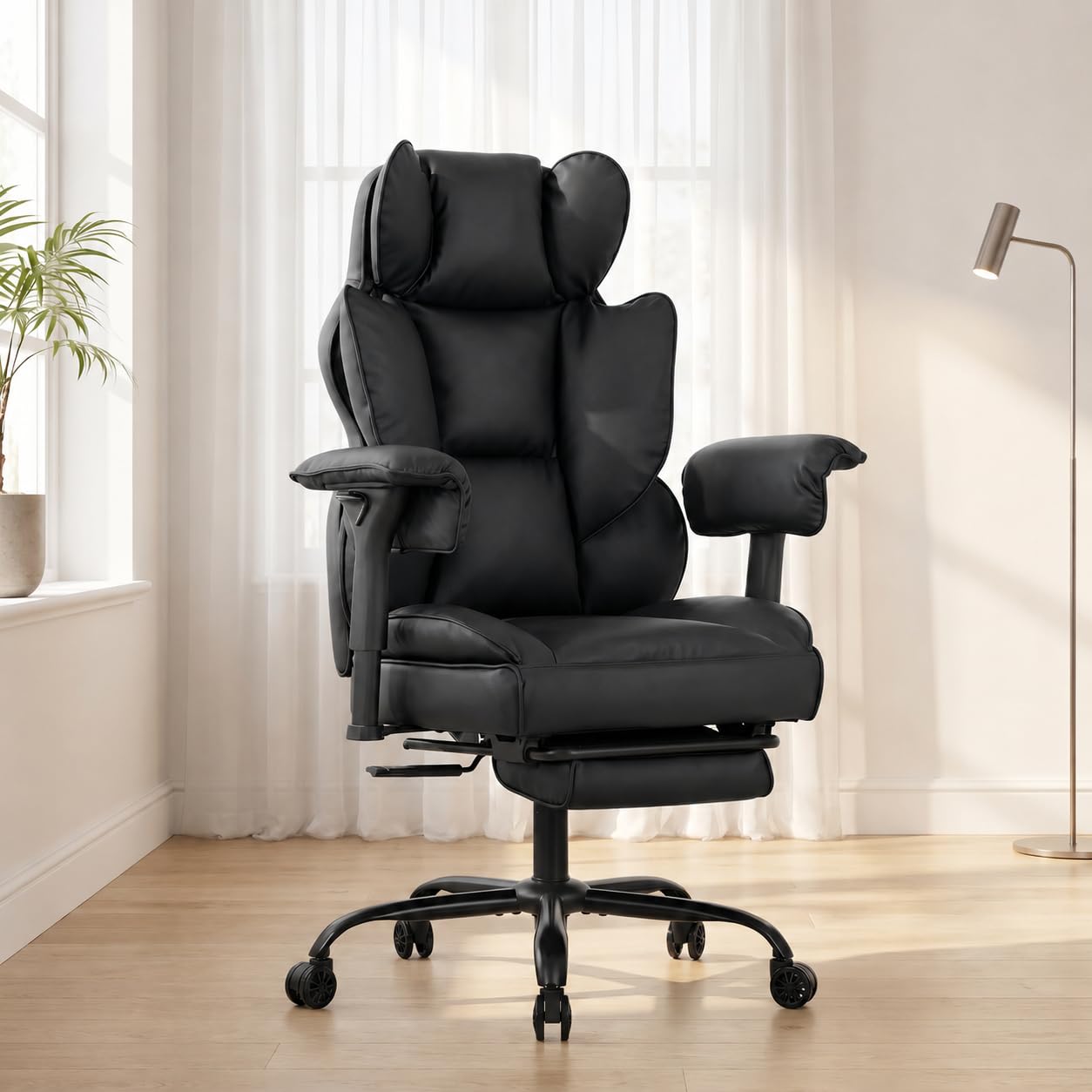


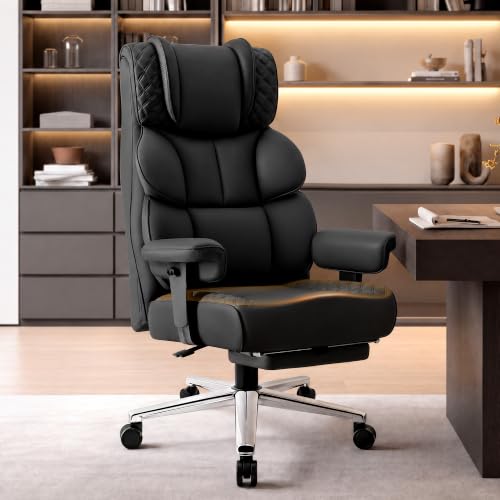
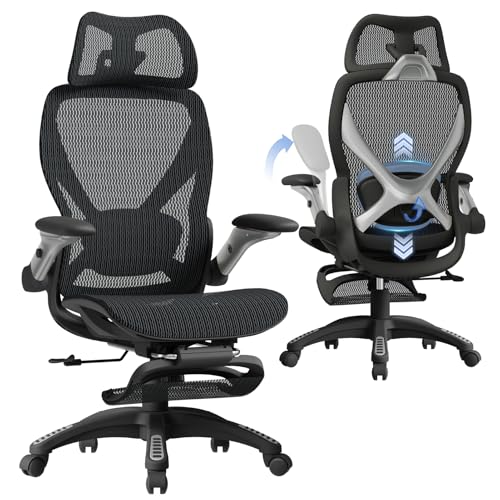
Who Should Buy a Wider, Stronger Chair?
Your sitting hours and where your body carries its width should decide the type you choose.
Men Who Sit at a Desk All Day
If you work or study at a desk for six hours or more, pick a chair that lets you change position without fighting it. Look for a flat wide seat, armrests that move outward, and a backrest you can lock in a slight recline. For desk only options, see our guide to the best office chairs for fat guys.
Larger Men With Broad Hips and Thighs
Your main problem is often pinch, not padding. Raised seat edges, racing style bolsters, and fixed armrests can squeeze your thighs and push you toward the front edge. Choose a flat seat with clear space between the armrests, and sit with your hips fully back before judging comfort. Outside width can hide a narrow middle.
Men Who Share One Chair at Home
A shared chair must adjust across bodies and tasks, from homework to games to an extra seat at the table. Prioritize simple controls, a height range that suits different leg lengths, and upholstery you can wipe clean. If gaming is the main use, compare styles in our guide to the best gaming chairs for fat guys.
Key Features to Compare
Read each listing in this order, from rated strength to ergonomic support. Capacity and usable width rule a chair out fastest.
Weight Capacity and a Real Safety Margin
Weight capacity is the highest load the maker rates the whole chair to carry, including shifts when you lean back or sit down quickly. Choose a rating comfortably above your current body weight, because a margin reduces strain on joints, welds and the lift. If a listing gives no rating, or gives different ratings on the same page, move on.
Seat Width and Depth for Natural Sitting
Measure usable width between the armrests or bolsters, not the widest point of the outside frame. Many larger men do well with about 22 to 26 inches of clear width, while depth of about 19 to 22 inches lets your back reach the backrest without pressure behind your knees. Leave roughly two fingers of space behind your knees when seated.
Frame, Base and Casters for Higher Loads
A steel frame, reinforced seat plate and wide five point base spread your weight better than thin molded plastic. Look for clear detail on base material, caster size and lift class, plus bolts that go into metal inserts rather than bare particle board. Larger casters roll with less effort on carpet. Wobble in a showroom usually points to loose joints.
Cushion Foam That Does Not Bottom Out
High density foam resists the flat, hard feeling that soft low density padding develops under a heavier load. A seat around 3 to 4 inches thick, with a firm base layer and a softer top layer, supports you while still feeling welcoming. A waterfall front edge reduces pressure where your thighs leave the seat. If you can feel the board through a showroom cushion, you will find it far sooner at home.
Armrests and Back Support That Adjust
Adjustable armrests should move in height and width, or flip up fully, so your shoulders can relax. Look for lumbar support you can move or remove, a backrest tall enough for your shoulder blades, and tilt lock settings that hold a gentle recline. A mesh back suits warm rooms, while padded upholstery feels softer in cool rooms. If you notice lasting numbness in your legs, new weakness, or back pain that keeps getting worse, talk with your clinician about personal needs and which signs need care sooner.
Capacity and Fit Checks Before You Order
Answer each question before you order. A no on the first three removes a chair from your list.
- Is the rated capacity comfortably above your body weight?
- Is the clear width between the armrests as wide as your hips?
- Can you sit fully back with a small gap behind your knees?
- Is the frame made from a clearly named strong material?
- Do the armrests adjust in width or flip up clear of your thighs?
- Does the seat foam feel firm at the base, not soft throughout?
- Will the chair fit under your desk and through your doorway?
- Does the warranty name the frame, base and lift, not fabric only?
Matching a Chair to Your Room and Routine
Each situation below moves different features to the top of your list. Compact space saving models suit small rooms, while full size desk chairs suit long hours. For a related take on sizing, see our guide to the best chairs for big guys.
Best computer chairs for fat guys
Computer work rewards small adjustments you repeat all day. Choose a seat height that lets your feet rest flat while your elbows sit near desk height, plus armrests you can lower before pulling close to a keyboard tray. A backrest that reclines a few degrees between tasks helps shift load off your sitting bones. Skip very deep seats, which make mouse work strain your shoulders.
Best racing chairs for fat guys
Racing style chairs copy the deep side bolsters of a car seat, and those bolsters are the first thing to check. Pick only flat or gently shaped seats where bolsters sit outside your thighs, and reject narrow bucket shapes. A wider back panel, a lumbar cushion you can reposition, and a lockable recline matter more than bold color panels or logos.
Best made chairs for fat guys
If lasting build matters most, judge how the chair is put together rather than how thick the padding looks on day one. Welded or bolted steel parts, a replaceable lift and casters, and a frame warranty of several years signal care in construction. Tight, even stitching and replaceable upholstery will usually outlast a glossy finish that cracks.
Best chairs for fat guys under 50
Budget models under $50 are simple seating, so spend on a flat wide seat with a steel tube frame and no casters or lift to fail. Folding and stacking styles can work for meals, crafts or guests, but ratings are often low, so check the stated capacity twice. Treat this price as part time seating, not an all day work chair.
Common Mistakes to Avoid
- Buying by outside width instead of clear seat width, so the chair arrives wide but still pinches your hips.
- Matching the capacity rating exactly to your weight, so normal shifting overloads the joints.
- Choosing deep side bolsters for a sporty look, so your thighs ache within the first hour.
- Ignoring doorway and desk measurements, so the assembled chair cannot reach its spot.
- Trusting a warranty headline without reading it, so you learn later that only fabric is covered.
- Keeping a chair that causes numbness or sharp pain, so a fit problem becomes a longer complaint.
Care and Maintenance for a Hard Working Chair
Set the seat height so your feet rest flat, then tighten every bolt again after the first two weeks, because new joints settle under load. Recheck bolts every few months and replace a cracked caster at once, since one bad wheel twists the base. Vacuum fabric and mesh weekly, and replace a sinking lift as a complete part.
Frequently Asked Questions
What matters most for fat guys buying a sturdy chair?
Start with capacity, clear seat width and frame material, in that order. Those three decide whether a chair can work for you at all, while color cannot fix a weak base. One point buyers miss is assembly help: a large chair can arrive in a box weighing 50 pounds or more, so plan a second pair of hands.
Is an expensive chair worth it for fat guys?
An expensive chair is worth it only when the money buys a stronger frame, replaceable parts and a longer frame warranty. Higher prices do not always mean a wider seat, so measure before assuming a premium model fits better. If two chairs share rating and width, the one with spare casters available usually costs less to own.
Which features help fat guys during long sitting hours?
For long hours, the ability to change position matters most, so favor a lockable gentle recline and armrests that move as you shift. Breathability also grows in importance, because a warm seat makes you restless. Stand and walk briefly each hour when work allows, since no cushion removes the need to unload your body regularly.
How long should a sturdy chair for fat guys last?
A sturdy chair used daily should last about five to eight years before major parts need replacement. Foam usually softens first, followed by casters and the lift, while a sound steel frame can outlast all three. Act on change: new wobble, a leaning seat, or padding that stays flat after you stand all call for repair.
How do fat guys choose the right chair size?
Sit on a hard bench and measure the width your body takes up, then add about an inch on each side for movement and clothing. Measure from your back to behind your knees for depth, and compare both numbers with the clear seat space listed. Measure in the clothes you normally wear at your desk for a true result.
Our Verdict
The right chair gives your body room first and style second: a rating with margin, clear width for your hips, a frame that stays quiet under load, and foam that supports you late in the day. Match the type to your hours and room, run the checklist, and let measurements overrule bold claims. Chosen that way, best chairs for fat guys become a simple fit decision, so compare your shortlist against the product table above.