
Best Chairs for Disabled in 2026: A Simple Buying Guide
Disclosure: We may earn a commission when you buy through links on this page, at no extra cost to you. As an Amazon Associate I earn from qualifying purchases. Learn more

A first purchase guide to chairs for disabled users, covering lift help, transfer access, seat support, sizing, shower safety and setup checks.
Buying a chair when standing, transferring, or sitting safely takes extra effort is different from buying ordinary seating. The best chairs for disabled users match how you get in and out, how long you sit, and where the chair will live. This guide walks through the specs in plain language so you can use the comparison table below with confidence.
Think first about the hardest moment of your day: rising from a low seat, sliding across from a wheelchair, or staying steady in a wet shower. Naming it early makes later choices clearer.





Chairs 101: The Basics for Disabled Seating
A chair for a disabled user is built around access and support, not only softness. It should hold you at a height you can manage, give you firm places to push or hold, and stay steady while your weight shifts. A plush chair can still fail at home if it sinks too low or wobbles when you lean on one arm.
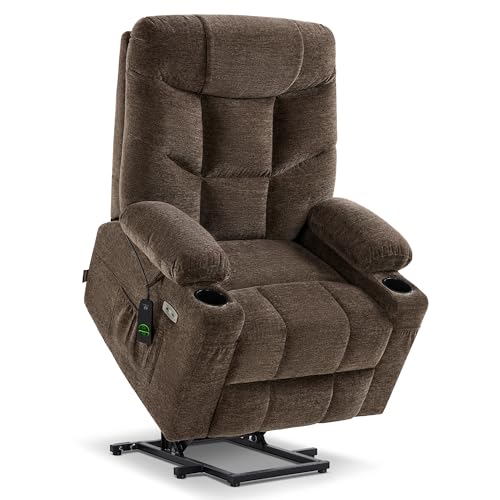
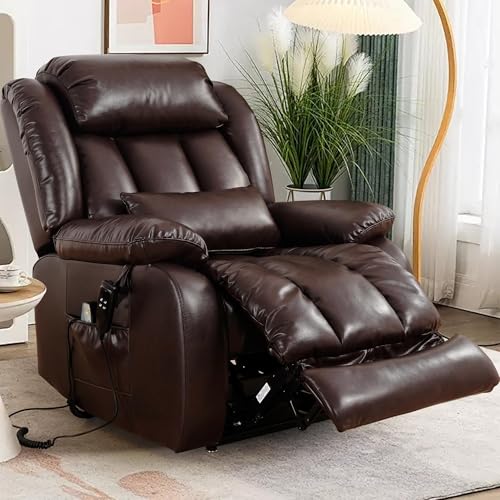
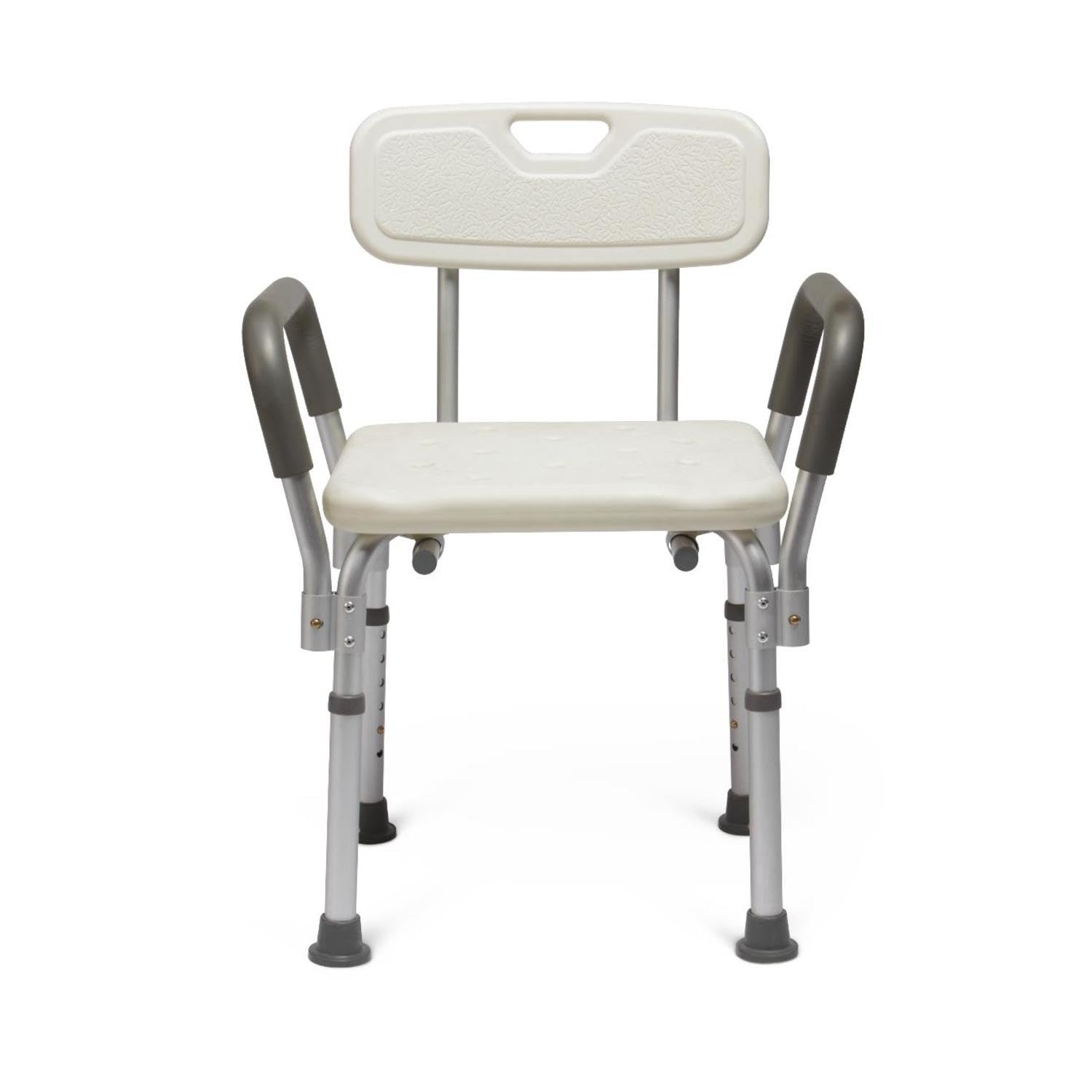
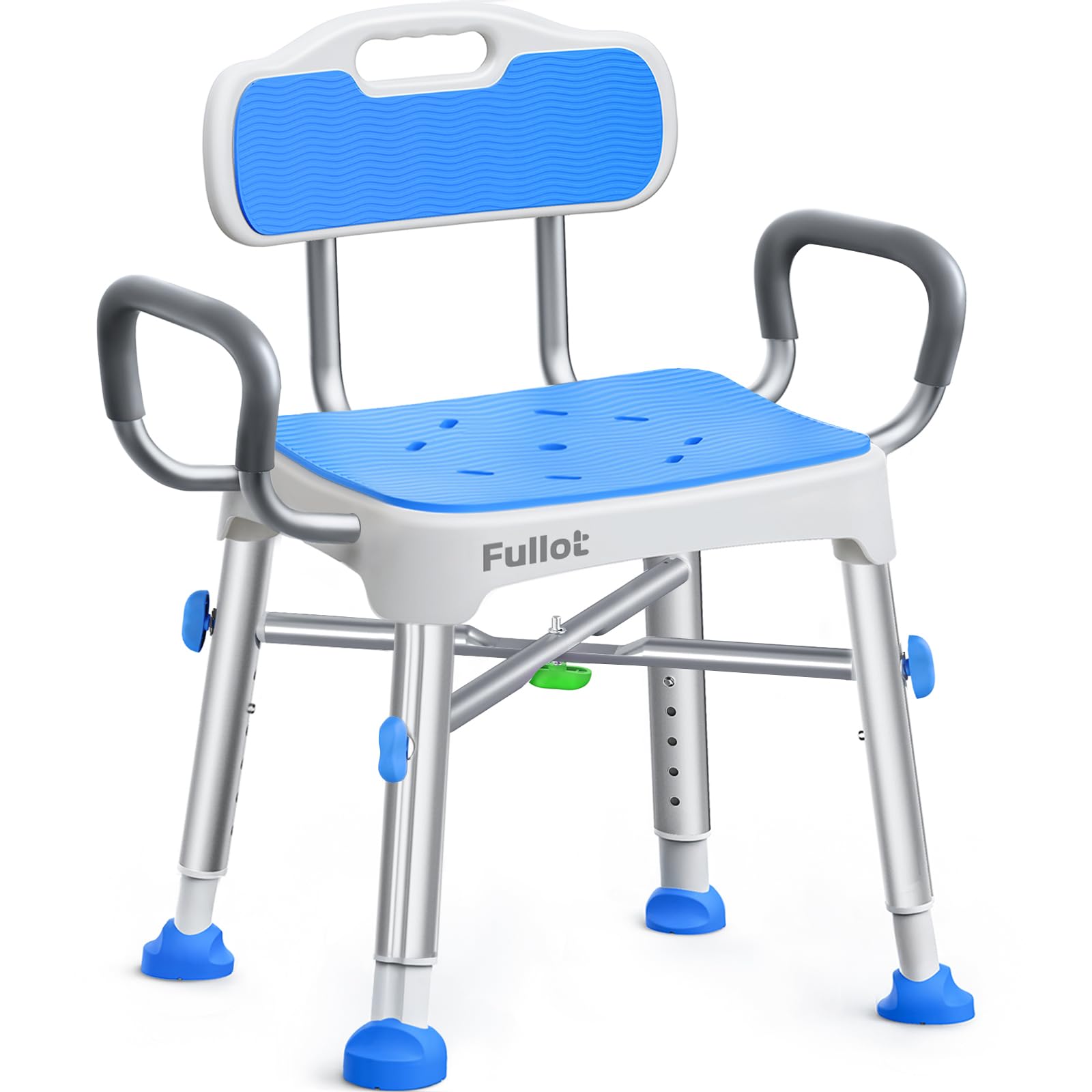
Most buyers choose between a few broad types. Lift recliners tilt and rise to help you stand. Transfer friendly chairs have open sides or arms that move away so you can slide across. Shower chairs are waterproof seats for bathing. Supportive everyday chairs are fixed seats with strong arms for dining and desk tasks. For desk work, see our guide to the best office task chairs, our guide to the best quality chairs for general indoor seating, and our guide to the best officer chairs for a formal office.
Key Features to Compare
Compare each chair in the same order: entry and exit first, support second, size third, and upkeep last.
Features That Matter Most for Disabled Users
The core need is a seat that spreads your weight evenly and stays firm at the front edge, where pressure builds as you prepare to stand. High density foam holds its shape longer than soft filling, which can let you sink. Seek medical help promptly if you notice a pressure sore, skin redness that does not fade after you shift position, new numbness, sharp pain, or swelling in your legs. Talk with your clinician or therapist about your personal seating needs before you buy.
Seat Height, Rise Help, and Recline Control
Seat height decides whether your feet rest flat and your knees sit a little below your hips, which makes standing easier for many people. Many supportive seats sit about 18 to 22 inches from the floor, while low lounge seats near 15 inches demand much more leg strength. Rise help and recline should move slowly and stop where you set them, with large buttons that suit limited hand strength.
Lumbar Support, Cushion Shape, and Back Height
Good lumbar support fills the curve of your lower back so you do not slump forward during a long sit. A shaped back with gentle padding works for most rooms, while a mesh back lets air move and feels cooler in warm spaces. A taller back supports your shoulders and head at rest, while a mid height back leaves your arms freer for eating.
Armrests, Transfer Access, and Frame Stability
Armrests on a chair for a disabled user are working tools, not decoration. Choose firm, flat arms that reach near the front of the seat so you can push down with both hands as you rise. Adjustable armrests help match shoulder height, and arms that lift up or swing away open the side for a sliding transfer from a wheelchair. Check that the frame feels steady when you press one arm hard.
Size, Dimensions, and Weight Capacity for Disabled Chairs
Measure the user before the room. Seat width should leave about one inch of space on each side of the hips, and seat depth should leave a small gap behind the knees. Check the listed weight capacity and stay well under it, counting anything held on your lap. Then measure doorways and floor space, because space saving models still need clear room in front for your feet.
Fabric, Cleaning, and Room Fit
Upholstery should match daily life in the room. Smooth, easy to clean covers suit dining and shared spaces where spills happen, while softer woven fabric feels warmer for long reading sessions. A shower seat needs a fully waterproof surface instead. For a lift recliner, also check wall clearance for reclining. Let cleaning and clearance decide before color.
Chair Types Grouped by the Task They Ease
The right type depends on the task the chair must make easier. That is why guides to the best chairs for disabled users group chairs by task rather than by style. Use the three groups below to narrow your search.
Best lift chairs for disabled
The best lift chairs for disabled users help most when leg strength is limited but you can still bear weight once standing. Look for a slow, steady lift that raises the whole seat and tilts it slightly forward, rather than one that tips you suddenly. A battery backup matters during a power cut, and a two button control is easier to learn than a remote with many modes.
Best shower chairs for disabled
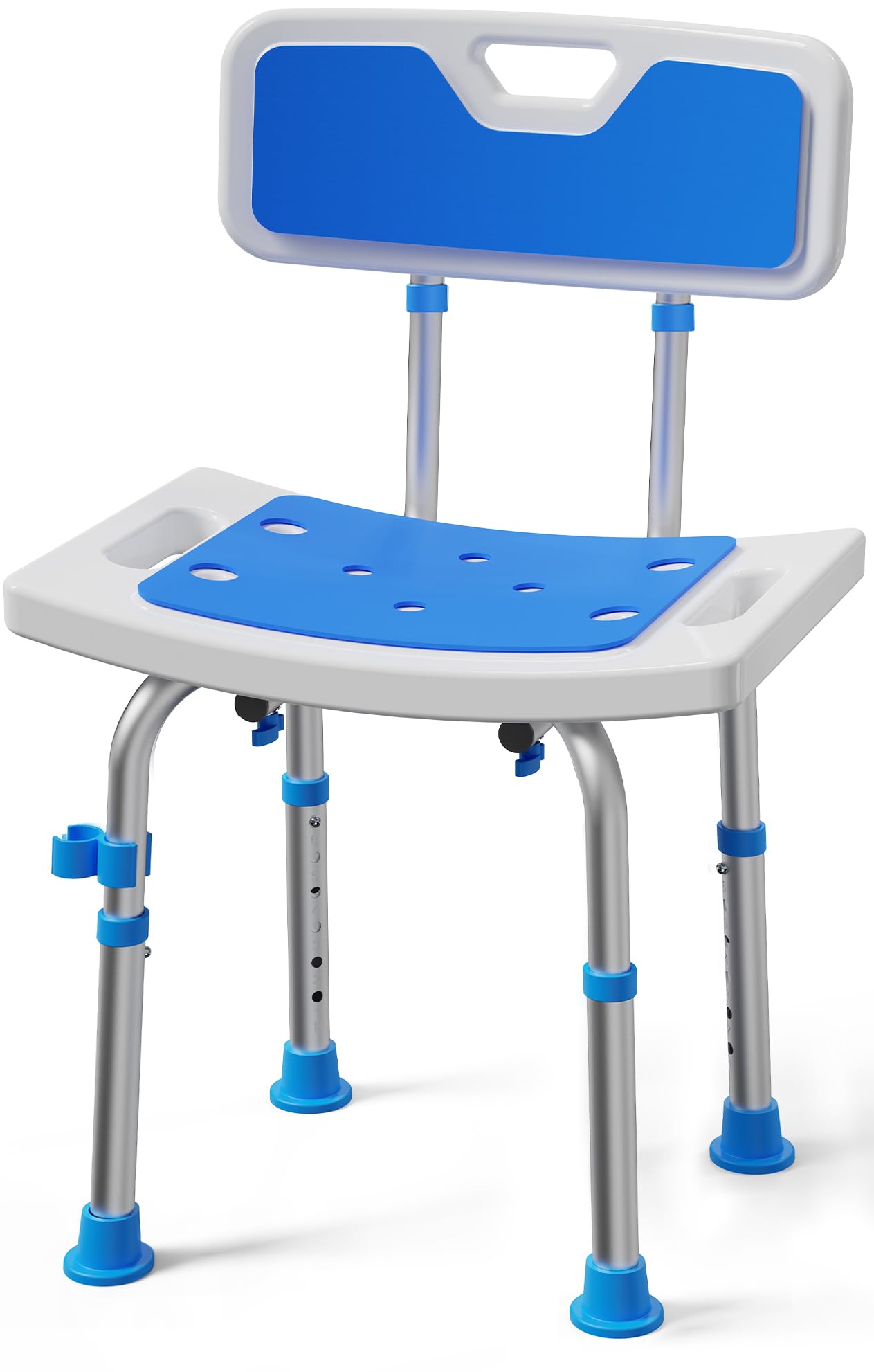
The best shower chairs for disabled users put safety in a wet room first. Choose legs you can adjust one at a time so the seat sits level on a sloped floor, plus wide rubber feet that grip tile. Drainage holes stop water pooling under you, and a seat with a cutout can make washing easier. Rust resistant frames help the chair last in constant moisture.
Supportive Everyday Chairs for Dining and Desk Use
A fixed supportive chair suits readers, diners, and desk users who can stand with arm support but do not need a powered lift. Prioritize a firm seat, arms that slide under your table, and feet that do not catch on rugs. An ergonomic shape with a slightly curved back keeps meals and paperwork comfortable, and this type is the easiest to move between rooms.
Getting Started: Setup and First Use for Disabled Chairs
Place the chair on a level floor with clear space in front and on the transfer side. For a powered model, route the cord where feet and wheels cannot roll over it. Tighten any bolts the manual lists, set seat height so your feet rest flat, and test locks and controls while empty.
For your first few uses, keep a helper nearby and practice the routine slowly: approach, lock any wheels, sit, shift into position, and stand again. Note where your hands land and whether your feet slip. Small changes can fix most early problems.
Common Mistakes to Avoid
New buyers tend to repeat the same errors after delivery.
- Choosing a very soft, low seat makes standing far harder and can leave you stuck without help.
- Skipping doorway measurements leaves you with a chair that cannot reach its room.
- Buying fixed, high arms blocks a sideways transfer and forces a risky lift instead.
- Ignoring the weight capacity lets the frame flex, wear out early, and feel unsteady.
- Placing a lift recliner tight against a wall stops the back reclining and strains the motor.
- Using a regular indoor chair in the shower invites slipping and water damage.
Care and Maintenance of Chairs for Disabled Users
Wipe covers weekly with a cloth dampened in mild soapy water, then dry them fully, because moisture trapped in seams can cause odor and weaken stitching. Check armrest pads and seat edges for cracks, since those areas wear first. Inspect bolts, joints, and caster locks every few months.
Rinse a shower chair after each use and stand it where air can reach every surface, because soap film left on feet reduces grip on tile. For powered chairs, check the cord and hand control for damage, and stop using the lift if movement becomes jerky.
Chairs for Disabled Users: Your Questions Answered
What features matter most in chairs for disabled users?
The features that matter most are safe entry and exit, a firm supportive seat, and controls you can manage with your own hand strength. Also test the return window at home, because a chair can measure correctly on paper and still feel wrong during a real transfer. Ask whether replacement cushions and arm pads are sold separately.
How do I choose the right chair size for a disabled user?
Choose the size by measuring the seated user, not by guessing from clothing sizes. Sit on a firm kitchen chair, measure hip width and the distance from the back of the knee to the floor, and compare both numbers with the listed seat width and height. If the user wears bulky braces daily, measure while wearing them. When two sizes both fit, the wider seat usually makes repositioning easier.
How long should a good chair for disabled users last?
A good chair for a disabled user often lasts about five to eight years of daily use, depending on type and care. Shower chairs live in constant moisture, so expect a shorter life. A creak that grows louder, a lift that slows under load, or a seat that stays dented are early signs that parts need service.
Is an expensive chair for disabled users worth the cost?
An expensive chair for a disabled user is worth the cost only when the extra money buys a function you will use daily, such as smoother lift motion or better pressure distribution. Higher prices can also bring stronger frames, which matter for heavier users. If the premium only pays for styling, a simpler chair in the about $200 to $500 range may serve you just as well.
What features matter most for disabled users who sit for long hours?
For long hours, even pressure spread and easy position changes matter most for disabled users. A seat that lets you shift weight without standing, plus a footrest that keeps your feet supported rather than dangling, helps during long reading sessions. Set a timer as a reminder to shift position.
Final Thoughts
Start with the moment the chair must make easier, then match seat height, arm support, and size to your body and room. Keep controls simple, leave clear space for transfers, and use the product table above to compare capacity, dimensions, and price.
When you shop for best chairs for disabled users with those checks in hand, the right choice is usually the simplest chair that lets you sit, rest, and stand with confidence.


