Best Chairs for Desk Work at Every Price: What Your Money Really Gets You for 2026
Disclosure: We may earn a commission when you buy through links on this page, at no extra cost to you. As an Amazon Associate I earn from qualifying purchases. Learn more

Best chairs for desk work compared by price tier, from budget to premium, with notes on lumbar support, seat comfort, sizing and adjustability.
Desk chairs sell at almost every price you can imagine, from under $100 to several times that amount, and the listings rarely explain what the extra money actually buys. The best chairs for desk work are not always the priciest ones. They are the ones whose seat, backrest, and adjustments fit your body and your workday. This guide breaks down what each price tier usually delivers, which upgrades earn their cost, and which extras you can skip with confidence.
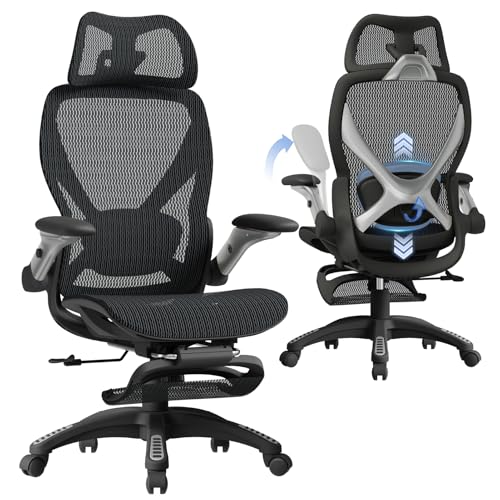
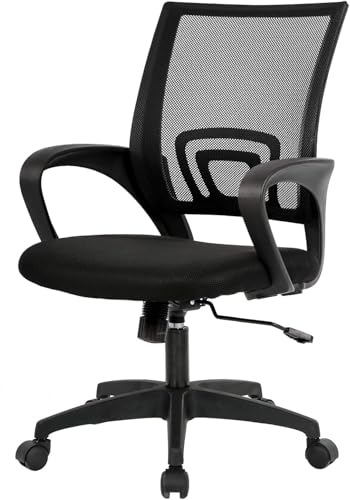
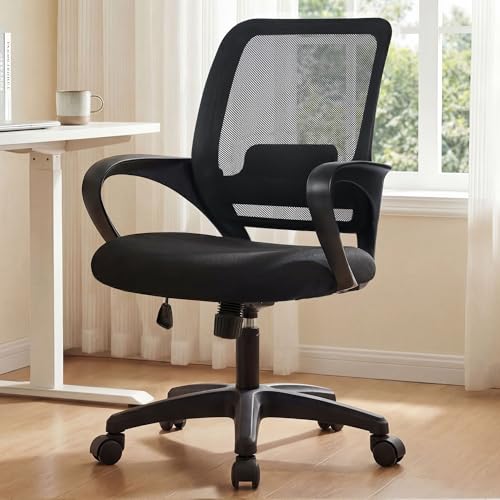
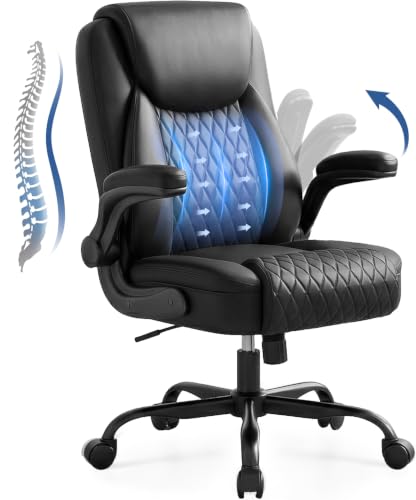
Start with the comparison table below to see how current models line up on price and core features, then read on for the detail behind those numbers. The sections that follow focus on fit, build, and long term value.
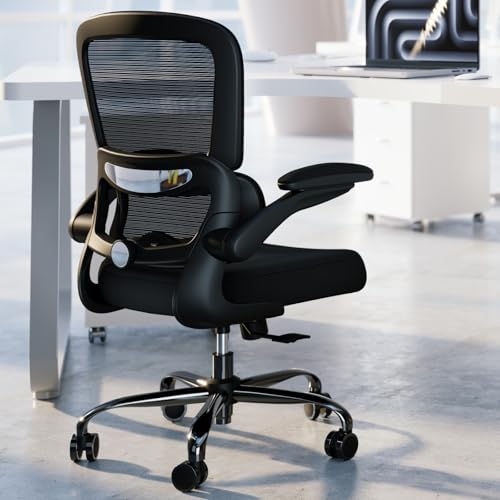
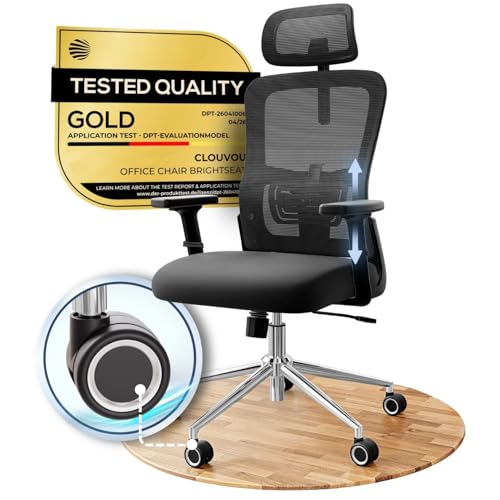
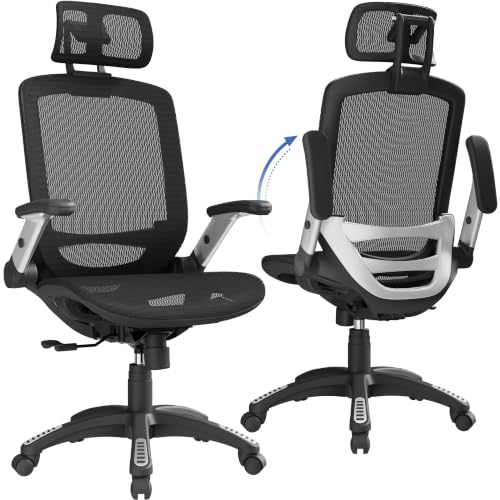

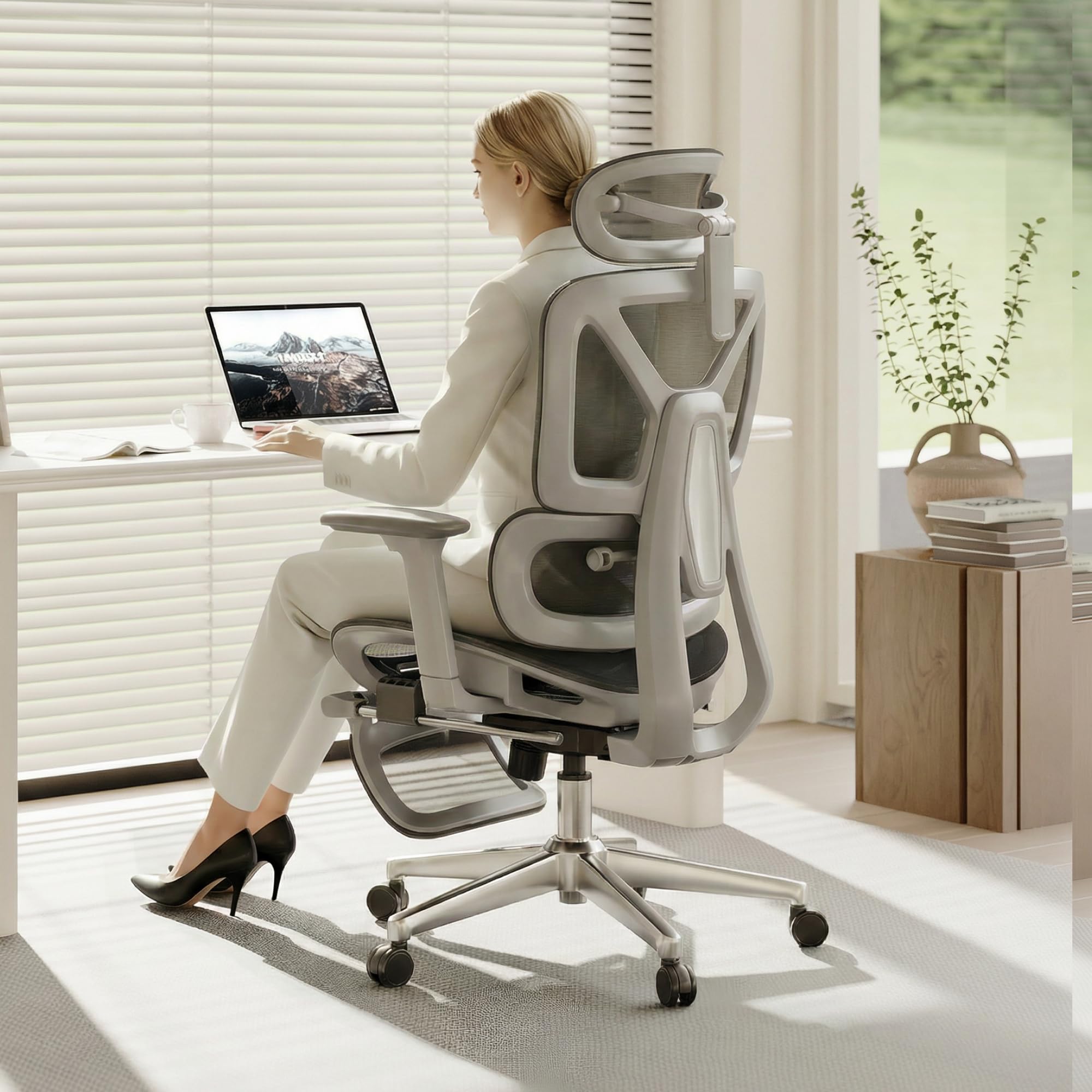
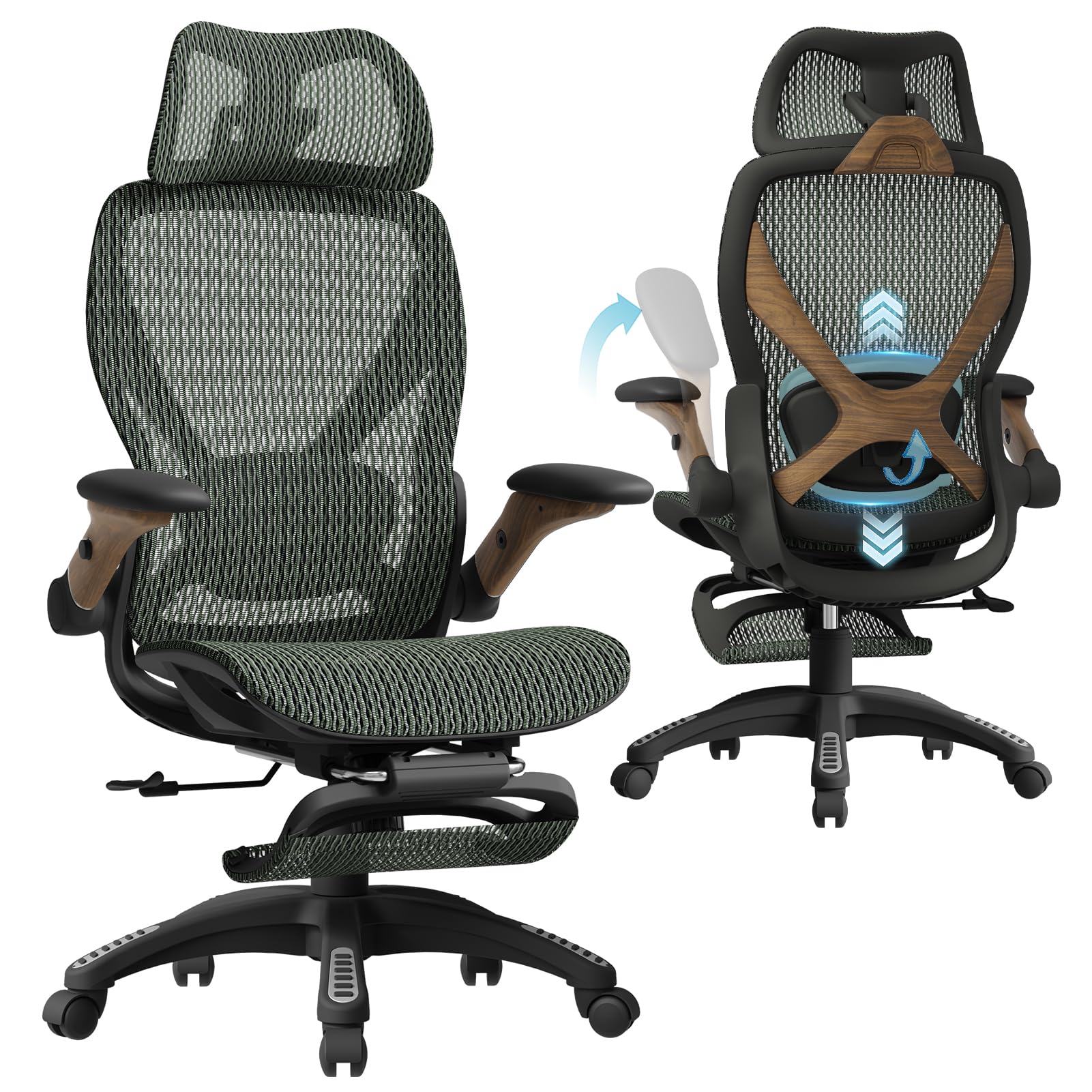
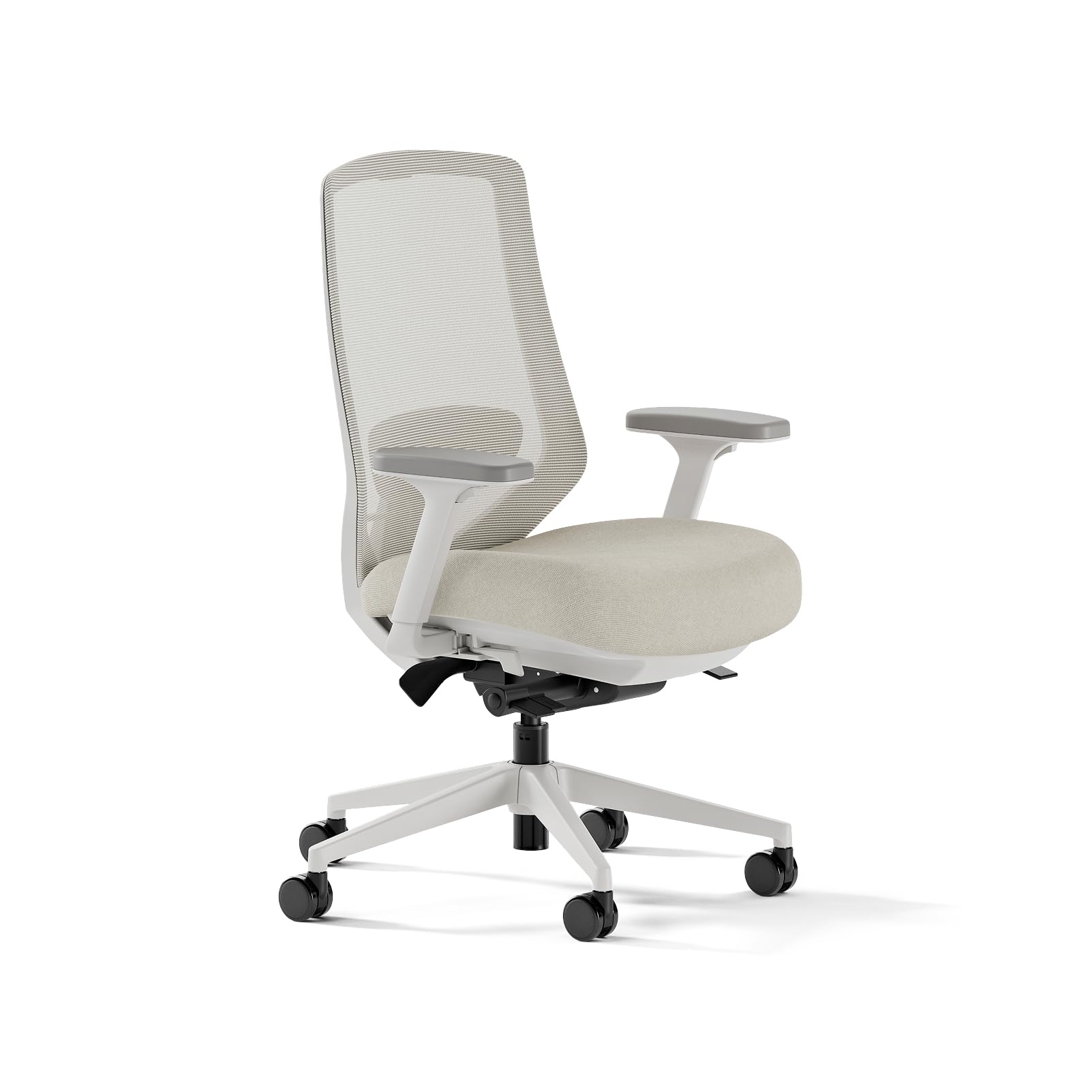
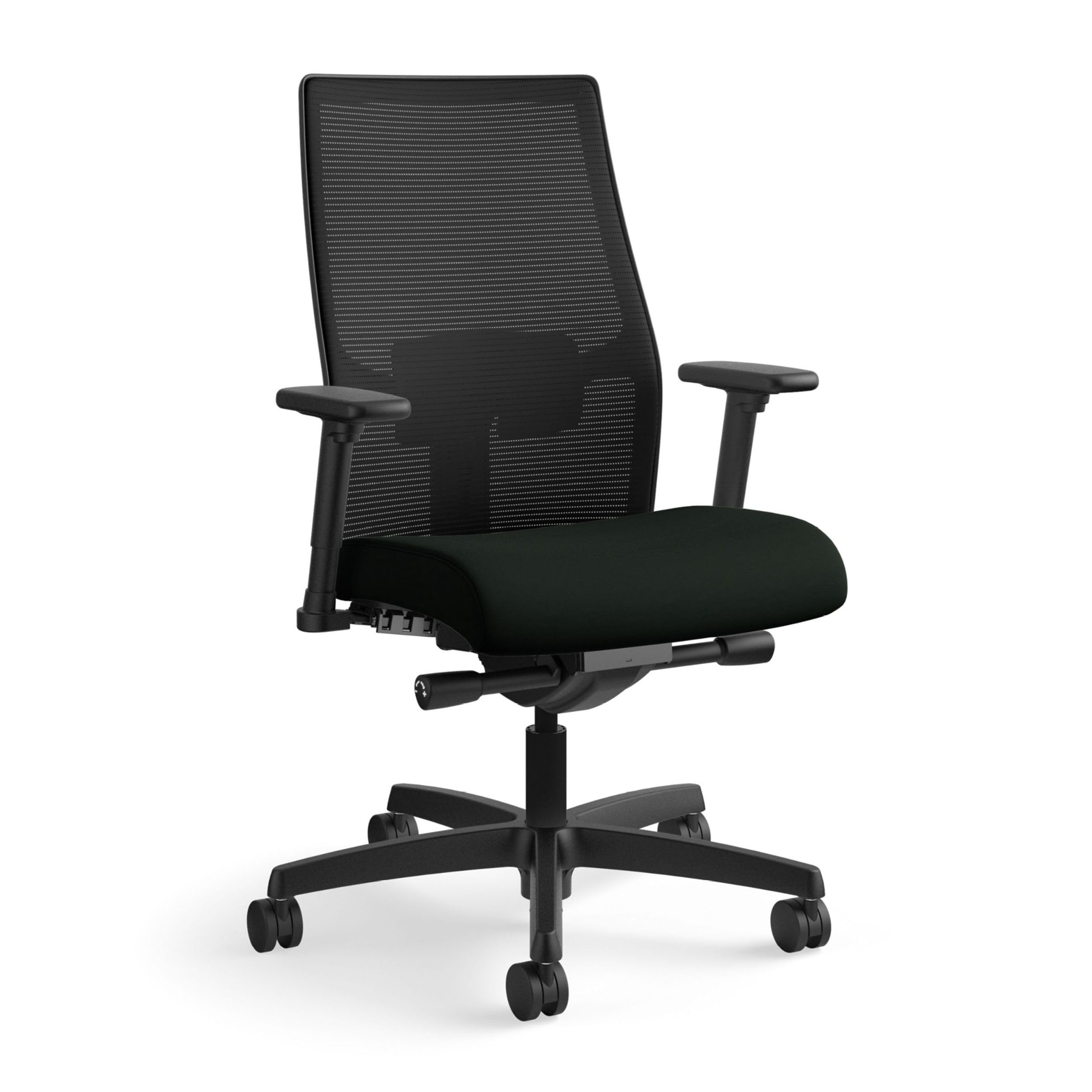
How to Shop by Budget Without Guessing
Before you compare individual models, decide what your budget needs to accomplish. Hours matter more than job titles here. A chair used for two hours of evening email can be simple, while a chair that carries you through full work weeks needs real adjustability and a frame that holds up. If you are still comparing broader styles first, see our guide to the best work chairs.
Set Your Budget Around Your Hours
Count the hours you truly sit each week, including meetings, focused work, and time at the desk after dinner. Under ten hours a week, a simple chair with a padded seat and a supportive back shape can serve you well. Between twenty and forty hours, adjustment range becomes the priority, because small fit problems repeat thousands of times. Full time remote workers should budget as if the chair were office equipment, since it effectively is. If you are setting up a dedicated home office, compare best work from home desk chairs as well.
Match the Tier to Your Workday
Each price tier solves a different problem. Budget chairs solve the problem of having no proper chair at all. Midrange chairs solve fit problems, with adjustments that let the chair adapt to you. Premium chairs solve durability and fine tuning problems, with stronger parts and more precise controls. Naming your problem first keeps you from paying premium prices to solve a budget level problem.
Decide Where Extra Money Goes First
When you can only afford one upgrade, spend it on the seat and the adjustment range rather than on appearance. A thicker, better shaped cushion and a backrest that moves with you will affect every hour you sit. Headrests, footrests, and leather look finishes change how a chair photographs, not how it supports you. Write down your top two needs before you shop, and drop any model that misses both.
What Your Money Gets You at Each Price Tier
Price tiers in this category are fairly consistent on Amazon in the US, so the ranges below are a useful map. Exact prices move with sales, but the feature pattern at each level stays much the same, and it is the pattern that separates the best chairs for desk work from the rest.
Budget Tier: What to Expect Under $150
Chairs under about $150 usually give you a molded foam seat, a fixed or simply tilting backrest, basic height adjustment, and armrests that are fixed or flip up out of the way. Many use a mesh back, which breathes well in warm rooms. What you give up is range: seat depth rarely adjusts, lumbar support is often just the curve of the backrest, and weight capacity commonly tops out around 250 pounds. For part time use, that trade can be perfectly reasonable.
Midrange Tier: The Sweet Spot for Most Buyers
Between about $150 and $400, chairs start to fit a much wider range of bodies. Expect adjustable lumbar support, armrests that move in at least two directions, a tilt lock that holds several recline angles, and denser seat foam that resists flattening. Weight capacity often rises to around 300 pounds, and warranties lengthen from one year to three or more. For most full time desk workers, this tier delivers the best balance of comfort, adjustment, and price.
Premium Tier: When Spending More Pays Off
Above about $400, you pay for refinement and longevity rather than basic comfort. Premium chairs add seat depth adjustment, four way adjustable armrests, polished metal bases, and gas lifts rated for heavier loads and longer service. Backrests may flex in sections so the lumbar area stays supported as you shift position. Warranties of ten years or more are common. The payoff shows up in year five, not week one, so premium pricing suits people who sit all day and keep a chair for many years.
Features Worth Paying For, and Ones to Skip
Feature lists can make a weak chair sound impressive. The factors below are the ones that genuinely change how a desk chair feels and lasts, plus a few popular extras that rarely justify a higher price.
Size, Dimensions, and Weight Capacity
Measure your space and yourself before ordering. Note the desk height and the width of the knee opening under the desk. Seat height range matters most: your feet should rest flat on the floor with your knees near a right angle. Check the listed weight capacity and stay comfortably below it, since a chair used near its limit wears faster and flexes more. Your chair and desk must also work as a pair, so review the sizing advice in our guide to the best work desks before you buy either piece.
Seat Comfort and Cushion Materials
The seat carries most of your weight, so its material shapes your whole day. High density foam holds its shape longer than the soft, thin padding on the cheapest chairs, and it spreads pressure more evenly across your thighs. A waterfall front edge, where the cushion curves down gently, reduces pressure behind your knees. Mesh seats feel cooler but can feel firm to lighter users. If you often sit with one leg tucked under you, choose a wider, flatter seat pan rather than a deeply sculpted one.
Build Quality and Frame
A strong frame is the quiet difference between tiers. Look for a steel or reinforced nylon base with five casters, a metal seat mechanism under the cushion, and a class 4 gas lift, the sturdiest common rating for the height piston. Plastic bases and lower class lifts save money but can develop wobble and slow sinking over time. Caster type matters for your floor too: standard nylon wheels suit carpet, while softer polyurethane wheels roll more quietly on hardwood.
Ergonomics and Adjustability
Good ergonomic design means the chair adapts to your posture through the day. Prioritize adjustable lumbar support that you can move up, down, or deeper, a tilt lock with at least two or three positions, and tension control so reclining feels smooth rather than abrupt. Adjustable armrests should reach a height where your shoulders stay relaxed while you type. If you want a deeper look at posture focused models and fit checks, browse our guide to the best ergonomic desk chairs after you finish here.
Warranty and Return Policy
Warranty terms reveal how long the maker expects the chair to last. Read which parts are covered and for how long: frames and bases often carry longer coverage than gas lifts, casters, and armrest pads. A ten year frame warranty with only two years on the lift tells a different story than full coverage for a decade. Return terms matter just as much, because a chair can feel fine for ten minutes and wrong after three days. Favor listings that let you sit through several full workdays before the return window closes.
Extras That Rarely Earn Their Price
Some features sell chairs without improving them. Built in massage units with USB plugs add weak vibration, extra cables, and one more part that can fail. Attachable footrests suit occasional lounging but do little during focused typing. Faux leather finishes look smart in photos yet often peel in warm rooms after a couple of years. Shoppers who care most about appearance should weigh fabric and mesh options in our guide to the best looking desk chairs before paying extra for a finish that ages poorly.
Long Term Costs to Factor In
The purchase price is only part of what a desk chair costs you. Replacement casters, a new gas lift, and armrest pads are common midlife expenses, and they are easier to find for popular models with standard fittings. A chair that costs about $250 and needs about $40 of parts in year four may be cheaper to own than a budget chair replaced entirely in year three. Assembly time counts too: most chairs arrive in parts and take twenty to forty minutes to build. A durable chair kept for a decade also avoids the hassle of hauling away two or three short lived ones.
Common Mistakes to Avoid
- Buying by appearance alone, which leaves you with a chair that photographs well but offers no real lumbar support.
- Ignoring the weight capacity, which leads to faster wear, creaking, and a gas lift that sinks under load.
- Skipping desk measurements, which can leave armrests too tall to slide under the desktop.
- Choosing the smallest chair to save money, which cramps taller users and forces a hunched posture.
- Keeping a chair that still hurts after a fair trial period, which turns a returnable purchase into years of daily discomfort.
- Paying for massage and lighting extras, which adds cost and failure points without improving support.
Care and Maintenance for Desk Chairs
A little routine care keeps a desk chair comfortable and quiet. Every few months, turn the chair over and tighten the bolts under the seat and armrests, since daily movement slowly loosens them. Clean casters with a damp cloth and pull out hair and thread, which drag on the wheels and strain the base. Vacuum mesh backs and fabric seats, and wipe vinyl surfaces with a mild soap solution rather than harsh cleaners. If the chair starts to sink, the gas lift is wearing out, and replacements usually swap in with basic tools. Keep the chair out of long hours of direct sunlight, which fades fabric and weakens plastic parts.
Frequently Asked Questions
What features matter most in a chair for desk work?
The features that matter most are adjustable seat height, supportive lumbar support, and a seat cushion that stays comfortable for hours. Together they decide whether your feet rest flat, your lower back keeps its natural curve, and your thighs avoid pressure points. Armrests that adjust and a tilt lock come next in importance. Decorative extras rank last, because none of them change how your body feels at the end of a workday.
Which desk chair features matter most for long hours of sitting?
For long hours, dynamic movement matters most, so look for a backrest that reclines smoothly and locks at several angles. Shifting position through the day spreads the load across different muscles instead of holding one posture. A seat with high density foam or breathable mesh also helps, since heat and pressure build up during long sessions. Standing up and walking briefly every hour still matters more than any single chair feature, whatever your budget.
Is an expensive desk chair worth the money?
An expensive desk chair is worth it when you sit full time and plan to keep it for many years. Higher prices buy stronger frames, better lifts, and warranties that can stretch past a decade, which lowers your cost per year of use. The comfort gap between midrange and premium is smaller than the durability gap, though. If your budget is tight, a well chosen midrange chair beats a premium chair bought at the cost of a properly fitting desk setup.
How long should a good desk chair last?
A good desk chair should last about seven to ten years with daily use, and premium models can go longer. Budget chairs often show their age in three to five years, usually through flattened cushions or a sinking lift. How you use the chair matters: staying within the weight capacity and tightening bolts now and then extends its life. Replace the chair when the seat foam stays compressed or the backrest no longer holds its angle, even if the frame still looks fine.
How do I choose the right size desk chair?
Choose the size by matching three measurements: seat height, seat depth, and seat width. Your feet should rest flat with the seat at its working height, and two or three fingers of space should fit between the seat edge and the back of your knees. Wider seats suit broader frames, while petite users often need a shorter seat depth so the backrest actually reaches their lower back. If you fall between sizes, pick the chair with the wider adjustment range rather than the larger fixed size.
Final Thoughts
Buying well in this category comes down to three things: honest hours, honest measurements, and a tier that matches both. Let the product table above anchor your shortlist, then check each candidate against your desk height, your body, and the warranty terms. When you find the fit that disappears under you during a long afternoon, you have found the best chairs for desk work for your budget, and you can order with confidence.