Best Chairs for Crafting for 2026: Everything to Know Before You Buy
Disclosure: We may earn a commission when you buy through links on this page, at no extra cost to you. As an Amazon Associate I earn from qualifying purchases. Learn more

Seat height, back support, swivel and storage explained for the best chairs for crafting at your table.
Shopping for best chairs for crafting is different from shopping for a desk chair, because crafting asks you to lean, reach, turn, and sit for long stretches at a table that may not match standard desk height. This guide explains the basics in plain language and walks you through each spec, so a first time buyer can compare options without getting lost in jargon. You will learn which features help during detailed work and which ones only add cost.
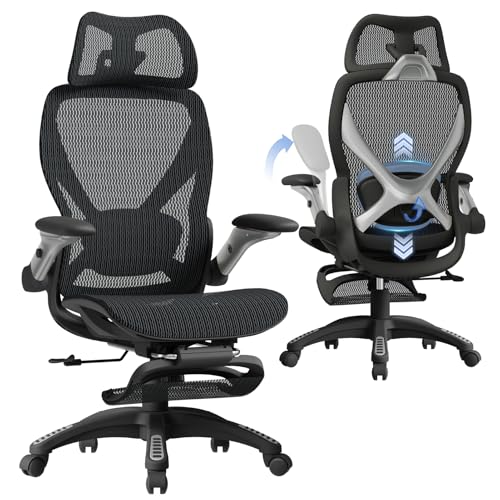
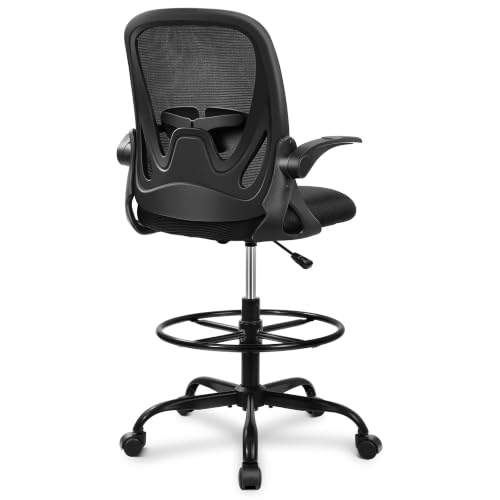
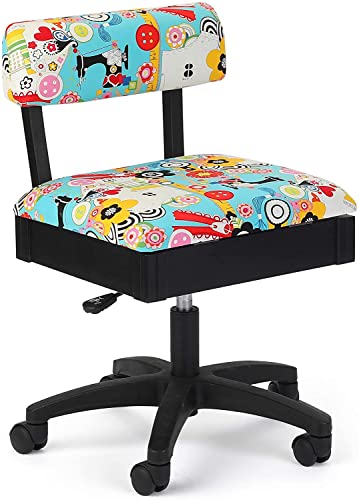
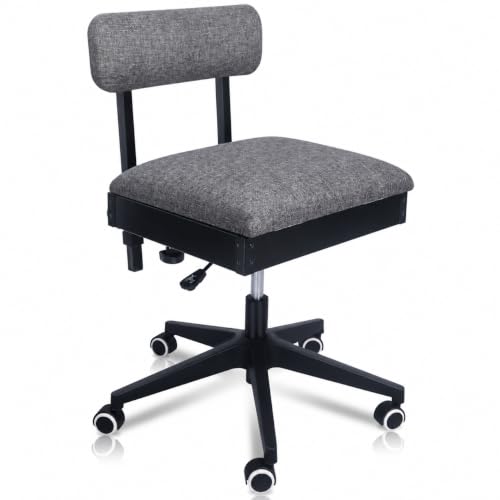
Crafting covers many activities, from sewing and paper work to painting, beading, and model building, and each one asks something different from a chair. Some crafters need a high stool for a tall cutting table, while others need a low task chair for a standard table. The comparison table below shows the main chair types side by side, and the sections that follow explain how to match a type to your craft, your table, and your body. That is how the best chairs for crafting become easier to judge, one clear check at a time.





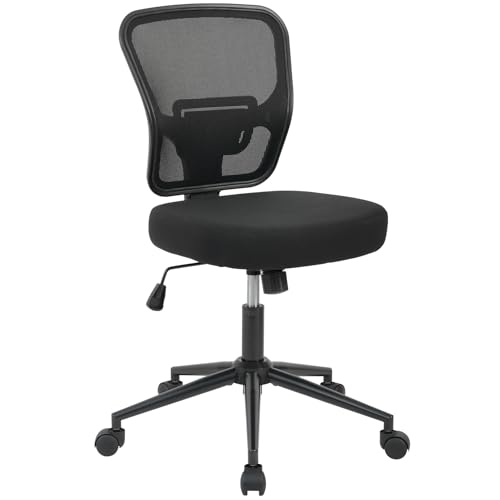
Chairs 101: The Basics
A crafting chair is a seat designed for detailed table work, usually with adjustable height and a compact footprint that fits under or beside a craft table. Many models swivel, which helps crafters reach tools and materials without standing up. Some have arms, some are armless, and some are stools with a small back or no back at all. The right form depends on how much you move, how long you sit, and how much space your table allows.
Three basic terms appear in nearly every listing. Seat height means the distance from the floor to the top of the seat, and it matters most when your table is taller or shorter than a standard desk. Seat depth means the distance from the front edge of the seat to the backrest, and it affects whether your back can reach support while your feet rest on the floor or a foot ring. Weight capacity means the maximum load the maker rates the chair to hold safely, and a rating with a comfortable margin is wise for daily use.
Comfort during crafting comes from posture support, not from softness alone. A chair that lets you sit upright with your work at a comfortable eye and arm level reduces strain during long sessions. A back with gentle lumbar shaping helps during seated work, while a foot ring helps on high stools by giving your feet a stable place to rest. Padding should be firm enough to hold its shape, since soft padding that flattens quickly leaves you sitting on a hard base by the end of a session.
Key Specs Explained in Plain English
Spec sheets become much easier once you translate each number into a practical question. Will this chair fit under my table, will it support my posture, and will it last through daily use? Read each spec with your own table and routine in mind, and skip features that sound impressive but do not match how you actually craft. The sections below explain the specs that matter most for crafters.
Features That Matter for Crafting
Crafting asks for features that general seating rarely needs. Height adjustment matters most, since craft tables range from low sewing tables to tall cutting tables, and a chair that cannot match your table forces awkward posture. Swivel matters when you reach for tools, fabric, or paint without standing, and smooth casters matter when you move between stations.
A compact base helps in small craft rooms, while a foot ring helps on tall stools. For seating that also works at a desk, best office task chairs covers adjustable task seating with many of the same height and support features.
Ergonomics and Adjustability
Good ergonomics for crafting starts with seat height. Your feet should rest flat on the floor or on a foot ring, your knees should bend near a right angle, and your work should sit at a height where your shoulders stay relaxed. Adjustable armrests help when they support your forearms without pushing your shoulders up, but arms can also block a sewing table or a large project, so armless chairs suit many crafters better.
Tilt lock and recline matter less for crafting than for office lounging, since most craft work happens upright and leaning slightly forward. If pain persists during or after crafting, see a doctor for advice, since a chair supports comfort but does not treat a health condition.
Warranty and Return Policy
Check the warranty before you compare prices, since a craft chair used daily needs a frame and mechanism that last. A frame warranty of several years signals confidence in the structure, while a shorter warranty on the gas lift or casters is common and worth noting. Read the return policy as well, because seat comfort is hard to judge from photos alone. A seller that allows returns within a reasonable window lets you check the chair at your own table, which is the only check that truly matters.
Materials and Upholstery
Mesh backs breathe well in warm rooms and suit long sessions, but they offer less warmth in cool rooms and can snag on rough materials. Fabric upholstery feels warm and comes in many colors, yet it can stain from paint, dye, or glue, so choose a fabric you can spot clean easily. Smooth vinyl or faux leather wipes clean quickly, which suits messy crafts, but it can feel warm during long summer sessions.
Real wood frames suit a craft room styled as a living space, while engineered wood and steel frames suit workshops where durability matters more than appearance. Overall build quality is covered in the next section, but material choice alone can decide whether a chair survives your craft.
Build Quality and Frame
The frame and base decide how long a crafting chair lasts. Steel frames and sturdy five point bases offer stable support for daily use, while lighter bases may wobble when you lean or reach. Check that casters roll smoothly on your floor type, and confirm whether the chair suits hard floors, rugs, or both.
A gas lift should raise and lower smoothly and hold its height without sinking during a session. Look for a base and mechanism with a clear warranty, and check the chair with your full weight and typical reaching motions before you commit.
Style and Room Fit
Style matters in a craft room because the chair often stays visible between sessions. Neutral colors blend with many rooms, while bright colors can mark a dedicated creative space. Measure the chair footprint and the space under your table, and leave room to swivel and pull the chair out fully.
If your craft room doubles as a guest room or office, a chair that looks at home in both settings saves you from buying twice. Foldable or stackable options suit very small rooms, though they usually offer less adjustability than a dedicated task chair.
Rookie Mistakes to Avoid When Buying Chairs for Crafting
- Matching the chair to the room instead of the table. A beautiful chair at the wrong height forces poor posture, so measure table height first and choose seat height second.
- Choosing arms without checking clearance. Arms that hit the table edge or a sewing machine bed get in the way, so check arm height and width against your actual setup.
- Ignoring the floor. Casters that suit hard floors may stick on thick rugs, and chairs without a foot ring can leave feet dangling at tall tables.
- Buying for looks over support. Soft, deep seats feel inviting at first but can leave your back unsupported during detailed work that needs an upright posture.
- Skipping a trial session. Sit and craft for at least thirty minutes before deciding, since comfort problems often appear only after sustained work.
Getting Started: Setup and First Use
Start by setting the chair height so your feet rest flat on the floor or on the foot ring, with knees near a right angle. That seat height step is the most useful setup adjustment for comfort. Tighten bolts every few months, and check casters and the gas lift at the same time. Place tools and materials within easy reach so you do not twist repeatedly, and keep a small mat under the chair if your floor needs protection from casters.
Clean upholstery with the method the maker recommends, and protect fabric from paint and dye with a washable cover during messy projects. Store extra supplies where you can reach them without standing, and keep the chair away from direct heat and damp walls. If you share the craft room, mark your preferred height setting with a small piece of tape on the lift column so you can return to it quickly after others use the chair.
Chairs: Your Questions Answered
What features matter most in chairs for crafting?
The features that matter most are adjustable seat height, good back support, a compact base, and smooth movement. Height adjustment matters because craft tables vary widely, and a chair that cannot match your table forces awkward posture. Back support with gentle lumbar shaping helps during long sessions, while swivel and smooth casters help you reach tools without standing.
A foot ring matters on tall stools, and easy to clean upholstery matters for messy crafts. Comfort features beyond these basics add cost without adding much practical benefit.
How long should a good chair last?
A well built crafting chair should last many years under daily use, often five years or more when the frame, gas lift, and casters are solid. Lifespan depends on how often the chair moves, how much weight it carries, and how well it is maintained. Foam may soften over time, and casters may need replacement before the frame wears out, which is normal and inexpensive to fix. A chair that sinks, wobbles, or creaks loudly early likely has a mechanism weakness, so use the warranty rather than living with the problem.
What features matter most for long hours?
For long hours, posture support matters more than extra padding. A seat that lets you sit upright, a back that supports your lower back, and a foot position that keeps your feet stable all help during extended sessions. Take short breaks to stand and stretch, since no chair removes the need to move during long work.
Breathable upholstery helps in warm rooms, and a chair without arms may suit detailed work better by letting you pull close to the table. If pain persists or worsens, see a doctor for advice rather than relying on a new chair alone.
How do I choose the right size?
Choose size by measuring your table height and your own seated height. Seat height should let your feet rest flat on the floor or on a foot ring, with knees near a right angle. Seat depth should let your back touch the backrest while leaving a small gap behind your knees.
Seat width should give you room to shift without feeling cramped, and the chair should fit under the table or beside it without blocking drawers. When in doubt, check the chair at your own table, since showroom floors rarely match your craft setup.
Is an expensive chair worth it?
An expensive chair is worth it when the extra cost buys a stronger frame, a reliable gas lift, and durable upholstery that survives daily crafting. For occasional crafting, a midrange chair often offers the best balance of comfort and value. For daily crafting, spending more upfront can reduce replacement costs and the frustration of a sinking or wobbling chair. Compare frame warranty, lift quality, and caster durability rather than price alone, and remember that the cheapest chair per unit can become the most expensive choice if it needs early replacement.
Wrapping Up
The smartest approach is to start with table height, then posture support, then durability. Measure your table, check a chair during a real crafting session, and confirm that height adjustment, casters, and upholstery suit your craft before you buy. A chair that fits your setup and supports upright work will serve you far better than a stylish chair at the wrong height. The best chairs for crafting for your room are the ones that let you work comfortably for hours, move easily between tools, and still feel supportive after months of use, so review the product table above once more before you decide.