
Best Chairs for Church: Everything to Know Before Your First Purchase for 2026
Disclosure: We may earn a commission when you buy through links on this page, at no extra cost to you. As an Amazon Associate I earn from qualifying purchases. Learn more

Shopping for the best chairs for church for the first time? Learn the terms, compare options, and avoid rookie mistakes with this easy guide.
Buying seating for a congregation for the first time can feel like a much bigger job than buying a chair for your home. Choosing best chairs for church means balancing comfort during a full service, storage in a crowded room, and a budget that often comes from careful giving. This guide starts with the basics and walks you toward a confident first order.
Use the comparison table below as you read, and match each row to the needs of your sanctuary, fellowship hall, classrooms, and offices. By the end, you will know which sizes to measure, which frame details to check, and which checks to run with a sample chair.
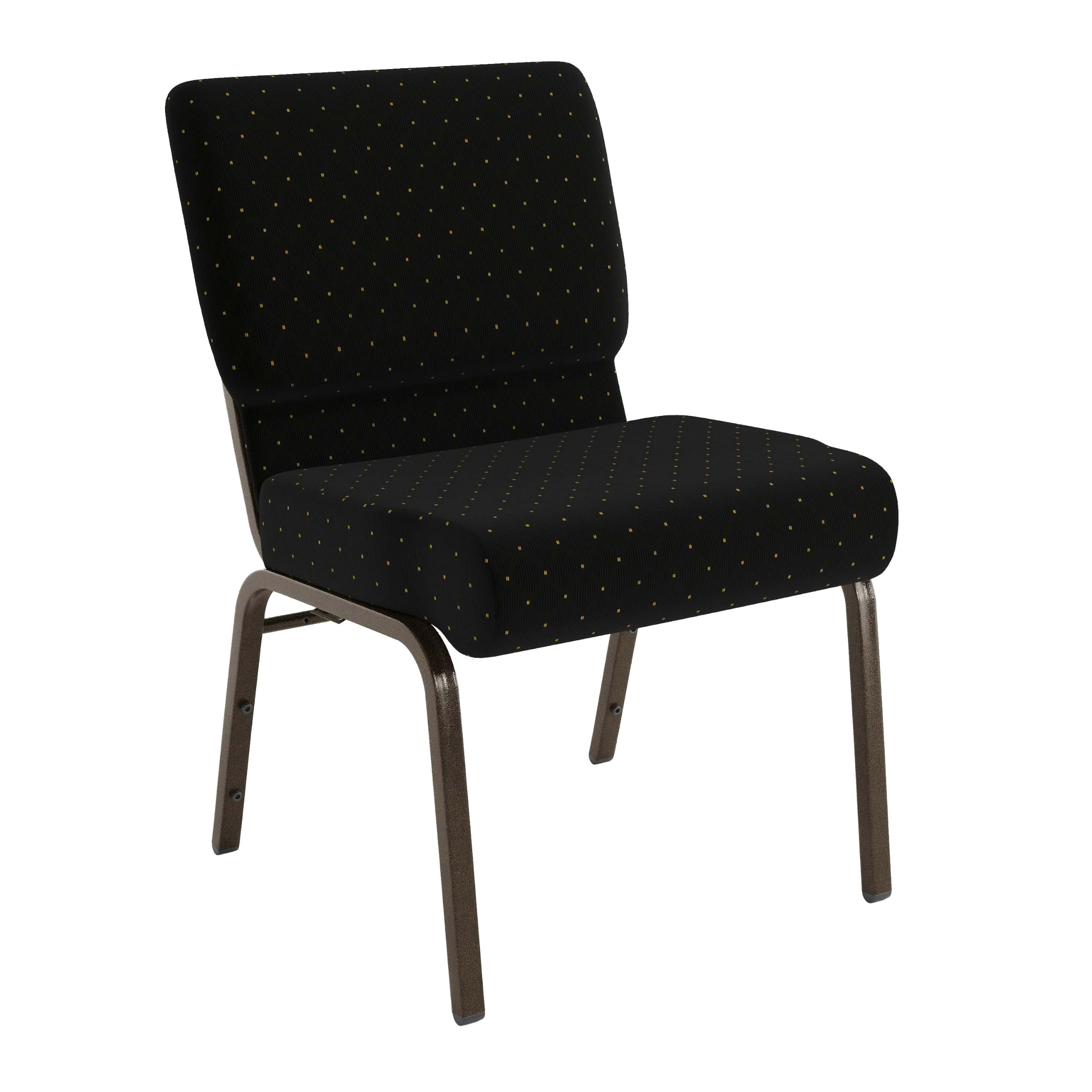
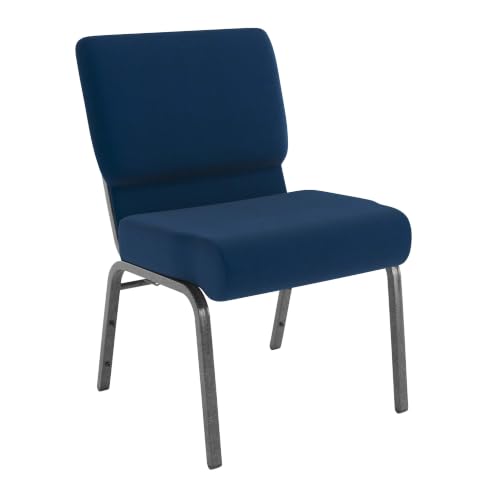


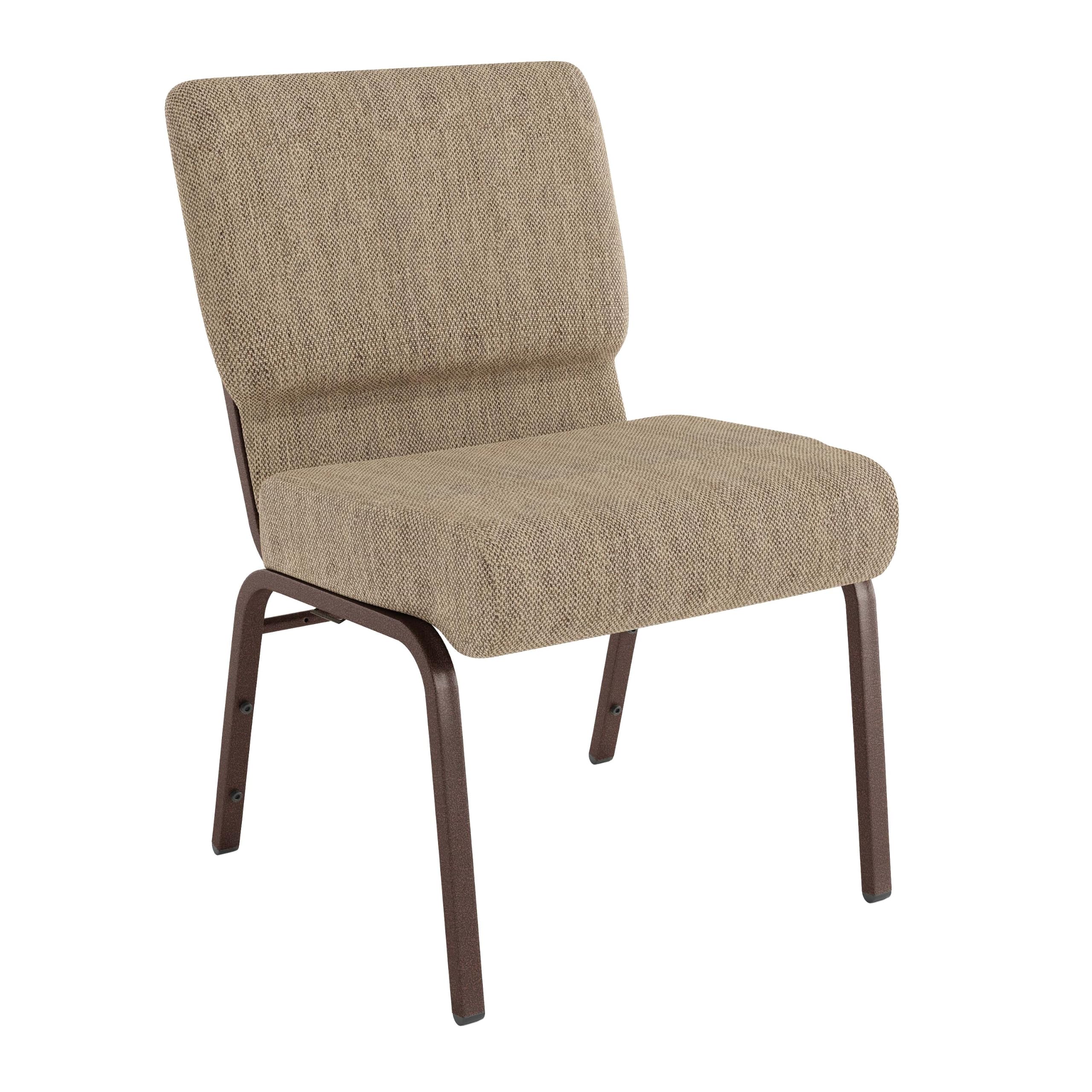
Chairs 101: The Basics
A church chair is seating built for groups rather than for a single desk or dining table. Most sanctuary models have a padded seat and back on a metal frame, made to sit in neat rows, link together, and stack when the room changes purpose. Comfort matters because people sit through music, teaching, and prayer in one visit.
A few terms appear on almost every listing. Ganging means chairs connect side by side so rows stay straight. A book rack is a small shelf under the seat or on the back for books. Stack bumpers are pads that protect the finish when chairs are piled, and glides are the feet that protect your floor.
One building can also need more than one kind of seating. The sanctuary may use stack chairs, a classroom may use lighter stacking seats, and staff at desks have different needs again. For desk roles, see our guide to the best office task chairs and keep that purchase separate from your sanctuary order.
Key Specs Explained in Plain English
Product pages love numbers and shorthand, but each spec answers a simple question about fit, comfort, strength, or handling. Read the six areas below and you can compare any two models in the product table above without guessing.
Features That Matter for Church
Start with the seat. High density foam holds its shape far longer than soft, thin padding, so look for firm foam that springs back when you press it with your palm. Fabric upholstery breathes well, while vinyl wipes clean after coffee spills and children’s classes.
Daily handling matters just as much as comfort. Chairs with a built in handle or a lighter frame are kinder to volunteers who set up and clear the room weekly. Compact space saving models earn their keep in smaller buildings where the storage closet is shared with tables and music gear.
Ergonomics and Adjustability
For fixed sanctuary seating, ergonomic means the shape supports a natural posture without forcing it. A seat height of about 17 to 19 inches suits most adults, a gently curved back gives lumbar support through a long sermon, and a waterfall front edge takes pressure off the legs. Armrests help older members stand, but they add width, so weigh that help against seats lost in each row.
Adjustable features belong mostly to the desk chairs a church also owns. Pastors and administrators may sit for hours preparing lessons, and there adjustable armrests, moving lumbar support, and a tilt lock that holds a recline angle become useful. For those staff seats, see our guide to the best officer chairs.
Warranty and Return Policy
A warranty tells you what the maker will repair or replace when a part fails in normal use. Read it in parts, because the frame often carries a far longer promise than fabric or foam, and office style models add terms for the gas lift. Ask whether use by a congregation counts as commercial use, since some warranties shrink under that label.
Returns matter on a first bulk order, too. Check how long you have to send back a sample, who pays the return shipping, and whether opened boxes carry a fee. Order one or two chairs first, live with them for a few weeks, and only then place the large order under the same written terms.
Size, Dimensions, and Weight Capacity
Measure the room before you count the chairs. Write down the width and depth, then subtract space for aisles, the platform, music equipment, and clear paths to exits, and check local rules for aisle widths. A typical sanctuary chair is about 19 to 21 inches wide, so dividing your usable row width by the chair width gives a realistic seat count.
Weight capacity tells you the most weight one chair is built to hold safely. Many sturdy models list about 250 to 300 pounds, and offering some wider, higher capacity seats makes every guest feel considered. Also confirm that seat height and depth suit your group, since tall and short members experience the same chair differently.
Assembly and Delivery
Many sanctuary chairs arrive fully assembled, a real advantage when your order runs into the hundreds. Others need the back or book rack attached with a few bolts, so ask whether tools come in the box. Office style chairs usually need full assembly, about 15 to 30 minutes per chair for a first time builder.
Delivery for a large order often comes by freight on a pallet rather than in small parcels. Confirm where the truck can unload, whether you need people on hand to bring chairs inside, and how to report damage. Count every chair on arrival and photograph crushed boxes before you sign.
Build Quality and Frame
The frame does most of the long term work. Steel frames are the standard for sanctuary seating because they balance strength with a weight volunteers can lift, and a powder coated finish resists scratches and rust. Look for complete welds, a brace between the legs, and a solid seat base under the foam rather than a thin sheet that flexes.
Small details reveal care in construction. Even stitching, tight fabric with no loose corners, and aligned bumpers suggest consistent factory work. For a broader grounding in construction cues, see our guide to the best quality chairs and note which frame points it highlights.
Chairs for Specific Needs
Most churches get the best result by matching each space to its own seating instead of forcing one model to do everything. Your main room needs rows that look orderly and feel welcoming for an hour or more. For that room, see our guide to the best chairs for church sanctuary for layout ideas.
A fellowship hall asks for flexibility above all, because the same chairs serve dinners, classes, weddings, and meetings in one week. There, lighter stacking chairs that a small team can move quickly usually beat heavier seating. Small chapels lean toward compact models that store in a corner and set up in minutes.
Platform Chairs for Pastors, Speakers, and Musicians
Platform seating serves the few people who sit in full view while they wait to speak, sing, or lead. These chairs are usually larger and more formal than row seating, and premium executive models are common here because appearance matters on a raised platform. Armrests are close to essential, since speakers rest notes and rise often.
Stability is the platform specific check that matters most. Choose a wide, steady base with no casters, because a rolling chair near a platform edge is a genuine hazard. Measure the platform depth so the chair and a small side table fit without crowding, and consider a mesh back for singers who sit under warm lights.
Rookie Mistakes to Avoid When Buying Chairs for Church
First time buyers rarely fail on the big decision. They stumble on small oversights that show up after the truck leaves, so read this list before you order.
- Ordering from photos alone, because a chair that looks plush online can feel flat and tiring twenty minutes into a real service.
- Forgetting storage, because a beautiful stack of chairs is useless when the closet door will not close or the hall has nowhere to keep them.
- Counting seats without aisles and exits, because a room packed wall to wall can break safety rules and leave guests trapped mid row.
- Choosing fabric for color only, because pale, delicate upholstery in a busy fellowship hall shows every spill and wears thin far too soon.
- Skipping a sample chair, because one week of real use would have revealed a wobble, a hard seat edge, or fabric your members dislike.
Getting Started: Setup and First Use
When the first chairs arrive, resist the urge to fill the room at once. Set up one full row as you plan to use it, link the chairs if your model allows it, and leave your planned aisle widths in place. Ask members of different heights and ages to sit through a normal gathering and report honestly on comfort and leg room.
For any office style chair in the same purchase, follow the maker instructions and adjust the seat height so feet rest flat on the floor. Tighten bolts every few months on assembled models, since regular use works fasteners loose, and teach your team to lift chairs by the frame rather than dragging them.
Ongoing care for sanctuary chairs is simple and specific to this seating. Vacuum fabric seats, blot spills at once with a clean cloth, and wash vinyl with mild soap and water before drying it fully. Stack only to the height the maker allows, store stacks in a dry room, and replace worn glides so a bare metal foot never scratches your floor.
FAQ
What features matter most in chairs for church?
The frame, foam, and chair width matter most in chairs for church, because they decide strength, comfort, and how many guests each row holds. One point buyers often miss is noise, since glides and linking clips that squeak on a hard floor can distract during quiet prayer. Check a sample on your actual floor before you judge the rest.
How long should a good church chair last?
A good church chair should last about 10 to 15 years in regular weekly use when the frame is sound and the fabric suits the workload. Lifespan shortens in halls that host daily events, so rotate stacks to spread the wear. When frames flex or foam stays flat, plan replacement in stages and consider donating still usable chairs to a smaller ministry.
What features matter most in church chairs for long services?
Seat depth and back angle matter most in church chairs for long services, because a deep seat and a slight, supportive recline keep posture easy for an hour or more. Shallow seats push taller members forward, while upright backs tire the lower back. For older members, also check that the chair stays planted when someone pushes down to stand.
Is an expensive church chair worth it for a congregation?
An expensive church chair is worth it when the extra cost buys a stronger frame, denser foam, and a longer written warranty rather than decoration alone. To judge value, divide the price by the services and events the chair will serve each year, which often makes a durable model look modest. Decorative trim adds cost without adding a single comfortable hour.
How do I choose the right size church chair?
Choose the right size church chair by matching chair width, seat height, and seat depth to your room and to the members who sit most often. Before ordering, mark one full row on the floor with painter tape, place a sample chair inside the taped area, and confirm that knees, books, and bags fit without crowding the next seat. That floor check catches errors a spec sheet never shows.
Wrapping Up
A first purchase goes well when you slow down on three things: a strong steel frame, firm foam, and dimensions that fit your room and people. Add storage, delivery, and warranty terms and most listings in the product table above become easy to sort. Ask for a sample and check it in a real gathering.
However large or small your congregation is, the right best chairs for church should welcome guests, serve volunteers kindly, and hold up week after week. Start with one well chosen model for your main room, then add seating for the platform, classrooms, and offices as budget allows.


