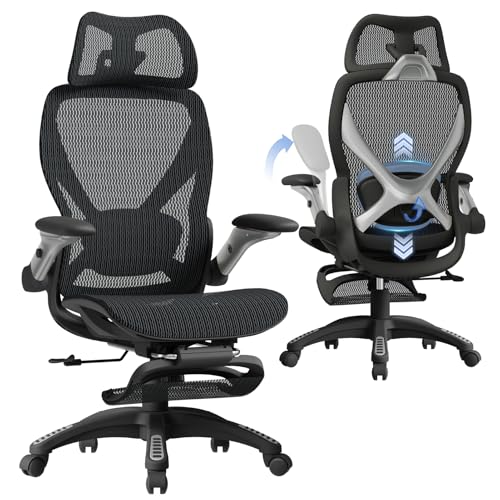
Best Chairs for Carpet: Everything to Know Before Your First Purchase for 2026
Disclosure: We may earn a commission when you buy through links on this page, at no extra cost to you. As an Amazon Associate I earn from qualifying purchases. Learn more

Shopping for the best chairs for carpet for the first time? Learn key terms, caster types, sizing, and setup basics in this plain English guide.
Buying your first chair for a carpeted room sounds simple until you sit down, try to roll, and barely move. Carpet changes how a chair rolls, how stable it feels, and how quickly its base wears the floor beneath it. This guide walks you through the best chairs for carpet in plain language, starting with the basics and ending with setup, so you can shop with confidence.
You only need to understand a few parts, match them to your carpet and your body, and avoid the mistakes most new buyers make. Start with the comparison table below, then read the sections that match your room.
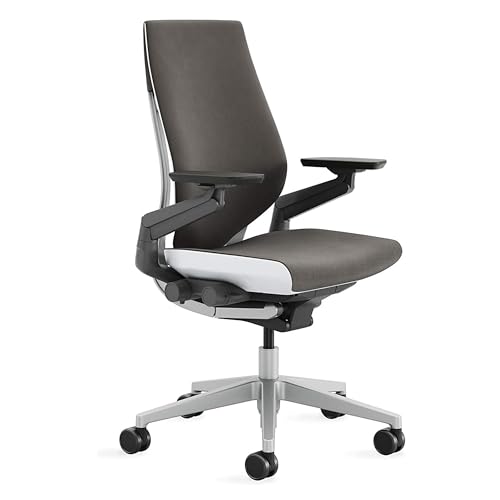
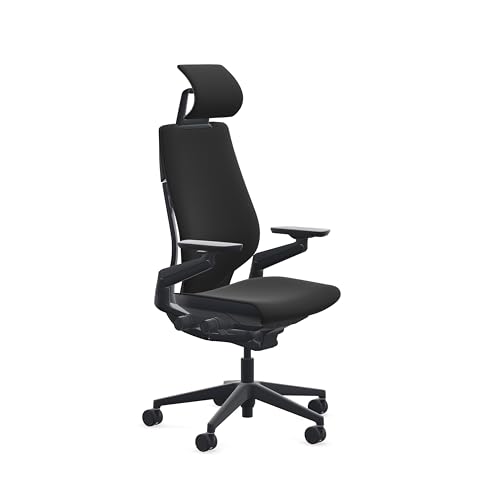

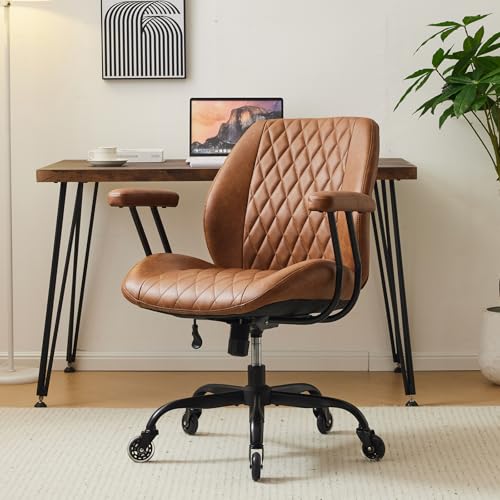

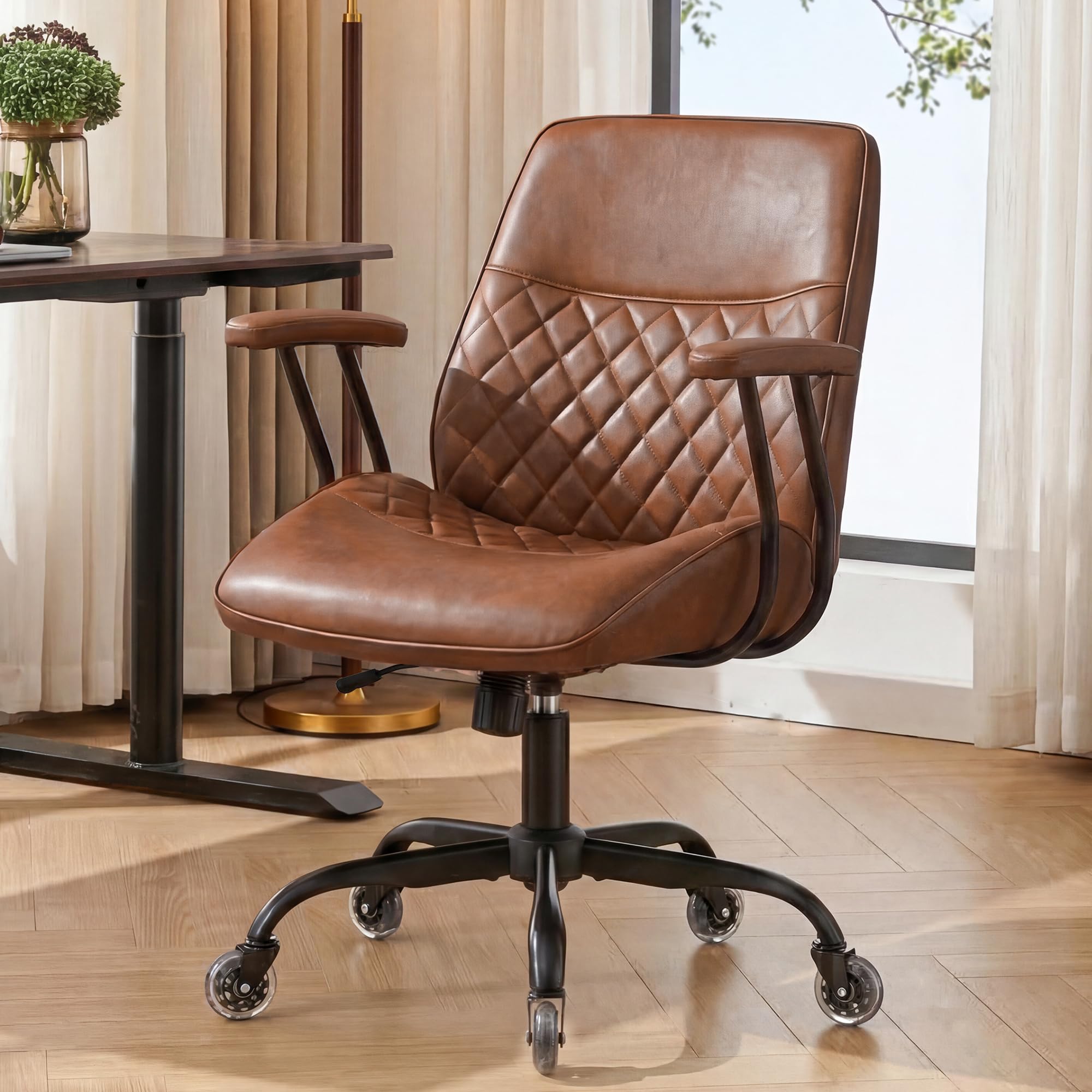
Chairs 101: The Basics Every First Time Buyer Needs
A chair meant for carpet is still a normal seat with a base, a lift, a seat cushion, a backrest, and usually armrests. The difference sits mostly at floor level, in the wheels or feet that meet the pile. On hard floors, small hard wheels glide easily. On carpet, those same wheels sink and drag against the fibers every time you shift position.
Carpet pile is the height and density of the fibers standing up from the backing. Low pile carpet is flat and firm, like most office carpet. Medium and high pile carpet feels softer and deeper, and it resists rolling far more.
Press your palm into your carpet before you shop. If your hand sinks in noticeably, rolling will take real effort unless the chair is built for it.
Three terms cover most listings. Casters are the small wheels under the base. A gas lift is the cylinder that raises and lowers the seat when you pull a lever.
The base is the star shaped frame that spreads your weight across the floor. When those parts suit your carpet and your weight, the chair feels steady and moves only when you want it to.
Key Specs Explained in Plain English
Product pages list many numbers, but only a handful decide comfort and ease of use on carpet. Read each spec below with your own room in mind, and use the product table above to compare how the best chairs for carpet handle the same points.
Features That Matter Most for Carpet
Caster size is the single biggest factor. Small twin wheel casters, often about 2 inches across, work on low pile but struggle in deeper carpet. Larger casters around 3 inches, and rollerblade style wheels with a soft tread, roll over fibers instead of plowing through them. Wide wheels also leave shallower dents in the pile.
If you rarely move while seated, consider a chair with glides or a sled base instead of wheels. Glides slide short distances and feel very stable, while a sled base spreads weight along two rails. Both suit reading chairs and guest seating. For a desk where you roll often, large soft casters are the practical choice.
Ergonomics and Adjustability
An ergonomic chair lets you change the fit instead of forcing your body to adapt. Seat height adjustment matters most, because your feet should rest flat with your knees near a right angle. Lumbar support fills the curve of your lower back, either as a fixed shaped backrest, an adjustable pad, or a cushion. Without it, long sitting often turns into slouching and a tired back by evening.
Adjustable armrests move up and down, and better designs also slide or pivot so your elbows rest without lifting your shoulders. A tilt lock lets you lean back and hold that angle, while tilt tension controls how hard you must push to recline. For your first chair, prioritize seat height, lumbar support, and armrest height.
Style and Room Fit
Style is not only about color, although color decides how visible lint, pet hair, and crumbs will be on the seat. Dark fabrics hide everyday marks, while light fabrics brighten a small room but show wear sooner. A tall back and wide arms fill a large room well, yet the same chair can crowd a spare bedroom.
Match the chair to the room job. A neat armless model tucks fully under a desk and keeps a walkway clear. A plush lounge style chair invites reading but takes floor space you may need for rolling. Measure the doorway too, because some chairs arrive partly assembled.
Materials and Upholstery
A mesh back breathes well, so your back stays cooler during long warm afternoons, and the flexible surface follows your shape. Fabric seats feel soft and grip clothing slightly, which helps you stay centered. PU leather wipes clean with a damp cloth and looks formal, though it can feel warm and may peel after years of heavy use if the coating is thin.
Real leather costs more, ages gracefully, and needs occasional conditioning. Under the surface, high density foam holds its shape longer than soft low density foam, which flattens and leaves you feeling the seat board. Molded foam usually means the cushion was formed as one piece with even support.
Size, Dimensions, and Weight Capacity
Start with three measurements. First, measure your desk height and confirm the chair arms and seat can slide under it. Second, measure the clear floor area where the chair will roll, leaving room behind you for leaning back. Third, note your own height and weight, because seat depth and width should match the person, not the room alone.
Weight capacity is the maximum load the lift, base, and frame are built to carry safely, including the way you drop into the seat. Stay comfortably below the stated limit, because a margin protects the gas lift and casters over time. Compact space saving models suit small rooms, but check that the smaller base still feels stable.
Build Quality and Frame
A steel frame and a metal base handle daily rolling on resistant carpet better than thin plastic parts, because every push against the pile sends force back into the base. Look for a five point base, which spreads weight in several directions and resists tipping when you lean to reach a drawer. A class 4 gas lift is the sturdier grade commonly listed on better chairs, and it holds height without slow sinking.
Welds and joints should look even, bolts should sit flush, and the chair should not creak or wobble when you shift side to side. Plastic bases can be fine for light occasional use on low pile carpet. If you sit all day or your carpet is deep, the stronger frame is worth prioritizing.
Chairs for Specific Needs
Your daily activity decides which tradeoffs make sense. A chair for eight hours of typing needs different support from one for homework or gaming.
Best Computer Chairs for Carpet
The best computer chairs for carpet combine large easy rolling casters with steady support for hours at a screen. Look for a seat height range that lets your eyes meet the upper part of your monitor without raising your shoulders, plus lumbar support you can adjust as your posture tires. Breathable backs help during long sessions, and armrests that lower fully let you pull close to the desk.
If your home office is also your living space, see our guide to the best office chairs for carpet for features aimed at full workdays. For a smaller study corner, see our guide to the best desk chairs for carpet, which focuses on chairs that tuck in neatly.
Gaming sessions add long reclined sitting, headrests, and frequent rolling between a desk and a console. If that sounds like you, see our guide to the best gaming chairs for carpet for features built around longer play. For shared workspaces where people rotate through short tasks, see our guide to the best office task chairs for simpler designs that adjust quickly.
Rookie Mistakes to Avoid
- Buying standard small casters for deep pile carpet, so every move takes a hard push and strains the base.
- Ignoring weight capacity and sitting right at the limit, so the gas lift sinks and the casters wear out early.
- Skipping desk measurements, so the arms hit the desktop and the chair cannot tuck in at the end of the day.
- Choosing style over lumbar support for long work hours, so comfort fades after the first hour of sitting.
- Forgetting the doorway and hallway width, so an assembled chair cannot reach the room where you need it.
Getting Started: Setup and First Use
Most chairs arrive with the base, lift, seat, back, arms, casters, bolts, and a small tool in the box. Lay every part on a blanket so small pieces stay visible and clean. Push each caster firmly into the base until it seats fully, then set the gas lift into the center. Attach the seat mechanism and backrest loosely first, then tighten all bolts evenly once everything lines up.
Assemble the chair in the room where it will live when you can, because a finished chair is bulky to carry. Keep the spare bolts and instruction sheet in a labeled bag.
For your first sit, adjust the seat height so your feet rest flat and your thighs feel level. Set the armrests so your elbows bend naturally without shrugging. Roll in each direction to confirm the casters track smoothly. Tighten the bolts again after the first week, and then every few months, because parts settle.
Chairs for Carpet: Your Questions Answered
What features matter most in chairs for carpet?
Caster size and tread matter most in chairs for carpet, followed by base strength and weight capacity. Large soft wheels roll instead of digging in, and a sturdy five point base keeps the chair steady on a soft surface. One extra check helps first time buyers. Confirm replacement casters are sold for that model, because a single damaged wheel should not mean replacing the whole chair.
How long should a good chair for carpet last?
A good chair for carpet should last about five to ten years with daily use, depending on build quality and your weight relative to its capacity. The gas lift and casters usually wear first, especially on deep pile. Rotating the chair position slightly each month spreads wear across the pile and the wheels. If the lift starts sinking slowly overnight, treat that as a replacement signal.
What features matter most in a chair for carpet used for long hours?
For long hours, a chair for carpet needs adjustable lumbar support, a cushion that holds its shape, and armrests that keep your shoulders relaxed. Breathability matters more than most new buyers expect, because a warm back makes you shift and fidget. Stand, stretch, and roll the chair aside for a minute each hour, which rests your body and lets the compressed pile recover slightly.
How do I choose the right size chair for carpet?
Choose the right size chair for carpet by matching seat width to your hips, seat depth to your thighs, and height range to your desk. Sit with your back against the backrest and leave a small gap behind your knees. Also check the base diameter against your floor space, because a wide base can catch on nearby furniture legs. If two sizes fit you, the one with larger casters usually rolls better.
Is an expensive chair for carpet worth the money?
An expensive chair for carpet is worth the money when the extra cost buys a stronger frame, a better gas lift, larger casters, and a longer warranty. Those parts decide how the chair feels in year three, not just week one. It is less worth it when the price only buys styling, so compare the parts list in the product table above first.
The Bottom Line
For a first purchase, keep your decision simple. Match large soft casters to your pile height, choose a frame and weight capacity with room to spare, and make sure the seat height, lumbar support, and armrests fit your body and desk. Those checks prevent nearly every common disappointment.
Use the product table above to compare models against that short list before you order. When you choose the best chairs for carpet for your own space and routine, the result is a seat that rolls easily, supports you all day, and treats your carpet gently.