
Best Chairs for Architects in 2026: A Buyer Checklist
Disclosure: We may earn a commission when you buy through links on this page, at no extra cost to you. As an Amazon Associate I earn from qualifying purchases. Learn more

Use this checklist for the best chairs for architects, covering lumbar support, seat size, tilt and arm settings for long drafting and design work.
Architect work mixes screen time, sketching, model review and long stretches of focused CAD work, often in the same chair. The best chairs for architects support that mix without forcing one fixed posture all day. This guide turns the key choices into a clear checklist, so you can use the comparison table below to judge fit, support and build before you spend.
Start with how you actually work. Note your desk height, how often you lean in to draw, and how long you sit before you stand. Those three facts will point you to the right seat height, arm style and tilt control faster than price or looks alone.

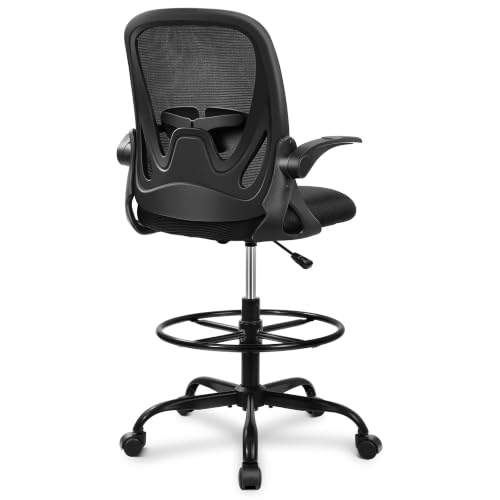
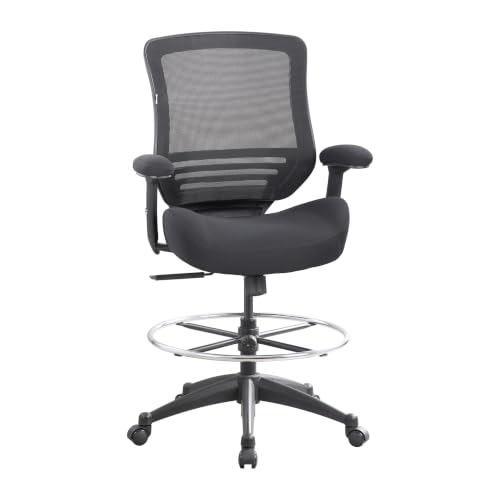

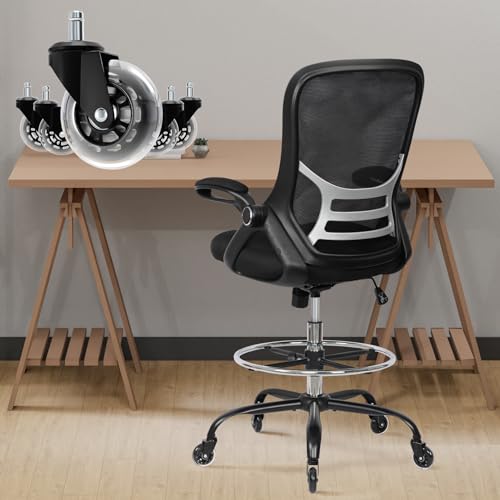

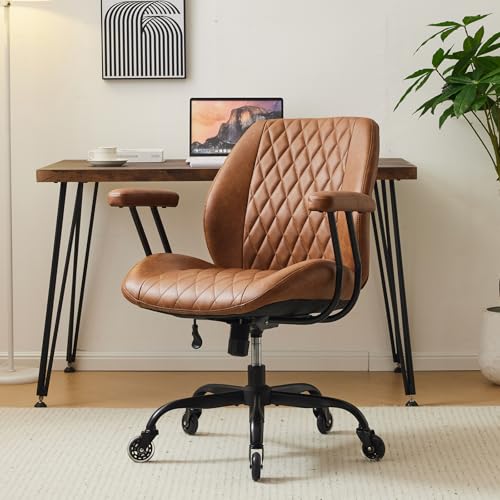
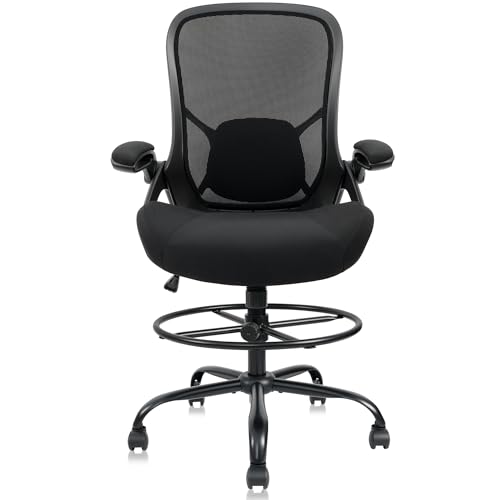


Who Should Buy Which Chairs for Architects?
Architects do not all sit the same way. Your main task, your desk setup and how often you move during the day should decide the type of chair you shortlist first.
Architects Who Draft and Model on Screen for Long Stretches
You spend most of the day in CAD or modelling software, with short breaks between deep focus sessions. Choose an ergonomic chair with adjustable lumbar support, a seat you can set for your leg length, and tilt you can lock in a slight recline. A mesh back helps during long sessions in a warm studio, while a padded seat suits a cooler room where you sit still for hours.
Architects Who Move Between Desk, Drawing Board and Models
You roll from screen to board, stand to review prints, then sit again to mark changes. Choose a chair with smooth casters, a stable base and arms you can lower or swing away when you lean over work. Seat height range matters most here, because a drafting surface sits higher than a standard desk and your feet still need firm support at both heights.
Architects in Shared Studios and Client Facing Offices
You share seating with colleagues or meet clients at your desk, so the chair must adjust quickly and look tidy. Choose simple controls you can reset in seconds, upholstery that wipes clean, and a frame without loose or noisy parts. If several people use one chair, wide adjustment ranges matter more than a shape tuned to one body.
Key Features to Compare
Compare each factor below against your own desk and body, in this order. A chair that fits well on paper should still match your measurements when you sit in it.
Lumbar Support That Adjusts in Height and Depth
Lumbar support should meet the curve of your lower back, not push into your waist or sit too low to help. Look for support you can raise, lower and change in depth, because architects shift between upright drawing posture and a relaxed recline when reviewing work. A fixed pad suits only a narrow range of bodies. If you feel persistent numbness, sharp back pain or pain that spreads down a leg, stop adjusting the chair on your own and talk with your clinician about personal needs.
Seat Height and Seat Depth for Desk and Drafting Work
Seat height should let your feet rest flat with your knees near a right angle at a standard desk, which is often about 17 to 22 inches from the floor. For higher drafting work, you need either a taller lift or a foot ring you can rest your feet on. Seat depth should leave a small gap behind your knees, about two to three fingers wide, so the edge does not press into your legs during long drawing sessions.
Adjustable Armrests and Tilt Lock Control
Adjustable armrests should support your forearms while your shoulders stay relaxed, and they should drop or move back so they do not hit the desk edge when you pull close to draw. Tilt lock lets you hold a slight recline for reading and review, while free tilt suits work where you lean in and back often. Forward tilt, where offered, can help when you perch over a board, because it keeps your hips open and your feet planted.
Cushion, Mesh Back and Upholstery Choice
A seat with high density foam holds its shape longer and spreads pressure more evenly than soft foam that flattens within months. A mesh back lets air move and suits warm studios and long summer days, but it offers less padding if you prefer a cushioned feel. Fabric upholstery grips clothing and feels warm, while smooth upholstery wipes clean after dusty site visits. Choose the surface you will maintain, because dust from models and prints settles on studio chairs fast.
Frame, Base and Weight Capacity
Weight capacity tells you the load the frame, lift and base are built to carry, and you should leave a clear margin above your own weight plus anything you rest on the chair. A metal base and a class 4 gas lift are common signs of a chair built for daily office use. Check caster type for your floor, because hard casters roll well on carpet while softer casters roll more quietly and grip hard floors better.
Quick Buyer Checklist for Architect Work
Use this list before you order. When you shop for best chairs for architects, a no on fit or desk clearance is a reason to keep looking, even if the price looks good. Teams furnishing a whole studio may also want to see our guide to the best quality chairs for build standards that apply across a room.
- Can you set the seat so your feet rest flat at your main desk?
- Does the lumbar support reach the curve of your lower back?
- Can the arms clear your desk and your drawing board?
- Does the seat depth leave a small gap behind your knees?
- Can you lock the tilt for review work and free it for drawing?
- Do the casters suit your studio floor surface?
- Does the rated capacity leave a clear margin for daily use?
Common Mistakes to Avoid
Most poor choices come from judging a chair by looks or price before checking fit at your own desk.
- Buying a tall drafting chair for a standard desk leaves your feet dangling and your shoulders raised all day.
- Choosing fixed arms that hit the desk edge keeps you sitting too far back to draw in comfort.
- Ignoring seat depth gives you pressure behind the knees and numb legs during long sessions.
- Picking soft foam that feels plush at first leaves you sitting on the hard base within months.
- Skipping the capacity rating risks a lift or base that wears early under daily studio use.
Setup and Care Tips for Architect Chairs
Set the chair at your main desk first. Adjust seat height so your feet rest flat, then set lumbar support, seat depth and arms in that order, because each change affects the next. Tighten all bolts after the first week of use, then check them every few months, because daily rolling and leaning can loosen fixings over time.
Vacuum fabric and mesh with a soft brush to lift dust from models, paper and site clothing. Wipe smooth upholstery with a damp cloth and dry it fully before use. Keep casters free of hair, string and paper scraps, because blocked wheels drag and scratch floors. If a lift sinks or a caster cracks, replace that part promptly rather than sitting on an uneven base.
For a second seat at a shared drawing station, see our guide to the best office task chairs for compact options, and for a formal meeting room, see our guide to the best officer chairs for styles that suit client visits. Keep the architect chair at the desk where you draw, because its height and arm settings are tuned to that work.
FAQ
What features matter most in chairs for architects who work in CAD all day?
For CAD work, precise arm and seat settings matter most in chairs for architects. Your screen height and mouse position set your shoulder posture for hours, so small arm height changes can ease shoulder strain. Choose a chair you can adjust without tools or menus, because you will reset it more often when the setup is simple.
How should architects set chair height for a drafting table?
Architects should set chair height for a drafting table so both feet rest on a foot ring or the floor. Start with the seat just below the underside of the table, then check that your forearms reach the board without lifting your shoulders. If your desk and table heights differ a lot, measure both before you buy.
How long should a good chair for architects last with daily studio use?
A good chair for architects should last several years of daily studio use when the frame and lift are sound. Foam and casters usually wear first, because they take constant pressure and rolling. Ask whether those parts can be replaced on their own, because a chair with spare parts often stays in service far longer than one you must replace whole.
Is an expensive chair worth it for architects who sit for long hours?
An expensive chair is worth it for architects only when the extra cost buys adjustment you will actually use. More arm movement, deeper lumbar control and a taller lift range help if you switch tasks often. If you sit at one desk in one posture, a simpler chair that fits well can serve you just as well for less.
Can architects use a drafting stool instead of a standard office chair?
Yes, architects can use a drafting stool instead of a standard office chair when most work happens at a high surface. A stool gives height and freedom to perch, stand and sit again quickly. It gives less back support for long screen sessions, so many architects pair a stool at the board with a fuller chair at the desk.
Final Thoughts
Put fit first, then desk clearance, then build. Measure your desk and your own seated height, run the checklist against each option, and use the product table above to compare height ranges, capacity and price side by side.
When those basics line up, best chairs for architects stop being a guess and become a working tool. Choose the chair that supports the way you draw, model and review, and it will earn its place in your studio every day.

