Best Chairs for 911 Dispatch 2026: Budget to Premium Guide
Disclosure: We may earn a commission when you buy through links on this page, at no extra cost to you. As an Amazon Associate I earn from qualifying purchases. Learn more

Built for shared consoles and long shifts, these best chairs for 911 dispatch cover 24 hour durability, quick adjustment, lumbar support and sizing.
Dispatch chairs work a harder job than most office chairs. A console seat may stay in use around the clock, pass between several people each day, and support long stretches of focused listening and typing. The best chairs for 911 dispatch adjust fast, hold their shape under constant load, and stay comfortable when calls stack up. Prices vary widely, so this guide shows where extra money helps.
Start with how your center runs. Note shift length, how many people share each console, and whether seats roll between positions. Those three facts point you toward the right size, foam, and frame strength, and they make the comparison table below much easier to read.

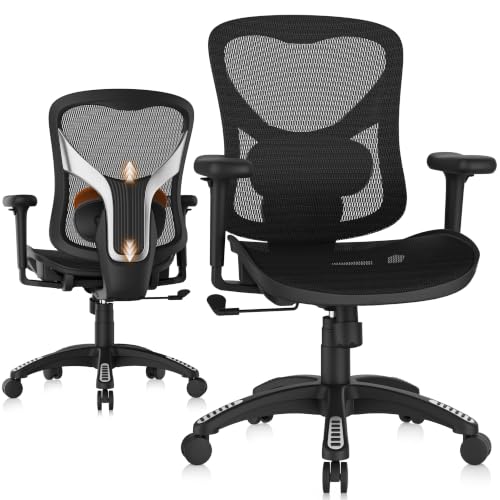
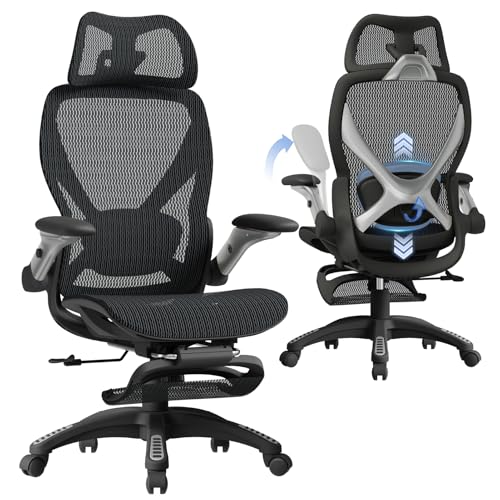

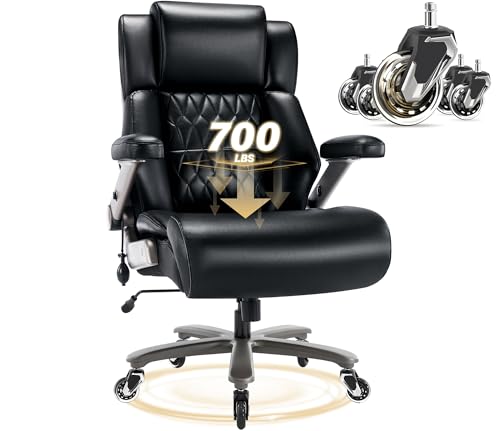


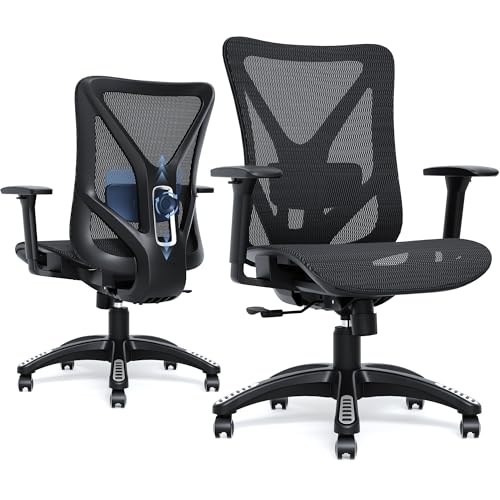
Who Should Buy Which Dispatch Chairs?
Match the chair to the shift pattern first. A seat that suits one person at a quiet desk can fail quickly when three dispatchers share it across a full day.
Dispatchers on Rotating Shifts at Shared Consoles
You sit down, adjust, and get to work within seconds, often taking over from someone with a very different build. Choose a chair with simple levers you can find by touch, a wide seat height range, and adjustable armrests that move clear of the console edge. Clear labels and smooth controls matter most. A breathable mesh back also helps when the room warms up.
Call Takers Working Long Overnight Shifts
Overnight work adds fatigue on top of long sitting. You need steady lumbar support that stays in place for hours, a seat that does not feel hard by hour eight, and a tilt lock that lets you change angle briefly without losing support. A break room recliner should never replace a proper console chair built for active work.
Centers Seating Larger Dispatchers and Supervisors
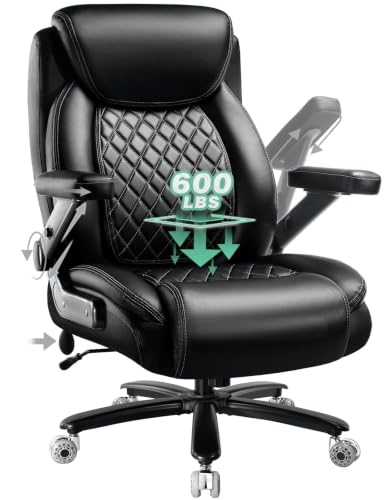
If your team includes tall or broad users, standard sizing will leave someone unsupported every shift. Look for a higher weight capacity, a wider and deeper seat, and a taller back that supports the shoulders during long calls. Supervisors also need casters that roll smoothly on hard floors. Centers that also furnish a separate office can see our guide to the best officer chairs for that desk role.
Key Features to Compare
Compare these factors in order, because dispatch use exposes weak parts faster than ordinary office use does.
Lumbar Support That Holds Its Position
Lumbar support should meet the curve of your lower back and stay there as you shift, reach, and type. Adjustable depth works better for shared seats than a fixed pad, since each user needs contact at a slightly different point. A support that slides down during a shift quickly becomes useless. If you notice persistent back pain, numbness, or tingling, that needs a medical professional rather than a new setting, and you should talk with your clinician about personal needs.
Seat Foam and Seat Depth for Long Sitting
High density foam keeps its shape under daily load, while soft low cost foam often flattens within months and leaves you sitting close to the seat pan. A seat depth that leaves a small gap behind your knees supports your thighs without pressing on the back of your legs. For shared consoles, a sliding seat is valuable because short and tall dispatchers can each set that gap correctly in seconds.
Adjustable Armrests and Console Clearance
Armrests should support your forearms while your shoulders stay relaxed, then move clear when you roll close to the console. Height adjustment is the minimum. Width and pivot adjustment help when consoles are tight or users differ in build. Pads should feel firm and stay locked, since loose arms wobble during typing. Check that raised arms still fit under your desk surface before you order.
Tilt Lock, Recline Tension, and Mesh Back
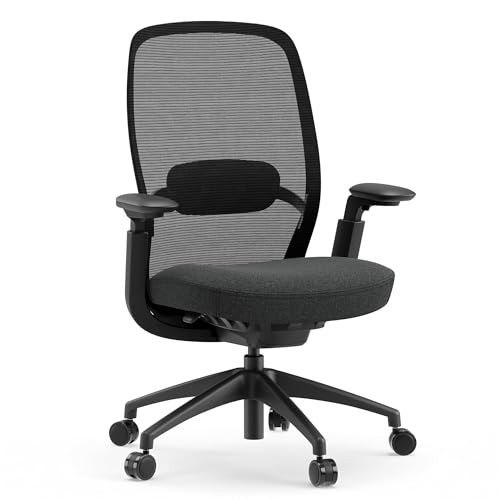
A tilt lock lets you hold a slight recline during quieter stretches and return upright for intense calls. Tension control matters because a light user and a heavy user need very different resistance from the same shared chair. A mesh back spreads pressure and allows airflow, which suits warm radio rooms. Solid padded backs feel warmer and can suit cooler rooms, but they need stronger foam to avoid early sagging.
Weight Capacity, Base, and Gas Lift Rating
Weight capacity tells you the load the whole chair is built to carry, not just the seat. For constant use, choose a rating with a clear margin above your heaviest user, a metal five leg base, and a gas lift made for heavy daily cycling. Larger diameter casters roll more easily and stress the base less. This is where the best chairs for 911 dispatch separate themselves from light office models that were never built for nonstop service.
What Higher Tiers Add in Duty Rating and Adjustment
Price tiers in dispatch seating reflect duty rating and adjustment range more than looks. Use the tiers below to set a realistic budget for each console.
Budget Tier: Basic Seats for Backup and Training Rooms
Chairs at about $150 to $300 usually offer seat height and basic tilt, with simpler foam and shorter coverage. They can serve well in training rooms or as backup seats used a few hours at a time. Expect more frequent caster and pad replacement under full time use. Buy this tier only where duty is light, and keep a spare on hand if a main console depends on it.
Midrange Tier: Full Adjustment for Daily Rotating Shifts
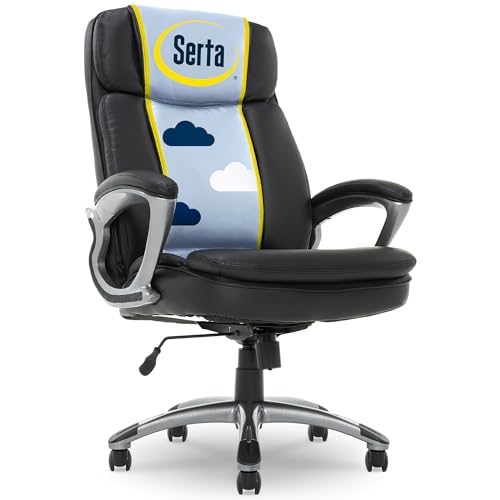
Chairs at about $300 to $600 typically add adjustable lumbar support, better foam, sliding seats, and stronger lifts. This is the practical tier for most centers running two or three shifts on shared consoles. Parts such as arm pads and casters are often replaceable, which lowers long term cost. For a broader view of build standards, see our guide to the best quality chairs.
Premium Tier: Heavy Duty Builds for Nonstop Centers
Chairs at about $600 to $1,200 focus on constant use ratings, steel reinforced frames, and generous sizing. You pay for durability under load, smoother adjustment after years of daily changes, and longer frame and lift coverage. Large centers often save money here because one premium seat can outlast two cheaper seats at the same console. Choose this tier for your busiest positions first, then fill quieter rooms from the midrange.
Common Mistakes to Avoid
- Buying a standard office chair for a console that runs around the clock leads to flattened foam and failed lifts within a short period.
- Ignoring seat width and depth leaves tall or broad dispatchers unsupported for entire shifts.
- Choosing fixed armrests blocks the chair from rolling close enough to the console for comfortable reach.
- Skipping a weight capacity margin causes bases and lifts to wear early under the heaviest regular user.
- Ordering one chair model for every body type forces most of the team into a poor fit.
- Forgetting to measure console height results in arms and backs colliding with desk edges all day.
Care and Maintenance for Dispatch Chairs
Constant use rewards a simple routine. Wipe vinyl and mesh surfaces weekly with a mild cleaner suited to the material, since shared seats collect oils and grime quickly. Check caster wheels for hair and grit, and clear them before drag marks appear. Tighten visible base and arm bolts every few months, because daily adjustment slowly works fasteners loose.
Plan replacement parts into your budget from the start. Arm pads, casters, and gas lifts wear first, and swapping them early costs far less than replacing a whole chair. Record the purchase date for each seat so you can spot models that fail early. Retire any chair with a cracked base or a sinking lift, since both faults can cause a sudden drop.
FAQ
What features matter most in chairs for 911 dispatch during the first hour of a shift?
Fast adjustment matters most in the first hour of a dispatch shift. You inherit a seat set for someone else, so seat height, arm position, and lumbar contact should each correct in seconds without tools. Keep a small card at each console listing the order of adjustments, which helps new staff settle quickly and reduces fidgeting during early calls.
How do dispatchers choose the right chair size for a shared workstation?
Dispatchers choose the right chair size by fitting the largest regular user at that workstation first. Check that the seat width leaves slight room at the hips and that the back height supports the shoulders of the tallest user. A sliding seat then lets shorter users shorten the depth. One size rarely fits a whole center, so many rooms keep two size options.
How long should a chair for 911 dispatch last under constant use?
A chair for 911 dispatch built for constant use should last about five to eight years with part replacements along the way. Lifespan depends more on daily hours than on calendar age, since a console seat can log three times the hours of a normal office chair. Logging faults by console helps you replace seats on wear rather than on a fixed schedule.
Is an expensive dispatch chair worth the cost for a small center?
An expensive dispatch chair can be worth the cost for a small center if that seat covers the busiest console. Small teams feel a failure more because there is no spare capacity, so durability protects coverage. A phased plan works well too. Upgrade the longest shift positions first, track comfort and faults for a few months, then decide on the rest.
What chair features help dispatchers stay focused during overnight shifts?
Chair features that help overnight focus include a stable upright position, cool mesh contact, and arm support that keeps shoulders down. Small angle changes through the night vary pressure without turning the seat into a recliner. Pair the chair with regular standing breaks during quiet gaps, because movement supports alertness in a way no seat feature can replace on its own.
Final Thoughts
Buy for the shift pattern, not the showroom. Fit the largest user, demand fast shared adjustment, and choose foam, lifts, and frames rated for constant use. Spend first on your busiest consoles.
Compare best chairs for 911 dispatch with those points in mind, then check sizes and coverage in the product table above before you order for your center.