Best Chairs Benji in 2026: Which Type Is Right for You?
Disclosure: We may earn a commission when you buy through links on this page, at no extra cost to you. As an Amazon Associate I earn from qualifying purchases. Learn more

Ergonomic, compact or budget? Compare each type to choose the best chairs benji for your desk, room size and budget.
Search results for this chair name mix desk chairs, small room chairs and low cost chairs into one confusing list, and the labels rarely explain the real differences. The best chairs benji for you depend on how long you sit, how much floor space you have and how much adjustment you need. Use the comparison table below to sort the types first, then check fit and build in the sections that follow.
Think about one normal day in the chair. Hours at a desk call for support and adjustment, a corner in a small room calls for a narrow footprint, and a spare seat for guests calls for simple value.





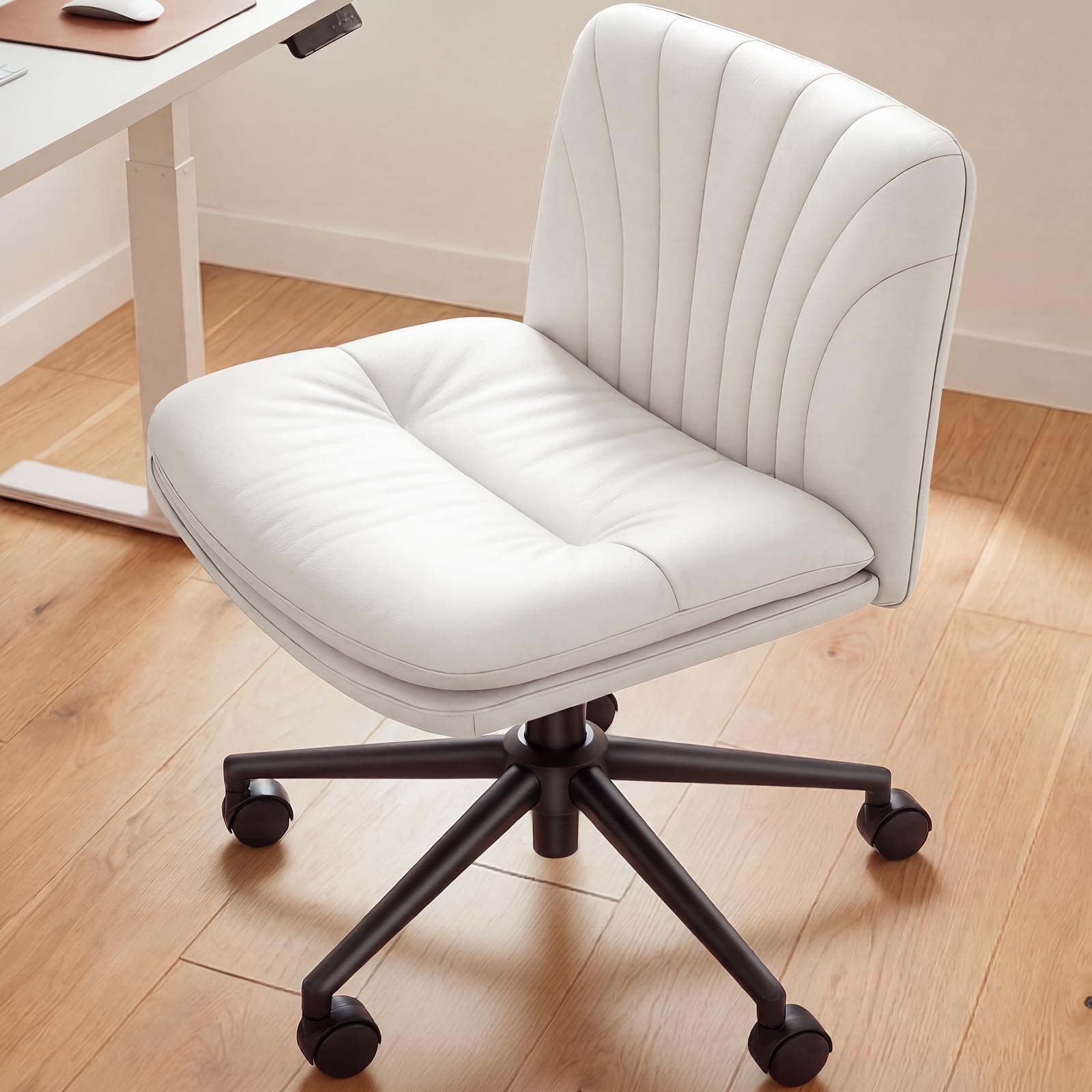
Types of Chairs Benji Compared
Benji shoppers usually meet three broad types. Ergonomic models give you the most control over posture, compact and space saving models protect floor area, and budget models cover basic sitting at the lowest cost. None of them wins for everyone, and the honest trade off is usually between adjustment, size and price.
Ergonomic Models for Long Desk Days
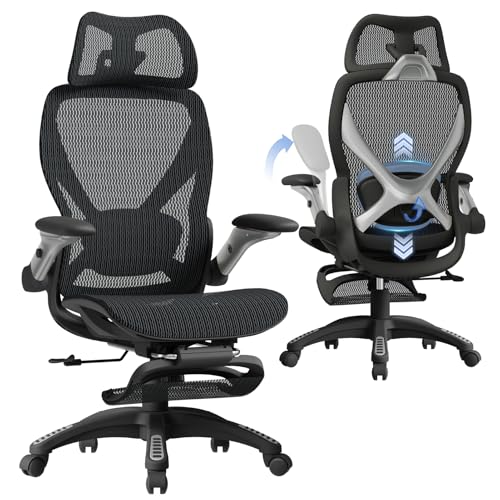
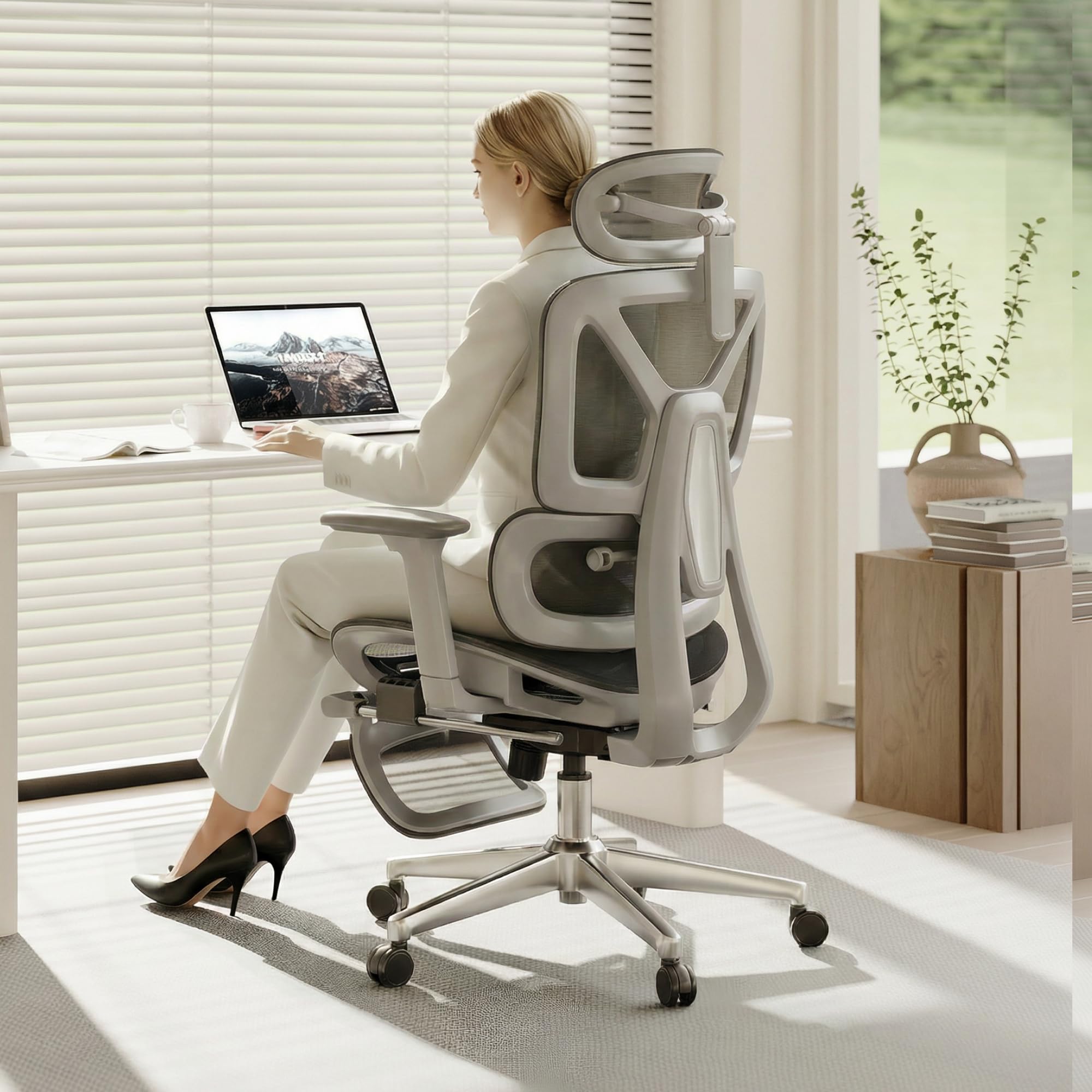
Ergonomic models center everything on adjustability. A mesh back flexes with you and lets air pass on warm days, while a shaped seat and lumbar support help you stay upright without bracing. Adjustable armrests, seat height control and a tilt lock let you set the chair to your desk and your body. These chairs suit you if you sit for most of the workday, but they cost more and their wider backs and bases need more room.
Compact and Space Saving Models for Tight Rooms
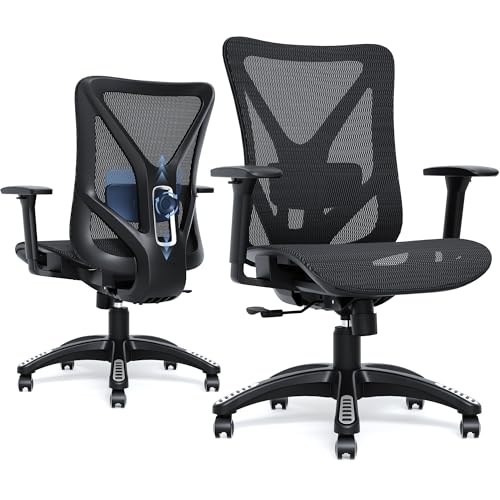
Compact models trim the parts that eat floor space. The back is narrower, the arms are smaller or fold up out of the way, and the base rolls less far behind you. You give up some cushion thickness and some armrest adjustment, yet you gain a chair that tucks close to the desk and moves easily in a small bedroom or apartment. These models suit students, shared rooms and anyone whose chair must share space with other furniture.
Budget Models for Light and Occasional Use
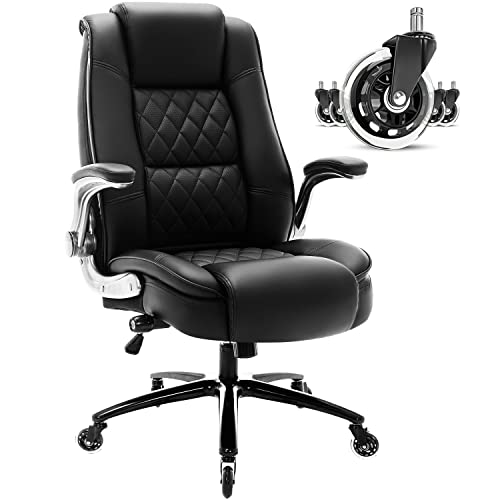
Budget models keep the design simple so the price stays low, often about $60 to $120. You usually get a padded seat, a fixed or lightly shaped back and basic height adjustment, with fewer moving parts to set. That is enough for short study sessions, a guest desk or a waiting corner. The limits show up over long hours, because thinner foam compresses sooner and fixed armrests rarely line up with both your elbows and your desk.
Ergonomic Models vs Compact Models: Which Should You Choose?
Start with sitting time. If you sit for six hours or more on most days, the ergonomic type earns its price through adjustment you will use daily. If you sit for two or three hours and your room is tight, the compact type protects your space and still covers basic comfort.
Next, measure the floor. An ergonomic chair needs clear space behind it so the back can recline and the base can roll. A compact chair fits where that clear space does not exist. Then check your desk height and your own build. Taller and heavier readers usually need the stronger frames and higher weight capacity found in ergonomic lines, while smaller readers often find compact seats easier to sit in with feet flat.
How to Choose the Right Chairs Benji
Once the type is clear, compare the details that decide daily comfort. Sorting best chairs benji listings by these five factors quickly removes chairs that look similar in photos but feel very different in use.
Build Quality and Frame Strength in a Chairs Benji
The frame and lift carry your weight every time you sit, lean and roll. Steel frames feel firm and suit heavier daily use, while reinforced nylon bases weigh less and suit lighter users. Many adjustable models use a gas lift, and a class 4 lift is the stronger common grade for busy desk use. Check the stated weight capacity and stay comfortably under it, because a chair used near its limit wears faster at the lift and the joints. For a broader view of build standards, see our guide to the best quality chairs and compare how makers describe frames and bases.
Comfort and Cushioning in a Chairs Benji Seat
Seat foam decides how the chair feels in hour three, not minute three. High density foam holds its shape and spreads pressure across your thighs, while soft low density foam feels plush at first and flattens sooner. A seat depth that leaves a small gap behind your knees helps blood flow and stops you sliding forward. If you sit for long stretches, choose firmer foam and a slightly wider seat, because your body shifts position often and needs room to do so.
Materials and Upholstery for a Chairs Benji
A mesh back breathes best and suits warm rooms, and it springs back to shape after each use. Fabric seats feel soft and grip clothing so you slide less, but they hold dust and need more cleaning. Faux leather wipes clean in seconds and suits shared or office settings, yet it can feel warm in summer and may peel after years of heavy use. Pick the surface you can maintain, because a chair you clean easily stays pleasant far longer.
Style and Room Fit for a Chairs Benji
Color and shape should serve the room, not fight it. A tall mesh back reads as work gear in a living room, while a lower padded back blends with home furniture. Measure the widest point of the chair, usually across the armrests, and compare it with the gap it must pass through and the space beside your desk. In a formal setting the proportions matter even more, so see our guide to the best officer chairs if you need a chair that suits a traditional office.
Ergonomics and Adjustability in a Chairs Benji
Good adjustment lets one chair fit many bodies and desks. Seat height should let your feet rest flat with your knees near a right angle. Lumbar support should meet the curve of your lower back and move up or down as you change posture. Adjustable armrests should support your forearms without lifting your shoulders, and a tilt lock should hold a slight recline for reading. Readers comparing dedicated desk options can also see our guide to the best office task chairs for more on daily task seating.
Setup and Care Tips for a Chairs Benji
Assembly is usually a short job with the included tool. Attach the base and lift first, then the seat, back and armrests, and tighten each bolt in turns so parts pull together evenly. Sit and test height, tilt and armrests before the final tightening, because small changes are easier while bolts still turn freely.
For care, vacuum fabric and mesh weekly with a soft brush, and wipe faux leather with a damp cloth and mild soap. Recheck bolts every few months, since rolling and leaning slowly loosen them. Keep the chair out of strong direct sun where you can, because heat dries faux leather and fades fabric over time.
Common Mistakes to Avoid
Most regrets with this type of chair come from fit and room checks that took only minutes to do.
- Buying by photo alone leaves seat depth unchecked, so your knees or lower back pay for the guess.
- Ignoring the stated weight capacity strains the lift and frame, so the chair starts to sink or creak early.
- Choosing thick soft foam for long days feels kind at first, so you end up shifting and slouching by afternoon.
- Forgetting to measure the doorway and desk gap means a wide chair crowds the room or will not tuck in.
- Leaving assembly bolts loose after the first week lets joints wobble, so wear spreads to the base and armrests.
FAQ
What features matter most in a Benji chair for long hours of sitting?
Adjustable lumbar support and seat height matter most for long hours in a Benji chair. Together they set your posture before comfort features even come into play. After those two, look at armrest height, because forearms that rest level reduce shoulder strain during typing. A useful extra is a headrest that meets the back of your head without pushing it forward, which helps during short leaning breaks.
Is an expensive Benji chair worth the extra cost?
An expensive Benji chair is worth it only when you use its adjustments every day. Paying more usually brings a stronger lift, denser foam and finer armrest control. If you sit briefly, those gains stay unused and a budget model serves just as well. One point many shoppers miss is the warranty length, because a longer parts warranty often signals parts that the maker expects to last.
How long should a good Benji chair last with daily use?
A good Benji chair should last about five to eight years with daily use. The lift and casters usually show wear first, since they move under load all day. You can extend that span by keeping the chair on a smooth floor and off thick rugs that strain the casters. When height slips slowly overnight, the lift is near the end of its life.
How do I choose the right size Benji chair for my body and desk?
Choose the size of a Benji chair by matching seat height, seat depth and desk height together. Your feet should rest flat, your knees should clear the desk apron, and the armrests should slide under or sit level with the desktop. If you share the chair, favor wider adjustment ranges over a perfect fixed fit, because a shared chair must suit the taller and the shorter user.
Wrapping Up
Let sitting time and room size pick the type, then let fit and frame quality pick the exact chair. Ergonomic models reward long desk days, compact models respect tight rooms, and budget models cover light use without waste. Check foam density, lumbar support and weight capacity before you pay for extras.
When you review best chairs benji with those checks in hand, the choice gets simple and stays satisfying. Compare your shortlist in the product table above, confirm the measurements once more, and order the chair that fits your day.