
Best Chairs Bailey Reclining Glider: What Actually Matters Before You Buy for 2026
Disclosure: We may earn a commission when you buy through links on this page, at no extra cost to you. As an Amazon Associate I earn from qualifying purchases. Learn more

Run this checklist for the best chairs bailey reclining glider covering recline, glide, frame, fabric, and safety, so you buy once and relax with confidence.
A reclining glider has more moving parts than almost any other chair in the house: it glides, it reclines, and it must do both quietly while you hold a sleeping baby or unwind after a long day. This checklist for the best chairs bailey reclining glider style shows you how to score the mechanism, cushions, frame, and fabric before money changes hands. Work through each section, then compare your shortlist against the comparison table below with clear pass and fail standards in mind.


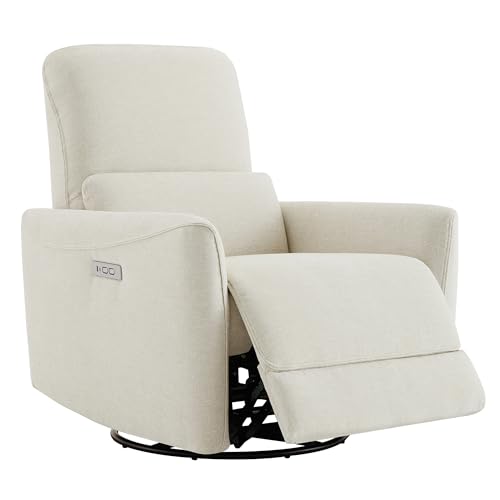


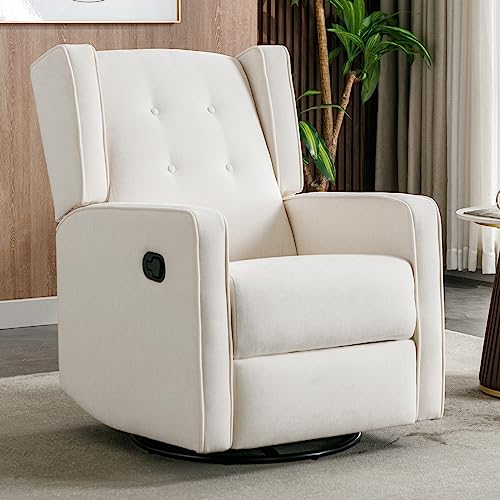

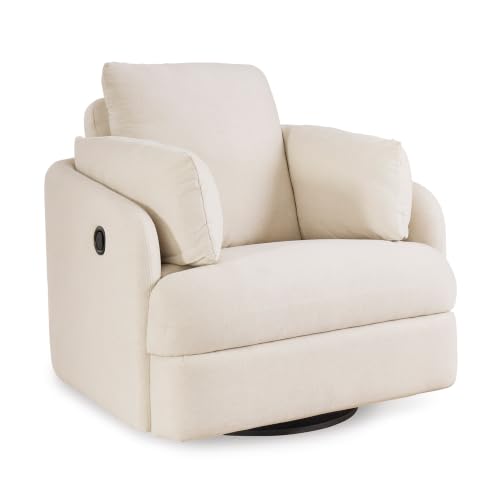
How We Evaluate Bailey Style Reclining Gliders
Score each chair on the seven checks below. A chair that fails the frame or mechanism check should be rejected outright, whatever its fabric or price.
Ergonomics and Adjustability
A good reclining glider supports you upright for feeding and reading, then eases back without a sudden drop. The recline handle or lever should be reachable without leaning, and the footrest should rise smoothly and lock at more than one angle if possible. Lumbar support should stay present when reclined, not vanish as the back opens. Arm height should let your forearms rest level while holding a child. Test the full cycle: sit, glide, recline, return upright, and stand. Any step that needs a sharp tug or a bounce signals a weak mechanism or poor geometry for your body.
Comfort and Cushioning
High density foam in the seat is the standard to demand, because a recliner concentrates your weight in fewer positions for longer stretches. A soft fiber wrap over the foam keeps the first sit welcoming without giving up support. Back cushions should fill the curve of your spine and support your head when fully reclined. Spend at least fifteen minutes in a comparable chair if you can, since pressure points at the tailbone and shoulders usually appear after the first few minutes. Cushions that feel perfect for thirty seconds and thin after ten minutes will disappoint nightly.
Size, Dimensions, and Weight Capacity
Measure three spaces: the room footprint with the chair fully reclined, the doorway path for delivery, and the glide clearance in front and behind. Recliners need wall clearance or a wall hugger design that slides forward as it opens, so confirm which type you are buying. Seat width between the arms should fit the widest regular user with a small margin. Weight capacity should be stated clearly and should exceed the heaviest user plus a child by a safe margin. Taller users should check that the extended footrest supports their calves rather than ending at the ankle.
Style and Room Fit
The Bailey style reads classic and softly tailored, so it moves easily from nursery to living room when the baby stage ends. Choose fabric color for that second life, not only for the nursery palette. A recliner is a large visual object, and a mid tone fabric with some texture hides both wear and the outline of the recline seams. Consider the base footprint on your floor type as well: broad bases spread weight on wood floors, while small feet can dent soft flooring. Match side tables to the reclined arm height so drinks stay reachable.
Materials and Upholstery
Performance polyester and woven blends lead this category because they resist stains, clean with mild soap, and hold up to daily friction. Faux leather wipes clean fast but can feel warm during long reclined sessions and may crack with age and sunlight. Natural fibers look rich yet need more care around spills. Whatever the fabric, ask for a rub count or a clear heavy use rating when available. Seams around the footrest and arms take the most stress, so look for tight even stitching there. Our guide to the best glider chairs compares upholstery choices across the wider glider family.
Build Quality and Frame
The frame and mechanism carry every motion, so this is the pass or fail section. Look for a hardwood or reinforced engineered frame, a metal recline and glide mechanism, and a stable base that does not rock sideways. Corner joints should feel rigid when you push an arm from the side. The glide should run on sealed bearings or a well enclosed track that keeps dust out. Vague listings that hide frame material and capacity are a strong reason to walk away. A heavier chair is often a good sign here, since mechanism steel and frame timber add real weight.
Warranty and Return Policy
Read warranty cover by part: frame and mechanism should carry the longest terms, often several years to lifetime on the frame from quality makers, while fabric and foam run shorter. Because recline feel is personal, a home trial or a retailer return window of at least a few weeks has real value. Keep packaging until you have reclined in the chair daily for a while. Ask whether local repair is possible for mechanism issues, since shipping a recliner back is costly. Save documents and note the model and serial details from the frame label.
What Passing Our Checklist Looks Like at Each Level
The Strong All Round Level
An all round pass, often around $700 to $1400, means a smooth enclosed glide, a controlled recline with a secure lock, high density foam, and performance fabric over a rigid frame. You should be able to rise from the upright position without hauling on the arms. The chair should also sit quietly: no clicks at the end of the glide, no creak from the footrest. This level suits a main nursery chair that will serve for years and then move rooms. The usual limit is size, since full featured recliners need real floor space.
The Smart Value Level
A value pass at around $350 to $700 keeps the safety basics: metal mechanism, stated capacity, stable base, and foam that still supports after a long sit. You give up finer fabric, extra recline positions, and some smoothness in the footrest action. That is a fair trade for a guest room or a grandparents home. One know how point: cycle the recline twenty times during the return window, because weak mechanisms often reveal sticking or noise early, while they can still be exchanged without a fight.
The Premium Level
Premium, around $1400 and up, should add power recline with smooth quiet motors, richer fabric or leather, denser layered cushions, and a longer mechanism warranty. Power models need a reachable outlet and a battery backup plan for outages, which matters during night feeds. Premium only makes sense if you will use the chair daily for years. Compare the recline and glide priorities with our guide to the best outdoor glider chairs only if you are furnishing both indoor and outdoor seats and want a consistent motion feel across rooms.
Quick Buyer Checklist
- Does the chair glide smoothly and quietly through its full travel with you seated?
- Does the recline open and close with control, and lock where you set it?
- Is the weight capacity stated, with a safe margin for the heaviest user plus a child?
- Are the frame and mechanism materials named, with metal in the moving parts?
- Does the fully reclined length fit your room without blocking a walkway?
- Is the fabric cleanable with mild soap, and are replacement cushions available?
- Does the warranty cover the mechanism for several years, with a usable return window?
Red Flags to Watch For
- No stated weight capacity, frame material, or mechanism details anywhere in the listing.
- A glide that grinds, clicks, or drifts sideways when tested or shown in buyer videos.
- Cushions that bottom out against the frame during a normal length sit.
- A warranty of only a few months on the mechanism of a chair built around moving parts.
- Finger gaps around the recline linkage with no guarding, a real concern in homes with small children, so supervise use and keep little hands clear of the mechanism.
Safety note for nursery use: never leave a child unattended in or under the chair, keep the recline mechanism locked when toddlers climb nearby, and follow the maker weight and use guidance exactly.
Tips to Get the Most From Your Reclining Glider
Set the chair on a level floor and confirm your feet rest flat when upright, because a chair that is too deep encourages slouching during feeds. Tighten accessible bolts every few months and vacuum around the base weekly so hair and grit stay out of the glide path. Work the recline gently rather than forcing the footrest down with your legs, which strains the linkage. Place a small table within reach of the upright and reclined positions. For feeding posture questions or back pain that persists, talk with your clinician about personal seating needs.
FAQs
What features matter most in a reclining glider for long hours?
For long hours, seat foam density, lumbar support that survives the recline, and a headrest tall enough for a relaxed neck matter most. A quiet mechanism matters more than people expect, because small clicks repeat hundreds of times an evening. One extra check is heat: smooth synthetic fabrics can feel warm during long reclined sits, so breathable woven fabric is often the better long session choice even when it costs a little more.
How do I choose the right size reclining glider?
Start with the fully reclined length, since that is the largest footprint the chair will ever take, then confirm doorway clearance for delivery. Your feet should rest flat when upright, and the footrest should support your calves when open. If two caregivers will share the chair, size for the taller user and add a small cushion for the smaller one. Leave walking space around the reclined chair so night trips do not become obstacle courses.
Is an expensive Bailey style reclining glider worth it?
It is worth it when the price buys a stronger mechanism, power recline you will use daily, and cushions that keep support for years, because those parts decide long term satisfaction. It is not worth it for fabric branding alone. Divide the price by realistic years of daily use and compare that figure with a midrange chair replaced sooner. Also confirm that premium parts can be serviced locally, since a costly chair with no repair path is a risky purchase.
How long should a good reclining glider last?
A good reclining glider should last about seven to ten years of regular use, with the mechanism and frame outlasting foam and fabric. Power models add motor life to the equation, so warranty length on the motor matters. Early wear signs are slower footrest action, new glide noise, and a seat that feels lower than it did. Prompt bolt checks and gentle recline habits are the simplest ways to reach the long end of that range.
Wrapping Up
Let the mechanism, frame, and fit decide, and treat fabric and price as secondary. Run every candidate through the checklist, compare the survivors in the product table above, and keep the return window in mind while you test at home. Done that way, choosing the best chairs bailey reclining glider becomes a calm, checkable process, and the chair you keep should glide and recline as well in year five as it did on the first evening.


