
Best Chair Slipcovers for 2026: A Fresh Look Guide
Disclosure: We may earn a commission when you buy through links on this page, at no extra cost to you. As an Amazon Associate I earn from qualifying purchases. Learn more

Fabric, fit and care explained to help you choose the best chair slipcovers and refresh a chair you already own.
A tired chair does not always need to leave the room. A well chosen cover can hide worn fabric, soften a dated color, and give a favorite seat a second life. If you want a change without buying new furniture, best chair slipcovers can be a practical place to start, because the comparison table below shows the main cover types side by side.
This guide focuses on fit, fabric, and care rather than on any single cover. You will learn how to measure a chair, which fabrics hold up to daily use, and which details make a cover look neat instead of loose and baggy. By the end, you should be able to narrow the choice to one style that suits your chair, your household, and your budget.
Who Should Refresh a Chair With a Slipcover
A slipcover suits people who like their chair shape but not its current look. It also suits households that want a washable layer over a chair that sees heavy use. The key question is whether the chair frame and cushion still feel comfortable, because a cover improves appearance and protection, not support.
Renters Who Want a Change Without New Furniture
Renters often live with furniture that came with a home or that they do not want to replace yet. A cover lets them change color and texture without a large purchase or a disposal problem. It also travels well, since many covers fold flat and move to a new home. Choose a neutral fabric if you want the cover to work in more than one room.
Pet Households That Need a Washable Layer
Homes with pets face fur, muddy paws, and the occasional accident. A removable cover gives you a layer you can wash instead of scrubbing upholstery again and again. Look for a tight weave that resists snagging and a fabric that survives repeated washing without shrinking out of shape. A second cover is useful too, so one can be in the wash while the other stays on the chair.
Hosts Who Like a Seasonal Refresh
Some people enjoy changing a room for the seasons or for gatherings. A lighter fabric can brighten a room in warm months, while a heavier fabric can make the same chair feel cozier in cold months. Slipcovers make that swap simple, as long as you store the spare cover clean and dry. Keep the change simple by choosing colors that work with your existing cushions and curtains.
Fabric and Fit Factors to Compare
Fit matters more than any other factor. A cover that is too small will pull and gap, while a cover that is too large will wrinkle and slide. Measure before you shop, and compare those numbers with the size chart for the cover you are considering.
Stretch Fabric and Recovery
Stretch fabric forgives small measurement differences and hugs curves better than a stiff fabric. It works well on chairs with rounded arms or a sloped back. Check how the fabric recovers after stretching, because a cover that stays stretched out will soon look loose. A blend with a good amount of elastic fiber usually holds its shape better through washing.
Chair Shape and Measurement
Measure seat width, seat depth, back height, and arm width, and note whether the chair has a high back, a low back, or a winged shape. Covers made for a specific shape, such as a wingback chair, fit better than a generic cover forced onto an unusual frame. If your chair has a loose cushion, measure the cushion separately, since some covers include a separate cushion cover and some do not.
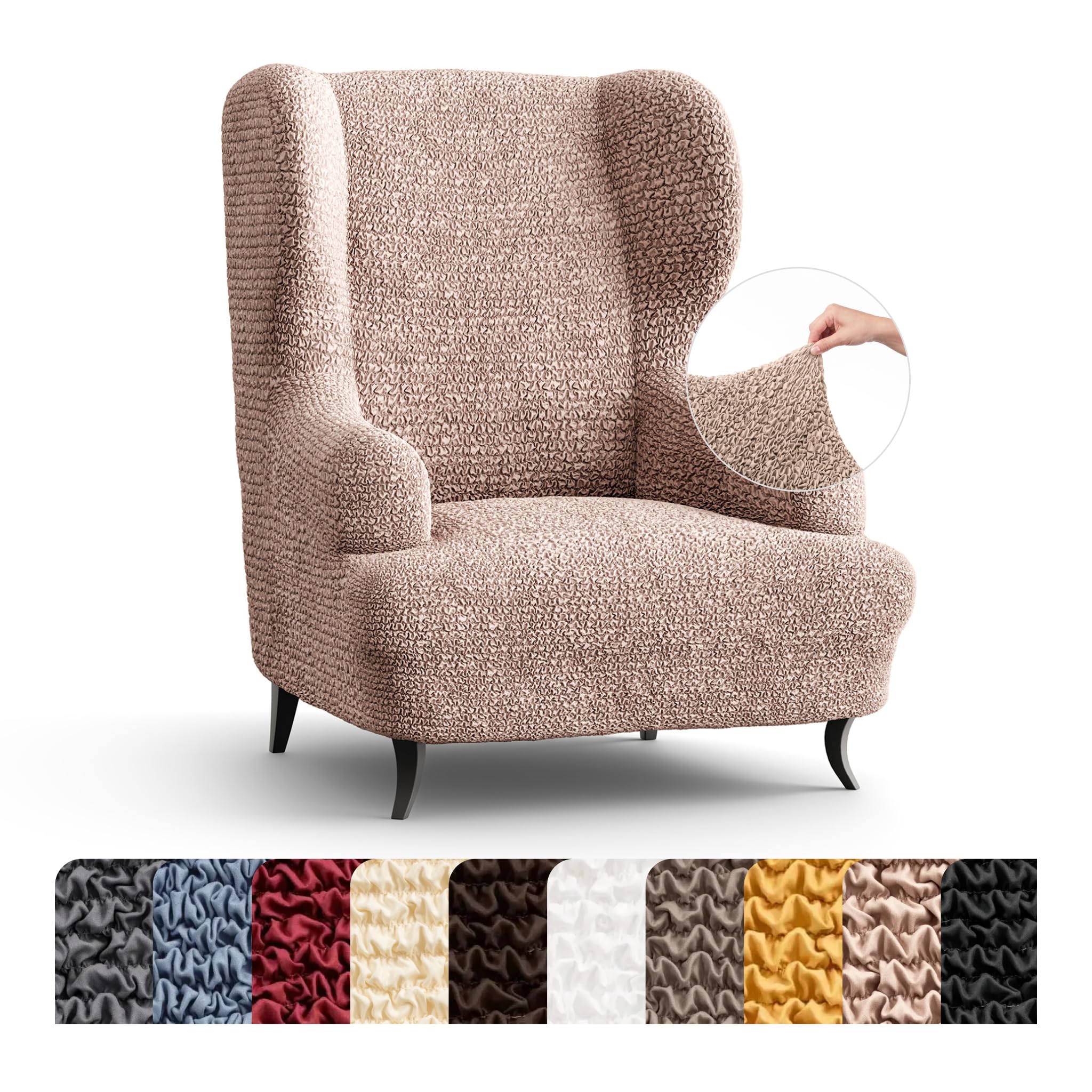
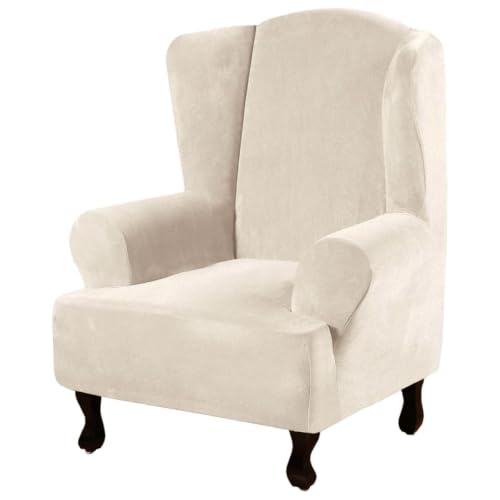
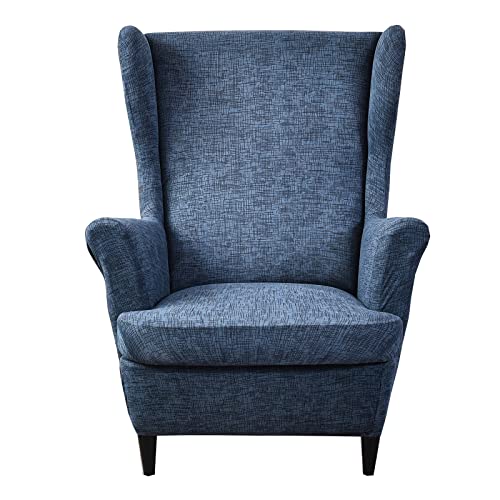
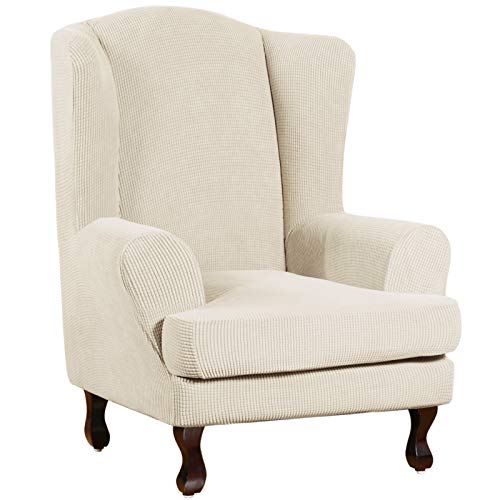
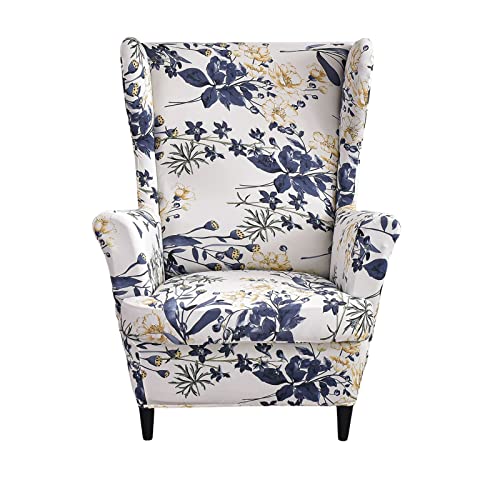
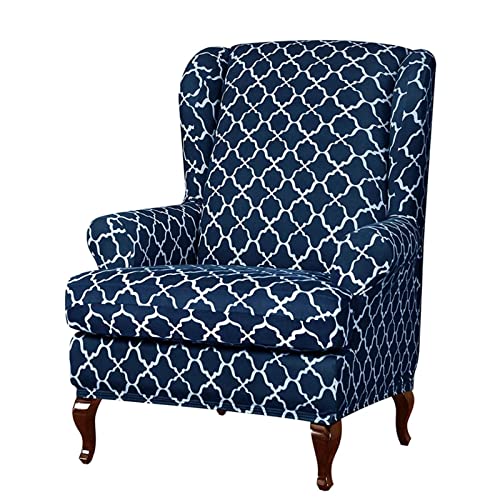
For a wingback chair, pay close attention to the wing depth and the curve where the wing meets the arm. A cover that ignores that curve will bunch in the corner. See our guide to the best slipcovers for wingback chairs when you need shape specific advice for that style.
Closures That Keep a Cover in Place
Elastic hems, ties, and tucking tools all help a cover stay put, but they work in different ways. An elastic hem is quick to fit and suits a simple chair shape. Ties let you adjust tension at the back and under the seat. Foam tucking pieces push excess fabric into crevices and reduce wrinkles on a chair with deep seat gaps.
Choose the closure style that matches how often people sit in the chair and how often you plan to remove the cover for washing.
Washability and Stain Resistance
A cover that cannot be washed easily loses much of its appeal. Check the maker care label for water temperature, drying advice, and whether the fabric can go in a dryer. Dark colors hide stains better, but they can fade if washed in hot water. Light colors show dirt sooner, yet they let you spot a stain early and treat it before it sets.
Color, Pattern, and Room Fit
Color changes the feel of a room more than pattern does. A solid neutral cover blends with most rooms and lets cushions add color. A bold pattern can hide minor stains and add character, but it can also clash with a patterned rug or curtains. If you are unsure, hold a fabric swatch near the chair in daylight and in evening light before you commit.
Durability for Daily Sitting
Daily use tests seams, elastic, and fabric surface. Look for reinforced seams at stress points such as arm corners and seat edges. A heavier fabric usually resists wear better, but it can feel stiff on a small chair. A lighter fabric drapes better, yet it may show wear sooner in a home where the chair is used all day.
Slipcover Types Compared
The table below summarizes the main cover types and where each one works best. Use it to narrow your search before you compare individual fabrics and colors.
| Type | Best For | Pros | Cons | Typical Price |
|---|---|---|---|---|
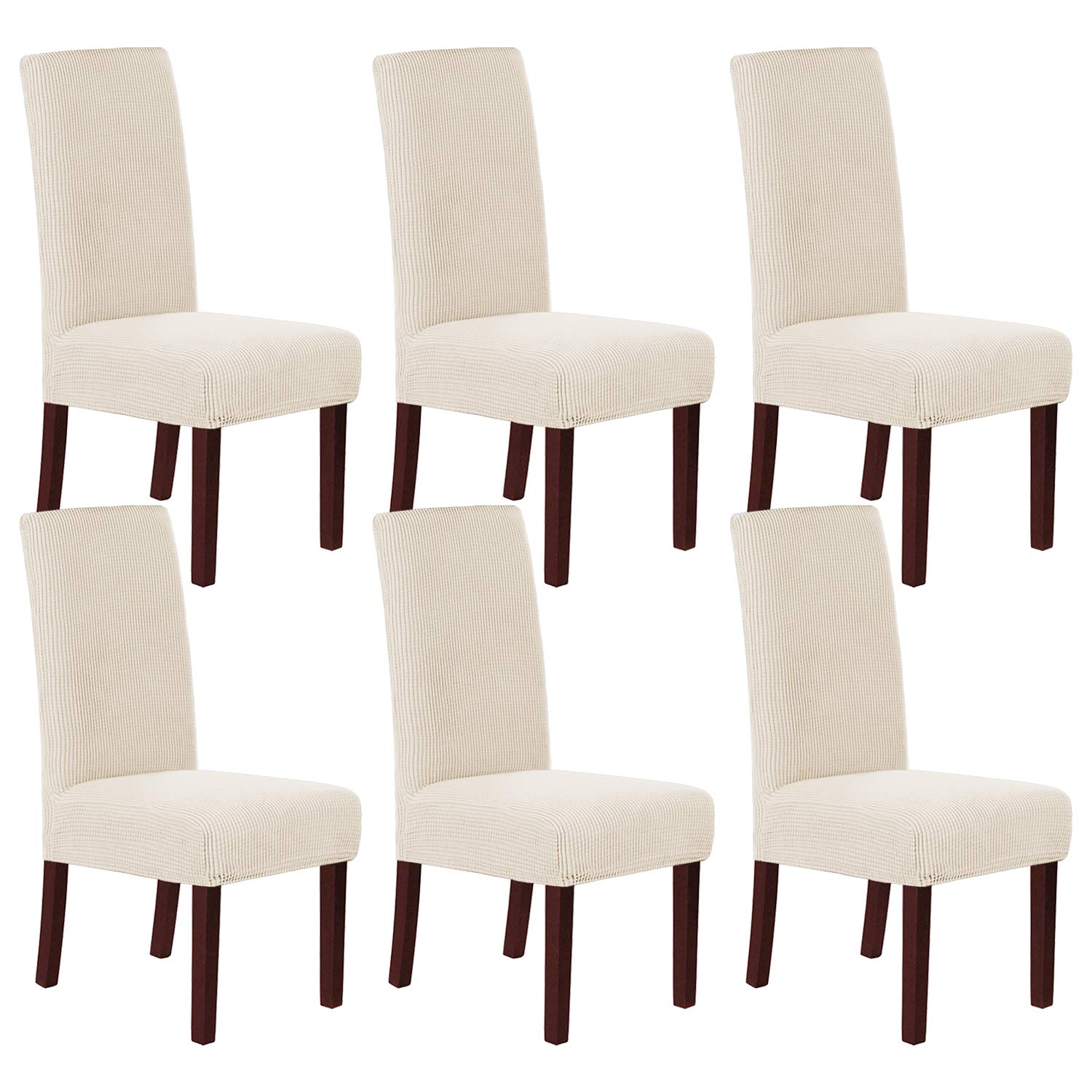
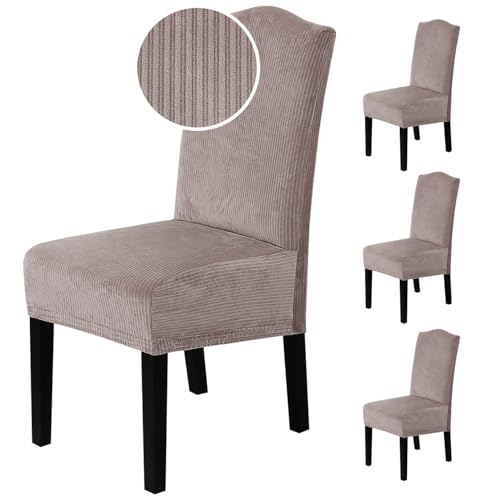
| Stretch one piece cover | Simple armchairs | Easy fit, neat look | Less suited to unusual shapes | around $30 to $70 |
| Separate cushion cover set | Chairs with loose cushions | Clean lines, easy washing | More pieces to fit | around $40 to $90 |
| Relaxed drape cover | Casual rooms | Forgiving fit, soft look | Can look untidy if loose | around $25 to $60 |
| Shape specific cover | Wingback and club chairs | Best fit for curved frames | Narrower choice of colors | around $50 to $110 |
A club chair has a low back and deep seat, so its cover needs extra fabric in the seat and a secure fit around the arms. See our guide to the best slipcovers for club chairs if that shape matches your chair. For a leather chair, a cover protects the surface from scratches and sun, but it must breathe enough to avoid trapping moisture against the leather. See our guide to the best slipcovers for leather chairs for advice on protecting that material.
Spending Levels Explained
Budget covers, usually around $25 to $50, work well for a short term refresh or a chair that is rarely used. They often use lighter fabric and simpler elastic, so expect a looser fit and a shorter life under daily use. Mid range covers, around $50 to $90, usually offer better stretch recovery, stronger seams, and a wider choice of colors.
Premium covers, around $90 to $140, tend to use heavier fabric, more careful tailoring, and better closures. Spending more makes sense for a chair you sit in every day, while a budget cover makes sense for a spare room chair.
Common Mistakes to Avoid
- Skipping measurements and guessing the size, which leads to a cover that pulls at the arms or pools on the seat.
- Choosing a stiff fabric for a curved chair, which creates wrinkles that no amount of tucking will fix.
- Ignoring the cushion style, so a one piece cover hides a loose cushion that should have its own cover.
- Washing in hot water without checking the label, which can shrink a cover out of shape.
- Picking a very light color for a pet household, which shows fur and dirt after a single day.
- Forgetting to check the back of the chair, which may be visible in an open plan room.
Care and Maintenance
Follow the maker care label for every wash, and shake the cover outdoors before washing to remove dust and pet hair. Wash with similar colors and avoid harsh bleach unless the label allows it. Air drying helps elastic last longer, while a low dryer setting can restore some softness if the label permits it.
Between washes, vacuum the cover with a soft brush head and smooth wrinkles by hand after refitting. Store a spare cover folded in a dry place, away from direct sun, so the fabric and elastic stay in good shape.
Frequently Asked Questions
Will a chair slipcover fit any armchair?
No, a slipcover will not fit every armchair equally well. Shape, arm height, back height, and cushion style all affect the result, and a generic cover struggles on a chair with wings, a very deep seat, or an unusual frame. Measure seat width, seat depth, back height, and arm width before you shop, and compare those numbers with the size chart. Shape specific covers fit curved frames better, while stretch covers forgive small differences on simple shapes.
How do I stop a chair slipcover from sliding?
Start with the right size, since no closure can fix a cover that is far too large. Use the elastic hem or ties as the maker directs, and push foam tucking pieces into the gaps between the seat and the arms. Smooth the fabric from the center outward after fitting, and refit the cover after washing while it is still slightly damp if the label allows it. If sliding continues, the cover may be the wrong shape for your chair rather than the wrong size.
Can I wash a chair slipcover in a washing machine?
Most fabric covers can be machine washed, but you should always check the maker care label first. Wash with similar colors on a gentle cycle, and avoid hot water unless the label states that hot water is safe. Air drying protects elastic, while a low dryer setting suits some fabrics and restores softness. Never use harsh bleach on a colored cover unless the label clearly allows it, since bleach can weaken fibers and change the color.
Do slipcovers protect a chair from pets?
A slipcover protects upholstery from fur, dirt, and light scratches, and it gives you a washable layer that is easier to clean than the chair itself. It does not make a chair scratch proof, and sharp claws can still snag a loose weave. Choose a tight weave, keep pet nails trimmed, and wash the cover regularly to prevent odor buildup. A spare cover helps here, because you can swap covers while one is in the wash.
How long should a good chair slipcover last?
A well made cover used daily often lasts one to three years before elastic weakens or fabric thins at stress points. Covers on rarely used chairs can last much longer, while covers in pet households or sunny rooms may wear sooner. Washing on a gentle cycle, air drying when possible, and rotating a spare cover all extend the life of the fabric. Replace a cover when seams split, elastic no longer recovers, or the fabric no longer stays smooth after refitting.
Final Thoughts
The right cover starts with measurements, not color. Measure your chair, match the cover shape to the frame, and choose a fabric that suits how the chair is used and how often you want to wash it. A mid range stretch cover suits most daily use chairs, while a shape specific cover suits a wingback or club chair better. Keep the product table above in mind as you compare types, and remember that best chair slipcovers work best when fit comes first and style follows.


