
Best Chair Pads for Dining Room Chairs: Budget, Midrange, and Premium Options for 2026
Disclosure: We may earn a commission when you buy through links on this page, at no extra cost to you. As an Amazon Associate I earn from qualifying purchases. Learn more

Compare the best chair pads for dining room chairs by price tier, with sizing, fabric, and backing checks that help you spend well on comfort for every meal.
Prices for dining seat pads range from a few dollars for a thin tie on pad to premium money for thick tailored cushions, and the photos rarely show where the money actually went. This guide breaks the best chair pads for dining room chairs into clear price tiers so you know which upgrades change daily comfort and which are only decoration. Start with your chair measurements, then use the comparison table below to match tier, fabric, and backing style to your table and your household.


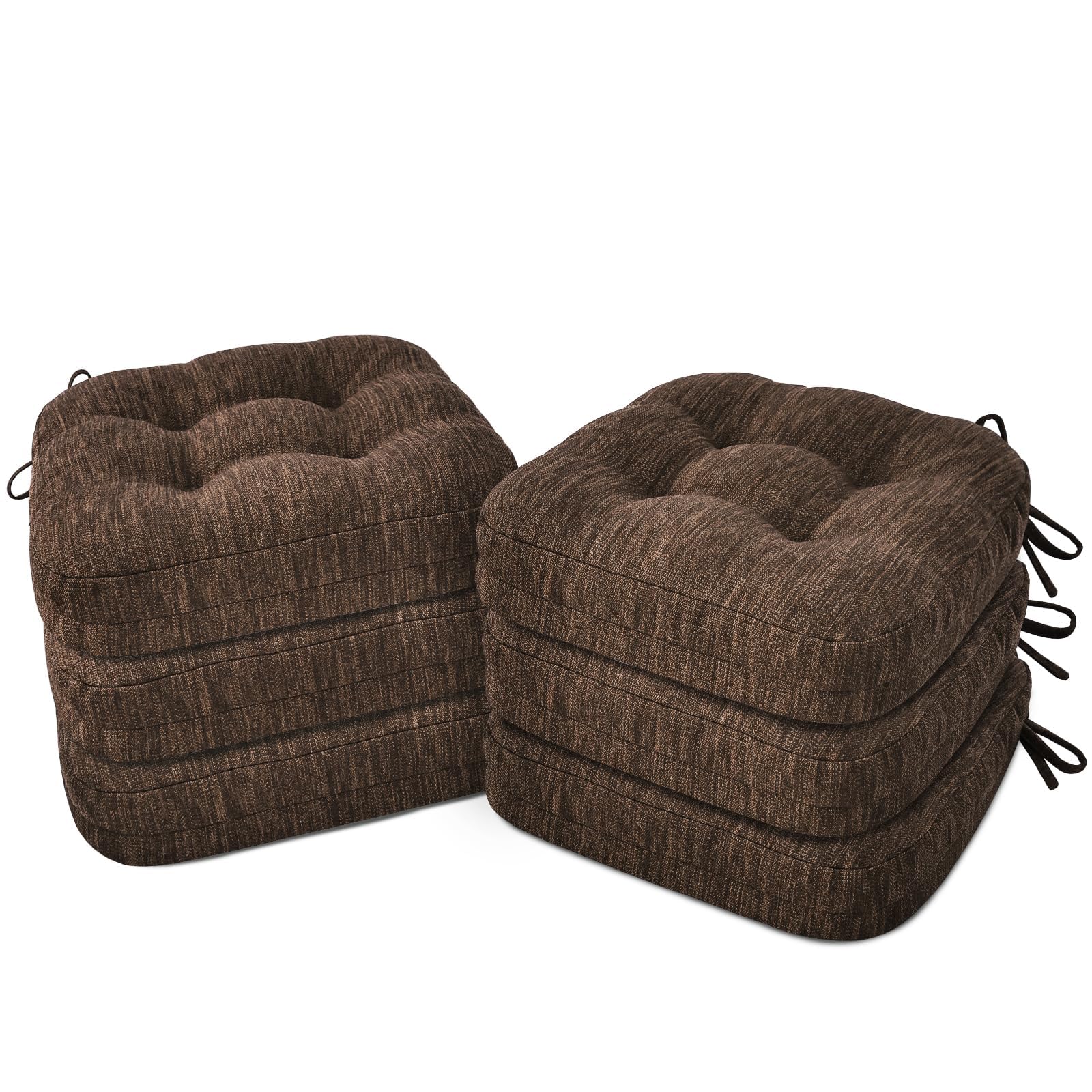
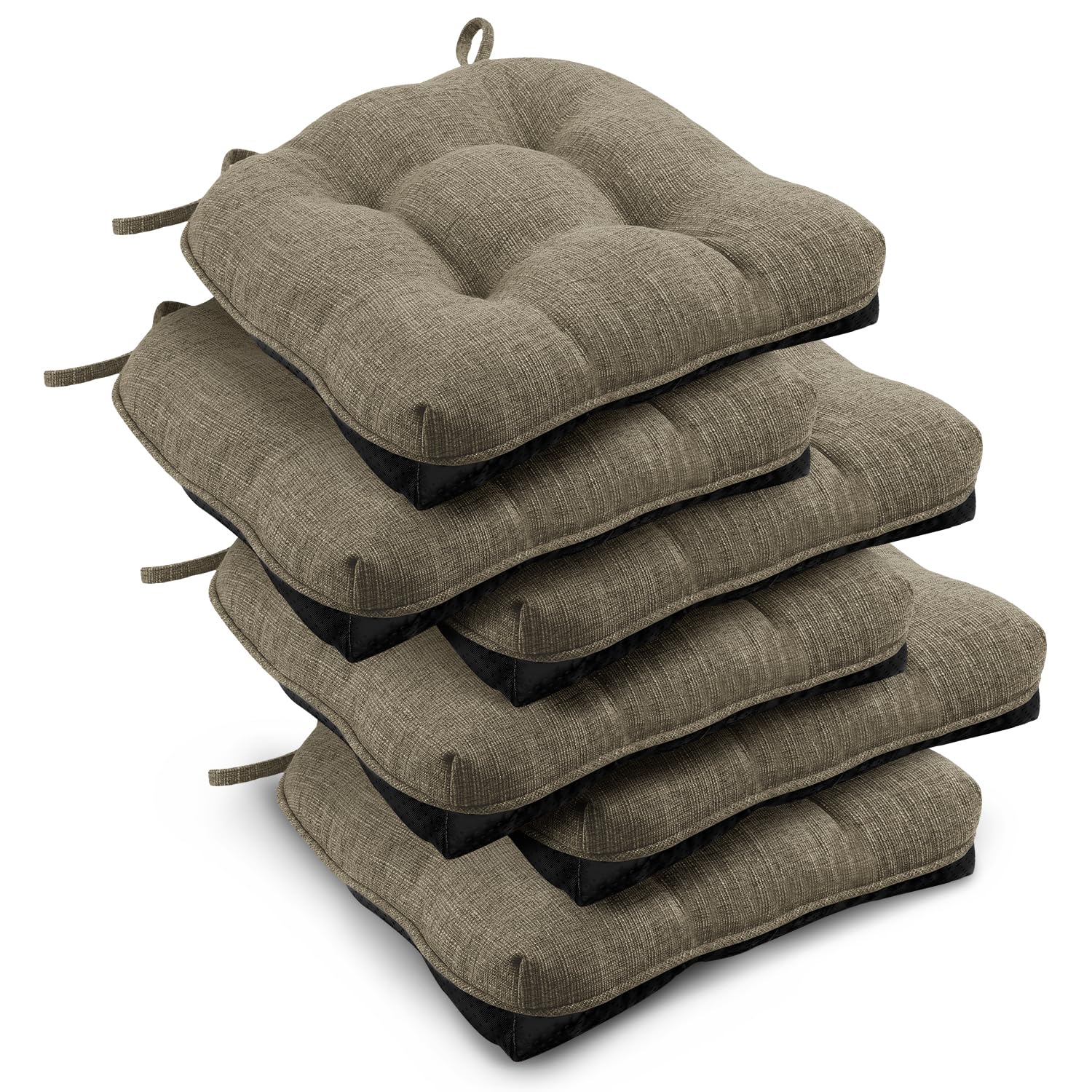


Price Tier Standards: What Each Level Should Give You
Use these tier standards to judge any pad in the product table above. A pad that misses its tier standard is poor value at any discount.
The Budget Standard
Around $10 to $20 per pad, expect polyester fiber fill about one to two inches thick, simple fabric ties, and basic stitched tufting. This level works for occasional guests, rental dining sets, and chairs that are already fairly comfortable. The limits are real: thin fill compresses within months of daily use, and light fabrics can pill where they rub the chair edge. Buy for coverage and color first, and plan on rotating pads across chairs so the most used seats do not flatten alone. Budget sets in multipacks often give the lowest cost per chair.
The Midrange Standard
Around $20 to $40 per pad is the sweet spot for most homes, bringing denser foam or thick resilient fiber, better woven fabrics, and grip backing or sturdier ties. Tufting should hold the fill in place, zippers or well finished seams should look clean, and colors should match from pad to pad in a set. This tier suits daily family meals and long holiday dinners alike. The main trade off is care: richer fabrics may need gentler washing. If your current chairs are the weak point rather than the pads, our guide to the best dining room chairs covers full chair upgrades.
The Premium Standard
Around $40 to $80 per pad, premium should mean high density foam that keeps its loft for years, tailored piped edges, stain resistant or performance fabric, and a nonslip base that truly holds on polished wood. You should also get generous sizing for larger seats and consistent quality across a full set. This tier pays off for wide or antique chairs that standard pads fit poorly, and for dining rooms that double as workspaces. The limit is simple: premium pads cannot fix a chair with a sagging or cracked seat, so inspect the chair itself first.
What Your Money Gets You at Each Price Tier
Budget Tier: What to Expect
Budget pads deliver basic softness and a fast color refresh for a dining set at the lowest total cost. Fill is usually light polyester, covers are thin but serviceable, and sizing runs small, so measure carefully because a pad that is an inch short looks lost on the seat. Expect one to two years from guest level use and less from daily use. Budget pads make sense for staging, short term rentals, and kids practice chairs where spills are constant. Keep one spare pad from the set so a stained pad can rotate out without breaking the look.
Midrange Tier: The Sweet Spot for Most Buyers
Midrange pads add the features that change how a meal feels: firmer support for long sitting, fabrics that survive weekly wiping, and backing that keeps the pad centered when people slide into place. This is where foam options appear, including layered pads that feel soft on top and stable below. Most families should land here, because the cost per year of use beats budget pads that need early replacement. Compare fabric choices with our guide to the best fabric dining room chairs if you are coordinating pads with upholstered seats nearby.
Premium Tier: When Spending More Pays Off
Spending more pays off when your chairs are large, unusually shaped, or used for hours each day as desk and homework seats. Premium foam resists the deep sit bone dents that make cheaper pads feel tired, and performance fabrics shrug off wine and sauce with a quick blot. Tailored shapes also sit flatter on curved seats, which protects antique wood from tie strain. If you host long dinners often, the comfort gap over a three hour meal is where premium earns its price, not in the first five minutes.
Features Worth Paying For and Ones to Skip
Size, Dimensions, and Fit
Measure seat width at the front and back, plus depth from backrest to front edge, because many dining seats taper. A pad should sit within the seat frame with a small margin, not hang over the front where legs will pull it down. Thickness matters too: about two inches suits most dining chairs, while very thick pads raise you toward the table and can crowd your thighs under the apron. Note the weight and build of your regular diners as well, since heavier use calls for denser fill. A paper template cut to the listed size is a cheap way to confirm fit before ordering a full set.
Materials and Fabrics
For pads, fabric choice drives both looks and upkeep. Cotton and linen blends feel natural and breathe well, but they stain more easily and may need removable covers. Polyester and microfiber resist stains, dry fast, and hold color, which suits family dining. Faux leather wipes clean in seconds yet can feel warm and may crack over years. Foam fill outlasts loose fiber for support, while fiber feels softer at first sit. Our guide to the best dining room chair cushions compares thicker cushion styles if a simple pad feels too thin for your chairs.
Comfort and Posture at the Table
Dining posture differs from desk posture: you sit upright, move often, and lean forward to eat, so a dining pad should be stable and only moderately soft. Excess sink makes it harder to sit up straight over a long meal and can strain your lower back. A slightly firmer front edge helps you rise without the pad bunching. If back discomfort appears whenever you sit, in any chair, treat that as a health signal and talk with your clinician, because a pad can improve comfort but cannot correct an underlying problem.
Features That Matter for Dining Room Chairs
Three details separate dining pads from generic seat cushions: how they attach, how they handle spills, and how they clear the table. Ties should be long enough for a secure bow without cutting into the wood, and grip backing should be tested on your finish because some coatings mark delicate varnish. Spill handling favors removable covers or wipeable fabrics. Finally, check total seated height against your table: your forearms should rest near table height with relaxed shoulders. For fully upholstered alternatives, see our guide to the best upholstered dining room chairs before committing to pads for every seat.
Long Term Costs to Factor In
The sticker price is only part of the cost of a dining pad set. Add replacement covers or a spare pad for spills, gentle laundry care for premium fabrics, and eventual full replacement when fill stays flat. A midrange set that lasts four years usually costs less per year than a budget set replaced annually. Warranty terms are modest in this category, so retailer return windows matter more: keep packaging until the whole household has sat through one long meal. Also count your time, because pads that need constant retying and straightening quietly tax every single day.
FAQs
What features matter most in chair pads for dining room chairs?
Fit, fill density, and attachment matter most, in that order. A pad cut to your seat shape with dense fill and ties or grip backing that holds will outperform a thicker pad that slides. One extra check is the finish underneath: try grip material on a hidden spot of the chair first. Fabric washability comes next for family use, because a pad you cannot clean will not stay at a dining table for long.
Is an expensive dining chair pad worth it?
An expensive pad is worth it when your chairs are wide, curved, or used for hours daily, because premium foam and tailored fabric hold comfort and shape far longer. For guest chairs used monthly, the same money is wasted. Think in cost per year: a pad around $60 that lasts five years beats a pad around $20 replaced every year. Match the spend to the hours the seat actually serves.
How long should a good dining chair pad last?
A good dining chair pad should last about three to five years with daily use, and longer in a formal dining room used weekly. Fiber pads sit at the short end, while high density foam lasts longest. Rotating pads between high and low use chairs can add a full season of even wear. Replace a pad when you can feel the hard seat through it during a normal meal, even if the cover still looks fine.
What features matter most for long dinners?
For long dinners, firm even support and a stable base matter more than plush softness. Choose foam or a foam and fiber layer about two to three inches thick, with a front edge that does not collapse when you shift or stand. Breathable fabric helps during warm evening meals. A useful test is a full family dinner before the return window closes, because short sits hide the pressure points that appear after an hour.
How do I choose the right size dining chair pad?
Measure the seat at its widest front point, its narrower back, and its depth, then compare all three numbers to the listed pad size. Tapered and curved seats need shapes that follow the frame, often called trapezoid or U shaped styles in listings. Leave a small margin inside the frame so the pad lies flat. If your measurements fall between sizes, choose the smaller one, because an oversized pad curls at the edges and slides more.
Final Thoughts
Measure first, buy the tier that matches your hours of use, and value dense fill and a secure backing over decorative trim. For most homes that means midrange, judged against the product table above rather than by photos alone. Chosen with those checks, the best chair pads for dining room chairs make every meal a little easier on your back, your chairs, and your budget over the years ahead.


