Best Cellular Blankets at Every Price: What Your Money Really Gets You in 2026
Disclosure: We may earn a commission when you buy through links on this page, at no extra cost to you. As an Amazon Associate I earn from qualifying purchases. Learn more

Cellular blankets compared by price level, with guidance on cotton weave, warmth, breathability, sizing and washing for a nightly bed layer.
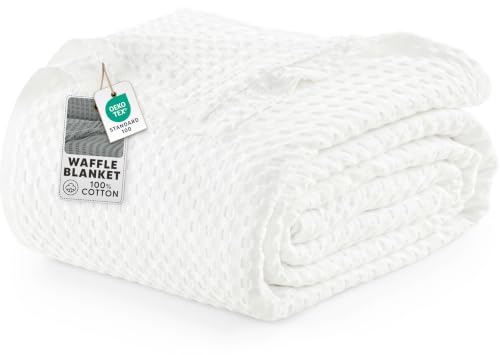
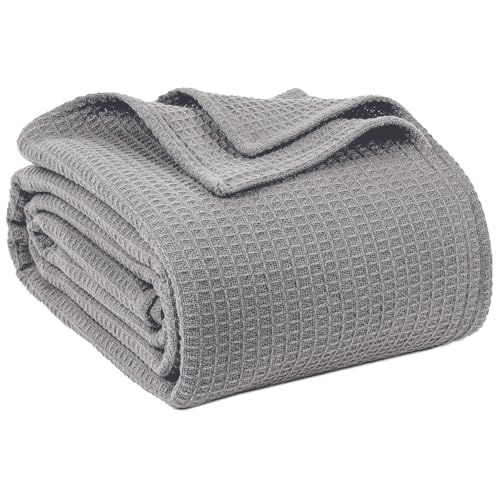
A cellular blanket looks simple, yet prices range from the cost of a pizza to well over one hundred dollars, and the difference is not always obvious in photos. The best cellular blankets use their open woven cells to trap warmth while letting air move, so you stay comfortable without overheating. This guide shows what each price level actually buys you in fiber, weave quality, and finishing.
Knowing where money helps and where it does not will save you from paying for labels instead of sleep. The comparison table below lists sizes, materials, and care details side by side for a quick first pass.

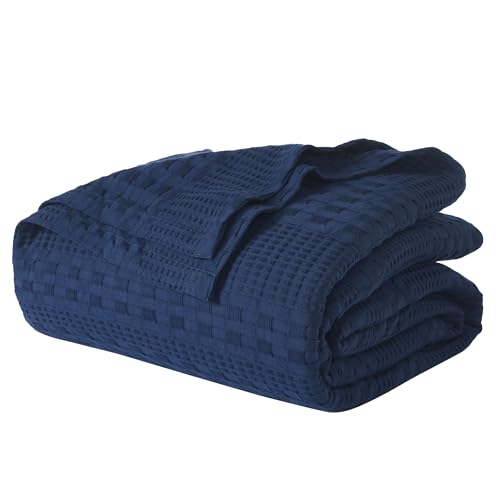

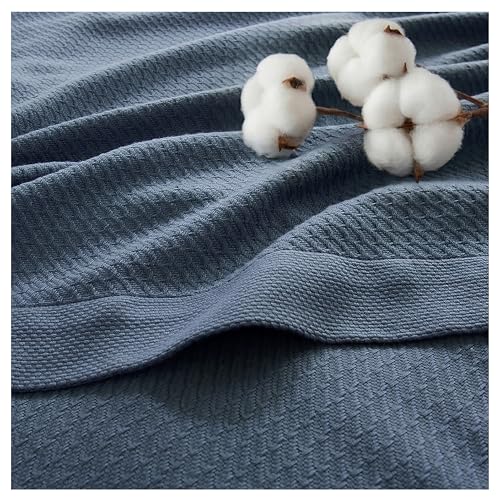
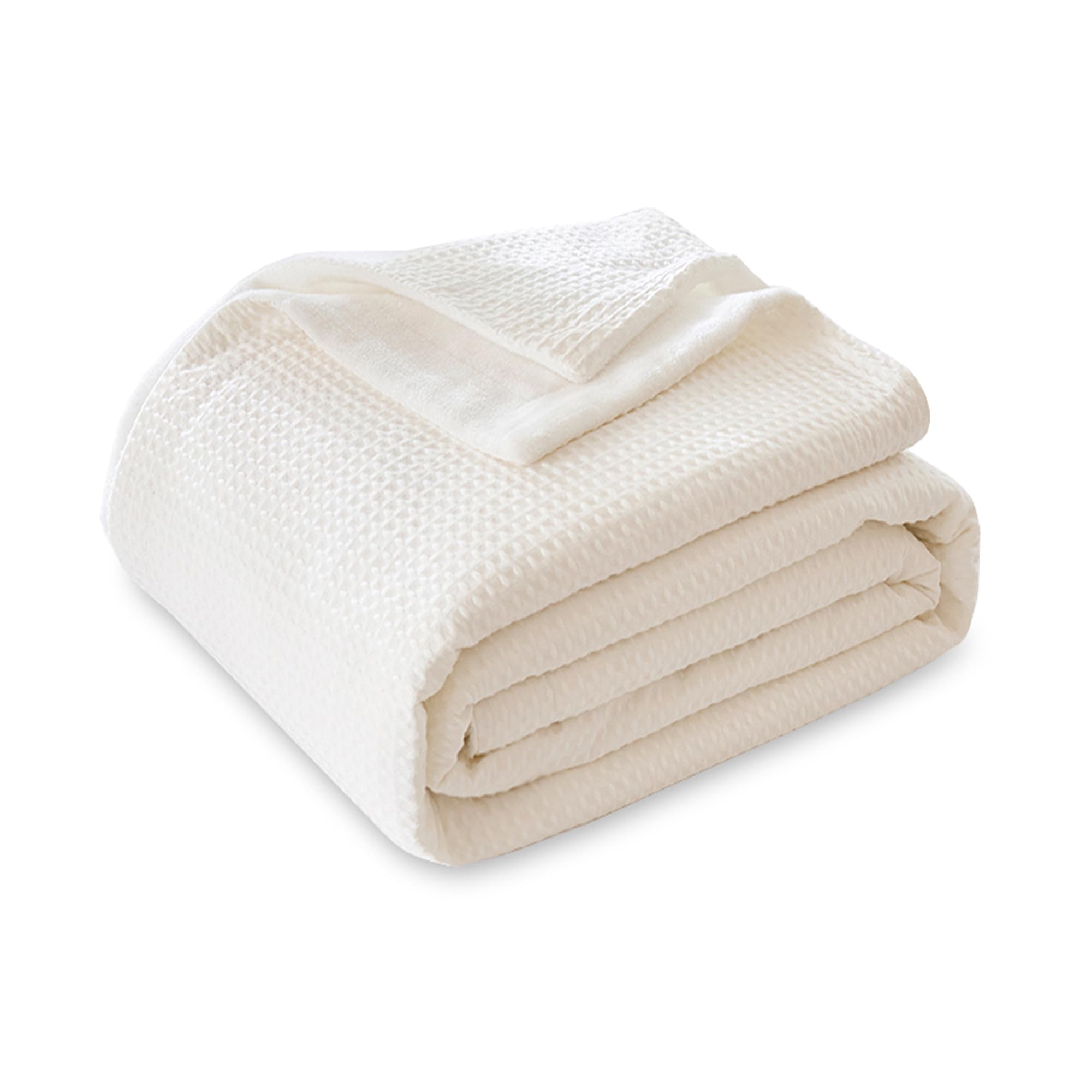
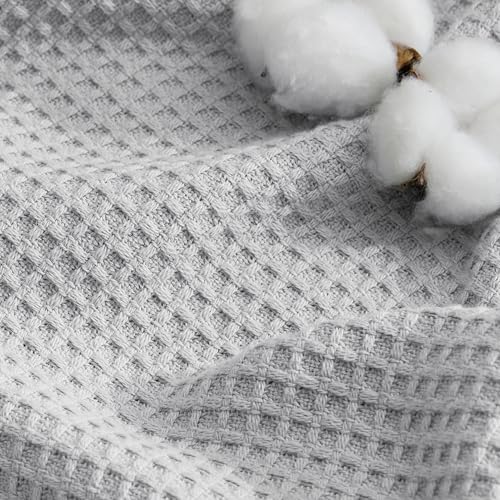
What Each Budget Level Generally Delivers
It helps to know what each spending level normally includes and what it leaves out. Use these three levels to set expectations before you look at individual listings. A blanket that matches its level honestly is a better buy than one that promises premium traits at a budget price.
Budget Level: Simple Warmth for Guest Beds and Spares
Budget cellular blankets, often around $20 to $35, usually blend cotton with polyester or use lighter cotton at a looser weave. They still breathe well and layer nicely over a sheet, which makes them fine for guest rooms, dorms, and warm climates. Edges may be simple stitched hems rather than woven borders, and the blanket can feel thin after the first wash. Buy at this level for occasional use, and size up if you like generous drape over the mattress sides.
Midrange Level: The Sweet Spot for Nightly Use
Midrange options around $35 to $70 typically use mostly or fully cotton yarns, a tighter and more even cell pattern, and stronger edge finishing. The result is a blanket that holds its shape through weekly washing and feels soft without shedding much lint. Weight lands in a comfortable middle, warm under an air conditioned room yet light for summer nights. For a main bed used every night, this level offers the best balance of comfort, durability, and price for most households.
Premium Level: Finer Yarns and Lasting Finish
Premium cellular blankets, often around $70 to $130 or more, pay for long staple cotton, organic certification on some lines, and careful finishing that resists snagging and shrinking. Colors tend to be dyed through more evenly, and the weave keeps its spring after years of laundering. You also find larger true sizes, including generous king dimensions that actually cover modern thick mattresses. Choose this level if the blanket will be your primary cover most of the year and you value a gift worthy feel.
Features Worth Paying For (and Ones to Skip)
Size and Fit
Measure your mattress width and add drape on both sides before choosing a size, because cellular blankets shrink slightly and stretch with use. Twin, full, queen, and king labels vary between brands, so trust the stated inches over the name on the tag. A blanket that ends at the mattress edge will ride up as you turn, while one with about 12 to 18 inches of total extra width stays tucked and calm. Deeper modern mattresses need that extra width even more.
Durability and Care
Durability shows in tight edge binding, even weaving without loose floats, and cotton that feels dense rather than wispy in your hands. Most cellular blankets wash by machine on a gentle cycle, and tumble drying on low keeps the cells open and soft. Certifications such as OEKO TEX tell you the fabric was checked for harmful substances, which matters for a layer that sits close to skin all night. Skip delicate dry clean only versions for everyday beds, since easy care is part of the appeal.
Cooling and Breathability
The open cells are the whole point of this blanket style, letting body heat escape while the yarn bridges hold a thin layer of warm air. Cotton breathes naturally and absorbs a little moisture, which helps on humid nights when synthetic throws feel clammy. Thread count, a sheet term, tells you almost nothing here, because the weave structure matters far more than yarn density. If you sleep very hot, pair the blanket with a light cotton sheet rather than paying extra for gel or foam claims borrowed from mattress marketing.
Loft, Weight, and Sleep Position
Cellular blankets have gentle loft from the raised weave, and their weight ranges from light summer throws to heavier winter layers. Side sleepers often like a medium weight that settles over the shoulder without pressure, while back and stomach sleepers may prefer the lightest version that will not overheat the core. There is no firmness rating for a blanket, despite some listings borrowing mattress language, so judge by fabric weight and layering instead. Add a second blanket in cold months rather than buying one very heavy piece.
Material and Fill
There is no fill inside a cellular blanket, no memory foam, latex, or down, because the warmth comes from the woven structure itself. Cotton is the classic fiber, soft, washable, and breathable, while cotton blends add wrinkle resistance and lower cost at some loss of airflow. Bamboo derived rayon versions feel silky and cool at first touch, though they can pill sooner with rough washing. For most buyers, high cotton content with a tight, even weave beats any exotic fiber claim.
Long Term Costs to Factor In
The purchase price is only part of the cost, since a blanket you wash weekly should survive several years of laundry without thinning or losing its edges. Budget blends replaced every year or two can cost more over five years than one midrange cotton blanket that lasts. Energy costs stay low because these blankets wash in standard loads and dry quickly thanks to the open weave. Factor in a second blanket if you dislike making the bed with a damp cover, and check the return window and warranty length before you buy.
Layering choices also change what you spend across the year. A cellular blanket under a winter duvet may let you retire a bulky comforter, while in summer it can replace both sheet and cover. Readers who run cold even in mild weather sometimes compare electric options too, and our guide to the best heated blanket explains that very different category. For decorative layering at the foot of the bed, our roundup of the best throws and blankets covers smaller accent pieces that pair well with a cellular base layer.
Frequently Asked Questions
Is a higher thread count always better for a cellular blanket?
No, thread count is a sheet measure and says little about a cellular blanket, where the open woven cells create the comfort. A very dense weave can actually reduce airflow and defeat the purpose of the style. Look instead at fiber content, fabric weight, and how even the cell pattern looks in close photos. A mostly cotton blanket with a regular weave will outperform a high thread count claim every time.
How often should I replace my cellular blanket?
Replace a cellular blanket when the weave thins, edges fray beyond repair, or it no longer feels warm and breathable after washing. With weekly use, a good cotton version often lasts about three to five years, while budget blends may tire sooner. Snags alone do not end its life, since small pulls can be eased back into the weave. If the blanket feels flat and lifeless even after a proper wash, it is time.
How do I wash cellular blankets safely?
Wash in cool or warm water on a gentle cycle with mild detergent, and avoid bleach, which weakens cotton fibers and yellows whites. Tumble dry on low or line dry, and expect a small amount of shrinkage and lint in the first few washes. Wash the blanket alone or with similar fabrics so zippers and hooks cannot snag the open cells. Shake it out before drying to help the weave reopen fully.
Do cellular blankets shrink in the wash?
Cotton cellular blankets can shrink a little in the first few washes, usually by a small percentage. Washing cool and drying on low keeps shrinkage down, and buying a size with extra drape allows for it. Blends shrink less but give up some airflow.
Can a cellular blanket be used on a baby bed?
Many cellular blankets are sold for babies because the open weave breathes, but safe sleep guidance from pediatric groups advises keeping loose blankets out of the crib for young infants. Follow the manufacturer instructions and ask your pediatrician about bedding. Use them for stroller walks, car seats and supervised play instead.
Are cooling cellular blankets worth it for hot sleepers?
Yes, for most hot sleepers the standard cellular design already delivers the cooling benefit, without paying extra for special cooling labels. The open weave vents heat and the cotton absorbs light moisture, a combination that feels cooler than a solid fleece or microfiber blanket. Save money by choosing a light color and pairing it with breathable cotton sheets. If you still overheat, lower room temperature will help more than any premium blanket upgrade.
Our Verdict
Match fiber and fit first, then let price follow, because a mostly cotton weave in the right size will satisfy almost every sleeper. For nightly comfort that lasts through years of washing, the best cellular blankets are the honest midrange and premium cotton options sized generously for your bed.