
Best Catnapper Recliner in 2026: Which Model Should You Buy?
Disclosure: We may earn a commission when you buy through links on this page, at no extra cost to you. As an Amazon Associate I earn from qualifying purchases. Learn more

Compare the best catnapper recliner options by size, recline type, capacity and price to find the chair that fits your room.
Catnapper chairs all promise deep cushioning and an easy recline, yet the lineup spans compact rockers, roomy oversized chairs, and power models with extra features, so picking the best catnapper recliner for your home takes more than choosing a color. The right chair depends on your room size, your body size, and how you plan to sit day to day. This guide compares the main types by comfort, build, and fit so you can narrow the field with confidence.
The comparison table below lines up the key specs for each style, including seat dimensions, weight capacity, and recline type. Use it alongside the criteria in this guide, and start by measuring your space, because the most comfortable chair is worth little if it cannot recline fully in the spot you have.
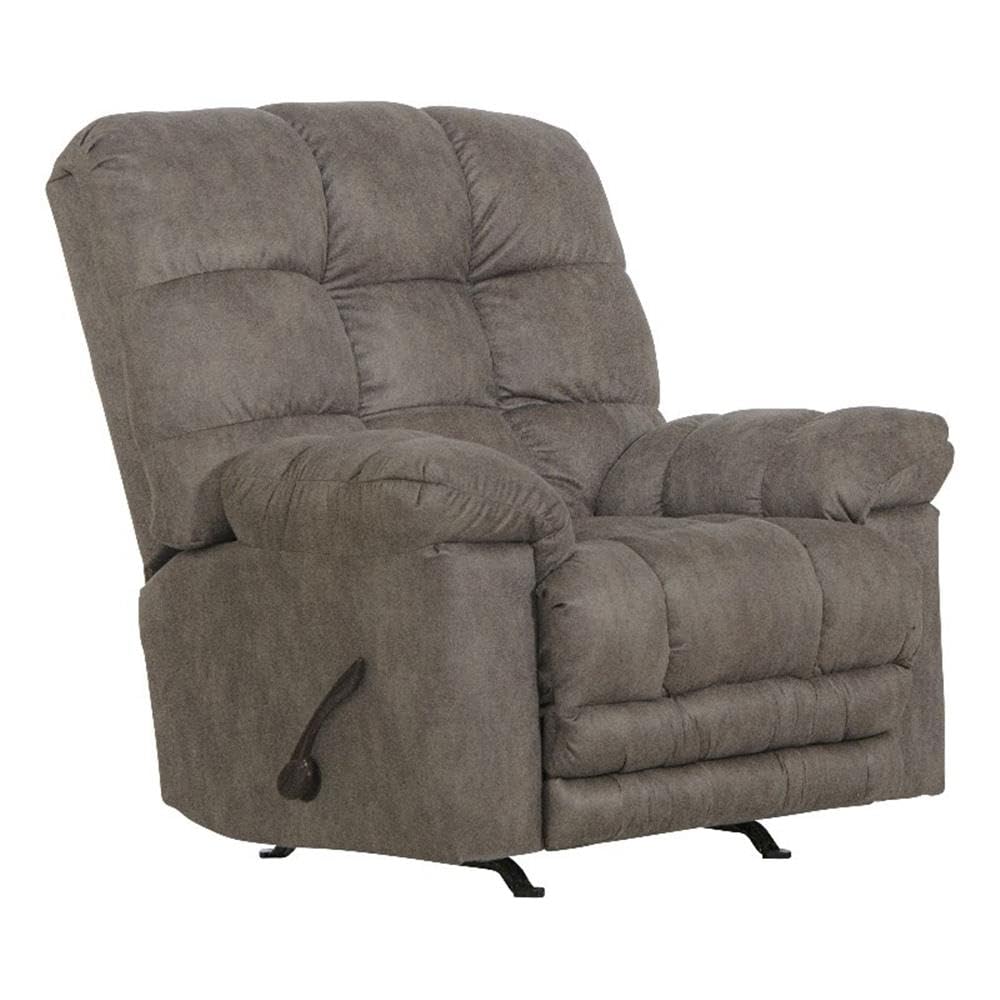
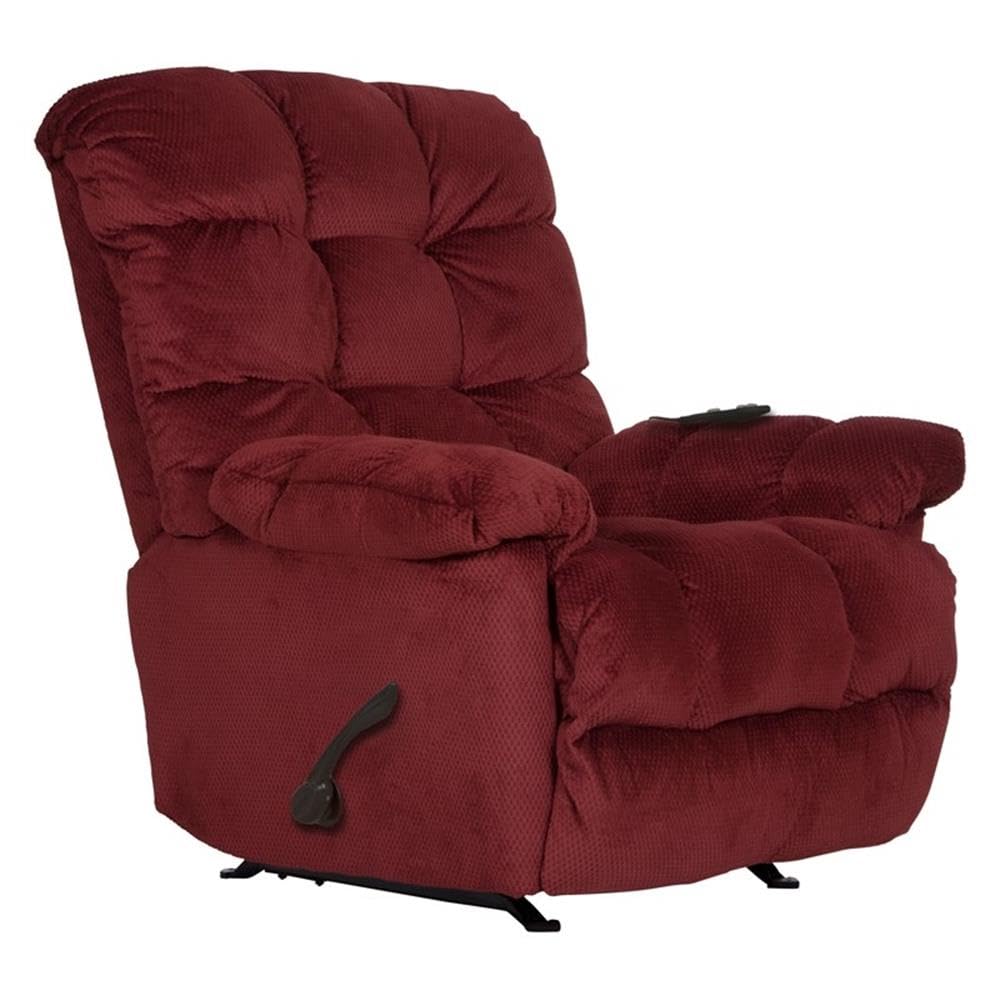
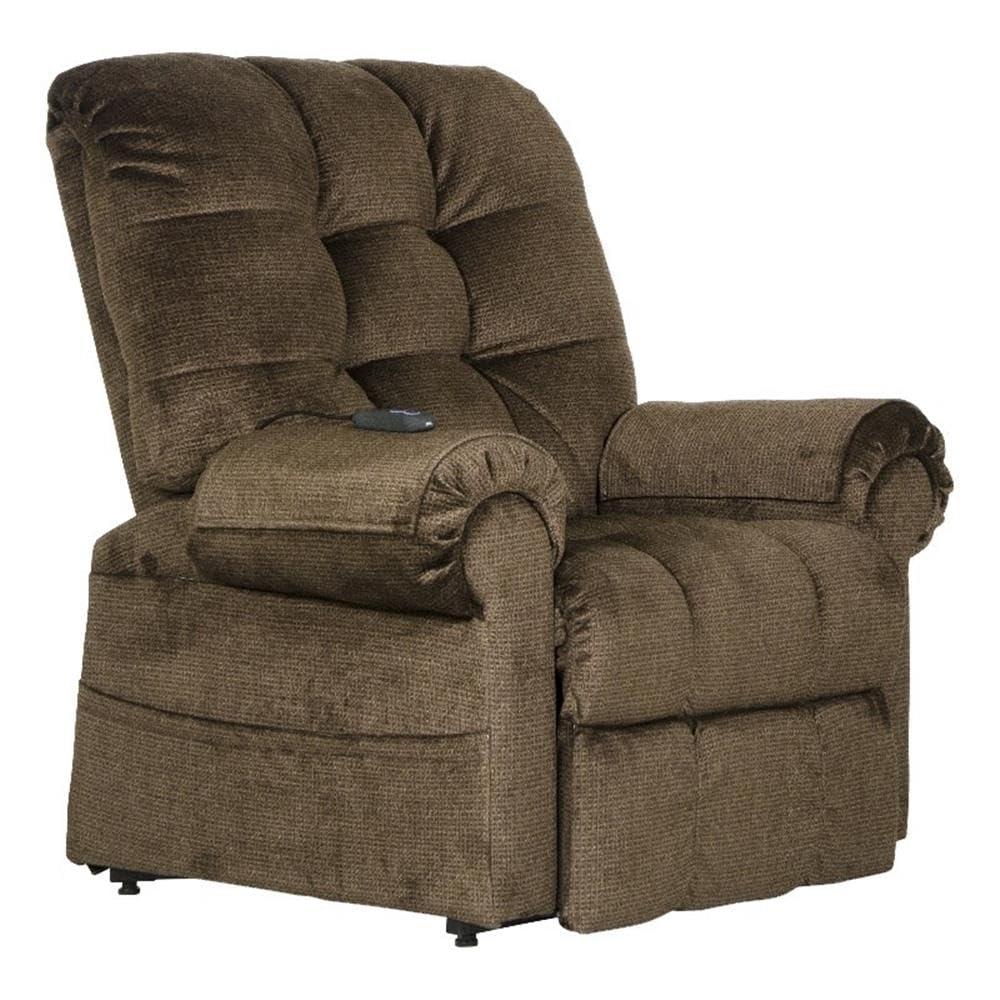
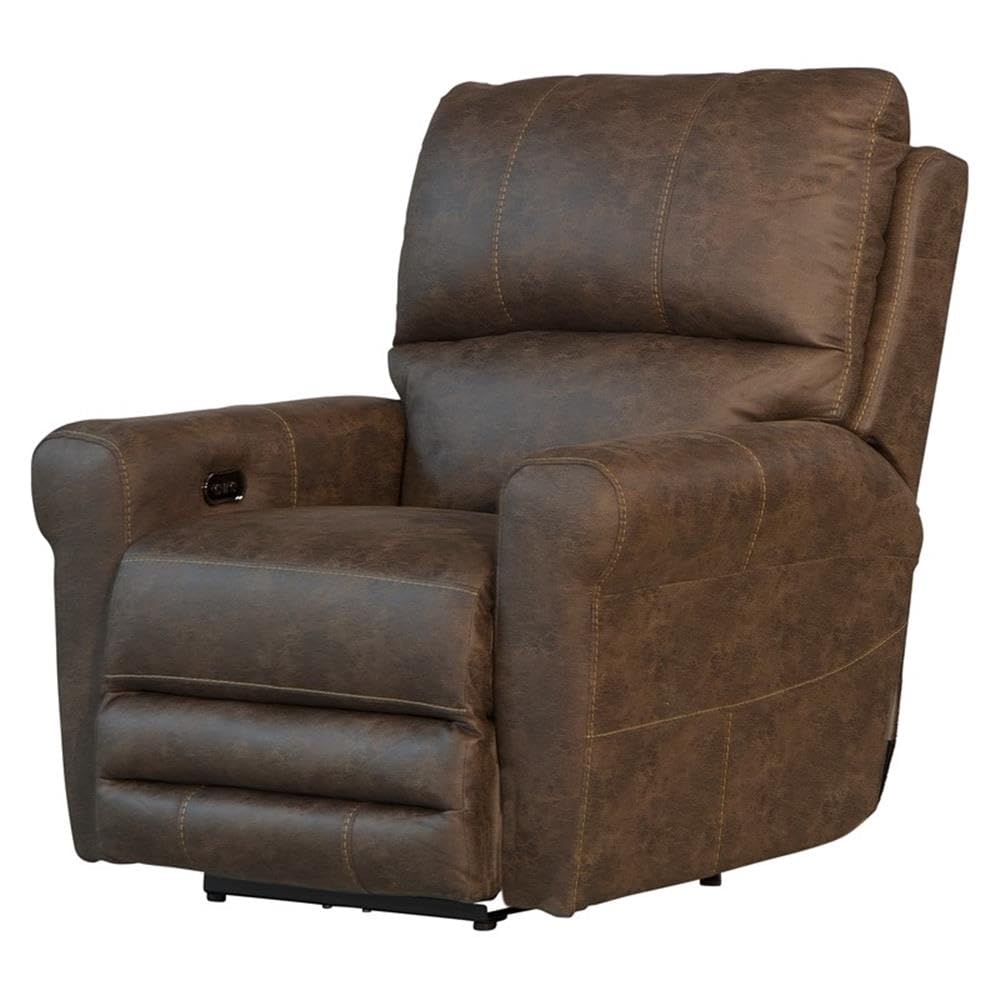


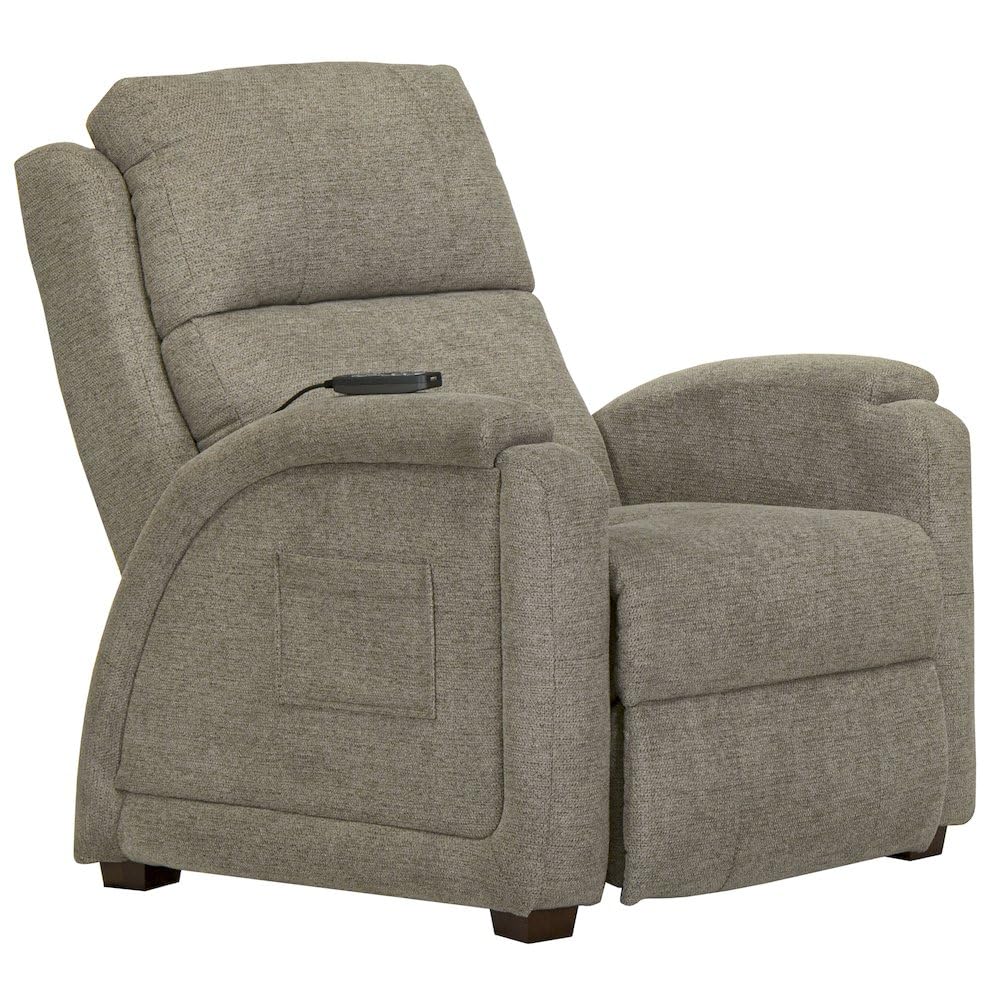

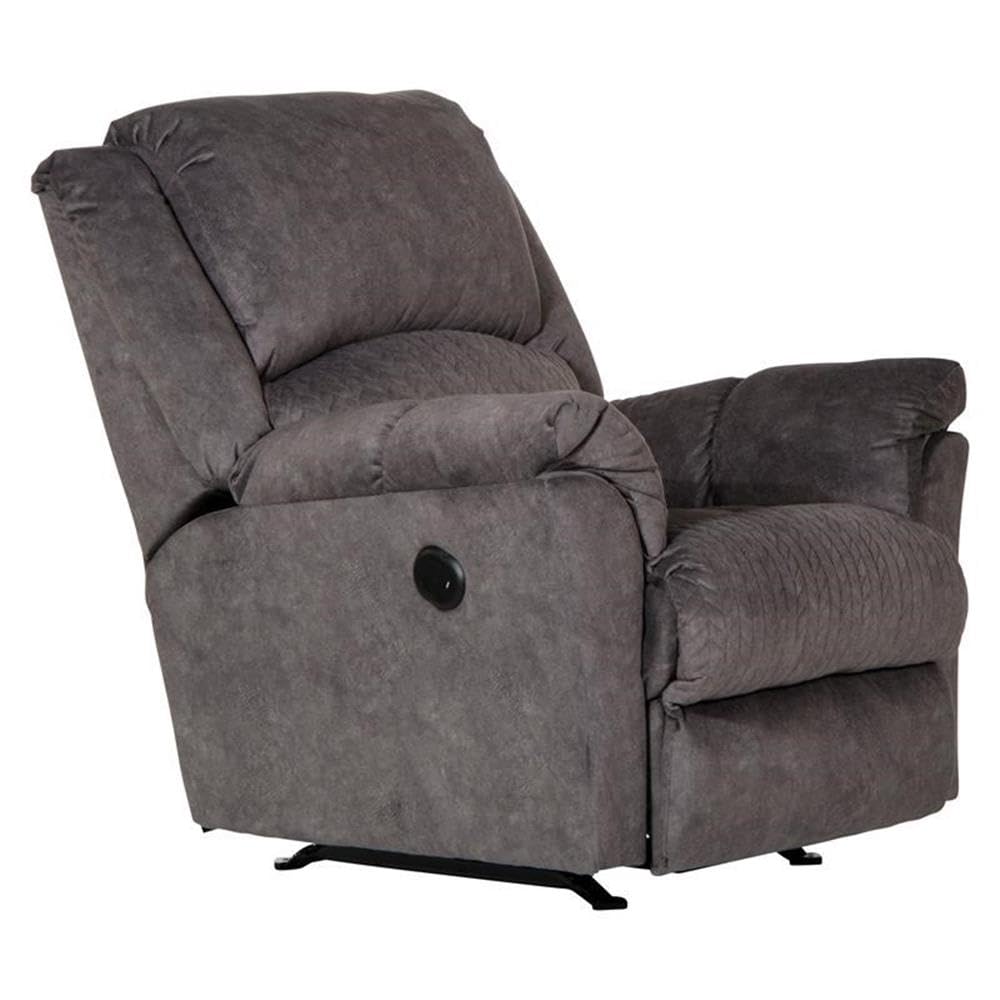
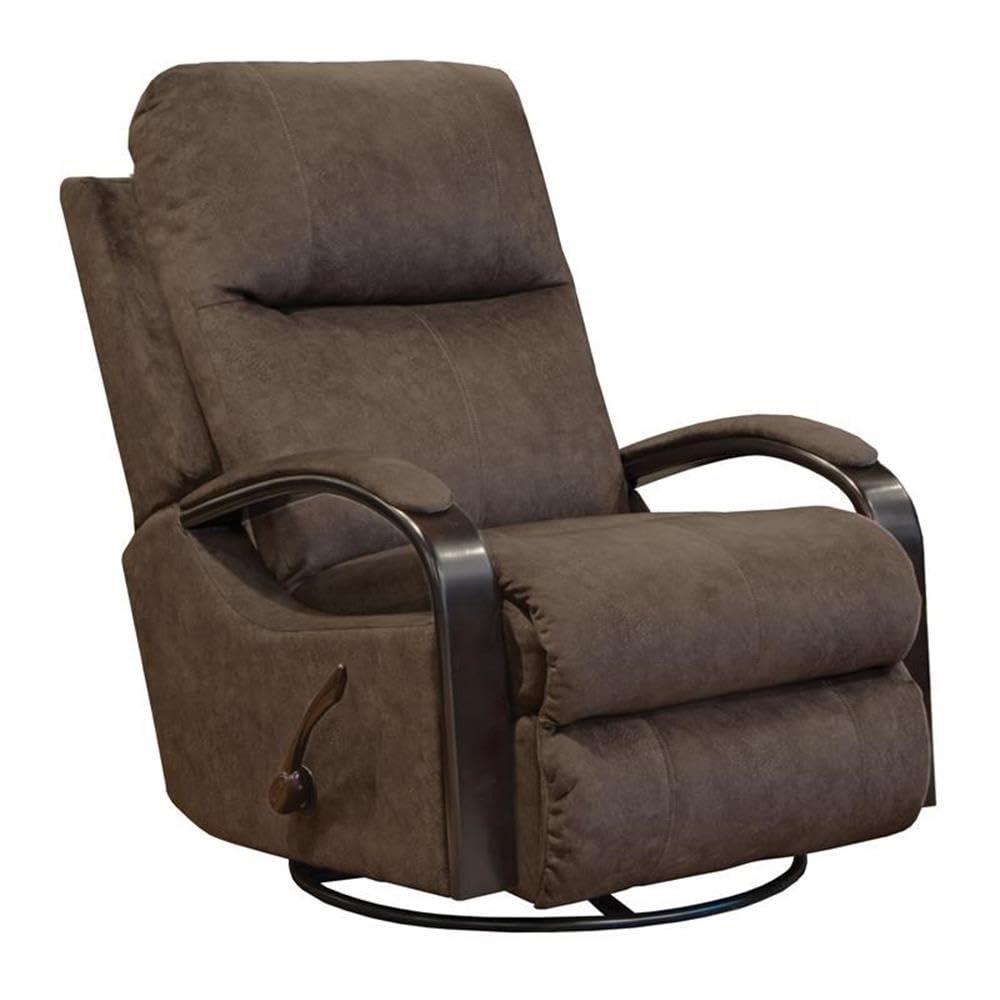
Catnapper Recliner Types at a Glance
Instead of ranking individual models, it helps to sort the Catnapper lineup into the three broad types most shoppers choose between. Each type suits a different room, body, and budget, and the tradeoffs between them are consistent across the brand. Find your type first, and the model choice inside that type becomes much simpler. If you are still weighing the brand against the wider market, our guide to the best recliner shows how these chairs sit within the category as a whole.
- Manual rocker recliners: You recline with a side handle or by pushing back, and the chair rocks gently when upright. These are the simplest and usually the lowest priced Catnapper chairs, with fewer parts that can fail.
- Power recliners: A button or remote moves the back and footrest to the exact angle you want, and many add a power headrest or lumbar control. They cost more, need an outlet nearby, and reward you with finer control.
- Oversized and wall hugger chairs: Oversized models widen the seat for larger bodies or sprawling sitters, while wall hugger designs slide forward as they recline, so they need only a few inches of clearance behind them.
How to Compare Catnapper Recliners
Compare any two Catnapper chairs on the same five points, in this order. Start with ergonomics and adjustability, meaning how the back, footrest, and headrest support your posture. Next look at build quality and materials, then size and weight capacity, then assembly, and finally the warranty. Manufacturer spec sheets and verified buyer feedback on fit and comfort are the most useful sources for each point. A chair that wins on features but fails on size or capacity is the wrong chair, no matter how plush it feels in a showroom.
How to Choose the Right Recliner
Size and Form Factor
Measure the full footprint with the chair fully reclined, not just upright, because most recliners need clear space behind and in front of them. Petite frames suit shorter sitters whose feet still reach the floor, while oversized frames give broader shoulders and longer legs proper support. A wall hugger design is the practical answer for tight rooms, and our guide to the best recliner for small spaces covers measuring tricks for apartments and small living rooms in more depth.
Type: Power, Manual, Rocker, and More
Manual chairs recline in set positions and need some body strength to close the footrest, while power chairs stop at any angle and suit anyone with limited mobility or sore knees. Rocker bases add gentle motion when upright, swivel bases help in open plan rooms, and lift chairs assist you back to standing. Leather and fabric versions exist across these types. For a fuller breakdown of the control question, read our comparison of power vs manual recliner designs before you commit.
Features Worth Paying For
Massage and heat sound appealing, but judge them by how often you will truly use them, since each adds cost, weight, and another part that can wear out. A power headrest earns its price more often, because it supports your neck while the back is reclined and your eyes stay on the TV. Cup holders and storage arms help in media rooms, and a USB port keeps a phone charged without a cable across the floor. Skip features that duplicate what a blanket or side table already does well.
Body Size and Weight Capacity
Match the chair to the largest person who will use it regularly, not to the average guest. Check the stated weight capacity and stay comfortably under it, because running near the limit strains the frame and mechanism over time. Seat width matters as much as capacity: your hips should fit with a little room to shift position, and the seat depth should support your thighs without pressing behind your knees. Taller sitters should confirm the extended footrest length, since a short footrest leaves your heels hanging and your calves aching.
Adjustability: Lumbar, Arms, and Height
Good adjustability lets the chair fit your spine instead of forcing your spine to fit the chair. Look for a back that reclines without opening a wide gap at your lower back, and for lumbar support that stays in contact through the whole motion. Arm height should let your shoulders rest level rather than shrug upward. If back comfort is your main reason for shopping, our guide to the best recliner for back pain explains supportive positioning in more detail, and persistent pain deserves a talk with your clinician.
Materials and Durability
The frame and mechanism decide how long a recliner feels solid, so favor sturdy frame construction and smooth, quiet motion when you test the handle or button. Cushion foam should feel supportive rather than marshmallow soft, because very soft foam packs down fastest in the seat. For covers, genuine leather breathes and ages with a patina, bonded and faux options cost less but can peel over time, and woven fabrics resist scratches from pets yet hold onto hair and spills. Choose the cover that matches your household, not the showroom.
Assembly and Warranty
Most recliners arrive in two pieces, with the back sliding onto brackets on the base, so confirm the box will fit through your door and up any stairs before ordering. Assembly is usually tool free and takes minutes, but a heavy power base may need two people to place safely. Read the warranty in parts, since frames, mechanisms, foam, and motors often carry different coverage lengths. Keep your receipt and note the claim process, because a generous warranty is only useful if filing a claim is simple.
How Much Should You Spend?
Expect Catnapper rockers and wall huggers at about $600 to $1,000, where you get the core comfort with basic fabric and fewer adjustments. Power recliners at about $1,000 to $1,500 add motorized recline, better foam, and tougher covers. Lift, massage, heat, and oversized models run higher, from about $1,300 up to $1,600 and beyond. Spending more mainly buys control and capacity, not automatically more comfort, so set your budget after you know your type and size, and let features compete for what remains.
The Catnapper Recliner Lineup Explained
Catnapper has built its name on generously cushioned chairs, and its lineup leans into that identity across every type. The brand range covers manual rockers for simple living rooms, power models for viewers who fine tune their angle often, and large chairs built for bigger bodies that many standard brands underserve. When shoppers ask which is the best catnapper recliner, the honest answer is that the lineup rewards matching, not ranking: a compact wall hugger serves a small den better than a flagship oversized power chair ever could.
Think of the lineup as three questions in sequence. First, how does the chair move: rocker, swivel, wall hugger, or lift? Second, how does it recline: by handle, by body pressure, or by motor? Third, how is it sized: petite, standard, or oversized? Answer those in order and only a handful of chairs remain, all of them plausible. Comparing those finalists on cover material and warranty then settles the choice without guesswork.
How to Make Your Recliner Last Longer
Vacuum the cover weekly with an upholstery attachment so grit does not grind into the fabric or leather, and blot spills at once rather than rubbing them deeper. Work the recline mechanism through its full range regularly, listen for new squeaks or grinding, and tighten any loose bolts you can reach. Keep the chair out of constant direct sunlight, which fades covers and dries leather. Our full routine for how to clean a recliner walks through fabric and leather care step by step.
Use the chair as a chair, not a step stool or a launching pad, since dropping into the seat shocks the frame and foam. Close a manual footrest with your legs rather than forcing the handle, and keep power cords clear of the mechanism so nothing pinches as it moves. For realistic expectations on lifespan and the signs that repair no longer pays, read our guide on how long does a recliner last before you budget for a replacement.
FAQ
Is Catnapper a good recliner brand?
Yes, Catnapper is a reasonable choice if plush cushioning and generous sizing are your priorities, and the brand is known for chairs that feel soft from the first sit. The trade off is that very soft seats can feel less supportive for long upright sitting, so people who read or work in their chair for hours should test firmer models. Judge the brand model by model using frame, foam, and warranty, rather than assuming every chair in the lineup performs the same.
Which Catnapper recliner should I buy?
Buy the one that matches your room, body, and recline style, in that order. Small rooms point to a wall hugger, larger bodies point to an oversized frame with capacity to spare, and anyone who struggles to close a manual footrest should go power. One useful extra check is your doorway width: some oversized bases need the back removed and a wider path than the product page suggests, so confirm the delivery route before the truck arrives.
How long does a Catnapper recliner last?
A Catnapper recliner used daily typically serves for years, with the cover and seat foam showing age before the frame does. Rotating where you sit is impossible in a single chair, but a small cushion can shift pressure points and slow the sag in your favorite spot. When the mechanism starts to lean, wobble, or catch mid motion, get it assessed promptly, because a failing mechanism under load can damage the frame and turn a repair into a replacement.
How do you clean a Catnapper recliner?
Start by checking the care code on the tag under the seat, since it tells you whether water based or solvent cleaners are safe for that cover. Vacuum first, then test any cleaner on a hidden patch and wait for it to dry before treating a visible area. Leather versions benefit from a conditioner a couple of times a year to prevent surface cracking. Never soak the padding, because trapped moisture deep in foam is slow to dry and can leave a lasting odor.
Is a recliner worth it compared with a regular armchair?
For most people who sit for long stretches, yes, because raising your feet and easing the back angle spreads pressure that a fixed armchair concentrates on your hips and lower back. A recliner also changes position through the evening, which helps you stay comfortable without stacking cushions. The costs are space, weight, and price, so a recliner earns its place in rooms where you truly linger, and matters less in a formal room used only for guests.
Final Thoughts
Choosing the best catnapper recliner comes down to fit before features: the right size for your room and body, the recline style your strength and habits call for, and a cover that suits your household. Sort the lineup by type, check capacity and clearance with real measurements, and let massage, heat, and ports compete only after those basics pass. The product table above pulls the key specs together so your final comparison takes minutes, not another evening of tabs.


