
Best Casual Luxury Watches: Buying Guide and How to Choose for 2026
Disclosure: We may earn a commission when you buy through links on this page, at no extra cost to you. As an Amazon Associate I earn from qualifying purchases. Learn more

Use this guide to the best casual luxury watches to compare movements, case sizes, and water resistance, and choose a watch that fits your daily life.
A casual luxury watch has a tricky job. It should feel special on your wrist, survive daily wear, and still look right with a plain shirt and jeans. Shoppers hunting the best casual luxury watches often get stuck between movement types, case sizes, and prices that climb fast.
This guide breaks the choice into plain parts: what each price tier delivers, how movements differ, and which size and crystal suit your wrist. Start with the comparison table below, then use the sections that follow to rule options in or out with confidence.


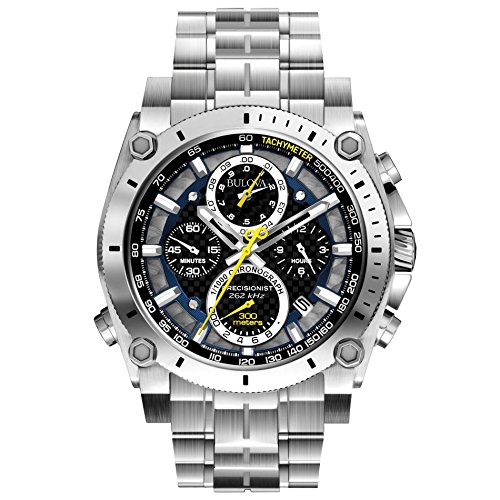
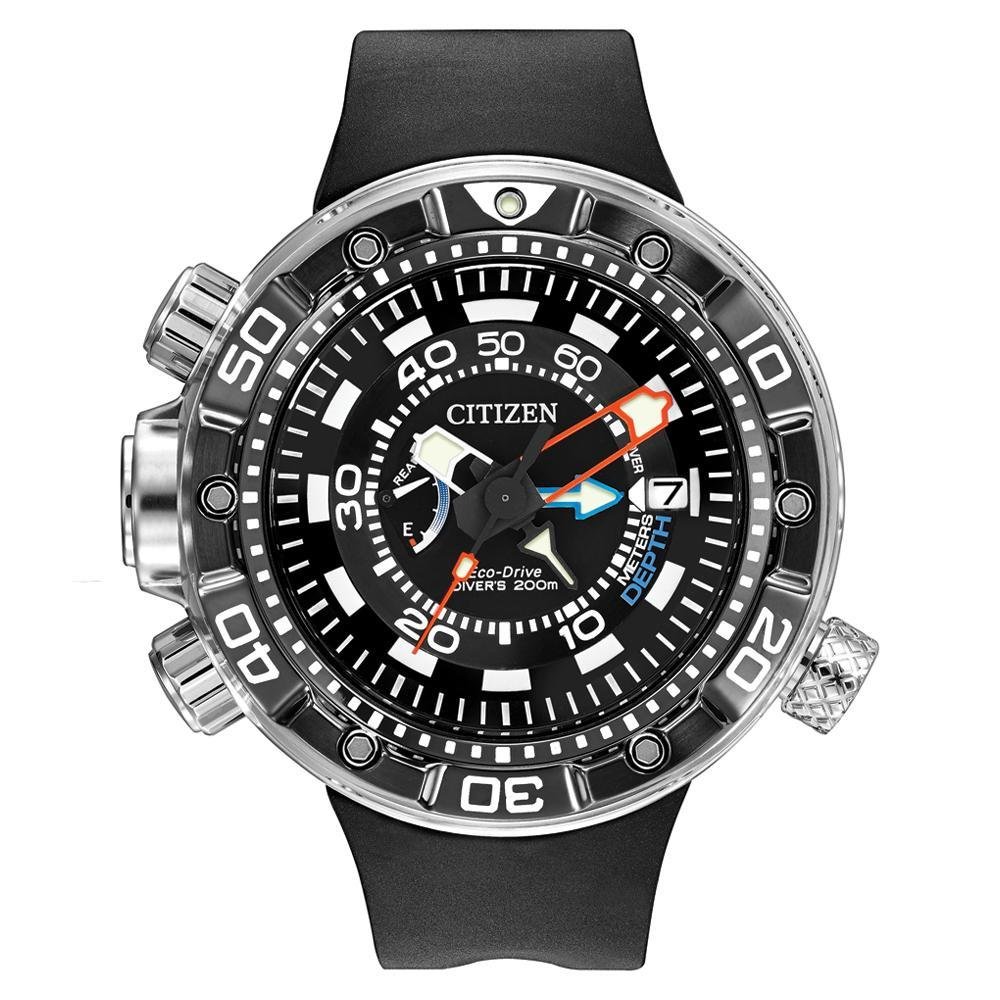


Price Tiers at a Glance
Rather than chasing named models, think in tiers. Each tier buys you a clear step in materials, finishing, and long term service support. Knowing what a tier normally delivers stops you from paying premium money for entry level parts.
Entry Luxury Tier
At around $500 to $1,500, expect a quartz or basic automatic movement, a stainless steel case, and a mineral or basic sapphire crystal on better pieces. Finishing is clean but simple, and straps are usually genuine leather or a solid steel bracelet without fine adjustment. This tier suits a first luxury purchase and daily office wear.
The honest limit is resale value and fine detail. Dial texture, hand finishing, and bracelet feel will not match higher tiers. Still, a well chosen entry watch can run for years with only a battery change or basic service, which makes it a sensible place to start.
Mid Tier Value
At about $1,500 to $4,000, you usually gain a sapphire crystal, better water resistance around 100 meters, stronger lume, and a more refined automatic movement with a longer power reserve. Bracelets feel smoother, clasps adjust more precisely, and dials show more depth in person.
This is the tier many daily wearers settle on, because the watch feels truly premium without becoming too precious to wear. If you are comparing this range with the wider market, our guide to the best luxury watches gives useful context on how brands position their lines.
Premium Tier
Above about $4,000, you pay for movement decoration, brand heritage, tighter accuracy, and materials such as titanium or ceramic on some models. Service networks are stronger, spare parts stay available longer, and resale demand is usually better for respected brands.
The limit is value for money. Past this point, each extra thousand buys smaller and smaller daily differences. Buy at this tier because you love the design and plan to keep the watch for many years, not because a feature list looks longer.
How to Choose the Best Casual Luxury Watches: Buying Guide
This is the core of the decision. Work through movement, water resistance, size, and materials in that order, because those four shape daily life with the watch. Style matters, but a beautiful watch in the wrong size or with the wrong movement will spend its life in a drawer. The best casual luxury watches for you are the ones whose basics fit your routine.
Movement Type: Quartz, Automatic, Solar, and Smart
Quartz movements run on a battery, keep excellent time, and ask for almost no attention. Automatic movements wind from your wrist motion, feel more traditional, and need service every five to seven years or so. Solar movements charge from light and remove battery changes for many years.
Smart features belong to a different category of watch, covered under fitness below. For a classic casual luxury piece, choose quartz for ease, automatic for craft and ritual, and solar for low upkeep with a traditional look. Your tolerance for maintenance should decide this, not fashion alone.
Smart and Fitness Features
Some luxury leaning watches add GPS, heart rate tracking, and notifications. These tools are handy for runs and travel, but they are wellness aids, not medical devices, and readings should never replace advice from a clinician. Battery life also drops sharply, from years on quartz to days or weeks on a smart model.
Decide honestly whether you will charge another device. If you want one watch for the gym and the office, a hybrid style can work. If you already own a fitness tracker, a classic watch gives you a cleaner dial and far less upkeep.
Water Resistance Rating
Ratings confuse many buyers. A 30 meter rating means splash resistance only, so hand washing and light rain, not swimming. A 100 meter rating handles swimming and showering for most people. A 200 meter rating suits regular swimming and recreational diving with more margin.
Know how tip: ratings assume still water and new seals. Moving your arm while swimming raises pressure, and old gaskets leak. Have seals checked every couple of years if you swim often, and never press buttons underwater unless the maker says you can. For a daily casual watch, 100 meters is the sweet spot for most wrists. Readers who push harder use may prefer the guidance in our article on the best sporty luxury watches.
Brand Reputation, Warranty, and Value
A luxury watch is a long term object, so the brand behind it matters. Look for a warranty of at least two years, a service center you can actually reach, and clear pricing for routine service. Brands with long production runs tend to keep parts available, which protects your purchase.
Value holding varies widely and no watch should be bought as an investment first. Buy the design you want to wear, from a brand with a steady record, and treat any resale strength as a bonus rather than a promise.
Legibility and Style
You read a casual watch at a glance, often in poor light. Strong contrast between hands and dial, clear hour markers, and good lume on the hands make a real difference at dusk. A date window helps daily users, though it slightly breaks dial symmetry.
For style, casual luxury sits between dress and sport. A clean dial, brushed steel, and a strap you can swap keep the watch flexible across outfits. A quick release strap system makes that swap take seconds with no tools, which encourages you to change looks instead of buying a second watch. If you prefer a simpler everyday style overall, our guide to the best casual watches covers lighter and lower priced options.
Case Size and Wrist Fit
Case diameter between 38 and 42 mm suits most wrists for casual wear. Below 38 mm reads classic and neat on smaller wrists, while 44 mm and above reads bold and sporty. Thickness matters as much as width, because a thick case catches on cuffs and feels top heavy.
Know how tip: measure lug to lug length, the full span that sits on your wrist. If that span overhangs your wrist edges, the watch will feel too big even if the diameter sounds fine. Try watches on late in the day, when wrists are slightly fuller, for the most honest fit.
Crystal and Case Materials
Sapphire crystal is the premium standard because it resists scratches from almost everything except diamond. Mineral crystal costs less and can shatter more easily, though it handles small knocks well. For a watch you plan to keep, sapphire is worth prioritizing.
For cases, 316L stainless steel is the durable default, with good corrosion resistance and a satisfying weight. Titanium feels far lighter and suits people who dislike a heavy wrist, though it shows surface marks more readily. Gold and two tone finishes raise price fast and narrow how casual the watch feels.
Types of Casual Luxury Watches
Quartz Watches
Quartz watches are accurate, slim, and easy to own. A battery lasts about two to three years, and the watch keeps time whether you wear it daily or weekly. They suit busy people who want luxury looks without winding or setting rituals.
Solar Watches
Solar watches use light to charge a rechargeable cell, so they combine quartz accuracy with very low upkeep. Keep them near a window now and then if they live in a drawer. They suit owners who dislike battery changes and want an always ready watch.
Automatic Watches
Automatic watches appeal to people who enjoy mechanical craft. They need regular wear or a winder to keep running, and service costs more over time. They suit enthusiasts who see setting the time on Monday morning as a pleasure, not a chore. Shoppers comparing dedicated lines may also enjoy our guide to the best men's luxury watches for fit and style notes.
How to Make Your Casual Luxury Watch Last Longer
- Service automatic watches on schedule. A service every five to seven years replaces worn oils and seals before damage spreads.
- Rinse after saltwater exposure. Fresh water removes salt that attacks seals and bracelets, even on a highly rated watch.
- Store the watch away from magnets. Speakers and tablet covers can magnetize a movement and hurt accuracy.
- Rotate straps to reduce wear. Leather rests and dries between wears, which delays cracking and odor.
- Keep the crown screwed or pushed in. An open crown is the easiest path for water and dust to enter the case.
Frequently Asked Questions
How long does a luxury watch battery last?
A quartz luxury watch battery usually lasts about two to three years. Replace it promptly once the watch stops, because an old battery can leak and damage the movement. One point owners miss: water resistance should be retested after every battery change, since opening the case breaks the original seal, and a quick pressure check costs little compared with water damage.
What watch case size fits my wrist best?
Most wrists suit a case between 38 and 42 mm, with lug to lug fit mattering more than diameter alone. Measure your wrist, then check that the lugs sit within its width. Smaller wrists often look best at 36 to 40 mm. If you shop online, order from a seller with easy returns, because wrist fit is hard to judge from photos alone.
How water resistant should a casual luxury watch be?
A casual luxury watch should carry at least a 100 meter rating if you plan to swim or shower with it. A 30 meter rating covers splashes only, despite how the number sounds. Also note that leather straps should stay out of the water entirely, whatever the case rating says, because repeated soaking shortens strap life quickly.
Quartz or automatic: which is better for a casual luxury watch?
Neither is better for everyone; quartz wins on accuracy and low upkeep, while automatic wins on craft and long term charm. Quartz suits a grab and go routine. Automatic suits someone who wears the watch most days and accepts service costs. Your wearing pattern, not prestige, should settle this choice.
Is a smartwatch worth it over a classic luxury watch?
A smartwatch is worth it if you truly use its health and notification tools every day. A classic watch wins on longevity, because software support ends long before a mechanical or quartz movement wears out. Many owners end up with both, using the smartwatch for training and the classic watch for everything else.
Our Verdict
Decide movement first, then size, then water resistance and crystal. Those choices shape daily satisfaction far more than small design details. Match the tier to how long you plan to keep the watch, and the best casual luxury watches become a short, clear list. Compare your finalists in the product table above, and if you are shopping for a partner as well, our guide to the best luxury watches for women covers smaller case fits in depth.


