
Best Casual Leather Shoes 2026
Disclosure: We may earn a commission when you buy through links on this page, at no extra cost to you. As an Amazon Associate I earn from qualifying purchases. Learn more

Compare the best casual leather shoes by style, leather type, sole feel, and fit, with care tips for work and weekend wear and a clear price guide.
A good pair of best casual leather shoes should look put together with jeans on Saturday and with chinos on Monday, and it should still feel easy after a long day. Leather earns that role because it molds to your foot, takes polish, and ages well, but the label covers everything from soft suede sneakers to stiff stitched derbies.
This guide explains how the common styles differ, which leather and sole details matter, and how to fit and care for a pair so it lasts. Use the product table above to compare current options, then use the sections below to decide which style suits your week.

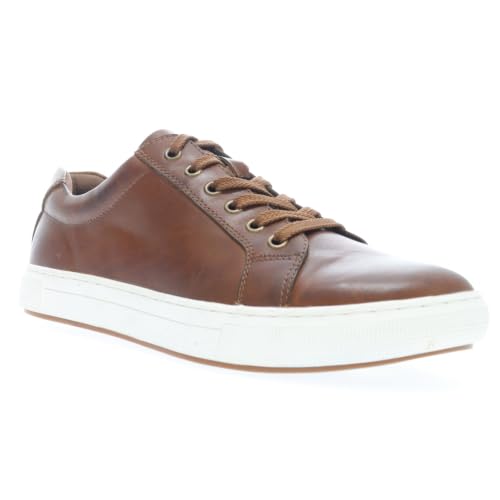

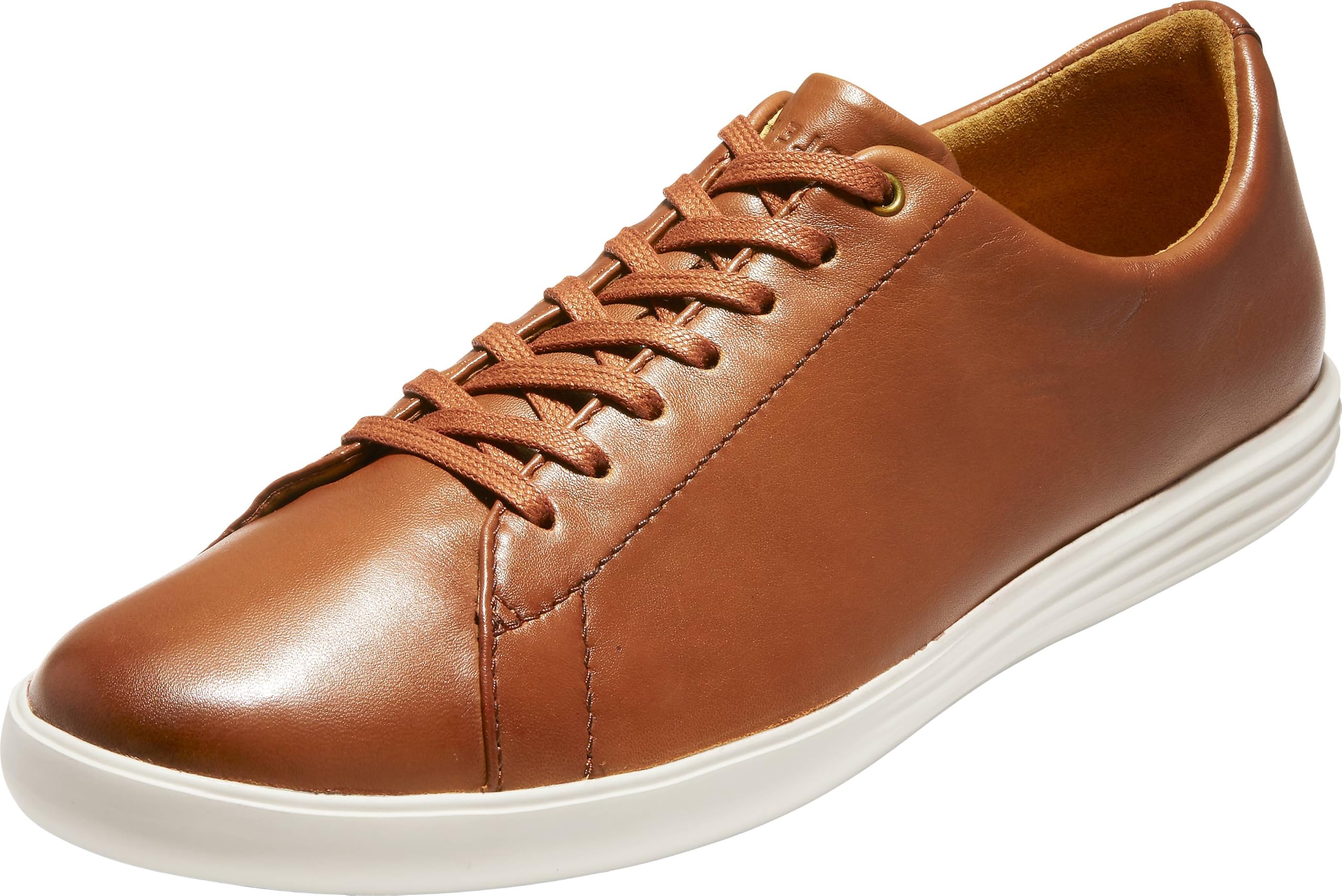

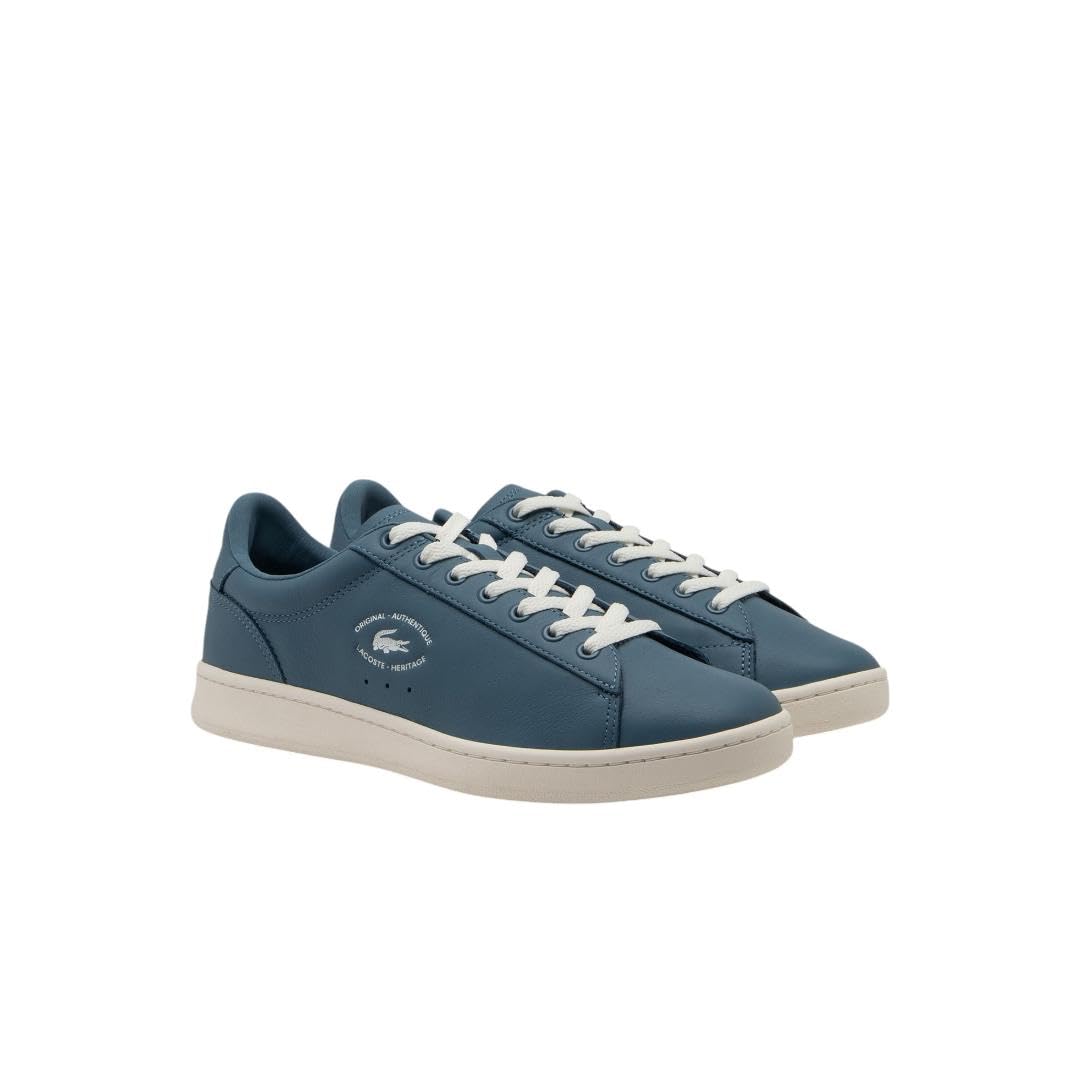
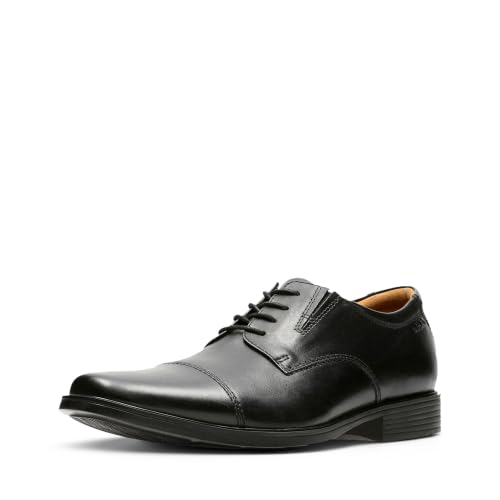


Casual Leather Shoe Styles and What Each Does Well
Style decides where a shoe fits in your wardrobe before material or price does. Casual leather shoes fall into four main groups, and each trades polish for comfort in a different way.
Leather Sneakers
Leather sneakers are the most relaxed option. They use a cupsole or foam midsole, a clean upper, and very little decoration, so they sit comfortably under denim and casual trousers. They are also the easiest to wear in all day because the sole is usually softer and more flexible than on a dress style.
Choose them if your dress code is relaxed or if you walk a lot. White and cream versions show scuffs quickly, while black, navy, and tan hide them better.
Loafers and Slip Ons
Loafers sit in the middle of the range. A penny or plain loafer looks smart enough for a casual office, yet it slides on and off in seconds, which is why many people reach for them on travel days. The trade off is heel grip, because a slip on has no laces to hold the foot in place.
If your heel lifts as you walk, try a half size down or look for a style with a firmer heel counter and a snug collar. Socks matter here too, since a thin sock can make a loafer feel loose.
Derbies and Plain Toe Lace Ups
Derbies have open lacing, which makes them roomier across the instep than an oxford and easier to adjust through the day. A plain toe derby in smooth leather works with almost any casual outfit, and a version with a rubber sole handles wet pavement far better than one with a leather sole.
They suit people with a higher instep or wider forefoot, and they are a good first step up from sneakers when you want something a little sharper. For a dressier take on the same idea, see our guide to the best casual dress shoes.
Suede and Nubuck Styles
Suede and nubuck are leather with a brushed surface. They feel soft from the first wear and look relaxed, but they stain more easily and dislike heavy rain. A protector spray before the first wear and a suede brush afterward keep them presentable.
Leather Type and Finish
The best casual leather shoes start with honest material. Full grain leather keeps the natural surface of the hide, so it develops a patina and holds up longest, though it can feel stiffer at first. Corrected grain leather has a sanded and coated surface that looks even and resists marks, which makes it a practical choice for a lower price. Both can make a good everyday shoe if the construction is sound.
Be careful with listings that say only "genuine leather" or "leather upper" without more detail. Those phrases can describe a thin layer of leather bonded to a backing, which creases sharply and wears out sooner. When a listing names the leather type and the lining, that is a good sign.
Lining matters for comfort. A leather or breathable fabric lining keeps feet drier than a plain synthetic one, which matters most in warm weather and on long days.
Soles, Cushioning, and Support
The sole controls how a shoe behaves on the street. Rubber soles grip wet pavement and absorb shock, and most casual leather shoes use them for that reason. Leather soles look refined but slip on smooth wet surfaces and wear faster on concrete.
Check the footbed as well. A removable insole lets you add an orthotic or a thicker cushion, and a padded collar and tongue stop the shoe from rubbing at the ankle. Stitched soles can often be repaired by a cobbler, while glued soles are usually replaced with the shoe.
If you stand all day, look for a shoe with a firm midsole rather than a very soft one. Soft foam feels good in the first hour, but it can flatten sooner under body weight.
Getting the Fit Right
Try shoes on late in the day, when feet are slightly larger, and wear the socks you plan to use. You want about a thumb width of space beyond the longest toe, a secure heel, and a toe box that lets the toes lie flat without pressing on the top of the shoe. Leather softens with wear, but it will not fix a shoe that is too short.
Width deserves as much attention as length. If the sides of your foot press against the upper, ask for a wide version instead of sizing up, because extra length makes the heel slip and the shoe crease in the wrong place.
Expect a short break in period. Wear a new pair for a few hours at a time, and stop if you notice a sharp pressure point. Persistent pain, numbness, or blisters mean the fit is wrong, and a podiatrist or fitter can help if you have ongoing foot problems.
Caring for Casual Leather Shoes
Brush off dust after wear, wipe marks with a damp cloth, and let wet shoes dry slowly at room temperature, away from radiators and direct sun. Heat dries leather out and can crack it within a season.
Condition smooth leather when it looks dull or dry, and use shoe trees or crumpled paper to hold the shape overnight. Rotating two pairs gives each one a full day to dry out, which is the simplest way to extend the life of any leather shoe.
Replace laces when they fray, and have worn heels or soles repaired before the damage reaches the midsole. A small repair costs far less than a new pair.
How Much to Spend
Pairs at the lower end of the range, often around $60 to $90, usually use corrected grain leather and glued soles, and they suit occasional wear. Between roughly $90 and $150, you commonly find better leather, a more cushioned footbed, and stitched construction. Above that, you are paying for materials and workmanship that can be resoled and repaired.
Think in cost per wear. A comfortable pair you wear three times a week for a couple of years costs less per day than a cheap pair that you replace every few months.
Frequently Asked Questions
Can I wear casual leather shoes with jeans?
Yes, and that is what they are designed for. Dark or mid blue denim pairs well with brown or black leather, and a clean hem that just touches the top of the shoe looks the most polished. Very distressed jeans suit sneakers better than dressy derbies.
How do I stop leather shoes from creasing?
Some creasing is normal, because leather bends where your foot bends. Shoe trees help the shoe return to shape after wear, and a correct fit keeps creases from forming in awkward spots. Conditioning leather keeps the creases softer and less likely to crack.
Are leather shoes comfortable for all day wear?
They can be, if the sole is cushioned, the toe box is roomy, and the fit is right. Leather sneakers and rubber soled derbies are usually the most comfortable styles for long days on hard floors.
Is suede or smooth leather better for everyday use?
Smooth leather handles weather and cleaning more easily, so it suits wet climates and daily office wear. Suede looks softer and more relaxed but needs protection and more careful cleaning, so it suits drier weather and casual days.
How long should casual leather shoes last?
With regular wear and basic care, a well made pair often lasts several years, and a resoleable pair can last much longer. Cheaper glued constructions may wear out in a year or two. Rotation and drying between wears matter as much as the price.
Final Thoughts
Pick the style that matches your week, check the leather and sole details, and let fit decide the final choice. Use the product table above to narrow the field, then choose the pair that feels right on your feet. The best casual leather shoes are the ones that look good with the clothes you already own and stay comfortable from the first hour to the last.


