
Best Casual Leather Boots for 2026: Types Compared and How to Choose
Disclosure: We may earn a commission when you buy through links on this page, at no extra cost to you. As an Amazon Associate I earn from qualifying purchases. Learn more

Compare casual leather boot types, leather quality, fit, soles and care, so you can choose a pair that suits work, weekends and travel well.
Leather boots can look similar on a shelf and feel very different on your feet. A smooth Chelsea, a soft suede chukka and a rugged moc toe boot all count as casual, yet each suits a different day. The best casual leather boots for you depend on leather, fit and sole more than on color alone, and the comparison table below will make more sense once you know each type.
Start with how you will wear them most. Boots for a relaxed office need a cleaner shape and a quiet sole. Boots for weekends and travel need grip, room for thicker socks and leather that shrugs off scuffs.


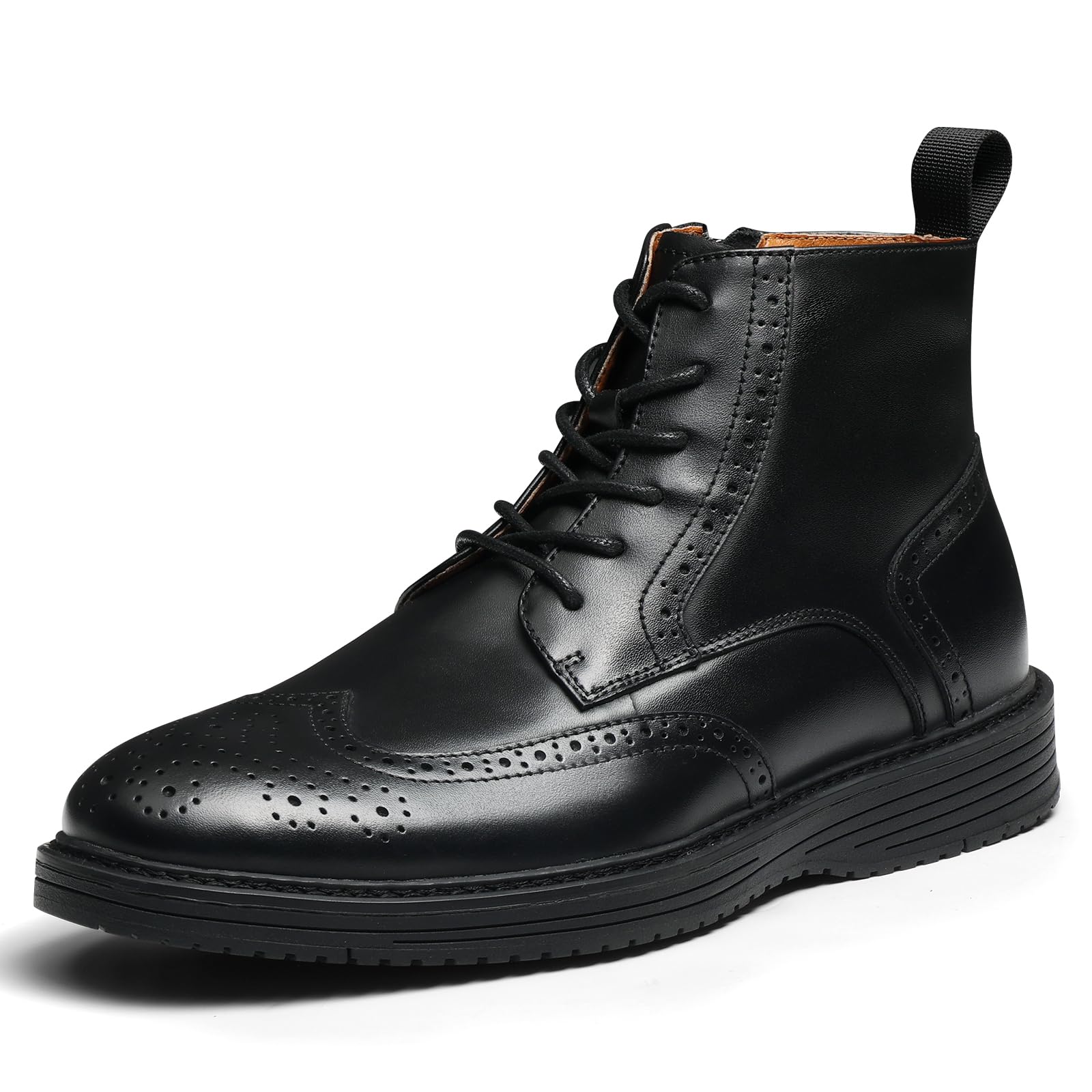


Who Should Buy Which Casual Leather Boots?
Match the boot to the day you repeat most often. Your commute, dress code and weather narrow the choice faster than price does.
Relaxed Office and Smart Casual Wearers
You need a boot that sits neatly under chinos or dark denim and feels easy all day. Choose a Chelsea or plain toe boot in smooth leather, with a low profile rubber sole that stays quiet on hard floors. Men can also see our guide to the best men's casual leather boots for men sizing and lasts.
Weekend and Travel Wearers
You walk farther, stand longer and pack light, so comfort and versatility matter most. A chukka or moc toe boot with a cushioned insole and a grippy rubber outsole handles pavement and uneven paths well. Pick a mid tone leather that hides dust and works with jeans, cords and a jacket, so one pair covers most outfits.
Wet Climate and Daily Commute Wearers
You step through rain and puddles often, so leather choice and sole grip come first. Look for water resistant leather or a waterproof membrane such as Gore Tex, sealed seams and a lugged rubber outsole for wet leaves and slick stone. A taller shaft keeps splashes off socks, and rotating a second pair gives each boot a day to dry.
Types of Casual Leather Boots Compared
The four types below cover most casual wardrobes, and they differ in opening, lacing and shape. In practice, the best casual leather boots are the type you reach for three or four days a week. For the wider category, see our guide to the best leather boots, and for styles beyond leather, see our guide to the best casual boots.
Chelsea Boots for a Clean Slip On Shape
Chelsea boots slip on through elastic side panels and sit close to the ankle, with no laces to break the clean line. That smooth shape dresses up with a blazer or down with jeans. The fit must be snug at the heel, because you cannot tighten laces to fix slipping. Smooth leather suits them best, while suede scuffs faster in rain.
Chukka Boots for a Relaxed Lace Up Feel
Chukka boots are ankle boots with two or three lace eyelets, often in suede or soft leather with a crepe or rubber sole. The open lacing leaves room across the top of the foot, so chukkas feel relaxed from the first wear and suit wider feet. Suede pairs easily with jeans, but it drinks in water, so keep suede chukkas for dry days or treat them first.
Moc Toe Boots for Room and a Rugged Look
Moc toe boots have a raised seam around the toe, a roomy toe box and often a light wedge sole that feels soft underfoot. The shape reads rugged and informal, which suits jeans and flannel more than tailored trousers. Wedge soles grip flat floors well but can wear smooth faster on rough ground, and the pale sole shows dirt quickly.
Plain Toe Boots for Long Service and Polish
Plain toe boots lace higher up the ankle and keep the toe smooth and unadorned, which gives them a tidy and versatile look. Many use thicker leather and stitched soles, so they feel firmer at first and last for years with resoling. They work with denim on weekends and with wool trousers when polished.
Key Features to Compare
Once the type feels right, compare these details. They decide comfort in the first week and value over the life of the boot.
Leather Quality and Finish
Full grain leather keeps the hide surface intact, so it resists scuffs, breathes well and gains character as it ages. Corrected grain leather has a coated, even finish that sheds light rain and costs less, but it can crease and peel sooner. Suede and nubuck feel soft and look relaxed, yet they stain easily and need a protector spray. Thicker leather, around 1.6 to 2.2 mm, holds its shape longer but feels stiffer at first.
Construction and Resoling
Construction decides whether a worn sole ends the life of a boot or starts its second chapter. A Goodyear welt stitches the upper, welt and sole together, so a cobbler can replace the sole. Blake stitching feels lighter and more flexible, and it can also be resoled. Cemented soles are glued and cost less, but they cannot be resoled once they separate. For stitched options in men lasts, see our guide to the best leather boots for men.
Fit, Sizing and Toe Box
Fit your boots late in the day, when your feet are at their largest, and wear the socks you plan to use. Your heel should sit secure with only slight lift, and your toes need room to spread without pressing the front. Leather stretches across the width as it breaks in, but it does not gain length, so a toe that touches the end will never become comfortable.
Outsole Grip and Sole Shape
The outsole decides where a boot feels safe. Flat rubber soles with shallow tread suit offices and dry pavement, while deeper lugs bite on wet paths and gravel and add stability. Crepe soles feel soft and quiet but can slip on wet smooth stone, and leather soles offer the least grip and wear fast in rain. Weight matters too, because a heavy stiff sole tires your stride, while a flexible sole bends with your foot on long walks.
Cushioning, Arch Support and Breathability
A leather upper alone does not make a boot comfortable for a full day. Look for a cushioned insole you can remove and replace, plus arch support firm enough to keep your foot steady. A leather lining absorbs moisture and feels breathable, while a synthetic lining dries faster after rain. If you stand on concrete for hours, a foam layer under the insole matters more than extra leather thickness.
Common Mistakes to Avoid
These errors cost comfort or money, and each one is easy to avoid before you pay.
- Buying boots in the morning and judging fit on smaller feet leaves them tight and painful by evening.
- Choosing suede for a wet climate without protection lets water stain leather with lasting marks.
- Ignoring sole construction to save money can leave you with glued soles that cannot be replaced when worn smooth.
- Sizing up to escape a stiff break in period gives a loose heel that rubs blisters on every walk.
- Wearing one pair every day keeps leather damp, which shortens its life and builds odor.
Care and Maintenance for Casual Leather Boots
Brush dirt off after wear and wipe salt or mud away with a damp cloth, because grit in creases cuts into leather. Condition smooth leather every few weeks of regular wear to replace lost oils, and use a suede brush and protector spray on suede instead. Keep conditioner light, since heavy coats can darken leather.
Rest each pair at least a day between wears with shoe trees inside, so moisture leaves the lining and the shape holds. Dry wet boots slowly at room temperature, away from radiators and direct heat. Store boots upright out of sunlight, and take worn soles to a cobbler early, before wear reaches the welt.
Casual Leather Boots: Your Questions Answered
Are expensive casual leather boots worth the money?
Yes, higher priced casual leather boots are often worth it when the extra cost buys full grain leather and a stitched sole a cobbler can replace. Judge value by cost per year of wear, because a boot worn for eight years can cost less per year than a cheap pair replaced twice. A high price on thin coated leather buys very little.
Do casual leather boots need waterproofing?
Casual leather boots do not need full waterproofing for dry city use, but they do need protection if you walk in rain often. A protector spray or light wax slows water entry on smooth leather, while a built in membrane handles steady rain better. Heavy wax can darken pale leather, so try any product inside the heel first.
How long does the break in period last for casual leather boots?
The break in period for casual leather boots usually lasts about one to two weeks of regular wear, or roughly 15 to 25 hours on your feet. Start with short walks and thicker socks, then add an hour a day. Sharp pain or numb toes signals a fit problem rather than a normal break in stage, so recheck the size.
How should casual leather boots fit at the heel and toes?
Casual leather boots should fit snug at the heel and midfoot, with about a thumb width of space in front of your longest toe. If the heel slips only slightly, a tongue pad or a thicker insole can fine tune the fit without changing size. Boots that pinch the sides usually need a wider fitting rather than a longer size.
Can I wear casual leather boots all day?
Yes, you can wear casual leather boots all day once they are broken in. For days that mix walking with long standing, choose a cushioned footbed and a rubber sole, and change into dry socks at midday if your feet sweat. If your arches ache by evening, a firmer replacement insole usually helps more than a softer boot.
Our Verdict
Choose the type first, then judge leather, construction and fit in that order. Chelsea boots dress up most easily, chukkas feel relaxed from day one, moc toe boots favor comfort and room, and plain toe boots offer the longest service. When you compare best casual leather boots and check the product table above, the right pair matches your week, not the longest feature list.


