
Best Casual Chukka Boots: Buying Guide for 2026
Disclosure: We may earn a commission when you buy through links on this page, at no extra cost to you. As an Amazon Associate I earn from qualifying purchases. Learn more

Compare the best casual chukka boots by fit, toe box, upper material, cushioning and outsole grip, with sizing, care and price guidance for daily wear.
A casual chukka sits between a sneaker and a dress boot, and that middle ground is why fit and materials matter so much. The best casual chukka boots match your foot shape, your climate and the ground you walk on, and this guide explains each choice so you can read the comparison table below with a clear plan.
Start with how you will wear them most. Daily office wear calls for a smoother upper and a neat profile, while weekend and travel wear rewards softer cushioning and stronger grip.


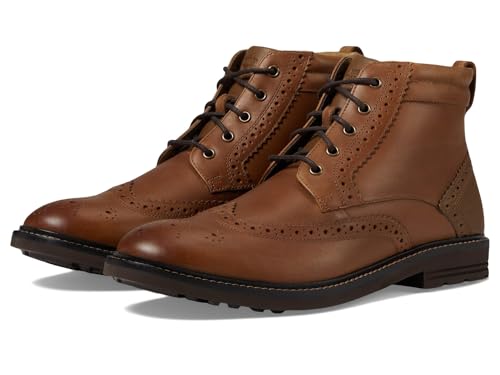
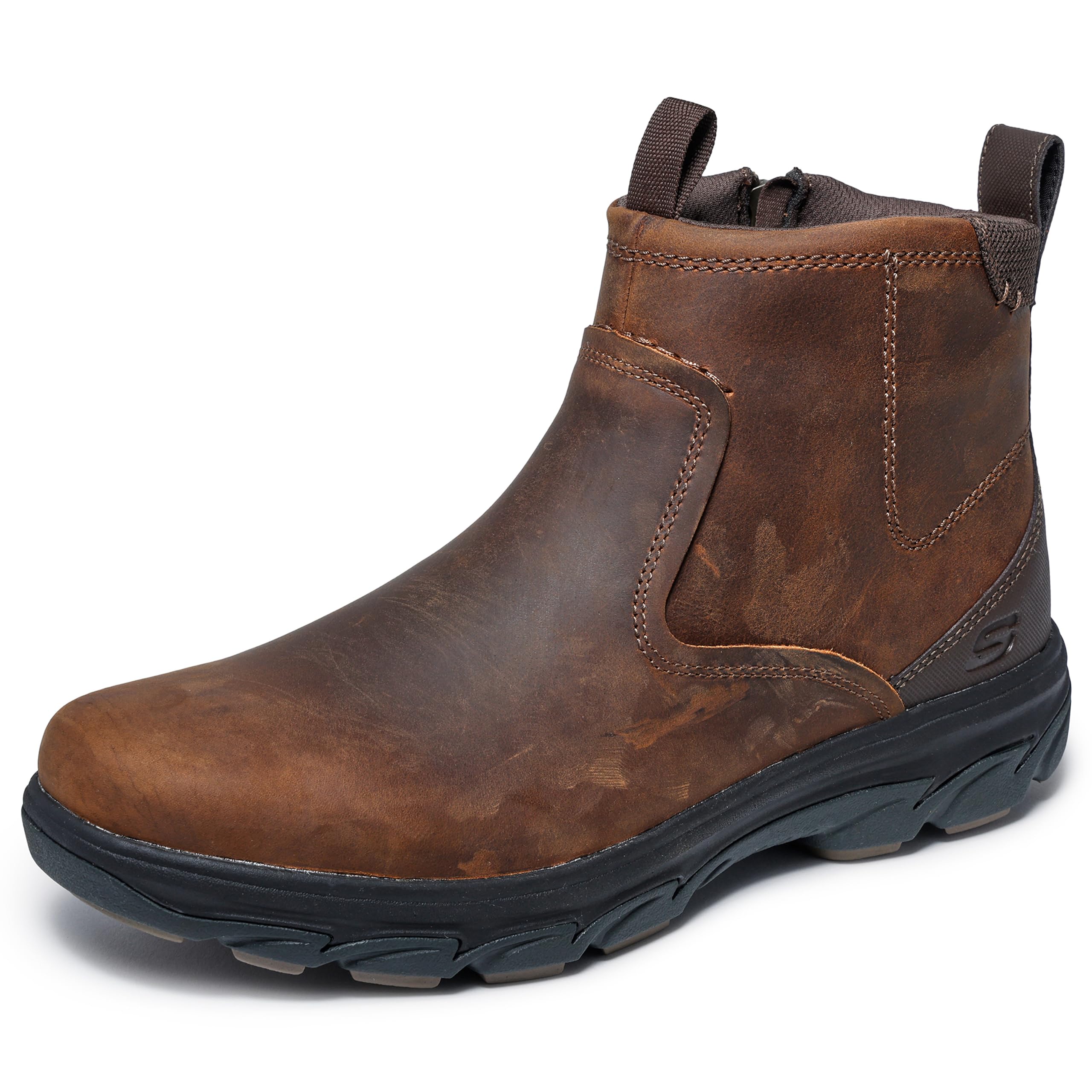


Who Should Buy Which Casual Chukka Boots?
Your weekday routine should decide the upper, the sole and the cushioning you need. Pick for the day you repeat most often, not for a rare formal event.
Casual Office and Smart Everyday Wearers
You need a boot that looks tidy with chinos and casual trousers but still feels relaxed by late afternoon. Choose smooth leather, a plain toe shape and a low profile sole in a color that works with navy, grey and khaki. If you often dress up a step further, see our guide to the best dress chukka boots for finer leathers and sleeker soles.
Weekend, Errand and Travel Wearers
You walk varied ground, stand in lines and may spend hours on city streets or in airports. Choose suede or soft leather with a cushioned insole, a flexible forefoot and a rubber outsole with shallow lugs for wet pavement. A padded ankle collar helps on long days.
Buyers Who Want One Pair for Most Casual Outfits
You want a single pair that covers school runs, casual workdays, dinners and weekend plans without looking out of place. Choose a medium brown or tan upper, a crepe or low lug rubber sole and a fit that suits thicker socks in cool weather. Comparing the wider category helps here too, so see our guide to the best casual boots if you are weighing chukkas against other ankle boot styles.
Key Features to Compare
When you shop for the best casual chukka boots, compare these factors in order, because fit problems cannot be fixed by a nicer upper or a lower price later.
Fit, Sizing and Toe Box Room in Casual Chukka Boots
Measure both feet late in the day, when they are at their largest, and fit the larger foot first. Your toes should lie flat with about a thumb width of space beyond the longest toe, and the widest part of your foot should meet the widest part of the boot. A narrow toe box squeezes the forefoot on long walks, while a loose heel lets the foot slide and rub.
Upper Materials and Breathability in Casual Chukka Boots
Smooth leather resists scuffs, sheds light rain and looks neater with trousers, but it feels firmer during the first wears. Suede feels softer from day one and looks relaxed with denim, yet it marks more easily and needs protection from water. Unlined leather breathes better in warm weather. For background on the style itself, see our guide to the best chukka boots before you narrow down materials.
Cushioning, Arch Support and Heel Height in Casual Chukka Boots
Most casual chukkas sit fairly flat, with a low heel of about half an inch to one inch and a small heel to toe drop. That flat profile suits neutral feet well, but flat feet may need a firmer arch and a removable insole so an insert can be added. If new foot pain, numbness or swelling appears and does not settle with better fit, talk with a clinician about your personal needs.
Outsole Traction and Everyday Terrain for Casual Chukka Boots
Crepe rubber feels quiet and cushioned on office floors and dry pavement, but it can feel slick on wet tile and smooth stone. Molded rubber with shallow lugs grips wet sidewalks and gravel paths better, at the cost of a slightly chunkier look. Match tread depth to your real ground, with deeper lugs if your commute includes wet or uneven surfaces.
Weight, Flexibility and Ankle Feel in Casual Chukka Boots
A casual chukka usually weighs about one to one and a half pounds per boot, depending on the upper and sole. The boot should bend where your foot bends, at the ball, and stay firm through the arch. Because the shaft ends at the ankle, it gives light coverage rather than strong ankle support, so do not expect a chukka to provide firm ankle stability.
Construction, Durability and Price in Casual Chukka Boots
Stitched soles can often be replaced when the tread wears down, which can extend the life of a good leather upper for years. Cemented soles cost less and feel light, but they usually cannot be renewed once they separate or wear smooth. Simple pairs cost about $60 to $100, while stitched construction and full grain leather often cost about $120 to $250.
Types of Casual Chukka Boots Compared
Most casual chukkas fall into three broad types. The right one depends on your clothes, your weather and how much walking your day includes.
Smooth Leather Chukkas for a Neater Casual Look
Smooth leather types pair best with chinos, casual trousers and dark denim. They resist scuffs better than suede and wipe clean with a cloth, which suits office days and dinners out. Their firmer feel at first softens with wear. Choose this type if one pair must look presentable in the widest range of casual settings.
Suede Chukkas for Soft, Relaxed Everyday Wear
Suede types feel broken in sooner and look at home with jeans, cords and casual shirts. The soft nap hides small creases but shows water spots and dust more readily, so they suit dry days best. A protective spray and a suede brush keep them presentable. Choose this type if comfort and a relaxed texture matter more than rain resistance.
Water Resistant Chukkas for Wet Commutes
Water resistant types use treated leather or a waterproof membrane, sealed seams and a lugged rubber sole for wet ground. Choose this type if you walk to work in rain or face slush and puddles often. Men comparing rain ready options can also see our guide to the best casual boots for men for broader styles.
Common Mistakes to Avoid
These errors cause most returns and sore feet, and each one is easy to prevent before you order.
- Buying your sneaker size without measuring leaves too little room, because boot lasts often run longer and narrower than athletic shoes.
- Choosing a narrow toe box for a sleeker look squeezes the forefoot and makes long walks painful.
- Wearing suede in heavy rain without protection leaves water marks that are hard to remove fully.
- Picking a smooth leather sole for wet commutes gives poor grip and raises the risk of a slip.
- Ignoring a loose heel at try on leads to blisters, because the short lace row cannot lock the heel down later.
- Judging comfort in the first five minutes misses pressure points that only appear after an hour of walking.
Care and Maintenance of Casual Chukka Boots
Let wet boots dry at room temperature, away from direct heat, with paper inside to hold their shape and draw out moisture. Brush dust from suede after every few wears, and wipe smooth leather with a slightly damp cloth before conditioning it when it looks dry.
Use shoe trees or rolled paper during storage so the shaft and toe keep their shape. Treat suede with a protective spray before the first outdoor wear and again after cleaning. Check soles every few months for smooth spots at the heel and ball, and have stitched soles replaced before wear reaches the midsole.
FAQ
Can I wear casual chukka boots all day?
Yes, you can wear casual chukka boots all day if the fit is right and the insole suits your arch. A full day of standing still needs more cushioning than a day of mixed walking and sitting. Add a supportive insert if the stock insole feels thin. Build up wear time over the first week rather than starting with your longest day.
How should casual chukka boots fit around the ankle?
Casual chukka boots should feel snug at the ankle without biting when you bend or climb stairs. The shaft ends right at the ankle bone, so slight movement there is normal and differs from heel slip inside the boot. Wear the socks you plan to use most when you check the fit. If the collar digs in at one spot only, thicker socks or a tongue pad often solves it.
How long is the break in period for casual chukka boots?
The break in period for casual chukka boots is usually a few short wears for suede and about one to two weeks of regular use for smooth leather. Stiffness across the top of the foot is normal at first, while sharp pain or rubbing that breaks the skin is not. Wear them indoors first, then on short walks. Leather that still pinches after two weeks is likely the wrong size or last.
Do I need water resistant casual chukka boots?
You need water resistant casual chukka boots only if wet ground is a regular part of your routine. Occasional light drizzle is fine for treated smooth leather that is dried properly afterward. Daily rain, slush or wet grass calls for sealed construction and a lugged sole instead. Water resistant uppers breathe less, so a plain unlined pair may feel better if your days are mostly dry and indoors.
Are expensive casual chukka boots worth the extra cost?
Expensive casual chukka boots can be worth it when the extra cost buys stitched construction, better leather and a replaceable sole, because those features extend useful life and lower the cost per year of wear. The premium is harder to justify for thin cemented soles that cannot be renewed. Compare construction first and brand name last.
Our Verdict
Put fit first, then choose the upper for your weather and the sole for your ground. A roomy toe box, honest cushioning and a construction you can maintain will serve you longer than any single style detail. Use the product table above to compare sizes, materials and prices against those points.
When you judge best casual chukka boots by how they fit your routine rather than by looks alone, the right pair becomes an easy daily default.


