
Best Casual Boots for Plantar Fasciitis: A 2026 Checklist for Daily Comfort
Disclosure: We may earn a commission when you buy through links on this page, at no extra cost to you. As an Amazon Associate I earn from qualifying purchases. Learn more

Compare casual boots for plantar fasciitis by arch support, cushioning, toe box fit and outsole grip, with a buyer checklist and care tips for daily wear.
Casual boots can look right for work and weekends while quietly working against sore heels. The best casual boots for plantar fasciitis balance firm arch support, heel cushioning and a stable sole with a style you will actually wear. This checklist shows you what to feel for, so you can judge the comparison table below.
Start with your hardest day, not your easiest one. Think about the floors you stand on, the distance you walk and whether your feet swell by evening. The sections below match each routine to its support and fit needs.

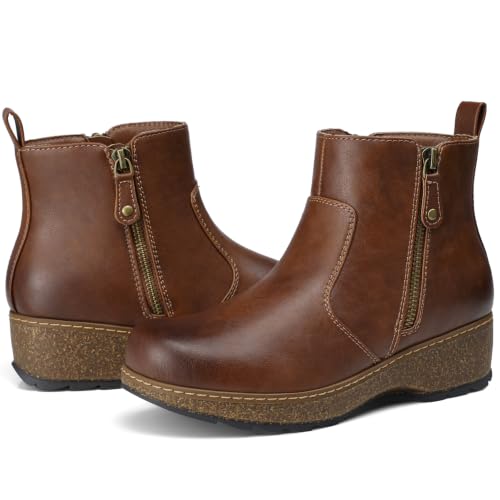
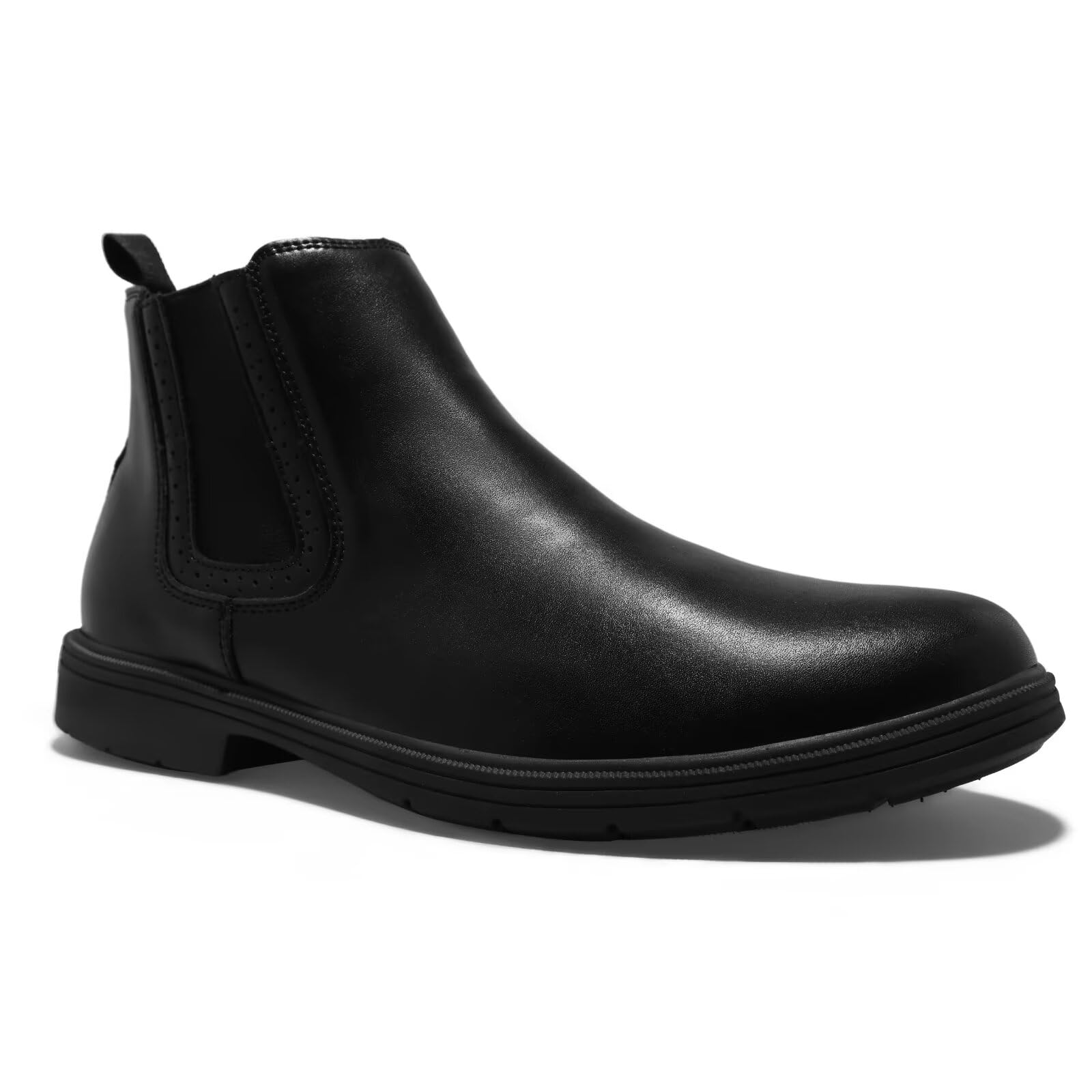
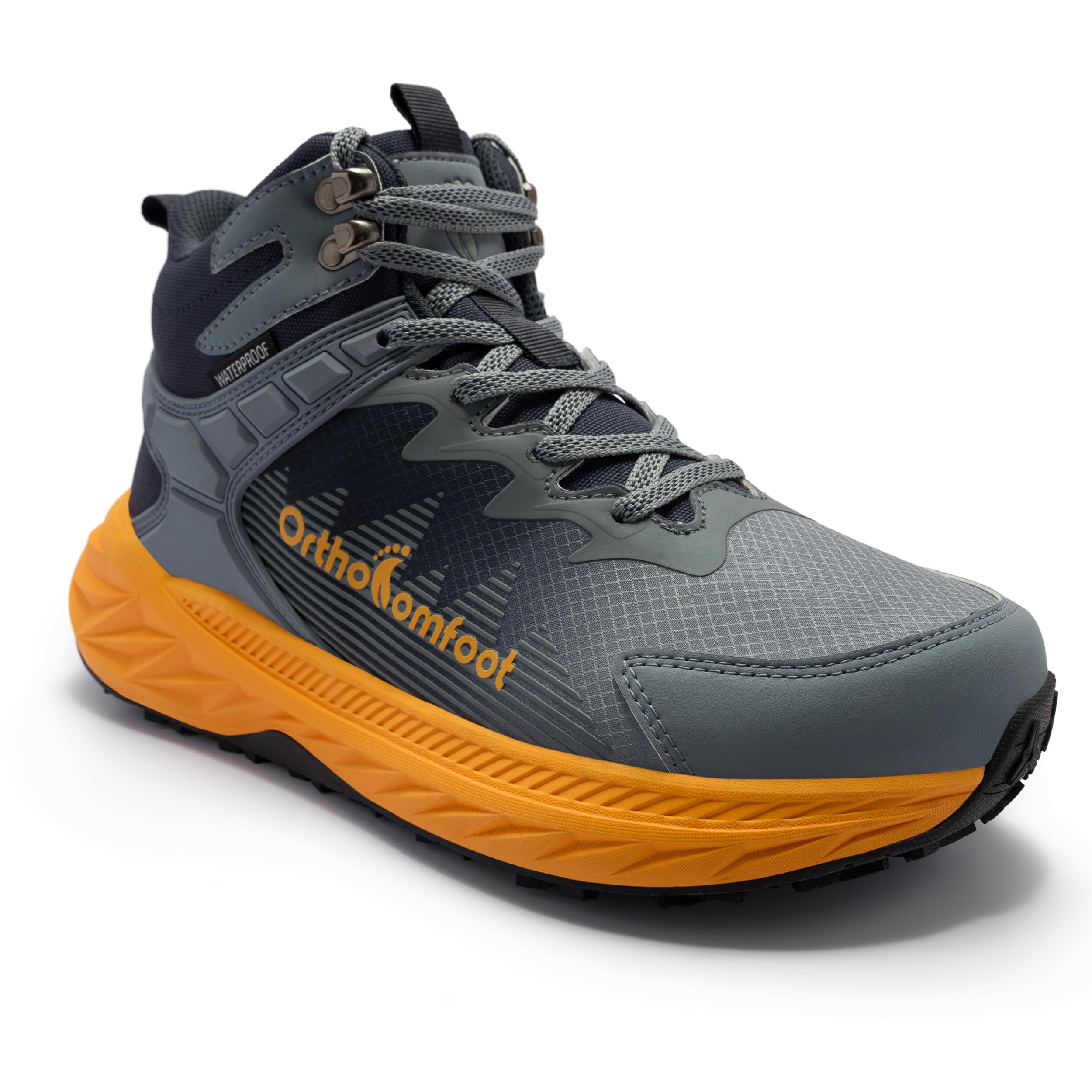
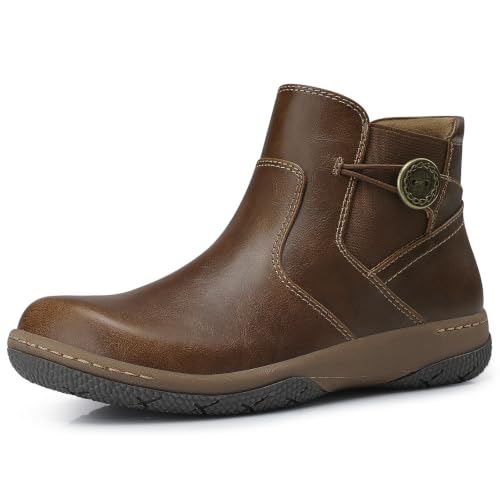
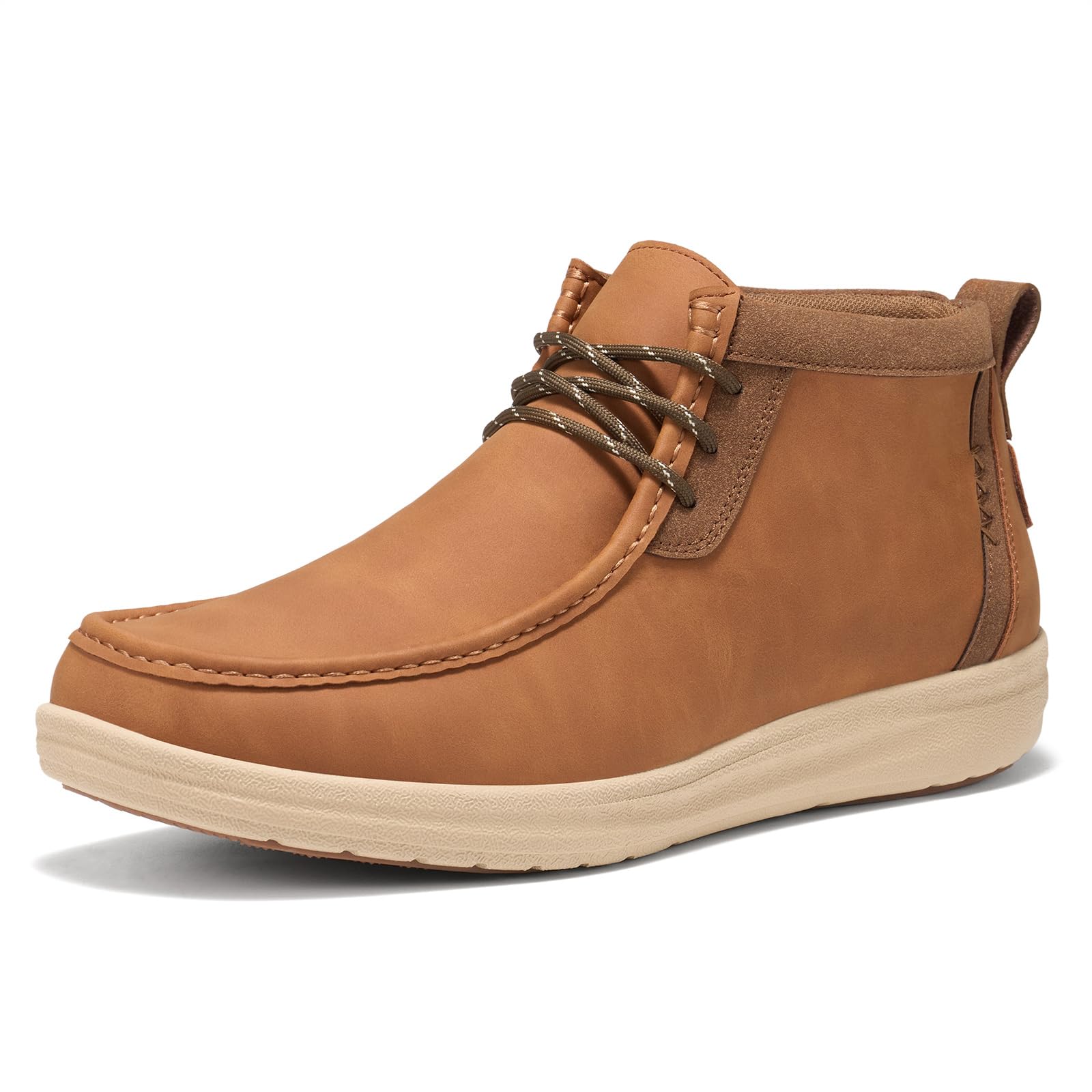
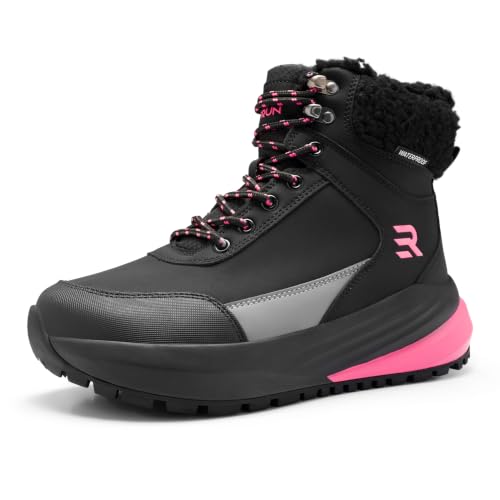
Who Should Buy Which Casual Boots for Plantar Fasciitis?
Choosing the best casual boots for plantar fasciitis starts with your pain pattern, because the same boot can help one wearer and annoy another. Use the groups below to set your priorities.
People Whose Heels Hurt Most on Hard Floors
You stand on tile, concrete or hardwood for long stretches, and your heels ache more as the day builds. Prioritize a thick cushioned heel and a sole that does not flex in the middle. A lace up style locks the heel down, while a loose slip on upper can let the foot slide and work harder.
People With Flat Feet or High Arches
Your arch shape changes where support needs to sit. Flat feet often roll inward, so a firmer arch and a stable heel counter help keep the foot aligned. High arches take more pressure at the heel and forefoot, so you need cushioning at both ends. If you use inserts, see our guide to the best plantar fasciitis insoles before choosing a boot with a thin stock insole.
People Who Walk a Lot in Casual Dress Codes
You need a boot that passes at an office or dinner but still walks like a supportive shoe. Look for a plain leather upper, a rubber outsole with real tread and room for an insert. Women can also see our guide to the best women's casual shoes for plantar fasciitis for days when a boot feels too tall.
Key Features to Compare
Score each boot on the same five factors, in this order. Support and fit come first, because no bargain price can fix a boot that lets your arch collapse.
Arch Support and Heel Counter Stability
Arch support is the raised contour under your midfoot, and in a casual boot it should feel firm and present, not soft and vague. Press your thumb into the insole at the arch. It should push back rather than flatten at once. Around the heel, a stiff counter cups the bone and limits side to side roll, and that stability matters because excess roll stretches the tissue along the sole. A removable insole leaves room for the best inserts for plantar fasciitis if you need a different arch height later.
Cushioning and Heel to Toe Drop
Cushioning is the foam layer that softens impact at the heel, where most plantar pain is felt. Look for a midsole that feels dense and springy rather than thin and mushy, because very soft foam bottoms out under body weight. Heel to toe drop is the height difference between heel and forefoot, and many supportive casual boots sit at about 8 to 12 mm. A moderate drop can ease tension at the heel for some wearers, while a near flat sole asks more of the calf and arch.
Size to the Longer Foot, With Toe Room to Spread
Measure both feet late in the day, when swelling makes them largest, and size to the longer foot. Leave about a thumb width of space in front of your longest toe, and check that the widest part of your foot sits at the widest part of the shoe. The toe box should let your toes lie flat and spread a little, since cramped toes change how weight rolls forward. Wear your usual socks, because a thick sock can turn a snug fit painful.
Outsole Traction and Torsional Strength
The outsole is the rubber layer that meets the ground, and it should grip wet pavement without feeling clumsy indoors. Shallow grooves suit office floors, while deeper lugs help on gravel and wet leaves. Hold the heel and toe and twist gently. A supportive boot resists twisting through the middle, and that resistance helps the arch because the sole does structural work instead of leaving it all to your foot.
Upper Materials, Breathability and Waterproof Choices
Leather holds its shape and suits dressier wear, but it feels warmer and needs more break in time. Suede softens fast, yet it marks easily in rain. Knit and mesh panels feel breathable but stretch more, which can reduce stability. Waterproof boots suit wet commutes, and they trade some airflow for dryness. Choose waterproofing only if your routine truly needs it.
Footwear can support comfort, but it cannot diagnose or treat a foot condition. See a doctor or podiatrist promptly if heel pain follows an injury, if you cannot bear weight, or if you notice swelling, redness or numbness. Talk with your clinician about your personal needs.
A Quick Buyer Checklist for Casual Boots
Run through these questions in the store or during a home try on. A no on support or fit is a reason to walk away.
- Does the arch feel firm under your midfoot when you stand?
- Does your heel stay seated when you walk and turn?
- Can your toes lie flat and spread inside the toe box?
- Does the sole resist twisting through the middle?
- Is the insole removable for a thicker insert later?
- Does the outsole grip the floors you cross daily?
- Will you wear this style three days a week?
Boot types matter too. A chukka pairs easily with chinos, a Chelsea boot slips on fast but offers less lace adjustment, and a taller lace up boot gives the most control over fit. On travel days, see our guide to the best casual sandals for plantar fasciitis for an open option with real support.
Common Mistakes to Avoid
Most bad purchases come from judging a boot by its looks alone.
- Buying a soft, flat fashion boot leaves your arch unsupported, so heel pain builds by the hour.
- Sizing in the morning and ignoring evening swelling leads to a boot that pinches later.
- Judging comfort while sitting misses heel slip and toe pressure that show up once you walk.
- Keeping a flattened factory insole removes the arch support you paid for.
- Wearing a new pair for a full travel day turns break in into blisters and soreness.
- Choosing waterproof boots for mostly indoor wear traps heat and makes long days feel heavier.
Care and Maintenance for Casual Boots
Rotate two pairs if you wear boots daily, giving each pair a day to air out and let the foam recover. Pull the insoles out after wet wear and dry everything at room temperature, away from direct heat, because hot air can crack leather and warp foam. Brush suede and wipe leather clean, so the upper keeps holding the foot.
Watch the wear signals that matter here. A heel worn down on one side, a midsole that feels dead and flat, or an insole with a permanent deep print of your foot all mean support has dropped. A fresh insole can restore some shape, while a worn outsole usually means the boot is done. Most daily wearers get about one to two years from a pair.
Casual Boots: Your Questions Answered
What features matter most in casual boots for plantar fasciitis?
Firm arch support matters most, followed by heel cushioning and a stable sole. One detail many buyers miss is the heel seat itself. A deep, cupped heel seat centers the fat pad under the heel bone, which spreads impact over a wider area. Check for that cup shape when you lift the insole.
Are expensive casual boots for plantar fasciitis worth the extra cost?
Expensive casual boots are worth it only when the money buys support parts you can feel and replace. Prices around $150 to $220 often bring leather uppers and thicker, removable insoles. A costly boot with a flat foam insole is still a poor buy, so spend on the inside first.
Do I need waterproof casual boots for plantar fasciitis?
You need waterproof casual boots only if your commute or yard work regularly soaks your feet. A soaked leather boot can take a day or more to dry, and wearing it damp softens the upper and weakens its support. If rain is occasional, a water resistant spray solves the problem without a warmer membrane.
How long is the break in period for casual boots for plantar fasciitis?
The break in period for casual boots is usually about one to two weeks of short wears for leather styles, and only a few wears for knit or suede styles. Start with two or three hours at home, then add time as the upper loosens. Support should feel right from day one, since only the upper softens.
Can I wear casual boots for plantar fasciitis all day?
Yes, you can wear well fitted casual boots all day if the support matches your feet and the pair is fully broken in. Build up to a full day over a week, and loosen the laces at midday if swelling builds. Carry your previous shoes on the first long day, so a hot spot does not force you to keep walking in pain.
How should casual boots for plantar fasciitis fit at the ankle?
Casual boots should fit snugly at the ankle without digging into the bone when you flex your foot. Lace from the bottom eyelets upward and use the top hooks to set ankle hold, then check that you can still flex your toes freely. Lacing does the real work of keeping the heel seated.
Wrapping Up
Put support first, fit second and style third, and most casual boots will sort themselves quickly. Firm arch support, real heel cushioning and a roomy toe box will carry you through hard floors far better than a fashionable flat sole. Use the product table above to compare drop, materials and price once your checklist is set.
When you shop for best casual boots for plantar fasciitis with those points in mind, you protect both your budget and your heels. Pick the simplest pair that passes every check and replace the insole before its shape fades.


