
Best Castlery Sofas of 2026: Which Model Should You Buy?
Disclosure: We may earn a commission when you buy through links on this page, at no extra cost to you. As an Amazon Associate I earn from qualifying purchases. Learn more
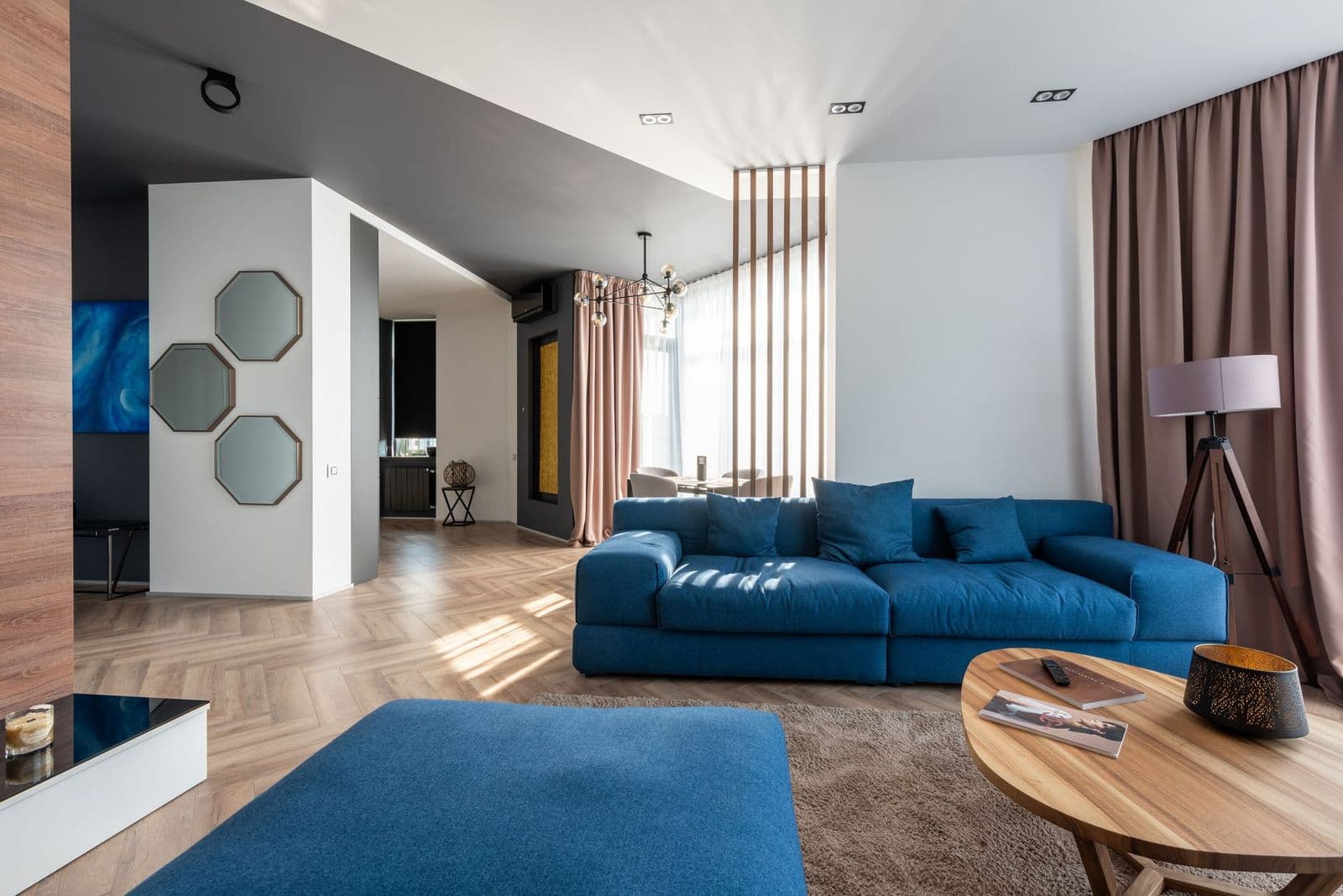
Comparing the best castlery sofa options by size, seat depth, fabric, and frame helps you match a style to your room, with sizing and care advice.
Choosing a sofa from a single brand sounds simple until you face the real questions. Which seat depth suits your height, which fabric survives your household, and which frame size actually fits through your door? This guide to finding the best castlery sofa for your home compares the lineup by comfort, build quality, materials, and size, so you can match a style to your room and your habits instead of guessing from photos alone.
Castlery sells direct to buyers, and its range covers compact two seaters, roomy three seaters, and modular layouts in fabric and leather finishes. Scan the main types below, then read on for the sizing, cushion, and assembly details that photos never show.
Castlery Sofa Types Compared at a Glance
Standard fixed sofas are the core of the range. They come in set widths, keep a clean and tailored look, and suit rooms where the layout rarely changes. If you want a broader view of the market before you commit to one brand, our guide to the best sofa options across brands gives useful context on sizes and price bands.
Modular designs break the sofa into separate seats, corners, and ottomans that you arrange to fit the room. That flexibility helps in open plan spaces and when you move often, since each piece travels on its own. Our overview of the best modular sofa styles explains how connectors and matching seat depths keep a sectional layout feeling unified.
Sleeper and chaise styles round out the choices. A sleeper folds out a guest bed, trading some cushion thickness for overnight function, while a fixed chaise stretches the lounging end without adding a full extra seat. Compare fold out designs in our guide to the best sleeper sofa before deciding if the mechanism is worth the extra weight.
What to Compare When Shopping a Single Brand
Compare a lineup on five factors: seat comfort and support, build quality and materials, size and weight capacity, assembly, and warranty coverage. Published manufacturer dimensions and patterns in buyer feedback about delivery, firmness, and fabric wear are the most useful sources. Where buyers disagree, such as on cushion firmness, expect a range of opinion rather than a single answer.
Who Should Buy Which Castlery Sofa?
Apartment Renters With Compact Rooms
You need a sofa that fits a modest footprint, passes through narrow halls, and still seats two adults without crowding. A two seater or a compact three seater around 72 to 84 inches wide usually works best. Removable legs and a back that ships detached matter more to you than extra depth, since delivery access decides whether the sofa enters the room at all. Lighter frames also help when you expect to move within a few years.
Families Who Sit Every Day
Your sofa faces hours of daily use, snacks, naps, and kids climbing over the arms. You benefit from a sturdy hardwood frame, dense foam that resists sagging, and tight weave fabrics that release crumbs and pet hair with a quick vacuum. A deeper seat suits adults, but add firm pillows behind shorter family members so their feet rest on the floor. Washable covers earn their cost here.
Hosts and Loungers Who Want Flexible Layouts
You rearrange for movie nights and gatherings, so a fixed shape limits you. Modular pieces or a chaise layout let you stretch out on weeknights and add seating when friends visit. Value matching seat heights across pieces, secure connectors that stop sections drifting apart on hard floors, and an ottoman that doubles as a spare seat. Guest hosts may also prefer a sleeper, accepting a firmer sit in exchange for a real bed.
How to Choose the Right Sofa
Size and Form Factor
Measure your room first, then the path the sofa travels: door width, hall turns, and stair landings. Leave about 18 inches between the sofa front and a coffee table so legs move freely. In small rooms, a loveseat or 72 inch frame preserves floor space, while open layouts can carry an 84 inch three seater or an oversized deep seat model. Tape the footprint on the floor and live with the shape for a day before ordering.
Type and Style
Fixed sofas give the most tailored look and the fewest moving parts. Modular sofas trade that neatness for layouts you can rebuild as rooms change. Upholstery shapes the style just as much: leather reads formal and wipes clean, velvet adds softness and shows shading where hands rest, boucle brings texture that hides minor lint, and performance fabric favors busy homes. Mid century profiles sit lower with slim legs, while cloud style designs use deep, soft cushions that you sink into rather than sit on top of.
Features Worth Paying For
A chaise end earns its price if you truly lounge daily, since it replaces a separate ottoman and supports your legs fully. Storage inside a chaise or ottoman helps small homes hide blankets and remotes. Washable covers matter when pets or kids use the sofa every day. Reclining seats add comfort but add weight, need wall clearance behind the back, and add motors or levers that can fail. USB ports sound handy, yet a nearby outlet and a short cable do the same job for less, so treat ports as a bonus rather than a reason to buy.
Body Size and Weight Capacity
Seat depth should match your legs. If you are under about 5 feet 6 inches tall, a depth of about 21 to 23 inches lets your back rest against the cushions with your feet on the floor. Taller readers often prefer 24 inches or more. Check the stated weight capacity per seat, not just for the whole sofa, and favor frames rated well above the weight of the heaviest regular user. Wide arms steal seating width, so compare the inside seat width, not only the overall frame width.
Adjustability
Most sofas in this range are not adjustable in the way a recliner is, so judge the fixed geometry carefully. Lumbar support comes from back cushion shape and firmness: a firmer, taller back suits upright sitting and reading, while a low back favors lounging but offers less shoulder support. Some designs let you swap a chaise from left to right before delivery, and modular pieces let you adjust the layout itself. Arm height matters too, since high arms support a book, while low arms make a seat feel open.
Materials and Durability
Frames built from solid wood or quality plywood with corner blocks resist wobble far longer than frames made mostly of particle board. Sinuous springs give a firmer, even sit, while webbing feels softer and can loosen sooner. For cushions, high density foam holds its shape, and a fiber wrap softens the surface at the cost of regular fluffing. On fabric, look for a rub count above about 20,000 for daily family use, tight weaves, and removable covers you can wash or replace.
Assembly and Warranty
Most pieces arrive with legs detached and, for modular sets, sections packed separately, so assembly usually means attaching legs and joining connectors with basic tools. Confirm how many boxes to expect and whether delivery places them in your room or at the door. Read the warranty in parts: frame coverage often runs longest, while foam, fabric, and mechanisms carry shorter terms. Photograph any transit damage before you assemble anything, since claims go faster with clear photos taken on delivery day.
How Much Should You Spend?
Sofas under about $1000 usually cut costs in frame materials, foam density, or fabric quality, and they suit short term or guest room use. The about $1000 to $2000 band is where solid frames, better foam, and performance fabrics become common, and it fits most primary living rooms. Spending about $2000 to $3000 should bring stronger joinery, leather options, and longer frame coverage. Paying beyond that buys design details more than extra lifespan, so spend first on frame, foam, and fabric.
The Castlery Sofa Lineup Explained
The lineup splits along three simple lines: fixed sofas for a set layout, modular sets for layouts you rebuild, and specialty pieces such as sleepers and chaise models. Finishes repeat across shapes, so the same fabric family often appears on several frames, which helps you match a new piece to one you already own. Before choosing a finish, work through the trade offs in our guide to leather vs fabric sofa care, cost, and how each surface ages with pets, sunlight, and daily wear.
Seat feel also follows a pattern. Firmer, structured models hold an upright posture for reading and conversation, while softer, deeper models invite sprawling and need more room. Neither is better in general. Match the feel to how you spend most evenings, and remember that cushion firmness softens slightly during the first weeks of use, so judge a new sofa after that settling period rather than on the first night.
FAQ
What is the best castlery sofa?
The best choice is the one whose seat depth, width, and fabric match your body and your room, not a single model for everyone. Start with the largest size your space fits without crowding walkways, then pick firmness by habit: structured for upright sitting, deep and soft for sprawling. If two options still tie, choose the one with removable covers, since covers are the part you will clean, repair, and replace most over the life of the sofa.
Is Castlery a good sofa brand?
Castlery is a direct to consumer furniture brand known for contemporary designs and mid range pricing between flat pack furniture and luxury showrooms. Buyer feedback often praises the styling and fabric quality for the price, while complaints tend to focus on delivery waits for made to order pieces and on cushions feeling firmer than expected. Judge the brand model by model using frame material, foam, and warranty terms, rather than relying on the label alone.
Which Castlery sofa should I buy if I have a dog?
Choose a tight weave performance fabric in a mid tone that hides hair between cleanings, and avoid loose weave boucle, which claws can snag. Removable covers you can wash at home beat fixed upholstery, since muddy paws are a weekly event, not a rare accident. A slightly firmer cushion also helps dogs climb up and down without sinking. Keep nails trimmed, and place a washable throw where your dog naps most, so the throw takes the wear instead of the cushion.
How do I clean a Castlery couch?
Start with the care code on the tag under a cushion: W means water based cleaners, S means solvent only, and WS allows either. Vacuum weekly with an upholstery tool, blot spills instead of rubbing, and try any cleaner on a hidden spot first. Our full walkthrough on how to clean a couch covers stain steps by fabric type. One point many owners miss: rotate and flip loose cushions monthly, which evens out both soiling and compression.
How do I choose a sofa that fits my room?
Beyond measuring the wall, check the diagonal depth, which decides whether a sofa can tilt through a doorway or around a stair turn. Delivery crews use that number when a straight push fails. Also scale the sofa to nearby furniture: seat height within about two inches of your chairs keeps a grouping comfortable for conversation. If your room has a rug, aim for at least the front legs to sit on it, which anchors the layout.
How long should a couch last?
A well built sofa used daily often serves about 7 to 15 years, with the frame outlasting cushions and fabric. The full breakdown in our guide on how long should a couch last explains what shortens or extends that range. A useful early check is the sit check: if you slide toward the middle of a seat or hear creaks from the frame when you stand, wear has started. Refreshing foam inserts costs far less than a new sofa and can add years.
Final Thoughts
Start with measurements, then weigh frame, foam, and fabric in that order, and let style follow. Chosen that way, the best castlery sofa for your home is the one that fits your room, supports your body, and still looks good for years.


