
Best Castelvetrano Olives: A Buttery Green Olive Guide
Disclosure: We may earn a commission when you buy through links on this page, at no extra cost to you. As an Amazon Associate we earn from qualifying purchases. Learn more

Bright green, buttery, and nowhere near as sharp as the olives you grew up avoiding, castelvetrano olives have a way of converting even the pickiest eaters. But not every jar on the shelf delivers the same crisp texture or clean flavor. Finding the best castelvetrano olives comes down to a handful of simple checks you can make before you ever twist open the lid. This guide walks through what makes this variety different, what to look for at the store, and how to keep them tasting their best once you get them home.
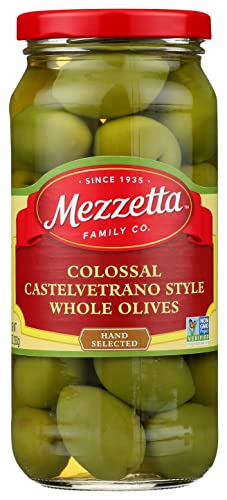
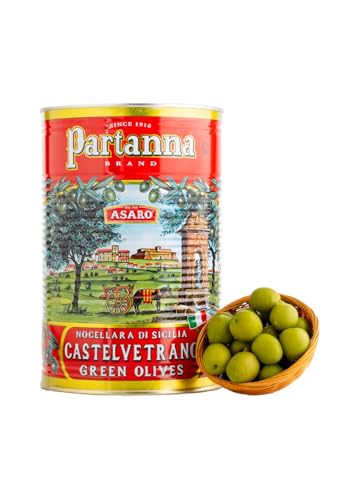
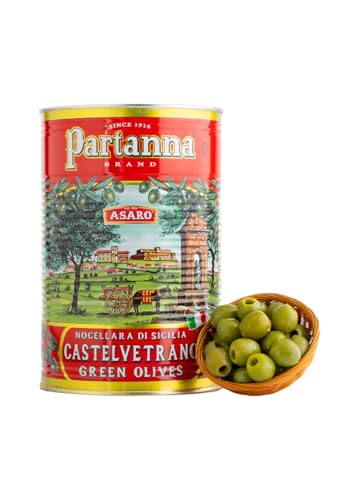
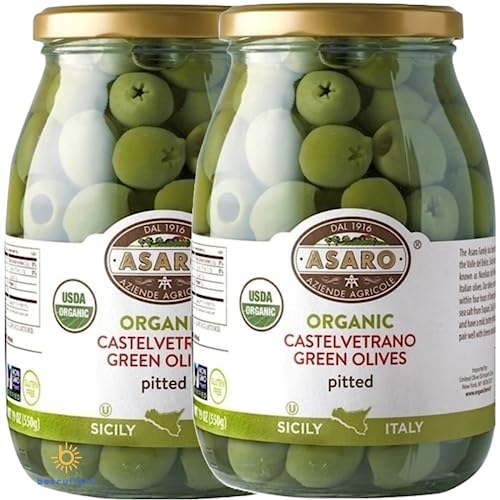
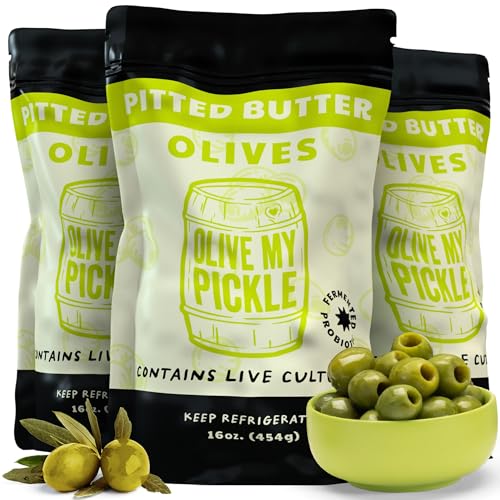
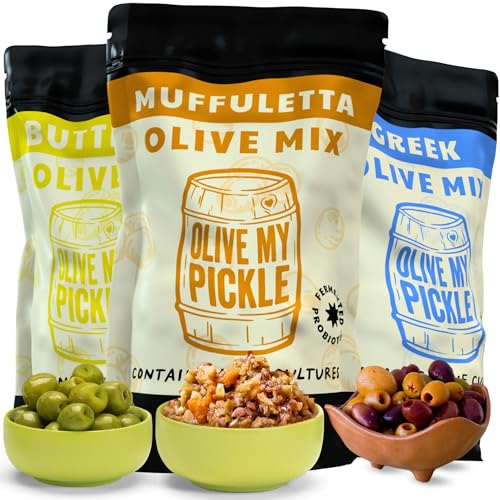
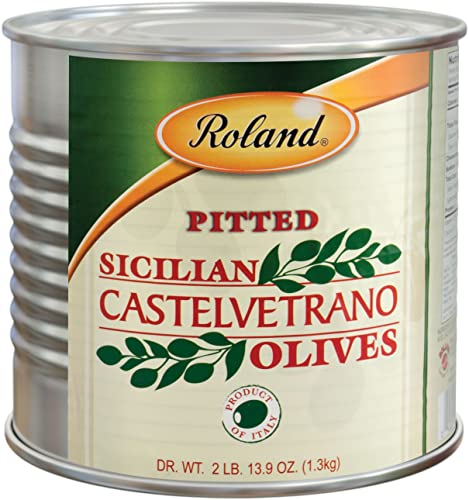
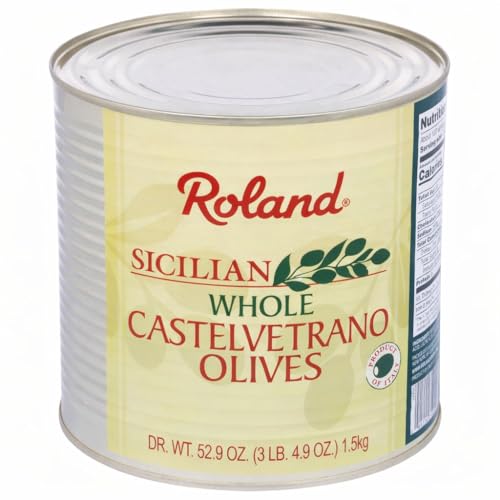
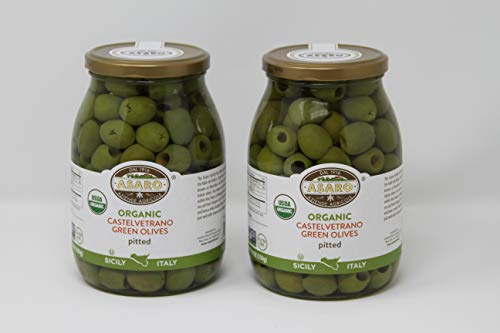

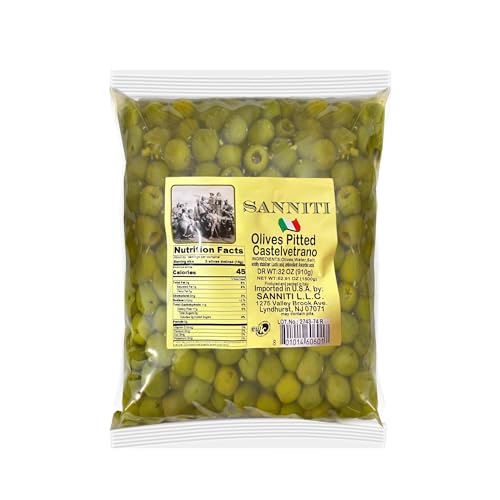
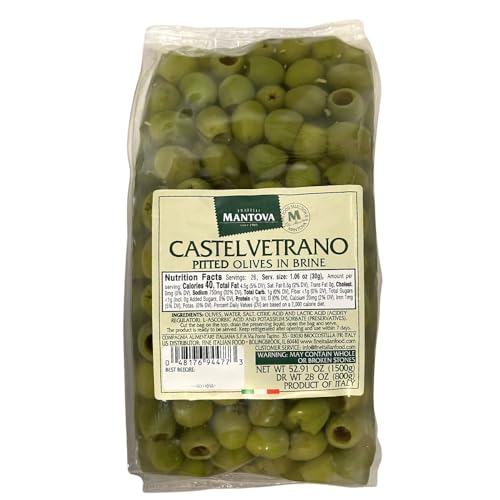
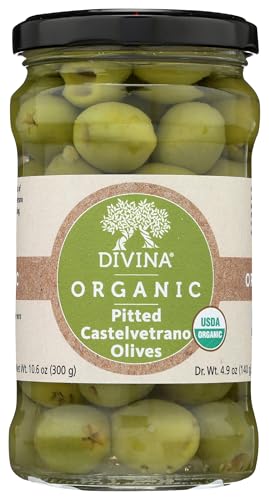
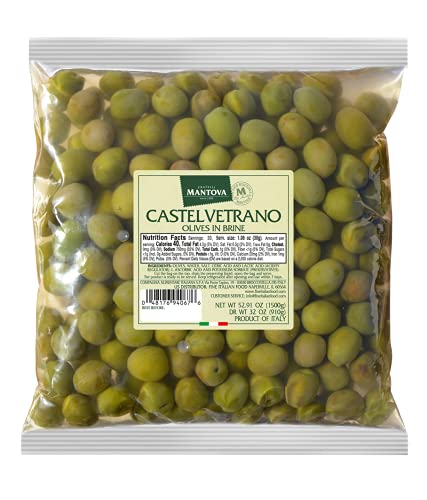
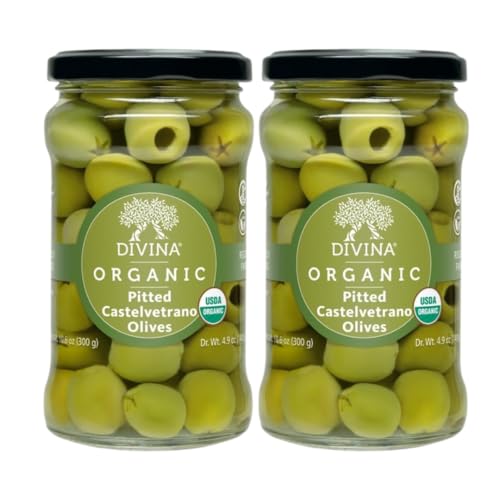
What Makes Castelvetrano Olives Different From Other Green Olives
Castelvetrano olives, also called Nocellara del Belice, grow in a small region of southwestern Sicily. They are picked young and green, before they ripen into the deep purple you see with varieties like kalamata, which is part of why the flavor stays so mild. Instead of the long dry-salt or vinegar brine used for tangier olives, castelvetrano olives are typically cured in a gentle salt solution or a light lye process that strips away bitterness without adding sharpness.
The result is a meaty, crisp bite with a flavor people often describe as buttery or almost sweet, rather than sour or intensely salty. That approachable taste is exactly why this variety has become a go-to for snacking, cheese boards, and cocktails, even among people who normally skip olives altogether.
What to Check Before You Buy a Jar
Once you understand what sets this olive apart, a few practical checks will help you land on a jar you will actually enjoy.
Color and Brine Clarity
Look for olives that are a natural, slightly matte green rather than an unnaturally uniform, almost neon shade. Overly bright or artificially vivid color can be a sign that dye or a coloring agent has been added. The brine itself should look clear, not cloudy or discolored, which usually points to fresher packing.
Ingredient List and Curing Method
A short ingredient list is a good sign: olives, water, salt, and sometimes a natural acidity regulator is about all you need. If you are comparing jars, this is where the actual selection of the best castelvetrano olives usually happens, since a clean label tends to track with better flavor and fewer additives.
Texture and Firmness
Gently press or shake the jar if you can. The olives should feel firm and hold their shape, not soft or collapsing. A mushy texture usually means the olives sat too long in brine or were processed at a lower quality standard.
Whole or Pitted: Which Format Fits Your Kitchen
Whole, unpitted olives generally keep a firmer texture and a more complex flavor, since the pit helps the flesh hold its structure during storage. They also tend to taste less salty, because pitting exposes more surface area to the brine over time.
Pitted castelvetrano olives trade a bit of that texture and depth for convenience. They are easier to toss into a salad, chop for a spread, or serve to guests without worrying about pits. If you are cooking with them or serving a crowd quickly, pitted is the practical choice. If you plan to snack on them straight from the bowl, whole olives are usually worth the extra step.
Keeping Castelvetrano Olives Fresh After Opening
Castelvetrano olives oxidize quickly once they are out of their brine, so the color and flavor can fade within hours if they are left uncovered on a plate. Store any leftovers submerged in their original brine, in a sealed container, in the refrigerator.
Kept this way, they typically stay good for a few weeks, though it is best to check the packaging for a specific window. Watch for a sour or off smell, sliminess, or any sign of mold on the surface. If you notice any of those signs, discard the jar rather than risk it.
Simple Ways to Use Castelvetrano Olives
These olives are versatile enough to work in casual and dressed-up settings alike. A few reliable ways to use them:
- Add them whole to a cheese and charcuterie spread alongside cured meats and a simple wooden cutting board for serving
- Toss pitted ones into pasta salads or grain bowls for a buttery, salty note
- Use them as a martini or cocktail garnish, especially when you have a nice wine opener on hand for the rest of the evening
- Chop them into a quick tapenade for toasted bread or roasted chicken
- Scatter halved olives over homemade pizza before baking
Because the flavor is mild, they pair well with sharper cheeses, citrus, and herbs without needing much else to shine.
Frequently Asked Questions
What do castelvetrano olives taste like?
They have a buttery, mild flavor with a crisp, meaty texture. Unlike many green olives, they are not bitter or overly briny, which makes them approachable even for people who are not usually olive fans.
Are castelvetrano olives good for you?
Yes. They contain mostly monounsaturated fat, along with vitamin E and antioxidant compounds. As with any brined food, they do carry sodium, so portion size is worth keeping in mind if you are watching your salt intake.
What is the difference between castelvetrano and kalamata olives?
Castelvetrano olives are picked green and cured to be mild and buttery. Kalamata olives are left to ripen to a deep purple and are cured longer, often in wine vinegar, which gives them a tangier, more assertive flavor.
Should you buy pitted or unpitted castelvetrano olives?
Unpitted, whole olives usually offer better texture and a less salty bite, since the pit limits how much brine reaches the flesh. Pitted olives are more convenient for cooking and serving, so the right choice depends on how you plan to use them.
How long do castelvetrano olives last once opened?
Stored submerged in their brine in a sealed container in the refrigerator, they generally stay fresh for a few weeks. Always check the package for guidance and toss them if you notice an odd smell or texture.
Are castelvetrano olives naturally that green?
Yes, in most cases. Their bright green color comes from being harvested early, before ripening. That said, an unnaturally uniform or neon shade can sometimes signal added coloring, so a natural-looking green with slight variation is a good sign.
Are castelvetrano olives keto friendly?
Yes. They are naturally very low in carbohydrates and high in healthy fats, which makes them a common snack choice for people following low-carb or keto diets.
The Bottom Line
Choosing the best castelvetrano olives really comes down to trusting your eyes and your fridge habits: look for natural color, a clear brine, and firm texture, then store them properly once opened. Whether you go whole or pitted, this mild, buttery olive is easy to work into snacks, boards, and everyday meals without much fuss.