
Best Car Seat Covers: A Complete Buying Guide
Disclosure: We may earn a commission when you buy through links on this page, at no extra cost to you. As an Amazon Associate we earn from qualifying purchases. Learn more

Between muddy shoes, wet dog paws, spilled juice boxes, and years of daily sliding in and out, your car's seats take a beating that most owners never plan for. A good set of car seat covers can slow that wear down significantly, but the market is full of options that look similar online and perform very differently once they're actually installed. Some fit like they were made for your exact seat contours, others gap and bunch after a week. In this guide, you'll learn how to judge material, fit, safety compatibility, and upkeep so you can pick covers that actually hold up.
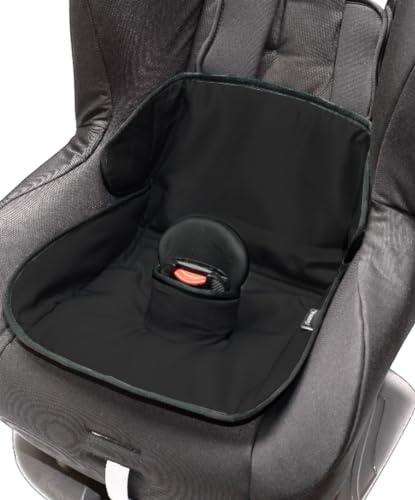

Fabric and Material: Waterproof vs. Breathable
Material is the single biggest factor separating a cover that lasts for years from one that peels, sags, or stinks within a season. Before comparing anything else, decide what your seats actually need to survive.
Materials Built for Spills, Pets, and Daily Grime
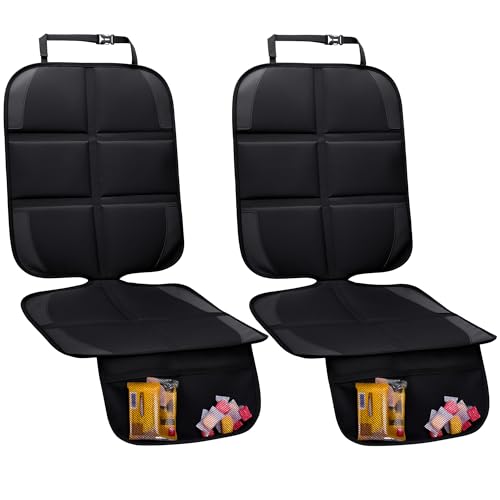
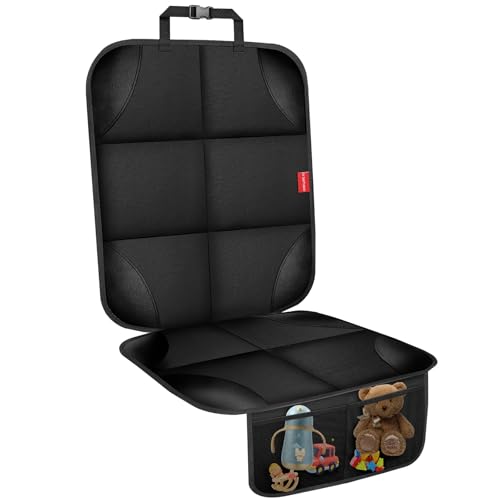
If your car regularly deals with wet dogs, spilled drinks, sweaty gym gear, or kids who track in mud, a waterproof or water-resistant material should be the priority. Neoprene, the same wetsuit-style fabric used in diving gear, is a strong pick here because it seals liquid out rather than absorbing it, and it wipes clean in seconds. Canvas and heavier duck-weave fabrics trade a bit of that waterproofing for serious abrasion resistance, which matters if you're hauling tools, pets, or gear that scrapes against the seat. Faux leather and vinyl blends sit in between, resisting spills reasonably well while giving a cleaner, more finished look than fabric options.
Materials That Prioritize Comfort
If your main concern is long commutes or hot climates rather than mess control, breathable options matter more than waterproofing. Mesh-backed fabric and lighter woven materials let air move instead of trapping heat and sweat against the seat, which makes a real difference on long drives in summer. Genuine leather falls into this category too since it breathes better than vinyl, though it needs periodic conditioning to avoid cracking and is more sensitive to direct sun. If your factory seats already came in leather, some owners skip a full cover entirely and go with a dedicated seat protector built for leather, which guards against cracking without changing the seat's original feel. Whichever route you take, check whether the material is machine washable or wipe-clean only, since that alone can decide how realistic ongoing maintenance will be for your routine.
Universal Fit vs. Custom Fit: What Actually Matters
Choosing between universal and custom fit car seat covers is where most buyers get tripped up, and it's arguably a bigger factor than material. Universal fit covers are cut to loosely accommodate a wide range of seat shapes, which keeps the price down but often means visible gaps, bunching around bolsters, or straps that shift over time. Custom or precision fit covers, by contrast, are patterned to match a specific make, model, and seat design, including the exact contours of the headrest, side bolsters, and lumbar area.
If you drive a common vehicle and want a quick refresh, a well-reviewed universal option can be perfectly reasonable, especially for cushion-only coverage rather than a full wraparound. But if your seats have unusual bolstering, integrated controls, or built-in seat warmers, a custom fit is worth the extra cost since a poor universal fit can actually interfere with those features. Read the fitment notes carefully. "Fits most vehicles" is a marketing phrase, not a guarantee, and the return policy matters just as much as the product description if the fit turns out wrong.
Airbags, LATCH Anchors, and Other Safety Non-Negotiables
This is the one area where cutting corners genuinely isn't worth it. Many vehicles built in the last couple of decades have side airbags built into the seat itself rather than the door frame, and a cover made from unreinforced or overly thick material can physically block that airbag from deploying correctly in a crash. Look specifically for language like "airbag compatible" or "SRS safe," and check whether the manufacturer references independent testing rather than just a claim on the packaging. Covers designed for airbag seats typically use tear-away seams or perforated panels at the exact deployment point so the airbag can still break through.
The same caution applies if you regularly install a child car seat. Lower anchor points used for LATCH installation need to stay fully accessible, and a cover without a proper cutout can block the connectors from seating correctly or add slack that keeps the child seat from being secure. If that's a regular part of your routine, it's worth pairing your research here with a look at how the best toddler car seats actually anchor into a vehicle, since the two products need to work together rather than fight each other. When in doubt, install the seat cover first, then confirm the child seat still meets the manufacturer's tightness and anchor requirements before you drive anywhere.
Installing and Removing Your Cover
Installation difficulty varies a lot more than most listings let on. Simple cushion-only covers with elastic edges or basic straps can usually be fitted in a few minutes without tools. Full coverage and custom fit covers are a bigger job, often involving hook-and-loop anchors tucked under the seat, buckle straps around the headrest posts, and sometimes a plastic tool to tuck fabric into seat crevices. Budget an hour for a full front-and-rear set the first time, and expect it to go faster on any reinstall.
Removal matters just as much as installation, especially if you plan to wash the cover regularly. Covers with simple strap or zipper systems come off in minutes, while ones with a lot of tucked fabric or multiple anchor points take longer to detach cleanly. If you're prone to spills or have pets who ride along often, prioritize a design you can realistically remove and rewash on a normal basis, not just one that looks good going on the first time. A cover that's technically great but a hassle to remove tends to just stay dirty.
Keeping Covers Clean Between Washes
Most covers fall into one of two maintenance categories: wipe-clean or machine washable. Wipe-clean materials like neoprene and vinyl blends handle everyday spot cleaning well with a damp cloth and mild soap, but they aren't meant for a washing machine. Fabric and canvas covers usually can go in the wash, typically on a cold, gentle cycle, followed by air drying rather than a dryer, since heat can warp elastic edges and backing.
Between full washes, a quick vacuum pass handles the buildup that shortens a cover's lifespan the fastest, especially pet hair and ground-in grit. If pet hair is a recurring issue in your car, a dedicated vacuum built for pet hair will pull far more out of textured seat cover fabric than a standard household vacuum attachment.
For deeper stains that a wipe-down or the wash cycle can't fully lift, a purpose-built upholstery cleaner machine tends to outperform spot sprays, particularly on fabric and canvas covers that have absorbed a spill rather than repelled it.
Frequently Asked Questions
Do car seat covers actually fit all cars?
No. Universal covers are designed to loosely fit a wide range of seats, but "universal" doesn't mean identical performance across every vehicle. Custom or precision fit covers are built for specific makes and models and will fit more precisely than any universal option.
Are car seat covers worth it?
For most drivers, yes, especially if you have pets, kids, a long commute, or plan to resell the car eventually. A good cover protects the factory upholstery from wear, stains, and sun damage that are expensive or impossible to fully reverse later.
Do car seat covers affect airbags?
They can if they're not designed for it. Covers made specifically for airbag-equipped seats include tear-away seams or reinforced openings so the airbag can still deploy properly. Always confirm airbag compatibility before installing a cover on a seat with a built-in side airbag.
Can you use a car seat cover with a child car seat installed?
Yes, as long as the cover leaves the LATCH anchors, tethers, and seatbelt buckles fully accessible. Check that the cover has proper cutouts, then confirm the child seat still installs securely and meets its manufacturer's tightness requirements once the cover is on.
Are seat covers hard to install?
Basic cushion-only covers are quick, often just a few minutes with elastic edges or simple straps. Full coverage or custom fit covers take longer, sometimes up to an hour for a full set, since they involve tucking fabric and securing multiple anchor points.
How do you clean car seat covers?
It depends on the material. Neoprene and vinyl covers are typically wipe-clean only with a damp cloth and mild soap. Fabric and canvas covers are often machine washable on a cold, gentle cycle, followed by air drying instead of a hot dryer.
Making the Right Call for Your Car
The best car seat covers for your vehicle come down to matching material to how you actually use your car, choosing a fit that respects your seat's specific shape and features, and never compromising on airbag or LATCH compatibility. Get those three things right and everything else, from installation time to washing routine, tends to fall into place.