Best Carry On Luggage Sets: Buying Guide for 2026
Disclosure: We may earn a commission when you buy through links on this page, at no extra cost to you. As an Amazon Associate I earn from qualifying purchases. Learn more

How to pick the best carry on luggage sets: compare hard shell, soft shell and spinner types, check airline limits and avoid common mistakes.
The best carry on luggage sets are the ones that fit the strictest airline you fly, roll smoothly when packed, and give you two or three pieces that each have a clear job. A set sounds like a bargain until one piece turns out too big for the overhead bin or too flimsy for a second trip. This guide shows how to judge shell type, size, weight, wheels and organization before you buy.
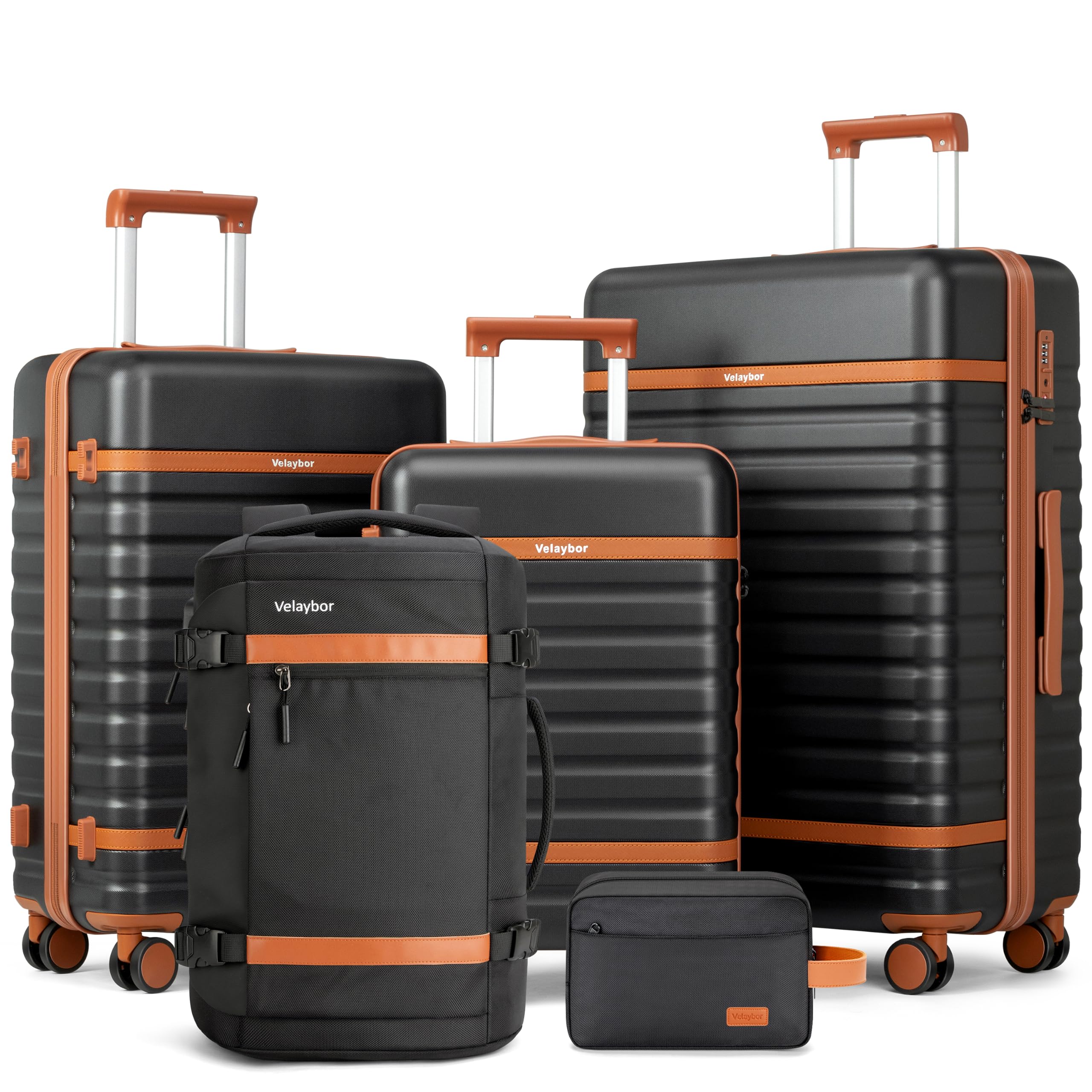
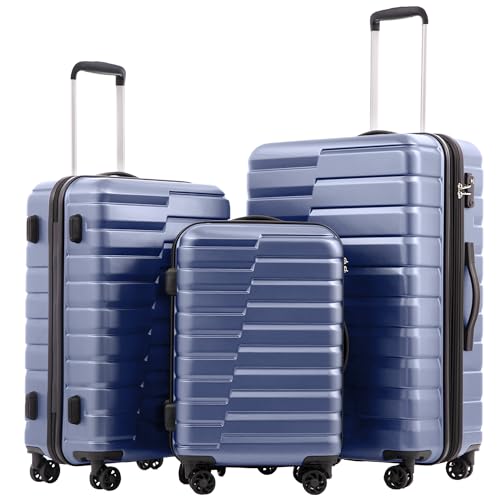
Most sets pair a cabin size rolling bag with a smaller bag that slides under the seat, and some add a packing cube or toiletry case. The product table lists current sets, and the sections below explain how to read them.





Who Should Buy Carry On Luggage Sets
Frequent Flyers
If you fly often, weight and durability matter most. Look for an empty weight low enough to leave room under airline limits, wheels that glide through terminals, and a handle that locks firmly at several heights. A shell that shrugs off scuffs will still look presentable after dozens of trips.
Families Traveling Together
Families benefit from matching pieces that are easy to spot on a carousel or in a rental car. Choose a set where the small bag holds snacks, tablets and a change of clothes, and where the larger bag has enough give to absorb souvenirs. Wheels that survive being pulled by a tired child are a real advantage.
Business Travelers
Business trips reward organization: a padded laptop sleeve, a front pocket for documents and a garment friendly main compartment. A slim under seat bag that holds a laptop and charger lets you keep work close while the cabin bag goes overhead.
Occasional Vacation Travelers
If you travel a few times a year, value and storage space matter more than premium features. A lightweight set that nests for storage and costs less than a single premium bag can make sense, as long as the zippers and wheels feel solid in the first week.
Types of Carry On Luggage Sets Compared
The table below compares the shell types, and the notes after it explain how each behaves on the road.
| Type | Best For | Main Drawback | Typical Price |
|---|---|---|---|
| Hard shell sets | Fragile items and rough handling | No give when overpacked | About $70 to $250 |
| Soft shell sets | Flexible packing and outer pockets | Less protection from impacts | About $50 to $200 |
| Spinner sets | Smooth movement through airports | Wheels can wobble on rough ground | About $60 to $250 |
Hard Shell Sets
Hard shells are made from polycarbonate, ABS or a blend, and they protect contents well. They resist rain and look clean for longer, but they do not stretch, so a packed hard case is either closed or it is not. Textured finishes hide scratches better than glossy ones.
Soft Shell Sets
Soft cases use nylon or polyester and usually add zippered outer pockets for passports, chargers and a jacket. They can be squeezed into a tight bin and expand slightly for extra items. Look for a dense, water resistant fabric and reinforced corners, since those wear first.
Spinner Sets
Spinners use four wheels that rotate in every direction, so the bag glides beside you or ahead of you. They are easy on the wrist in terminals, but the wheels stick out from the body, so check the listed dimensions include them. Two wheeled bags roll better on cobbles and can be tipped to climb curbs.
Key Features to Compare
Airline Size Limits
Carry on limits vary by airline and fare, and the measurement includes wheels and handles. Check the strictest airline you fly and compare it with the listed outside dimensions, not the interior size. If a set includes a larger piece sold as a carry on, confirm it against your own airline before you travel.
Empty Weight
A heavy shell leaves less allowance for what you pack, which matters on carriers that weigh cabin bags. Compare the empty weight of the main bag, and remember that sturdier zippers and wheels add a little weight that is usually worth it.
Wheels and Handles
Wheels decide how the set feels on every trip. Look for wide, smooth wheels with some cushioning, and a telescoping handle with no wobble when fully extended. A handle that stops at two or three heights suits both tall and short travelers.
Organization and Pockets
Interior dividers, compression straps and zipped panels keep clothes flat and let you find items quickly at security. A front pocket that fits a laptop or tablet is useful, but check it still allows the bag to meet the airline depth limit.
Locks and Zippers
A built in lock, or loops that accept a travel lock, adds peace of mind. Chunky, self repairing coil zippers tend to last longer than thin ones, and double pulls make packing easier.
Packing and Traveling Light
Roll clothes or use packing cubes, and place heavy items near the wheels so the bag balances when tilted. Keep documents, chargers and a change of clothes in the under seat bag so you never need to open the cabin bag in flight. Weigh the packed set at home, since overweight fees cost more than a little careful editing.
Try the wheels and handle on a hard floor before you leave, and check that zips and locks move smoothly. A set that rolls well empty but wobbles when full usually needs repacking, not replacing.
Common Mistakes to Avoid
- Trusting the word "carry on" in a listing without checking the size against your airline.
- Counting pieces instead of usefulness, then never using the third item in the set.
- Buying the thinnest shell to save money, then finding cracked corners after one trip.
- Overpacking a hard case so the zipper strains and the frame bows.
- Ignoring wheel quality, which is usually the first part to fail.
Frequently Asked Questions
What size carry on luggage is allowed?
Limits differ by airline, and many US carriers allow a bag of about 22 by 14 by 9 inches including wheels and handles. Budget fares can be stricter, so check the airline for each trip. Measure the packed bag, since overstuffed pockets add depth.
Are hard or soft carry on sets better?
Hard sets protect fragile items and resist weather, while soft sets offer outer pockets and a little extra give. Choose hard for protection and a tidy look, and soft for flexible packing and tight overhead bins. Your habits should decide.
How many pieces should a carry on set include?
Two pieces suit most travelers: a cabin bag and an under seat bag. Three pieces add a packing cube or toiletry case, which helps on longer trips. Pick the number of pieces you will actually pack, not the largest set on offer.
Do spinner wheels last on rough surfaces?
Spinner wheels work best on smooth floors and can struggle on cobbles and broken pavement. Larger, sturdier wheels with a recessed mount handle mixed ground better. If you often travel over rough streets, consider a two wheeled bag instead.
How do I pack a carry on set efficiently?
Roll clothes, use packing cubes, and put heavy items near the wheels. Keep liquids in a clear bag at the top for security checks, and keep documents in the under seat bag. Weigh the packed set at home to avoid surprises.
Related Guides
Compare nearby options in our guides to best 2 piece carry on luggage sets, best quality luggage sets, best travel luggage sets, best affordable luggage sets and best samsonite luggage sets.
Final Thoughts
Choosing the best carry on luggage sets comes down to airline size, shell type, wheel quality and how many pieces you will really use. Use the product table to compare current sets, then check dimensions against the strictest airline you fly. A set chosen that way saves money, time and frustration on every trip.