Best Car Keychain for 2026: Types Compared and How to Choose
Disclosure: We may earn a commission when you buy through links on this page, at no extra cost to you. As an Amazon Associate I earn from qualifying purchases. Learn more

Compare best car keychain types by material, size, attachment and price, and learn how to pick a practical everyday holder for your keys and routine.
Choosing the best car keychain sounds simple, yet the choice affects how your keys feel in a pocket, how quickly you find the right key, and how well the holder survives daily use. Some holders stay slim and quiet, others add a tracker pocket or a bottle opener, and a few are built to take rough handling. This guide compares the main types in the comparison table below, then explains size, material, attachment, and durability so you can pick with confidence.
The best holder is the one that matches your key load and your routine. A driver with two keys needs something very different from a driver who carries house keys, work keys, and a fob. Think about pocket space, noise, weight, and how often you add or remove keys, then use the sections below to narrow the type before you look at price.


Types of Car Keychains Compared
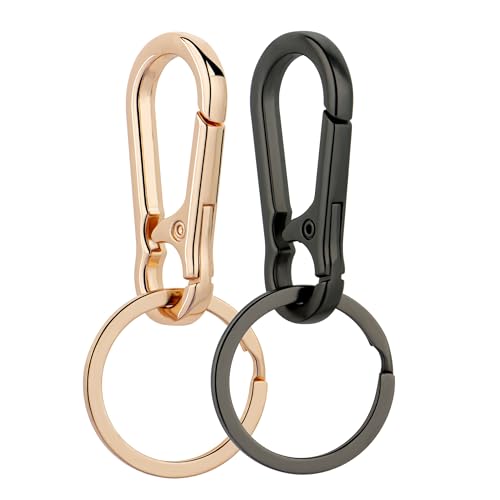
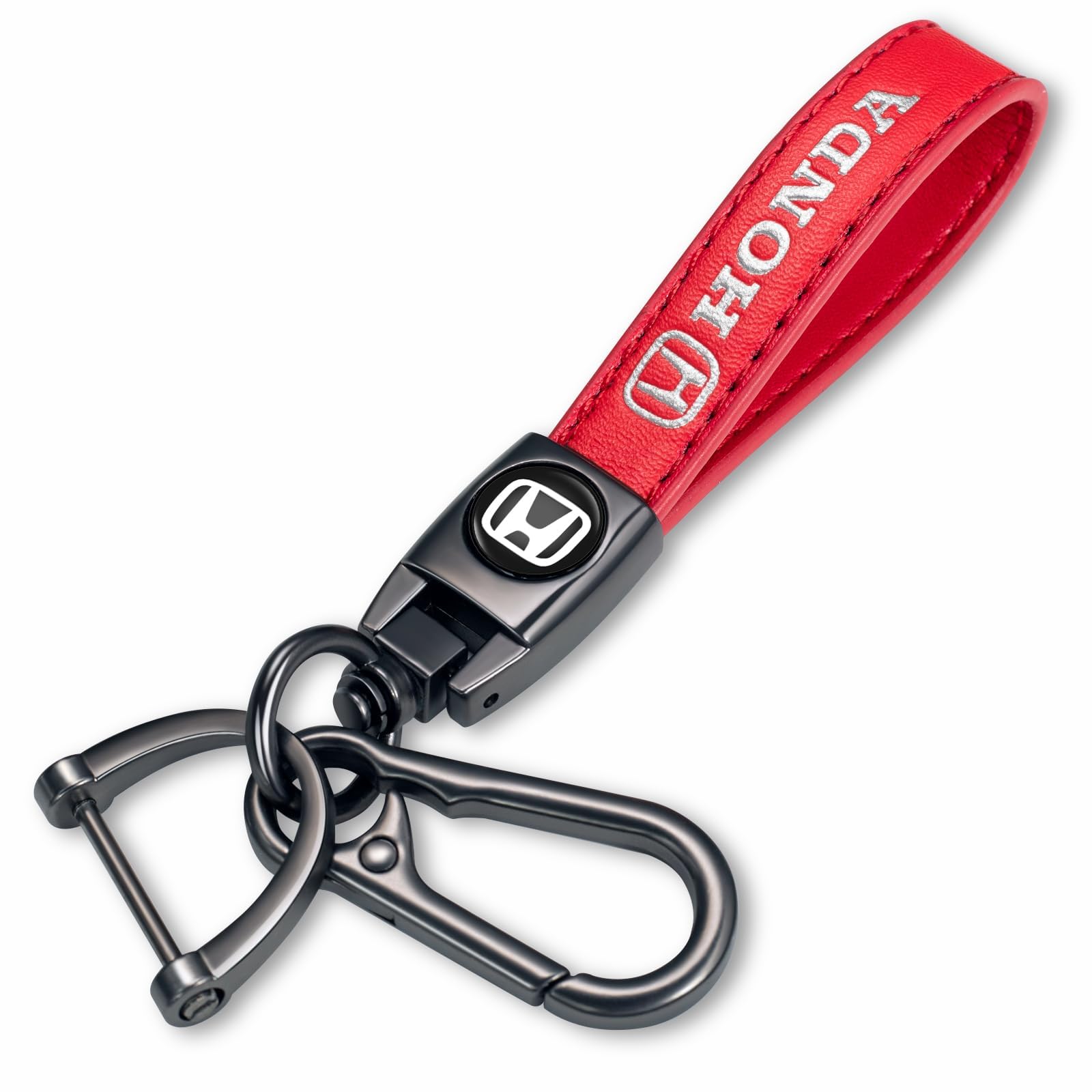
Car key holders differ mainly in how keys are attached and how much bulk they add. A ring keeps things simple, a clip or carabiner adds quick access, a leather fob holder adds a smart look and protects a fob, and a multi tool holder adds small everyday functions. Each type suits a different pocket, bag, and daily routine, so start with attachment style rather than color or finish.
| Type | Best For | Pros | Cons | Typical Price |
|---|---|---|---|---|
| Compact ring holders | Two or three keys, slim pockets | Light, simple, low cost | Keys can jingle and scratch | About $5 to $15 |
| Clip and carabiner holders | Quick access, belt loops and bags | Easy to attach and remove | Can add bulk and weight | About $10 to $25 |
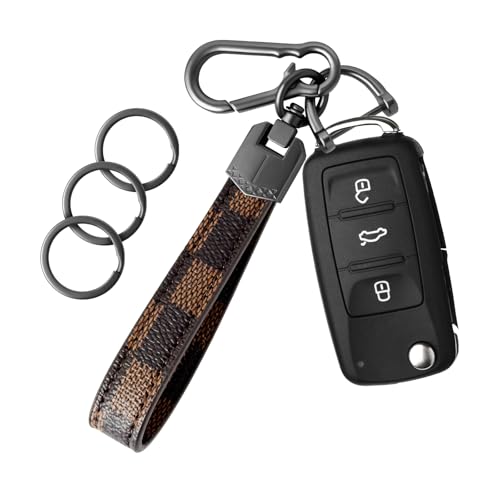
| Leather fob holders | Smart fobs, quiet pockets | Protects fob, looks neat | Needs care, can wear over time | About $15 to $40 |
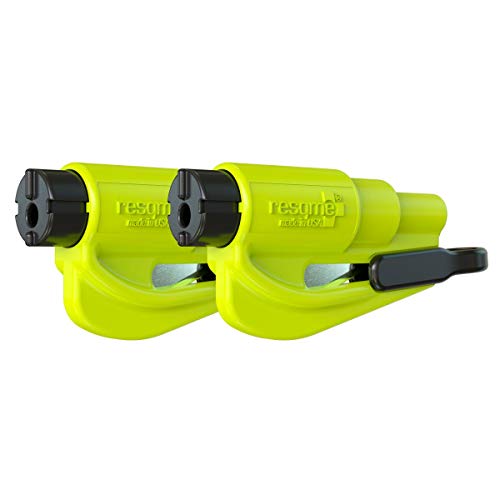
| Multi tool holders | Drivers who want extra functions | Adds opener or small tools | Heavier, may add bulk | About $15 to $35 |
Compact Options
Compact holders use a small ring, a short strap, or a slim case to keep one car key and a couple of house keys together. They add almost no bulk, which suits slim pockets, small bags, and drivers who dislike jingling keys. The trade off is capacity: once you add several keys, a fob, and a membership tag, a compact holder can feel crowded and hard to use. Check the ring size and the opening mechanism, because a stiff ring makes key changes frustrating.
Choose a compact holder if you carry few keys and you value a light pocket. Look for smooth edges, a secure closure, and a material that will not scratch a phone screen in the same pocket. If you often add keys for work or family cars, a larger holder may suit you better.
Mid Range Options
Mid range holders balance size, durability, and price. They often use a sturdy ring with a leather strap, a metal clip, or a small organizer that stacks keys in a neat line. That design reduces jingle and keeps keys flatter in a pocket, which helps when you sit for long drives.
Choose a mid range holder if you carry a fob plus several keys and you want something that lasts without a premium price. Check how easily keys can be added or removed, because a holder that needs tools for every change can become annoying. Also check total weight with your keys attached, since a holder that feels fine empty can feel heavy once it is fully loaded.
Budget Options
Budget holders focus on the basics: a ring, a strap, or a simple clip that keeps keys together at a low price. They work well as a spare holder, a first holder for a new driver, or a simple way to separate car keys from house keys. Materials are often simple metal, plastic, or fabric, and the finish may wear faster than higher priced holders. That trade off is fair when the holder is easy to replace.
Choose a budget holder if you want a simple, low cost way to organize keys and you do not need extra functions. Check the closure strength first, because a weak ring or clip can open in a pocket and lose a key. Also check for rough edges and loose stitching, since those small faults cause most early failures. A well made budget holder can last a long time with light daily use.
Premium Options
Premium holders use thicker leather, machined metal, or a refined organizer design, and they often include a fob pocket, a tracker pocket, or a quick release mechanism. The appeal is a quieter pocket, a neater look, and details such as smooth edges and strong hardware that feel solid in daily use. Premium holders also tend to protect a smart fob from scratches and drops better than a bare ring.
Choose a premium holder if you carry an expensive fob, you dislike key noise, or you want a holder that still looks good after years of use. Check whether the fob pocket fits your exact fob shape, because a tight pocket can press buttons, while a loose pocket lets the fob slip.
Compact Options vs Mid Range Options: Which Should You Choose?
Compact holders win on size and weight, while mid range holders win on organization and durability. Compare capacity first, then pocket bulk, then noise, then ease of adding keys, then price. A compact holder suits a driver with two or three keys, while a mid range holder suits a driver with a fob, house keys, and work keys who wants a quieter, flatter pocket.
Test the choice against your daily routine. If you often grab keys in a hurry, a clip or a quick release may matter more than slimness. Use the product table above to compare the types, then pick the holder that keeps your keys easy to find without adding weight you will notice all day.
How to Choose the Right Car Keychain
Maintenance and Long Term Costs
Key holders need little care, but small checks extend their life. Inspect rings and clips for bending, check stitching on leather straps, and clean metal parts with a soft cloth. Replacing a worn ring early costs little and prevents a lost key, which is far more expensive and stressful.
Intended Use and Who It Is For
Start with who will use the holder and where it will live. A commuter who keeps keys in a jacket pocket needs a slim, quiet holder, while a tradesperson who clips keys to a belt loop needs a strong clip and a rugged finish. A parent who shares a car may want a holder that is easy to hand over, while a driver with a smart fob needs a pocket that protects the fob and avoids accidental button presses. Match the holder to the routine, not just the look.
Size, Weight, and Fit for Your Space
Size and weight matter more than they first appear, because keys travel with you all day. Measure your key load before you buy, including the fob, and compare it with the holder size. A holder that is too small will crowd keys and make the right key hard to find, while a holder that is too large adds pocket bulk and weight.
Build Quality and Materials
Materials decide how a holder ages. Metal rings and clips offer strength, but they can scratch other items and add weight. Leather looks smart and quiets keys, but it needs care and can wear at stress points.
Fabric and silicone are light and quiet, but they may stretch or fade with heavy use. Check stitching, edge finishing, and closure strength, because those details reveal quality better than a glossy photo.
Key Performance Specs
The most useful specs for a key holder are ring diameter, clip strength, fob pocket size, and total weight. Ring diameter decides how many keys fit comfortably, while clip strength decides whether the holder stays on a belt loop or bag strap. Fob pocket size must match your fob, not just a generic shape, and total weight should be checked with keys attached. If a holder includes a tracker pocket, check that it fits your tracker and does not block its signal.
How to Make Your Car Keychain Last Longer
Read the manual before first use if the holder has a quick release or a fob pocket, because forcing a mechanism can bend it. Clean and inspect regularly, and store the holder in a dry place when it is not in use. Avoid overloading a small ring, since excess weight bends rings and weakens clips over time. Keep small parts away from young children, and replace a bent ring or a frayed strap before it fails.
Car Keychains: Your Questions Answered
What features matter most when buying car keychains?
Closure strength, fob fit, pocket bulk, and ease of adding keys matter most, because they decide daily comfort and security. A holder that opens too easily risks a lost key, while a holder that is hard to open makes key changes frustrating. Check material quality, edge finishing, and total weight with your keys attached.
How much should I spend on a car keychain?
Most drivers can expect to spend about $5 to $15 for a simple holder, about $10 to $25 for a sturdy mid range holder, and about $15 to $40 for a premium leather or organizer holder. Start with the type that fits your key load, not the highest price tier, because a well made simple holder often outlasts a fancy holder with a weak closure. Set a budget that leaves room for a spare ring, since that small part wears first.
How do I maintain a car keychain?
Inspect the holder every few weeks for bent rings, loose stitching, and worn clips, and clean it with a soft cloth. Wipe metal parts dry after rain, condition leather only if the maker recommends it, and wash fabric holders as the maker directs. Remove keys before cleaning a leather holder, and let it dry fully before use. Replace any part that feels loose, because a small fault can lead to a lost key at the worst moment.
How long does a car keychain last?
A well made holder can last several years with light daily use, while a holder that carries many keys, gets clipped and unclipped often, or faces harsh weather may wear faster. Rings bend, leather softens, and clips lose tension over time, so lifespan depends on load and care rather than price alone. Regular inspection helps you spot wear early. Replace the holder when the closure feels weak, the strap frays, or keys no longer sit securely.
Are expensive car keychains worth it?
Expensive holders are worth it when they solve a real problem, such as protecting a costly fob, cutting pocket noise, or organizing many keys neatly. They are less worthwhile when the only difference is a luxury finish on a holder that carries two keys. Compare closure strength, fob fit, and material quality first, because those factors decide daily value. A mid range holder often gives the best balance of durability and price for most drivers.
Our Verdict
Start with your key load and your pocket. Slim holders suit few keys, mid range holders suit a fob plus several keys, and premium holders suit drivers who want fob protection and a quieter pocket. Check closure strength, fob fit, size, and weight before price, and use the product table above to compare the types side by side.
When those basics are right, the choice becomes simple. Pick the holder that keeps your keys secure, easy to find, and comfortable to carry every day. For most drivers, that balance matters more than any single feature, and it is the reason a well chosen best car keychain earns its place in a pocket rather than in a drawer.