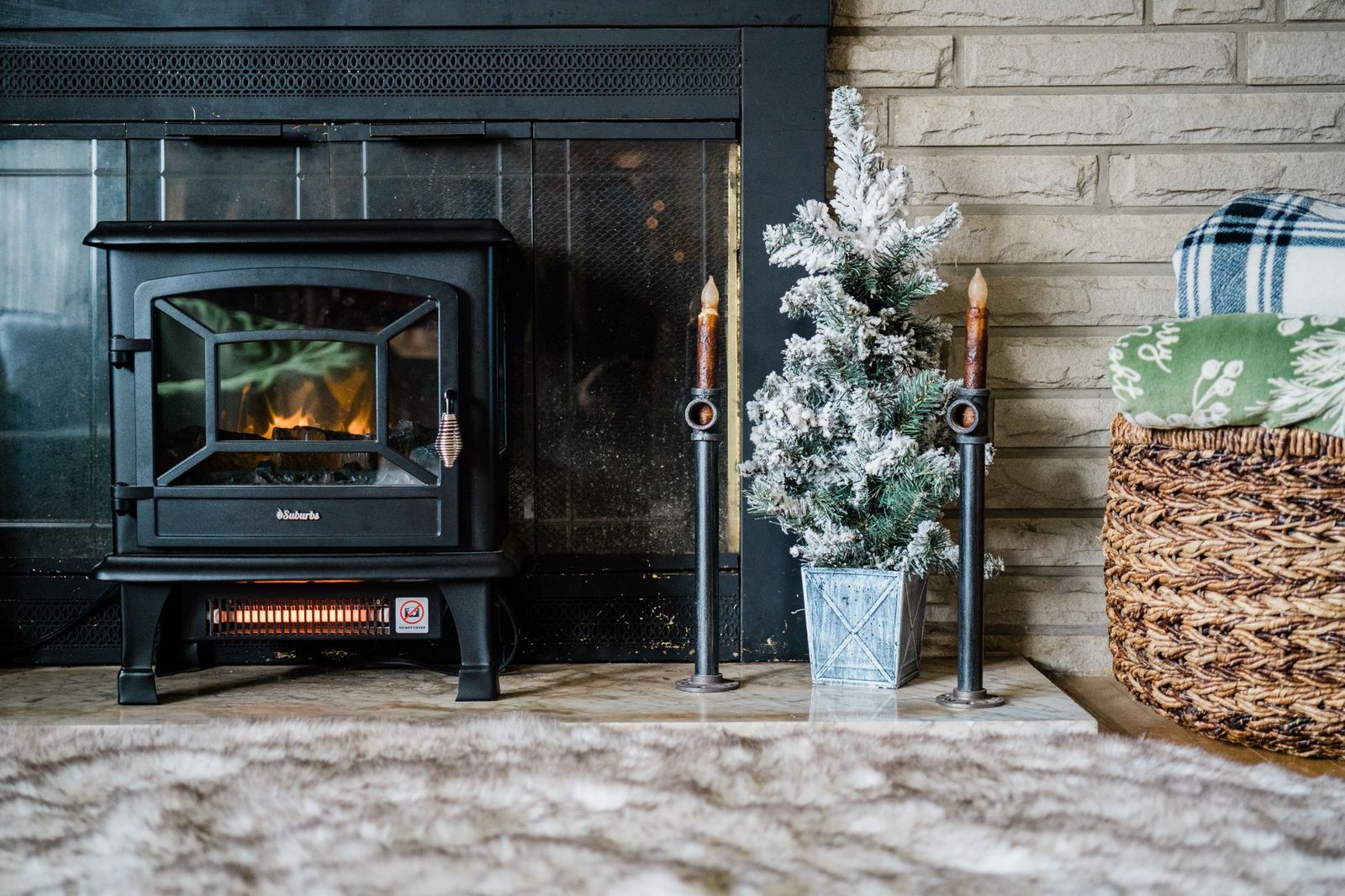
Best Candle Holders: A First Time Buyer's Guide for 2026
Disclosure: We may earn a commission when you buy through links on this page, at no extra cost to you. As an Amazon Associate I earn from qualifying purchases. Learn more
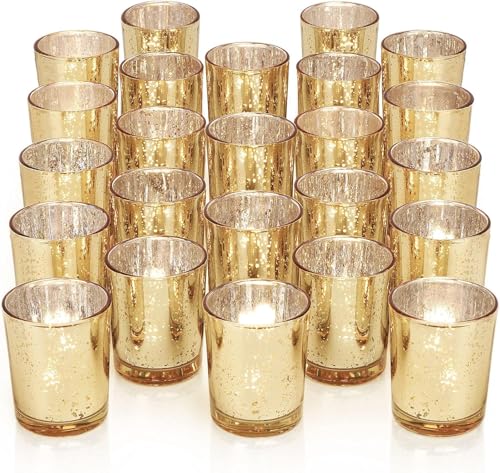
Shopping for candle holders for the first time? Learn the terms, compare materials and sizes, and avoid rookie mistakes with this easy beginner guide.
If you are shopping for candle holders for the first time, the range of shapes, materials, and sizes can feel overwhelming. This guide explains the terms in plain language, compares the main options, and flags the safety points that matter most, so you can choose with confidence. The best candle holders for your home depend on the candles you burn, the surfaces you place them on, and the look you want, and the comparison table below can help you weigh those choices side by side.
You do not need a large collection to start. One or two well matched holders for your most used candles will teach you what you like, from the weight that feels stable to the finish that suits your room. Read on to learn the basics, the specs worth comparing, and the mistakes new buyers make most often.
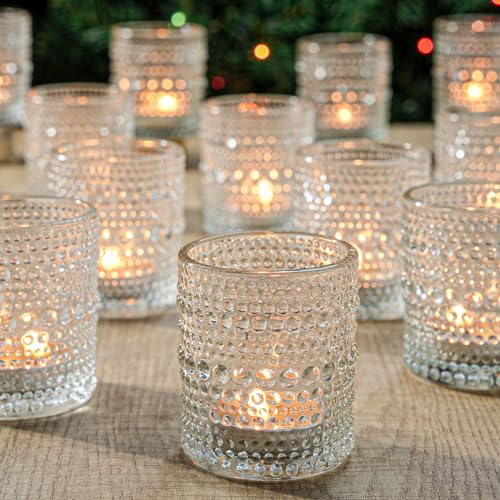
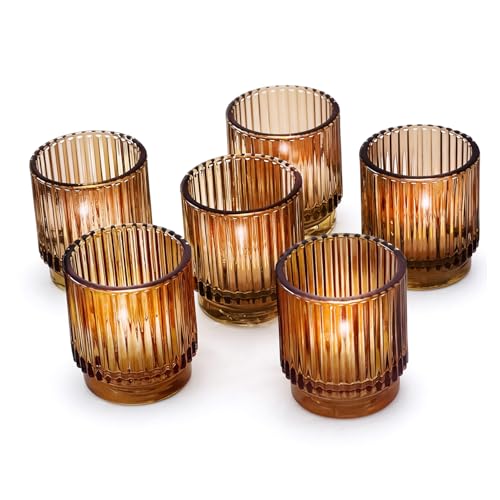
Candle Holders 101: The Basics
A candle holder is a stand, cup, tray, or lantern that holds a candle upright, catches dripping wax, and keeps flame away from table surfaces. Holders come in many forms, from simple metal cups for tea lights to tall pillars for taper candles and enclosed lanterns for outdoor use. The key idea is the same in every case: the candle sits stable, heat stays contained, and wax has somewhere safe to go.
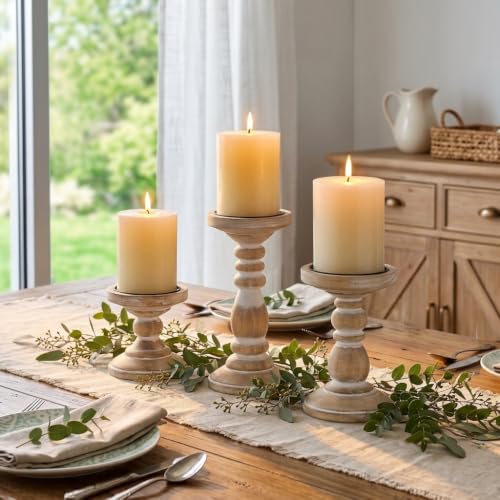
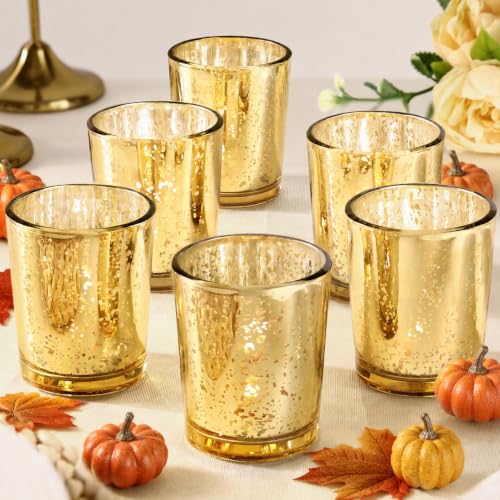
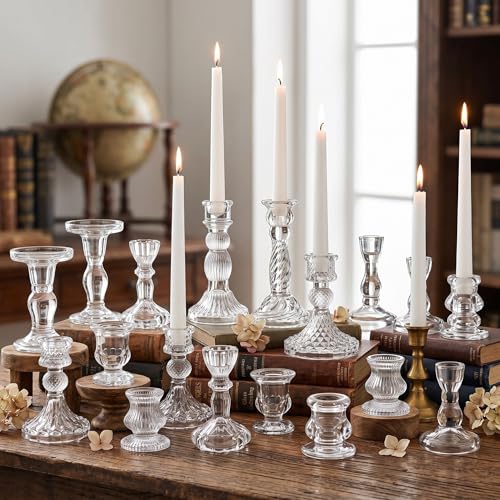
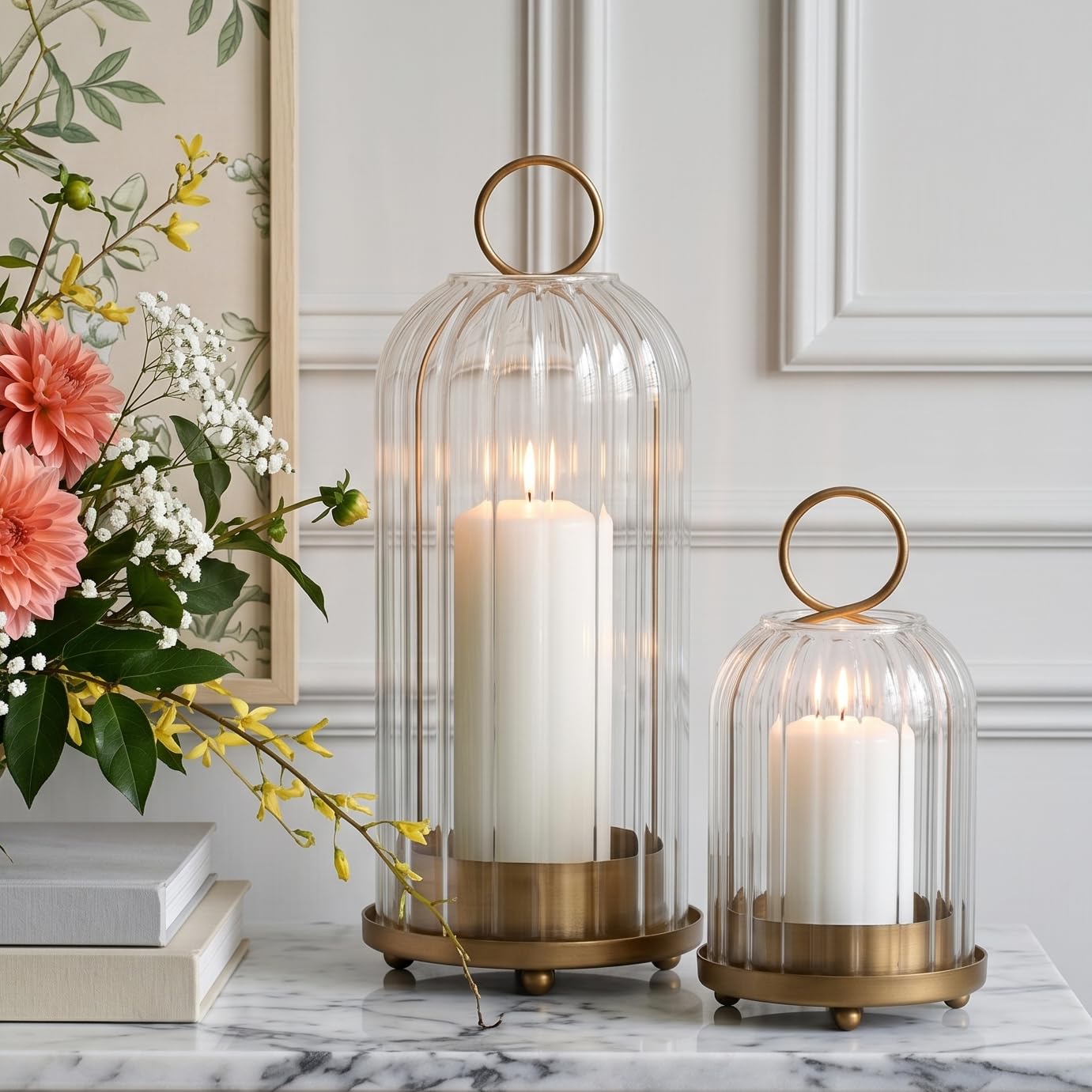
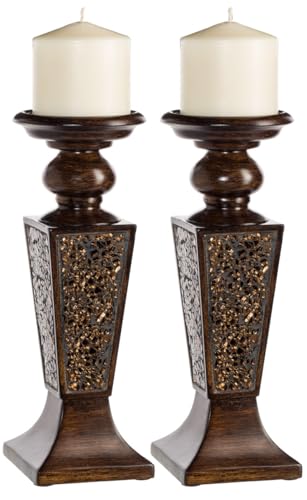
A few terms will make shopping easier. A taper holder has a narrow socket sized for a thin stick candle, while a pillar holder has a wide plate or cup for a thick candle. A votive holder is a small cup for short votive candles, and a tea light holder is even smaller and shallower. Hurricane holders surround the flame with a glass sleeve that shields it from drafts.
Match the holder type to your candle size first, and the rest of your choices will fall into place.
Key Specs Explained in Plain English
Intended Use and Who It Is For
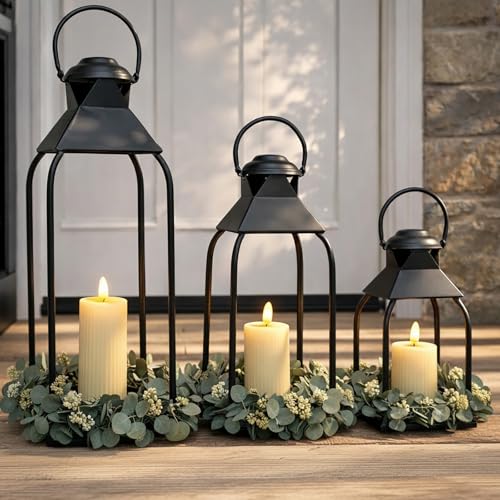
First time buyers usually want holders for one of three settings: everyday table use, special dinners or gatherings, or outdoor patios and porches. Everyday holders should be sturdy, easy to clean, and sized for the candles you burn most. Gathering holders can lean more decorative, since they set a mood for a few hours at a time. Outdoor holders need wind protection and a stable base, so enclosed lanterns and heavy glass sleeves suit patios better than open cups.
Safety and Certifications
Safety is the most important spec for any candle holder, and it starts with stability. A holder should sit flat without rocking, and its base should be wide enough that a light bump does not tip it. Heat resistant materials such as metal, stone, ceramic, and thick glass protect the surface below, while thin plastic and untreated wood are poor choices near flame. Follow the maker guidance for the candles you use, keep holders away from curtains and paper, and never leave a burning candle unattended.
Keep holders out of reach of children and pets, and place them where they cannot be knocked over easily.
Maintenance and Long Term Costs
Most holders cost little to maintain, but the material sets the effort involved. Glass and glazed ceramic wipe clean easily, while raw metal may need polishing to keep its shine. Wax drips are the main chore, so look for cups or trays that catch drips before they reach your table. Holders with removable cups are easier to clean than fixed designs.
Over time, heat can discolor thin finishes, so spending a little more on a sturdy holder often saves repeat purchases.
Ease of Use and Setup
Setup should take seconds: place the holder on a flat, heat safe surface, seat the candle firmly, and check that it stands straight. Taper holders sometimes need a snug fit, and a small drip of melted wax in the socket can steady a loose candle. Check that the candle sits below the rim of a hurricane sleeve when possible, so the flame stays shielded from drafts. If a holder wobbles or the candle leans, do not light it until you have fixed the fit.
Build Quality and Materials
Glass holders show the flame well and suit most rooms, but thin glass can crack under heat, so look for thick, even walls. Metal holders are durable and often lighter, and brass, iron, and steel each bring a different look. Ceramic and stone holders feel solid and resist heat well, though they can chip if dropped. Wood holders look warm but need a metal or glass insert to keep flame away from the wood itself.
Check joints, welds, and finishes for rough edges before you buy, and choose a material that matches both your decor and your cleaning habits.
Picking the Right Candle Holders for Different Uses
Best Crystal Candle Holders: Tips for First Time Buyers
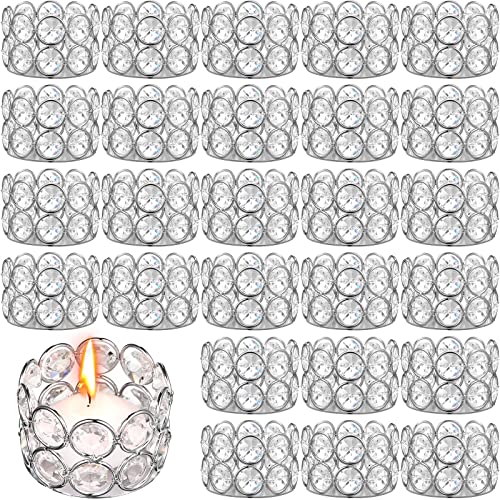
Crystal holders suit formal settings, since cut glass catches and throws light in a way plain glass does not. When you compare them, check three things: the weight, which keeps a tall holder stable; the socket size, which must fit your tapers or pillars; and the clarity of the cut, which affects how light plays through the piece. Crystal needs gentle hand washing and careful storage, so buy it for occasions you will enjoy rather than for daily use near busy counters.
Best Decor Candle Holders
Decor holders are chosen first for how they look in a room, whether that means rustic iron, modern minimal metal, or colorful ceramic. When you compare them, check three things: the finish, which should suit your room and resist heat marks; the scale, since a holder that is too tall can block conversation across a table; and the candle fit, because a beautiful holder that cannot hold your candles steady is a poor buy. For everyday scented use, see our guide to the best scented candles to match fragrance strength to room size.
Rookie Mistakes to Avoid
- Buying the wrong socket size: a taper that wobbles or a pillar that does not fit the plate is unsafe, so measure your candles before you order.
- Choosing looks over stability: a tall, narrow holder tips easily, so check the base width and weight before you fall for the design.
- Placing holders near drafts or flammables: wind can push a flame sideways, so keep holders away from curtains, paper, and open windows.
- Skipping a heat safe surface: even a good holder gets warm, so set it on stone, tile, or a tray rather than directly on a delicate wood finish.
- Leaving candles burning unattended: no holder makes an open flame safe to ignore, so blow candles out when you leave the room or go to sleep.
Getting Started: Setup and First Use
Read the manual before first use, since the maker may note candle sizes, heat limits, and cleaning steps for that holder. Clean and inspect regularly: wipe away wax and soot, check glass for chips or cracks, and check metal joints for looseness. For your first use, place the holder on a flat, heat safe surface away from drafts, seat the candle firmly, and trim the wick to the length the candle maker states. Light the candle, watch it for a few minutes to confirm the flame stays steady and centered, and keep a clear space around it.
For seasonal displays, see our guide to the best christmas candles for pairing festive scents with sturdy holders. If you want flame free light for a child's room or a rental, see our guide to the best battery candles, which give a similar glow without an open flame. Either way, store holders where they will not chip or fall, and keep spare candles and matches or a lighter in the same spot so setup stays easy.
FAQs
How do I maintain a candle holder?
Maintenance starts with cleaning after each use, while wax is still soft enough to lift away easily. Wipe glass and glazed ceramic with warm soapy water, and polish metal with a soft cloth to keep its finish. Check for chips, cracks, and loose joints before each use, since heat can worsen small damage over time. A holder with a cracked glass sleeve or a wobbly base should be retired, because it can no longer hold a candle safely or catch wax as designed.
Are expensive candle holders worth it?
Expensive holders are worth it when the material, weight, and finish clearly improve safety and durability, as with thick crystal or well made metal. A heavier base resists tipping, and a quality finish resists heat marks and tarnish longer. For everyday use, though, a mid priced holder often performs just as well and is easier to replace if it chips. Judge value by stability, heat resistance, and candle fit first, and treat decoration as a bonus rather than the main reason to pay more.
How long does a candle holder last?
A well made holder can last for many years, and glass, metal, and stone holders often outlive the candles burned in them. Its life depends on the material, how often it is used, and whether it is cleaned and stored with care. Chips, cracks, and warped metal shorten its life, while gentle cleaning and safe storage extend it. Retire any holder that rocks, has a cracked sleeve, or no longer holds a candle firmly, since a worn holder cannot protect surfaces as it should.
What features matter most when buying candle holders?
Stability, candle fit, and heat resistance matter most, because they decide whether a holder is safe to use. A wide, heavy base and a socket that fits your candles snugly come before any decorative detail. Ease of cleaning matters next, since wax drips are part of every burn. Style, finish, and size round out the list, and they should suit the room and the table where the holder will sit.
A holder that fails on safety is a poor buy at any price.
How much should I spend on a candle holder?
Most first time buyers spend about $10 to $30 on a solid everyday holder, which covers glass, metal, and ceramic options in common sizes. Simple tea light and votive holders can start around $5 to $15 for a set, while large crystal or hand finished pieces can run about $30 to $80 or more. Start with holders for your most used candles, and add decorative pieces only after you know which sizes and styles you reach for most.
The Bottom Line
For most first time buyers, a stable, heat resistant holder that fits your candles snugly is the smartest starting point. Match the holder type to your candle size, choose a material you will enjoy cleaning, and keep safety habits front and center every time you light a flame. If you keep these points in mind, the best candle holders for your home will be the ones that look good, sit steady, and last for years, and the product table above can help you compare materials and prices before you order.