Best Canadian Made Mattresses: Types Compared and How to Choose for 2026
Disclosure: We may earn a commission when you buy through links on this page, at no extra cost to you. As an Amazon Associate I earn from qualifying purchases. Learn more
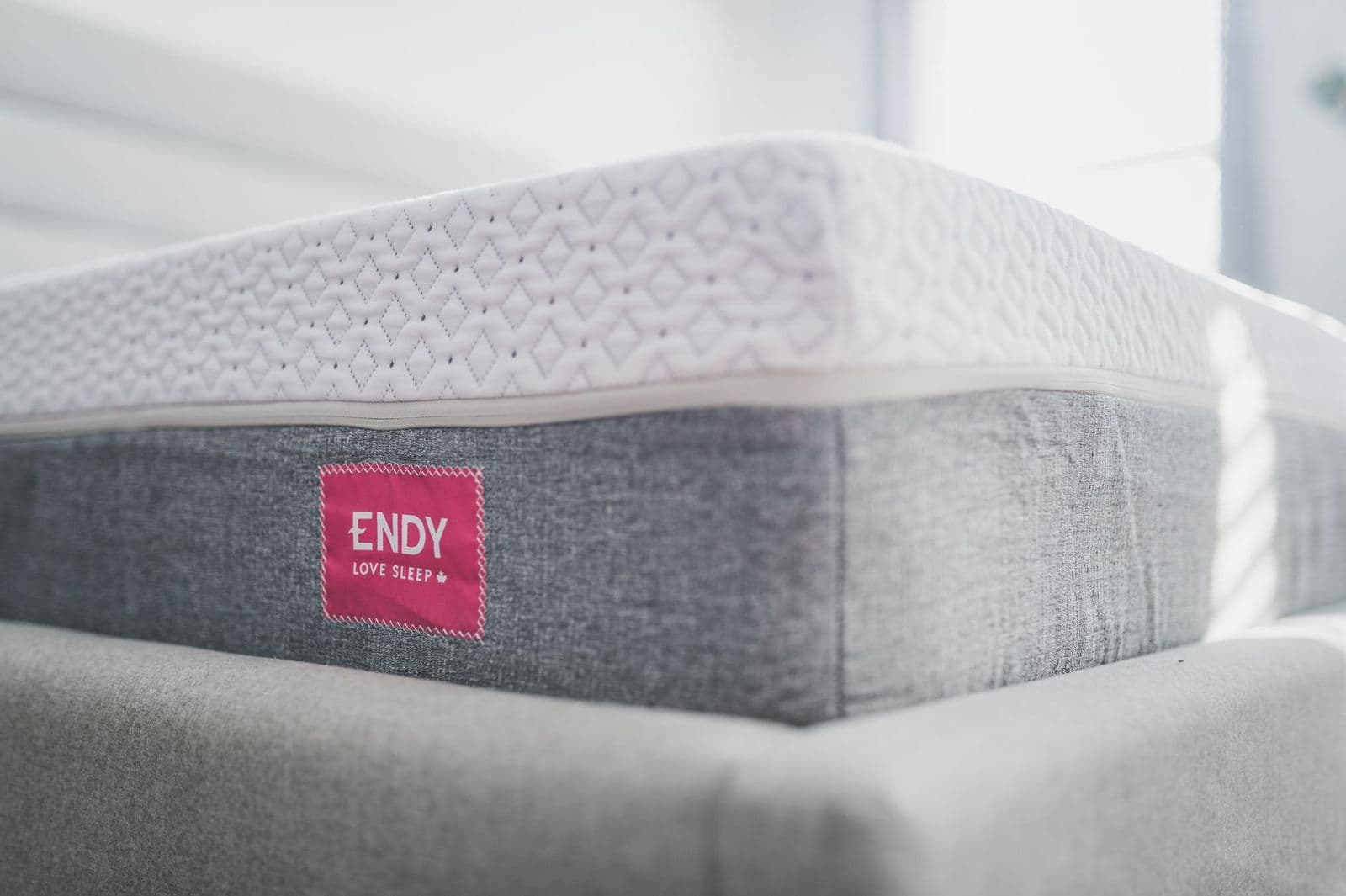
Compare mattress types to choose the best canadian made mattresses, with advice on firmness, sleep trials, and warranty.
A mattress made in Canada can mean shorter shipping, clearer warranty handling, and materials chosen for homes that swing from dry winter heat to warm summer nights. The best canadian made mattresses are not a single type, though. Foam, latex, coil, and hybrid builds feel very different, so the right one depends on your body, your sleeping position, and whether you run warm at night. This guide compares the main construction types, explains firmness, and shows how to check trial and warranty terms before you buy.
Because mattresses are bought rarely and used every night, a few careful checks save years of poor sleep. Start with the type of support you like, then match firmness to how you sleep, and finish with the policies that protect you if the bed does not suit you.
What Canadian Made Mattresses Really Mean
Canadian made usually means the mattress is assembled in a Canadian factory, often as a made to order or bed in a box product. Some components, such as foam chemicals, coils, or fabric, may still be imported, so ask what is made in Canada and what is not. A clear maker will tell you plainly where the mattress is built and where its materials come from.
Best Canadian Made Mattresses by Construction Type
Memory Foam
Memory foam contours closely, relieves pressure at shoulders and hips, and absorbs motion, which helps couples who wake easily. It can sleep warm and feel slow to move on, so look for open cell or gel infused layers and a breathable cover if you run hot.
Latex
Latex feels springy and responsive, lifting you up instead of letting you sink. It is naturally breathable and long lasting, which suits back and stomach sleepers who need level support. It is heavier and often costs more, and people with a latex allergy should avoid natural latex and talk with their clinician about alternatives.
Hybrid
Hybrids pair a coil base with foam or latex comfort layers. They offer airflow, edge support, and a mix of bounce and contour, and they suit many sleepers who want both support and pressure relief. Individually wrapped coils isolate motion better than older linked coils.
Innerspring
Traditional innerspring mattresses have a coil core with a thin comfort layer, and they feel firm, cool, and bouncy. They usually cost less but offer less pressure relief and motion isolation than foam or hybrid builds.
Firmness and Sleeping Position
Firmness is personal, but sleeping position gives a good starting point. Side sleepers usually need more softness at the shoulder and hip, so a medium or medium soft surface often works. Back sleepers tend to do well on medium firm, which supports the lower back without pushing the shoulders up. Stomach sleepers need firmer support so the hips do not sink. Combination sleepers often prefer a balanced medium feel.
Body weight matters too, because heavier sleepers compress foam more and often prefer firmer or denser builds. If you wake with new aches, a mattress is only one factor, and persistent pain, numbness, or weakness deserves a visit to a doctor or physiotherapist rather than a new bed alone.
Trial, Warranty, and Delivery
Sleep Trial
A sleep trial lets you try the mattress at home for a set number of nights. Read the details: how long the trial lasts, whether there is a minimum period before you can return it, and who pays return shipping or pickup within Canada. Give a new mattress a few weeks to settle before you judge it, since your body needs time to adjust.
Warranty
Warranties usually cover sagging beyond a stated depth and manufacturing defects, not normal softening. Check the sag measurement, whether the warranty is prorated, and what conditions apply, such as using a proper base and a protector.
Size and Delivery
Choose size by sleepers, room, and access. Twin and twin XL suit single sleepers, queen is the common couple size, and king gives extra width. Measure hallways, stairs, and turns in older Canadian homes, because a king set can be hard to move. A bed in a box ships compressed and makes access easier.
Materials, Certifications, and Temperature
Look for clear information about foam and fabric standards, such as CertiPUR-US for foam and OEKO-TEX for textiles, which state limits for certain substances. Cooling features such as breathable covers, open cell foam, and coil airflow help hot sleepers, but a cool cover cannot fully fix a dense core that traps heat.
Use a breathable mattress protector from the first night to guard against spills and sweat, keep the base flat and supportive, and rotate the mattress if the maker advises it.
For wider context on origins, you can compare approaches in our guides to the best made mattresses, the best american made mattresses, and the best usa made mattresses. For construction claims, see the best hand made mattresses.
Questions to Ask Before You Buy
- Where is the mattress built, and which parts are imported?
- What is the sleep trial length and return process?
- What counts as sagging under the warranty?
- Is the mattress firmness suited to my sleeping position and weight?
- What base or foundation does the warranty require?
- Will it fit through my doors and stairs?
Common Mistakes to Avoid
- Judging a mattress after a minute in a showroom.
- Choosing firmness by habit instead of sleeping position.
- Ignoring the return process and shipping costs.
- Skipping a protector and then voiding the warranty with stains.
- Assuming Canadian made means every material is Canadian.
Frequently Asked Questions
How often should I replace a mattress?
Many mattresses last about seven to ten years, though foam and hybrid builds vary and quality latex can last longer. Replace sooner if you see visible sag, wake with new aches, or sleep better elsewhere.
What firmness is best for back pain?
No single firmness is best for everyone. Many back sleepers like medium firm, while side sleepers need softer shoulder support. Persistent or worsening pain needs a doctor or physiotherapist, not just a new mattress.
Are cooling mattresses worth it for hot sleepers?
They can be when the design goes beyond a thin cover. Look for breathable layers and airflow through coils or latex, and keep room temperature and bedding in mind too.
Can I wash a mattress?
No. Spot clean small stains with mild cleaner and little water, let the area dry fully, and use a protector to prevent most stains. Wash removable covers only if the label allows.
Is a bed in a box a good choice?
It can be, since it ships compressed and fits through tight spaces. Check the trial, warranty, and materials as you would for any mattress.
Our Verdict
Choose the construction type first, then firmness for your main sleeping position, and then trial and warranty terms that let you try the bed at home. Those three points decide long term comfort far more than a fashionable cover.
Use that checklist on each maker, and the best canadian made mattresses option for you will be the one that supports your body and sleeps at the right temperature.