
Best Cameras for 500: A Buyer Checklist for 2026
Disclosure: We may earn a commission when you buy through links on this page, at no extra cost to you. As an Amazon Associate I earn from qualifying purchases. Learn more

Run this buyer checklist before buying the best cameras for 500: sensor class, kit or body only, lens system costs, autofocus, video and build quality.
At about five hundred, a camera stops being an impulse buy and becomes the start of a system you will build on for years. Bodies in this class share similar headline specs, yet they part ways on sensor size, lens choice and the cost of everything that comes after the body. This checklist exists so you can hold every candidate to the same standards before money changes hands. If you have been comparing best cameras for 500 across a dozen open tabs, the points below will sort them faster than any spec sheet.
Work through the feature sections in order, then check the comparison table below against your own shortlist. The table shows the current candidates side by side, while the text explains which differences are worth paying for and which are decoration. By the final section you will know which system fits your subjects, your hands and your plans for a second lens.


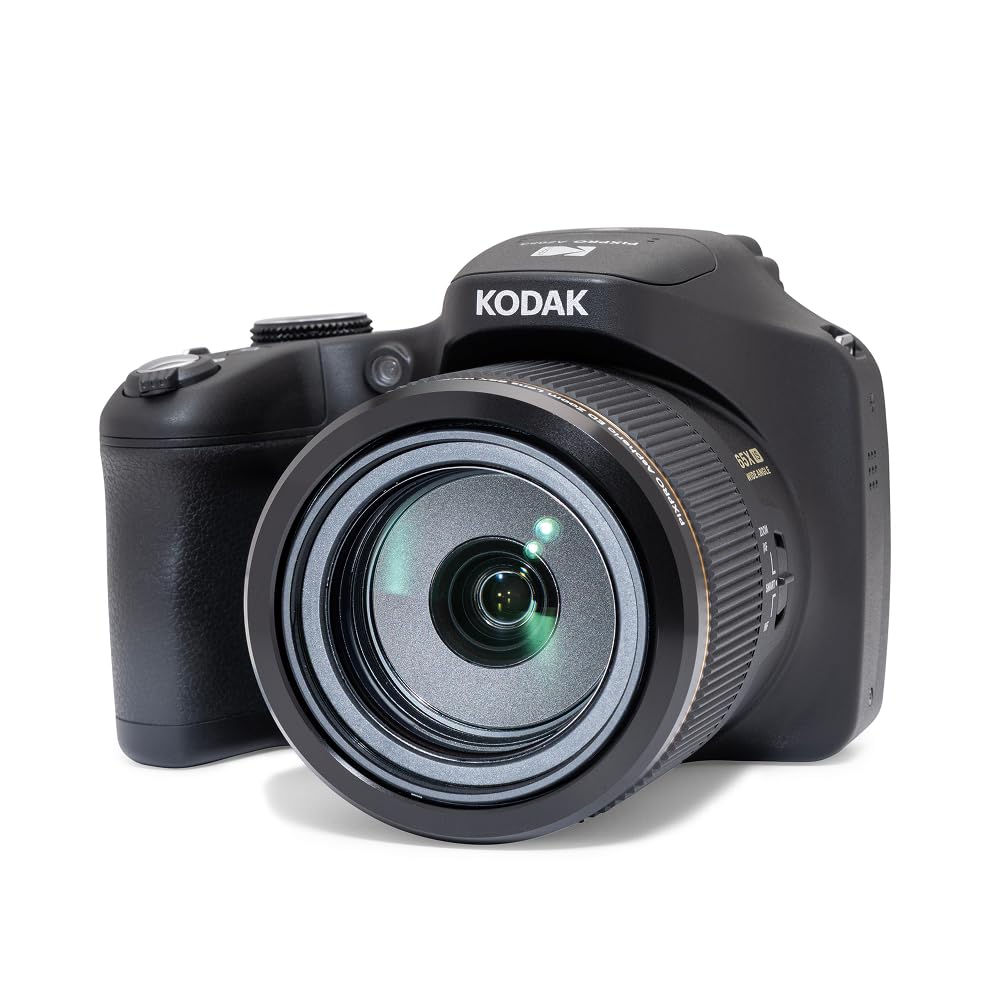
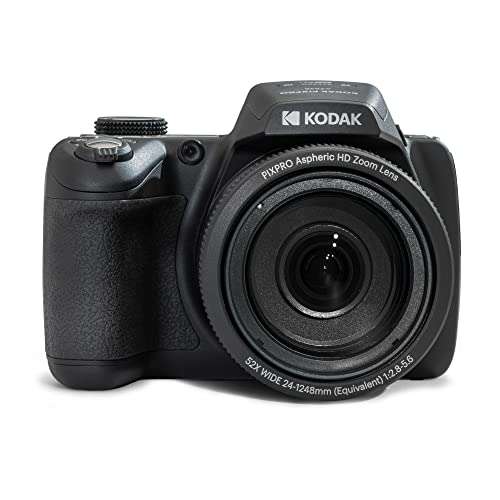


Key Features to Compare
Six checks do most of the work at this price. Run a camera through each one and the weak candidates usually remove themselves.
The System Behind the Body
Stated plainly, at this price class the purchase becomes a system purchase. The body is the first spend, not the whole spend, because the lens classes available for that mount decide what you can shoot next year and the year after. A mount with deep, affordable lens choice in the used and new markets will outgrow a slightly better body on a mount with thin choice.
Readers moving up from phones often start with best digital cameras as the broad class, then narrow by mount once they know their subjects. Count the lenses you realistically want, price them, and let that total judge the body.
Sensor Size and Image Quality
The sensor class splits this price class more than any other single spec. Small sensor compacts trade light gathering for pocket size, 1 inch type sensors sit in the middle, APS C sensors anchor most interchangeable lens bodies here, and full frame bodies appear mainly on the used market. Megapixels matter less than the size of each pixel site, so a modest count on a large sensor usually beats a huge count on a tiny one. Judge sample images at the light levels you actually shoot in, not only at bright daylight.
Kit Lens or Body Only: The First Decision
A kit against a body only box is the first decision class in this budget, and it shapes the whole first year of ownership. A kit lens costs little extra, covers everyday focal lengths and lets you learn which lengths you reach for before spending more. Body only pricing looks cheaper, yet it is only a saving when you already own a compatible lens or plan to buy a better one at once. First time buyers should usually take the kit and put the difference toward a bag, a card and a spare battery.
Autofocus and Shooting Speed
Autofocus quality decides how many of your moving subjects stay sharp. At this level, look for subject detection that recognises people and animals, a focus point spread that covers most of the frame, and tracking that holds on through a burst. Burst speed in frames per second matters less than buffer depth, which is how many shots the camera can take before it slows to clear its memory. Makers quote best case figures, so treat the numbers as a ranking guide rather than a promise.
Video Capabilities
Video splits this class into casual and serious tools. Many bodies here record 4K, but the useful questions sit below the headline: is the 4K cropped, is there a microphone input, and does the screen tilt for framing yourself? A flip screen and a mic socket matter more to a vlogger than a higher frame rate they will never use. If video is only an occasional extra, let stills features lead and treat any video spec past basic 4K as a bonus.
Build Quality and Weather Sealing
Build is where this budget quietly separates careful tools from toys. A metal mount, a body that does not flex in the hand and dials that turn with clean stops all predict a longer working life. Weather sealing at this price is partial at best, so read it as splash resistance for light rain rather than permission to shoot in a storm.
Shoppers who rank durability high often compare notes with guides to the best quality cameras before settling on a mount. Check the grip depth with your own hands if you can, because comfort over a long day is a build feature too.
Battery Life and Charging
Shot ratings per charge at this level run from a few hundred frames on small mirrorless bodies to well past a thousand on DSLR bodies with optical finders. Treat the maker figure as a best case, since screens, cold weather and video all cut it hard. USB C charging matters more than it sounds, because topping up from a power bank between stops saves a day of shooting. Budget for one spare battery from the start and rotate the pair so both age evenly.
What Each Slice of the Budget Buys
The same five hundred can be spent three ways, and each way suits a different buyer.
The Lower Band: Room to Spare
Spending about $350 to $430 leaves money for the accessories that make a camera usable every day. Bodies here are usually a step older or a sensor size smaller, yet they still outshoot any phone once light drops. This band suits buyers who would rather own a camera, a bag and a second battery than a bare newer body.
Our guide to the best cameras under 500 tracks this end of the market in more depth. The honest trade is slower autofocus and weaker video, accepted in exchange for a complete kit.
The Full Budget Band: Nothing Held Back
Committing about $430 to $520 to the body and kit lens is the classic move at this level, and it buys current sensors, current autofocus and screens that tilt or flip. The comparison pages for best cameras around 500 show how crowded this band is, which works in your favour when sales rotate. What you give up is the spare battery and bag money, so expect a second, smaller spend within the first months. For most buyers who shoot weekly, this band is the one to beat.
The Used Market Band
A used body from a class above, bought from a dealer with a warranty, can outrun anything new at this price. You gain a larger sensor or a tougher body and lose the comfort of a full maker warranty and a fresh shutter. Ask for the shutter count, check the sensor for marks, and confirm the return window before paying. This band rewards patient buyers who know which mount they want and can wait for the right example to appear.
Quick Buyer Checklist
Answer these eight questions before ordering. Two or more no answers on the rows that matter to you means keep looking.
- Does the mount offer the lenses you want at prices you accept?
- Is the sensor size right for the light you usually shoot in?
- Does the kit lens cover the focal lengths you use most?
- Can the autofocus track your fastest regular subject?
- Is there a microphone input if you plan to record speech?
- Does the grip fit your hand for a full day of shooting?
- Have you budgeted for a card, a bag and a spare battery?
- Is the warranty at least a full year from the maker or dealer?
Red Flags to Watch For
Walk away from any listing that shows these signs, however good the headline price looks.
- A huge megapixel count on a very small sensor, sold as the main reason to buy
- Digital zoom figures quoted where optical zoom should be
- No stated warranty, or a warranty far shorter than rival listings
- A kit price that quietly omits the battery charger
- Bundles padded with filters and pouches you would never buy alone
- Weatherproof claims with no mention of sealing at the dials and doors
Best Cameras for Specific Needs
The checklist above is general on purpose. The four cases below bend it toward the searches people actually run, from plain photography through mixed budgets. Readers whose subject is photography itself may want the wider view in our guide to the best cameras for photography before narrowing down.
Reading the Same Budget in Plain Dollars
Searchers who type best cameras for 500 dollars usually want the same shortlist with the guesswork removed, and the honest answer is that the dollar figure changes nothing about the method. Hold the same six checks, then spend the difference between bands on the lens you will actually use. At exactly this figure, a current kit from the full budget band beats an older body only box for almost every beginner.
Best DSLR Cameras for 500: What to Check
The DSLR case rests on the optical finder, battery life measured in days rather than hours, and a used lens market deep enough to furnish a whole kit cheaply. Check that the body still takes current memory cards and that its video limits suit you, since live view autofocus on older DSLR bodies is slow. For stills first shooters who value toughness over screens, this remains a rational way to spend the money.
One Maker System at This Price: What to Check
Some buyers already know they want one particular maker system, perhaps because family or friends shoot it and lenses can be shared. That loyalty is worth something real, but price it honestly: check that the mount has mid priced lenses that are genuinely stocked, not just listed. A system is only as good as the lenses you can buy for it this year, so confirm availability before the badge decides for you.
Stepping Up to the Next Budget
Buyers torn between this budget and the next one up are really asking what the extra money buys. The honest answer is a larger sensor more often, faster and deeper bursts, and video without heavy crops. If your subjects are still and your light is kind, the lower figure loses little. If you shoot sport or stage work in dim halls, the jump funds exactly the specs that decide those frames.
Care and Maintenance Tips
Clean the front element with a lens cloth and a blower, never a shirt, which grinds dust across the coating. Carry a spare battery and rotate cards rather than filling one giant card with a whole trip. Store the camera in a dry, padded bag away from radiators and damp cupboards, and take the battery out before long storage. A sensor with dust spots needs a blower first and a wet clean only when you are confident, since the sensor stack is delicate.
Cameras: Your Questions Answered
What features matter most in cameras for 500?
The lens mount and the sensor matter most, because they decide image quality and every later purchase. After those, judge autofocus behaviour on moving subjects and the depth of the burst buffer. A new point worth knowing: the quality of the electronic viewfinder varies widely at this price and shapes how much you enjoy manual focus, so compare finder size and resolution, a spec many buyers skip until the camera is already in their hands.
How much should a first camera at this price really cost in total?
Expect the true first year cost to land about a fifth above the body price once a card, bag, spare battery and a basic protection filter are counted. That gap surprises many buyers who spend the whole budget on the body. Planning the extras from the start also protects the camera sooner, because a padded bag bought on day one prevents the knocks that happen while a bare camera rides in a normal backpack.
Is a smartphone enough instead of a camera at this budget?
For casual daylight snapshots a good phone is enough, and its computational tricks still win on convenience. A dedicated camera pulls ahead when you need optical zoom, reliable tracking of moving subjects, or clean files in dim rooms. One point rarely mentioned: a camera also separates shooting from notifications, and many owners find the single purpose tool makes them shoot more deliberately and keep more of the frames they take.
Which sensor size handles low light best at this price?
The largest sensor you can afford handles low light best, since bigger pixel sites gather more light per shot. In practice that means a used full frame body or a current APS C body will beat a small sensor compact after dusk. Remember that lens brightness counts too: a fast prime on a smaller sensor can match a slow zoom on a larger one, so compare the lens you will mount, not the sensor alone.
Should beginners buy a camera body only or a kit?
Beginners should buy the kit, because the included lens covers the everyday range while you learn which focal lengths you favour. Body only pricing only wins when a compatible lens already sits in your drawer. A related point: kits hold resale value as complete outfits, and a standard zoom makes the camera easy to lend or hand to a family member, which matters more over years of ownership than the small saving on day one.
Final Thoughts
The product table above gathers the current candidates, but the checklist is what turns it into a decision. Pick the mount for its lenses, the sensor for your light, and the band that leaves room for the extras. Chosen that way, the best cameras for 500 stop being a gamble on specs and become the start of a system you will still enjoy growing into. Prices and availability can change, so check the product page before ordering.


