
Best Cameras for 300: A Price Tier Buying Guide for 2026
Disclosure: We may earn a commission when you buy through links on this page, at no extra cost to you. As an Amazon Associate I earn from qualifying purchases. Learn more

Compare the best cameras for 300 by sensor size, autofocus, stabilization, and zoom, and see which features are worth paying for at this budget.
Around $300 is an interesting place to shop for a camera. Prices on Amazon stretch from under $100 to many times this budget, and the gap between a disappointing purchase and a satisfying one usually comes down to a few specs rather than the badge on the front. This guide explains what the best cameras for 300 dollars or so actually give you, tier by tier, so you can see where your money does real work and where it buys decoration.
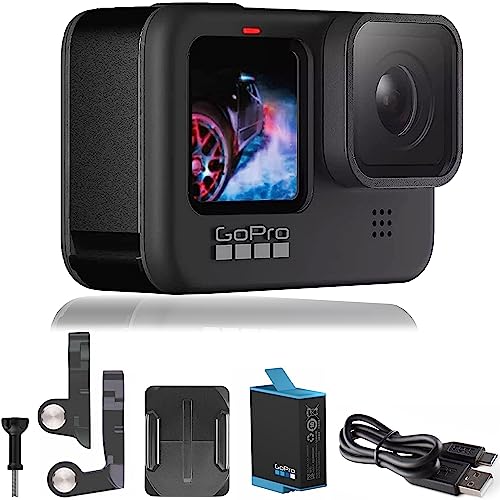
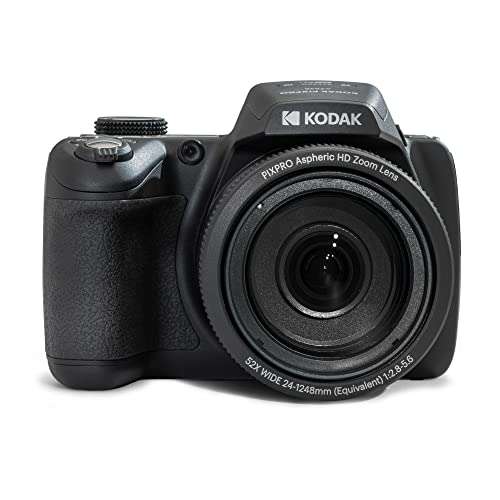
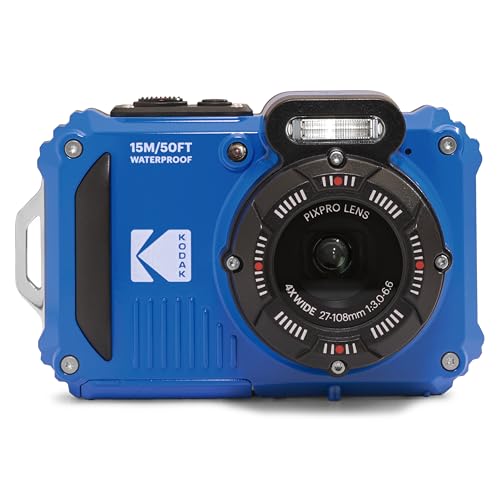
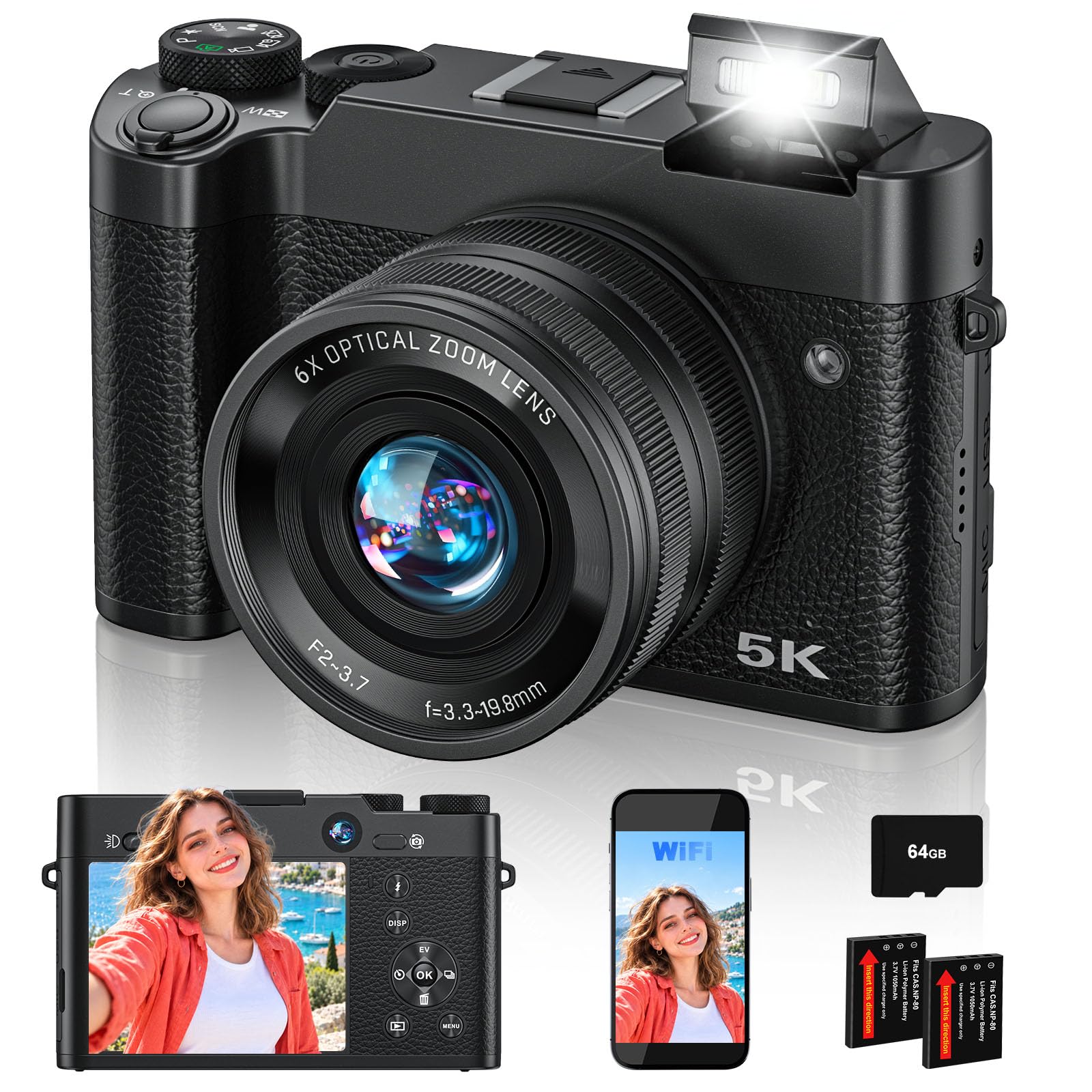
Start with the comparison table below to see how current models line up on sensor size, zoom, and stabilization. Then use the sections that follow to match those specs to the way you actually shoot, whether that is family trips, learning manual controls, or video for sharing online.







What Your Money Gets You at Each Price Tier
Camera pricing falls into three rough bands, each with a typical set of strengths and compromises. Knowing which band a model sits in tells you more than any single headline spec, because makers cut corners in predictable places to hit a price.
Budget Tier: Solid Basics for Everyday Photos
Models at about $100 to $200 are simple compact cameras with small sensors, modest zoom lenses, and basic automatic modes. They handle daylight snapshots, school events, and casual travel well, and they are easy to hand to anyone in the family. The trade offs show up indoors and after dark, where small sensors produce grainy images. If your budget is firm, it also helps to scan the best cameras under 300 listings, since last season models often drop into this band with better sensors than brand new budget releases.
Midrange Tier: The Sweet Spot Around $300
At around $250 to $350, cameras gain larger sensors, faster autofocus, and image stabilization that genuinely steadies handheld shots. This is the band where low light results improve in a way you can see without zooming in, and where video quality steps up to crisp 4K on many models. Build quality also improves, with better grips and dials that make manual settings less fiddly. For most buyers, this tier delivers the strongest balance of image quality, speed, and price, and the product table above is concentrated here.
Premium Tier: When Stretching the Budget Pays Off
Spend about $400 to $600 and you move into cameras with still larger sensors, advanced subject tracking autofocus, and weather sealing for shooting in rain or dust. Interchangeable lens models also appear here, which opens a path to specialty lenses later. The catch is that the body price is only the start, since lenses add up quickly. Stretching makes sense if the limits of a cheaper camera are holding you back. Readers who plan to stretch should also look at the best quality cameras guide to see what the extra money buys in build and optics.
Who Should Buy Which Kind of Camera
The right camera depends less on the spec sheet and more on who is holding it. These three groups cover most buyers shopping near this budget.
Families and Travelers Who Want Better Than a Phone
If your phone photos of birthdays and beach trips look flat or blurry, a compact camera with a 1 inch sensor and a versatile zoom is the natural upgrade. You get real optical zoom for distant subjects, steadier indoor shots, and a dedicated device that does not drain your phone battery. Prioritize stabilization and a simple automatic mode over manual dials you may never touch.
Beginners Ready to Learn Real Controls
If you want to move beyond automatic mode, look for aperture and shutter priority modes, a control dial, and the option to shoot RAW files for editing later. An interchangeable lens model at the top of this budget teaches the most, because changing lenses shows you how focal length shapes a photo. Our guide to the best cameras for photography goes deeper on learning focused features.
Vloggers and Social Creators
If video is your main reason for buying, your checklist changes. You want a flip screen you can see while filming yourself, a microphone input for clear audio, and reliable autofocus that tracks your face without hunting. Stabilization matters even more for walking shots, and a wide lens matters more than long zoom. Weight counts too, since a camera that feels heavy on a small tripod quickly gets left at home.
Features Worth Paying For (and Ones to Skip)
Spec sheets are long, but only a handful of features change your results at this price. The factors below are the ones worth comparing in the product table above.
Sensor Size and Image Quality
Sensor size is the single biggest driver of image quality. A larger sensor collects more light, which means cleaner photos indoors and at dusk, plus softer blurred backgrounds behind portraits. Around this budget, 1 inch sensors are the realistic sweet spot in compact cameras, while APS C sensors appear in interchangeable lens models near the top of the range. Full frame sensors sit far above this budget. Megapixels matter far less than sensor size once you pass about 20 megapixels, which is plenty for large prints and cropping.
Autofocus and Image Stabilization
Autofocus decides how many of your shots are sharp, especially with moving kids, pets, and sports. Look for face and eye detection, which locks onto people without you placing a focus point by hand. Image stabilization compensates for small hand movements and lets you use slower shutter speeds indoors without a tripod. Lens based and in body systems both work well at this price, and either is worth more than a modest bump in megapixels, since laggy autofocus is hard to judge from a spec sheet.
Optical Zoom and Lens Options
Optical zoom uses the lens itself to magnify a scene, so detail stays sharp, while digital zoom simply crops the image and throws detail away. A 3x to 10x optical zoom covers most family and travel needs, from wide group shots to distant landmarks. On interchangeable lens cameras, the kit lens usually covers a similar everyday range, and you can add a fast prime lens later for portraits. Check the aperture at the long end of a zoom, since smaller apertures struggle indoors.
Battery Life and Charging
Compact cameras at this price typically shoot about 250 to 350 photos per charge, while larger models with bigger batteries do better. If you shoot video or travel all day, budget for a spare battery from the start, since screens and stabilization draw power quickly. USB charging is worth looking for, because it lets you top up from a power bank while traveling. Check whether a charger comes in the box, as some models include only a cable.
Durability and Weather Sealing
Weather sealing uses gaskets around the body and dials to keep out rain and dust, and it appears mostly on models at and above the top of this budget. It is worth paying for if you hike, shoot at the beach, or photograph kids sports in uncertain weather. True waterproof cameras are a separate rugged category rated for submersion, useful for pool days but usually with smaller sensors. For everyone else, a decent case offers more protection per dollar than a premium for sealing you rarely need.
Choosing Cameras for Your Situation
Once you know your tier and your must have features, narrow the field by thinking about the whole category rather than one model. The broader best digital cameras guide is a useful cross check, since it shows how compact, mirrorless, and bridge styles compare when price is not the only filter.
Best Cameras at 300: Where Your Money Goes
Shopping at a firm ceiling is different from shopping under one, because every dollar spent on a feature you skip frees a dollar for the sensor or lens. When you compare the best cameras for 300 dollars head to head, put sensor size first, stabilization second, and zoom range third, and let screen size, WiFi extras, and scene modes fall where they may. A slightly older model at exactly your ceiling often beats a newer model that spent its budget on a bigger screen and a thinner body.
Long Term Costs to Factor In
The camera body is rarely the whole purchase. Memory cards are the first extra, and video shooters should buy fast, high capacity cards rather than the cheapest option on the shelf. Add a padded case, a spare battery, and a basic cleaning kit, and most buyers spend about $50 beyond the camera itself. Interchangeable lens owners should also expect a second lens within the first year or two. Finally, check the warranty length before you buy.
Common Mistakes to Avoid
- Choosing by megapixel count alone, which leads to a small sensor camera that struggles indoors despite huge file sizes.
- Trusting digital zoom numbers on the box, which crops your photo and leaves you with soft, grainy distant shots.
- Buying an interchangeable lens body with no budget left for lenses, which leaves you stuck with one kit lens for years.
- Ignoring battery life ratings, which turns into missed photos on long travel days when the camera dies by afternoon.
- Skipping the microphone input on a video camera, which leaves you with echoing room audio that no edit can fully fix.
- Paying extra for weather sealing you never use, which wastes money that would have bought a better sensor.
How to Care for Your Camera
Good care keeps image quality consistent for years. Keep the lens clean with a microfiber cloth and a blower for dust, and never wipe a dry lens with a shirt, which can drag grit across the glass. If you own an interchangeable lens camera, change lenses indoors and point the body downward so dust is less likely to settle on the sensor. Store the camera in a dry place away from direct sun, and remove the battery if it will sit unused for months. Keep firmware updated, since makers occasionally improve autofocus through updates.
Frequently Asked Questions
What features matter most in a camera for 300 dollars?
Sensor size matters most, followed by image stabilization and reliable autofocus. A 1 inch sensor compact or an APS C model near the top of the budget will outperform a small sensor camera with more megapixels in almost every real situation. Lens aperture matters at this price too, since a brighter lens gathers more light at dusk and keeps shutter speeds fast enough to avoid blur.
Which camera type is best for low light photos at this price?
Interchangeable lens cameras with APS C sensors generally handle low light best near this budget, especially paired with a bright prime lens. Large sensor compacts come close and are far easier to carry. The practical test is performance at higher ISO settings, so look at sample images taken indoors rather than trusting the maximum ISO number, which makers inflate beyond the point where results look clean.
What does optical zoom mean on a compact camera?
Optical zoom means the lens physically changes focal length to bring distant subjects closer, preserving full detail. A 5x optical zoom, for example, makes a distant subject appear five times larger than at the widest setting. This differs from digital zoom, which enlarges the center of the image in software. Zoom also affects background blur, so portraits often look better shot from farther away with some zoom than from close up.
Is a smartphone enough instead of a dedicated camera around 300 dollars?
A current smartphone is enough for casual snapshots in good light, and it wins on convenience and instant sharing. A dedicated camera pulls ahead with real optical zoom, better indoor and evening shots, and physical controls. The deciding factor is honesty about your habits, since the camera only helps if you actually carry it, so travelers who resent packing extras may get more from a phone upgrade.
How much should a beginner spend on a first camera?
Around $300 is a sensible first camera budget because it buys a sensor and controls that will not limit you within a few months, without the cost of advanced models you may never grow into. Spend the majority on the camera itself and reserve a small share for a card, case, and spare battery. If you are unsure the hobby will stick, buying a previous generation model on sale stretches the same budget further and resells with less loss.
Can a camera around 300 dollars record good video?
Yes, many cameras near this price record sharp 4K video that looks far better than older 1080p models, especially in daylight. For talking head videos and family clips, the results are more than good enough for sharing online. What separates models is audio and stabilization rather than resolution, so prioritize a microphone input and steady handheld footage. Also note that some cameras limit continuous recording time per clip, which matters for events but rarely for short clips.
The Bottom Line
At this budget, the smart money goes to sensor size, stabilization, and autofocus, in that order, with zoom range close behind. Pick your tier honestly, match the camera style to whether you shoot family moments, want to learn manual controls, or film video, and use the product table above to confirm the finalists carry the features that matter for your style. Chosen that way, the best cameras for 300 dollars are not the ones with the longest spec sheet, but the ones you will still enjoy using a year from now. Prices and availability can change, so check the product page before ordering.


