
Best Cameras for 200 at Every Price for 2026: What Your Money Really Gets You
Disclosure: We may earn a commission when you buy through links on this page, at no extra cost to you. As an Amazon Associate I earn from qualifying purchases. Learn more

Compare cameras around a 200 budget by type, sensor, focus, and video. Learn what to expect below, near, and just above that level, plus costs after purchase.
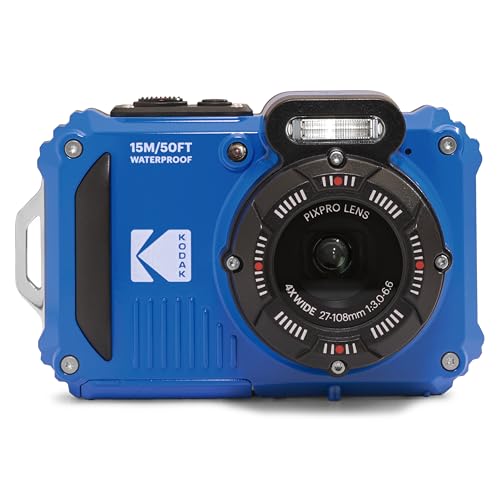
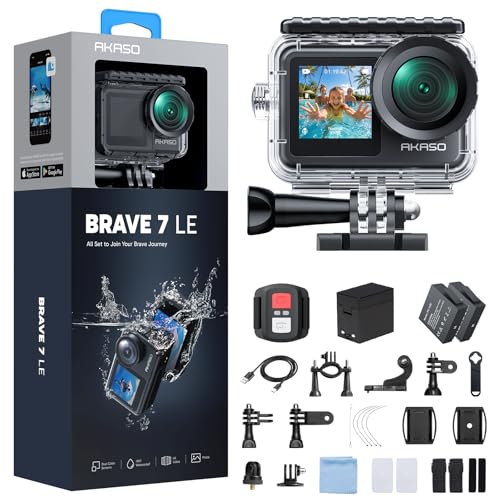
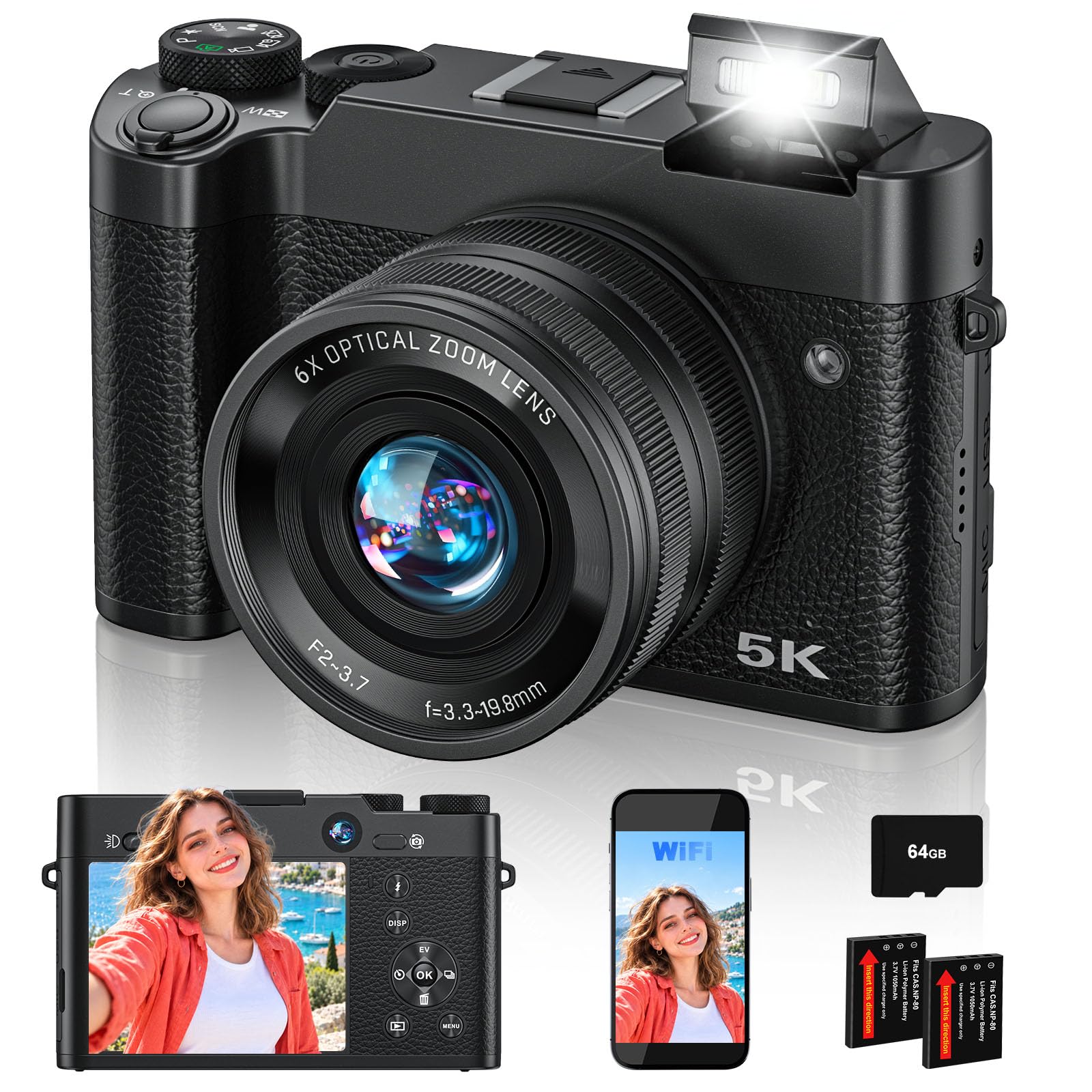
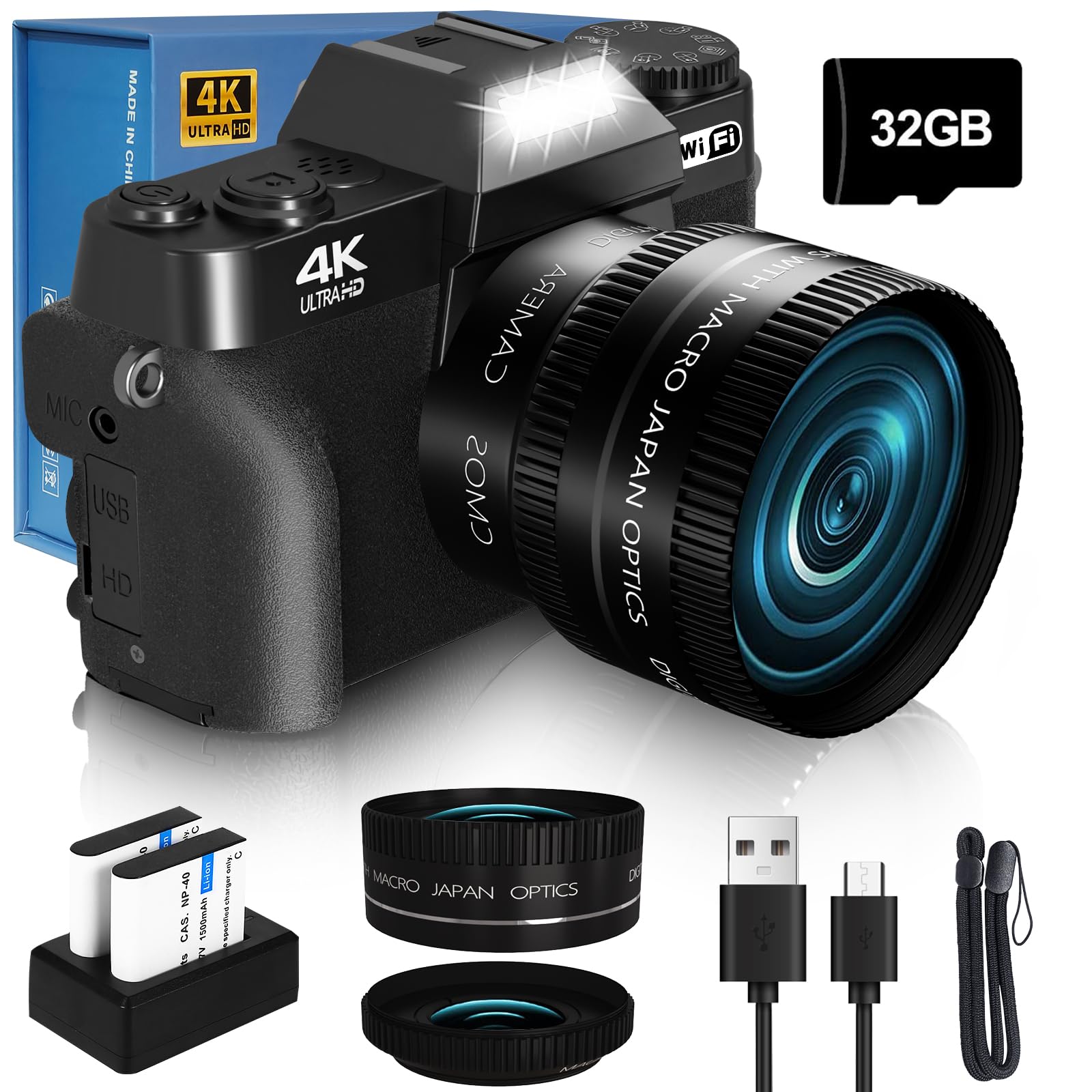
Shopping with about $200 to spend puts you in a busy part of the camera market, where compact cameras, older interchangeable lens designs, action cameras, and strong phone alternatives all compete for attention. The comparison table below will help you sort those choices, but the smartest buy is not always the model with the longest spec list. This guide explains what best cameras for 200 shoppers can expect at different spending levels and which features matter most.
The key question is what you will photograph most often. A camera for family events needs fast, simple focus and good color in indoor light. A camera for travel needs a useful zoom range, pocketable size, and a battery that lasts through a day out, while a camera for learning photography needs manual controls and a lens choice that can grow with you. Match the camera to that main use first, then judge video, size, and accessories.





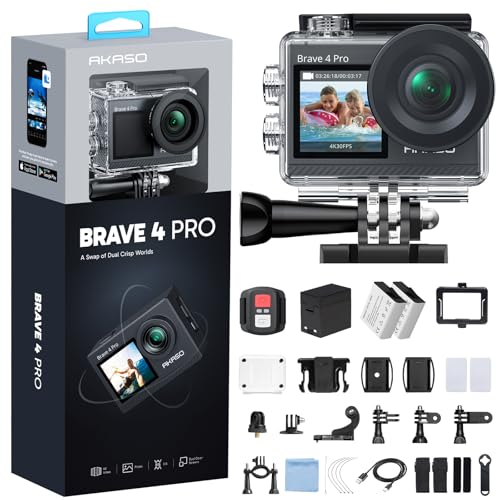
Spending Levels in Plain Terms
Spending levels around this budget are less about luxury and more about trade offs. A lower cost camera may be simple and light, but it may struggle in low light or offer a narrow zoom. A camera near the top of the budget often adds a larger sensor, better focus, or stronger video, yet it may still need a memory card, spare battery, or bag. Use the levels below to decide where your money helps your main use.
Lower Spending Level
At the lower spending level, expect a compact design, a fixed or modest zoom lens, and controls that favor automatic shooting. Image quality in daylight can be pleasing, especially for social sharing and small prints. Low light, fast action, and distant subjects are the usual limits, so check results for indoor photos and moving subjects before you buy.
Middle Spending Level
The middle spending level, around $200, is where many buyers find the strongest balance. You may find a larger sensor, faster autofocus, optical image stabilization, and better video than entry models offer. Controls may include exposure compensation, scene modes, and some manual options for learning. This level suits family photos, travel, and everyday creative shooting, provided you check battery life and whether the lens range covers your usual subjects.
Higher Spending Level
Above the main budget, a step up often buys a more capable lens, stronger low light performance, or a more durable body. That step can be worth it if you shoot indoors often, need a longer zoom, or want a camera that stays useful as your skills grow. Weigh the total kit cost, not just the camera body, before stretching beyond your original budget.
What Your Money Gets You at Each Price Tier
Price tiers here run from under about $150, through about $150 to $250, and then above about $250 for a clear step up. Under about $150, expect simple compact cameras and basic action designs with automatic controls. From about $150 to $250, you can find stronger sensors, faster focus, and better video. Above about $250, you may gain a larger sensor or a more flexible lens, but the gain should be tied to a specific need such as low light, zoom range, or manual control.
Entry Tier: What to Expect
Entry tier cameras favor ease of use, light weight, and a low total cost. They often use a smaller sensor, a fixed lens or short zoom, and automatic exposure. For daylight snapshots and casual video, that combination can be enough. Check how the camera handles indoor light, how quickly it focuses on a moving child or pet, and whether the screen is clear in sunlight, and spend more if those weak points match your main use.
Core Tier: The Balance Most Buyers Want
The core tier is the most useful place to compare cameras around this budget, because differences in sensor size, focus speed, and lens range become clearer. Look for a sensor that handles indoor light without heavy noise, autofocus that locks onto faces and eyes, and stabilization that helps both stills and video. For a broader view of everyday options, see our guide to the best digital cameras and compare its type advice with the subjects you shoot most often.
Step Up Tier: When Spending More Pays Off
Spending more pays off when it solves a limit you have already felt, such as blurry indoor photos, a zoom that cannot reach the stage, or video that shakes on a walk. A larger sensor, a brighter lens, or a longer zoom can each help, but only one of them is usually the main limit. Choose the upgrade that matches that limit, and avoid paying for all three at once if your budget is tight.
Features Worth Paying For (and Ones to Skip)
Features earn their price when they help your main subjects, not when they fill a spec sheet. Sensor size, focus, stabilization, and lens range deserve the most attention. Video extras, wireless transfer, and creative filters can be useful, but they should not outweigh basic image quality. Skip features that duplicate your phone or add menus you will never open.
Features That Matter for 200
A camera at this budget level needs a lens range that covers everyday distance, focus that works in indoor light, and controls that do not slow you down. Check the widest and longest focal lengths in millimeter terms, and think about whether you shoot rooms, groups, landscapes, or distant subjects most often. A bright maximum aperture, written as a low f number, helps in low light, while optical zoom preserves detail better than digital zoom.
Low Light Performance
Low light performance depends on sensor size, lens brightness, and how clean high ISO settings look. A larger sensor usually captures more light and keeps indoor photos cleaner, while a brighter lens lets in more light without raising ISO as far. Look for usable results at moderate ISO values rather than the highest number on the spec sheet. Stabilization helps with still subjects, but it cannot freeze a moving person.
Autofocus and Stabilization
Good autofocus should lock onto a face or eye quickly and stay with a moving subject without hunting. Eye autofocus is useful for portraits and family photos, while subject tracking helps with pets and sports. Optical stabilization in the lens or body reduces shake for stills and smooths handheld video, but it works best with steady hands and sensible shutter speeds.
Sensor Size and Image Quality
Sensor size affects light gathering, depth of field, and how much you can crop, while megapixels alone do not decide image quality. A 1 inch sensor often outperforms a much smaller sensor with more megapixels, especially indoors. Larger APS C sensors can offer a further step up, but they usually need larger lenses and a higher total cost.
Video Capabilities
Video needs differ from still photo needs, so check frame rate, resolution, microphone input, and screen movement together. 4K video can look sharp, but it also needs faster cards, more storage, and more battery power. A flip screen helps for self recording, while a microphone input helps if you record voices or interviews. For casual clips, smooth 1080p video with good stabilization and clear audio may be more useful than 4K with shaky motion.
Cameras for Specific Needs
Different subjects reward different strengths, so a camera that excels for landscapes may not be the best choice for indoor portraits or fast action. Travel shooters should favor size, zoom range, and battery life; family shooters should favor focus speed, indoor color, and simple controls; and action shooters should favor durability, stabilization, and a wide field of view. List your top two subjects before comparing specs, then judge each camera against those subjects only.
Best Photography Cameras for 200
The phrase best photography cameras for 200 points to still photo strength rather than video extras or action toughness. For still photography, favor a larger sensor, a lens with a useful range for your subjects, and controls for aperture, shutter speed, and exposure compensation. For subject specific still photo advice, see our guide to the best cameras for photography and compare its lens and sensor guidance with your own shooting list.
Long Term Costs to Factor In
The camera price is only the start of the total cost. Add a memory card with enough speed for your video setting, a spare battery if you shoot all day, and a bag or case that protects the lens and screen. Some cameras use costly proprietary batteries or cards, while others use common types that are easier to replace. Also allow for lens cleaning tools, a tripod or grip if you need one, and software or storage for your photos, and follow the maker electrical safety guidance for charging, using only compatible chargers and batteries and keeping small parts, batteries, and memory cards away from children.
FAQs
What features matter most in cameras for 200?
Sensor size, lens range, autofocus speed, and stabilization matter most, because they decide whether everyday photos look clean and sharp. A larger sensor helps indoors, a useful zoom covers more subjects, and fast focus helps with people and pets. Video resolution matters less than steady footage and clear audio for most buyers.
What specs matter most for beginners?
Beginners should focus on automatic modes that work well, a clear menu, and controls that teach without confusion. Look for reliable auto exposure, face and eye focus, and exposure compensation on an easy dial or button. A camera with a helpful guide mode or simple manual controls can support learning over time.
What does a 10x zoom mean on a camera?
A 10x zoom describes the ratio between the longest and shortest focal lengths, not the absolute reach of the lens. A lens that spans 24mm to 240mm is a 10x zoom, while a lens that spans 28mm to 280mm is also a 10x zoom but reaches farther. Check the actual focal length range in millimeters, and favor optical zoom over digital zoom for detail.
Is a smartphone enough instead?
A smartphone can be enough for daylight snapshots, quick sharing, and simple video, especially when convenience matters most. A dedicated camera can still help with optical zoom, low light, manual control, and a more comfortable grip for longer shoots. If you often struggle with zoom, indoor noise, or fast subjects, a dedicated camera around this budget may be worth the extra kit.
How much should I spend on my first one?
A first camera budget of about $200 is sensible for many beginners, because it buys a capable compact or entry design without a large commitment. Spend less if you only need casual snapshots, and consider stretching a little if you want stronger low light or a longer zoom. Remember to reserve money for a memory card and spare battery, since those items affect daily use.
Which is better for low light?
A camera with a larger sensor and a brighter lens is usually better for low light than a camera with a smaller sensor and a higher megapixel count. Larger sensors gather more light, while a low f number lens lets in more light at the same shutter speed. Stabilization helps with still subjects, but moving people still need a fast enough shutter speed.
Our Verdict
The right camera around this budget is the one that fits your main subjects, feels good in your hands, and keeps total kit costs under control. Start with sensor size, lens range, focus, and stabilization, then check video only as far as your plans require it. A core tier model will suit many buyers, while a step up makes sense when it fixes a clear limit such as low light or zoom reach. Review the product table above, add a memory card and spare battery to your plan, and choose best cameras for 200 guidance that matches how you will actually shoot.


