
Best Camera Lens for Smartphones: Our 2026 Checklist and Buying Guide
Disclosure: We may earn a commission when you buy through links on this page, at no extra cost to you. As an Amazon Associate I earn from qualifying purchases. Learn more
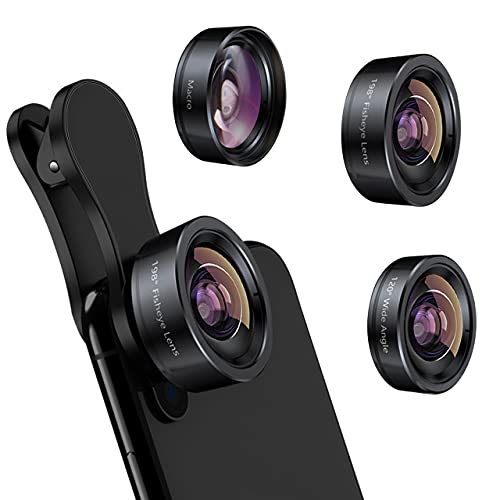
Use this checklist to choose the best camera lens for smartphones, covering fit, glass quality, distortion, coatings, case use, and value for your phone.
Add on lenses for phones promise wider views, closer macro detail, and stronger zoom, but quality varies enormously. A poor lens softens corners, adds colour fringing, and vignettes your shots, while a good one feels like a genuine extension of your phone camera.
This guide gives you a clear checklist for choosing the best camera lens for smartphones without wasting money on gimmicks. It explains how we evaluate fit, glass, and handling, and the comparison table below gathers the main options in one place.
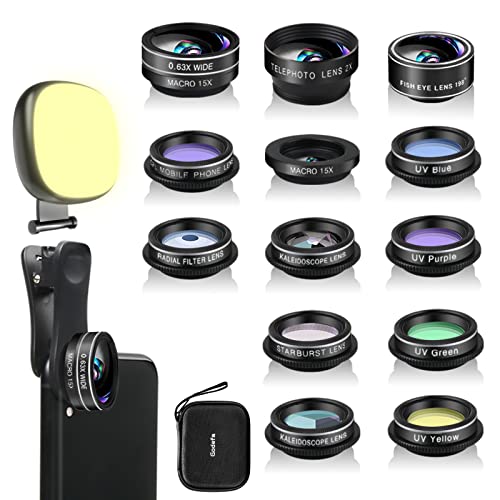
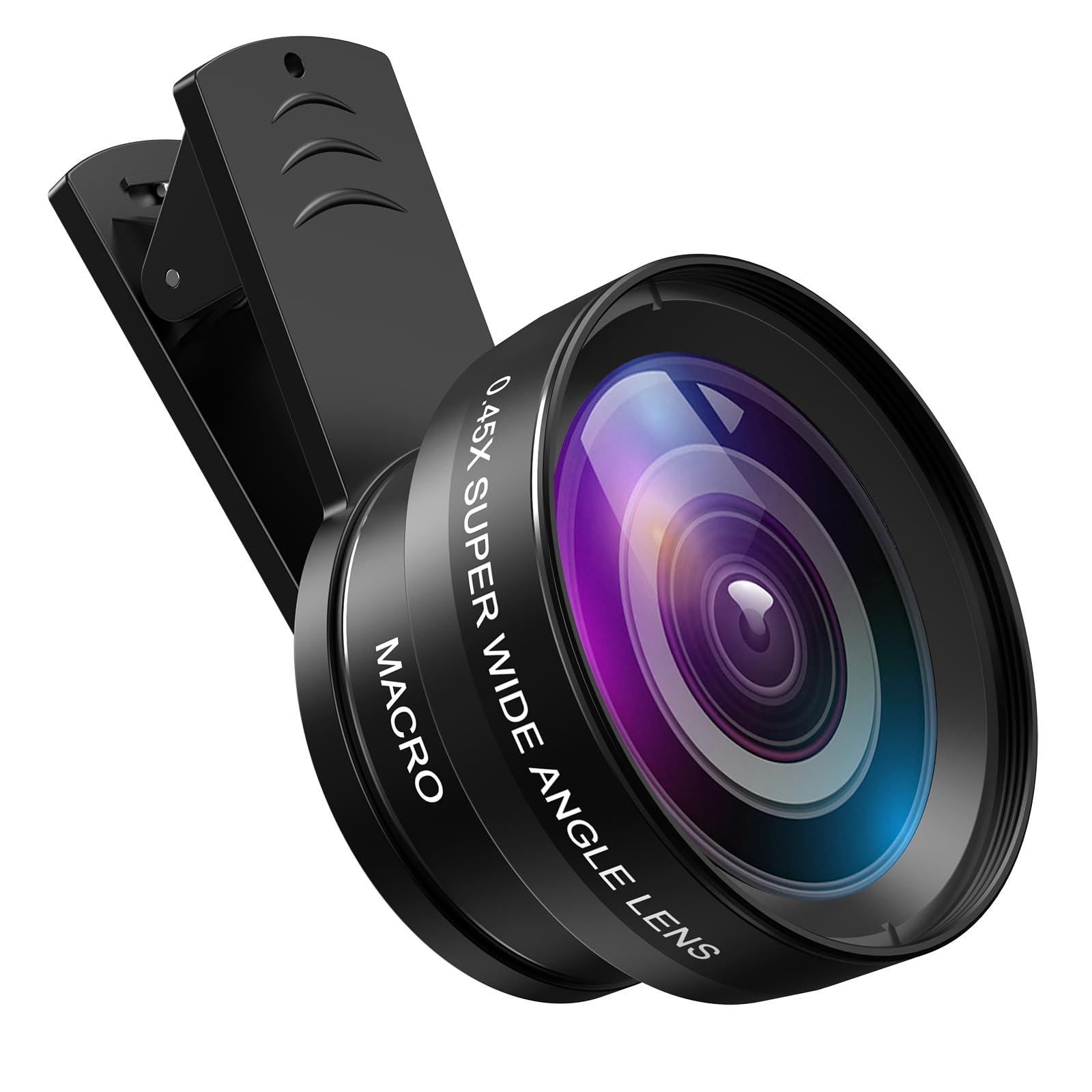


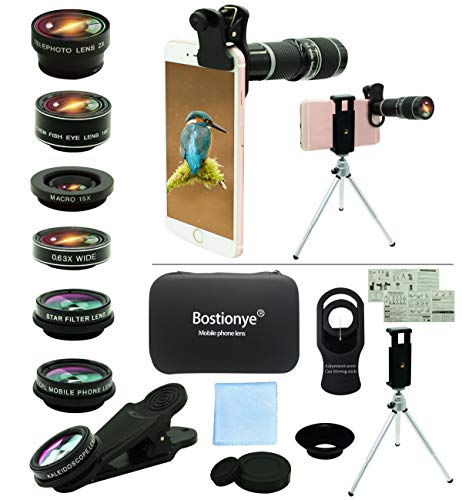
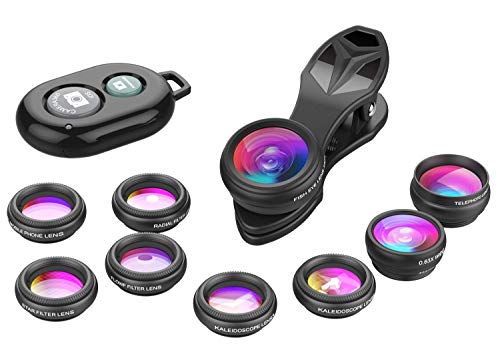
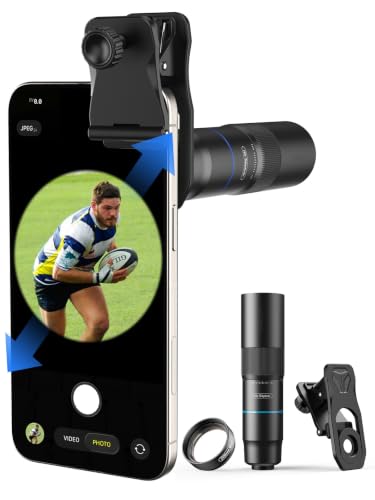
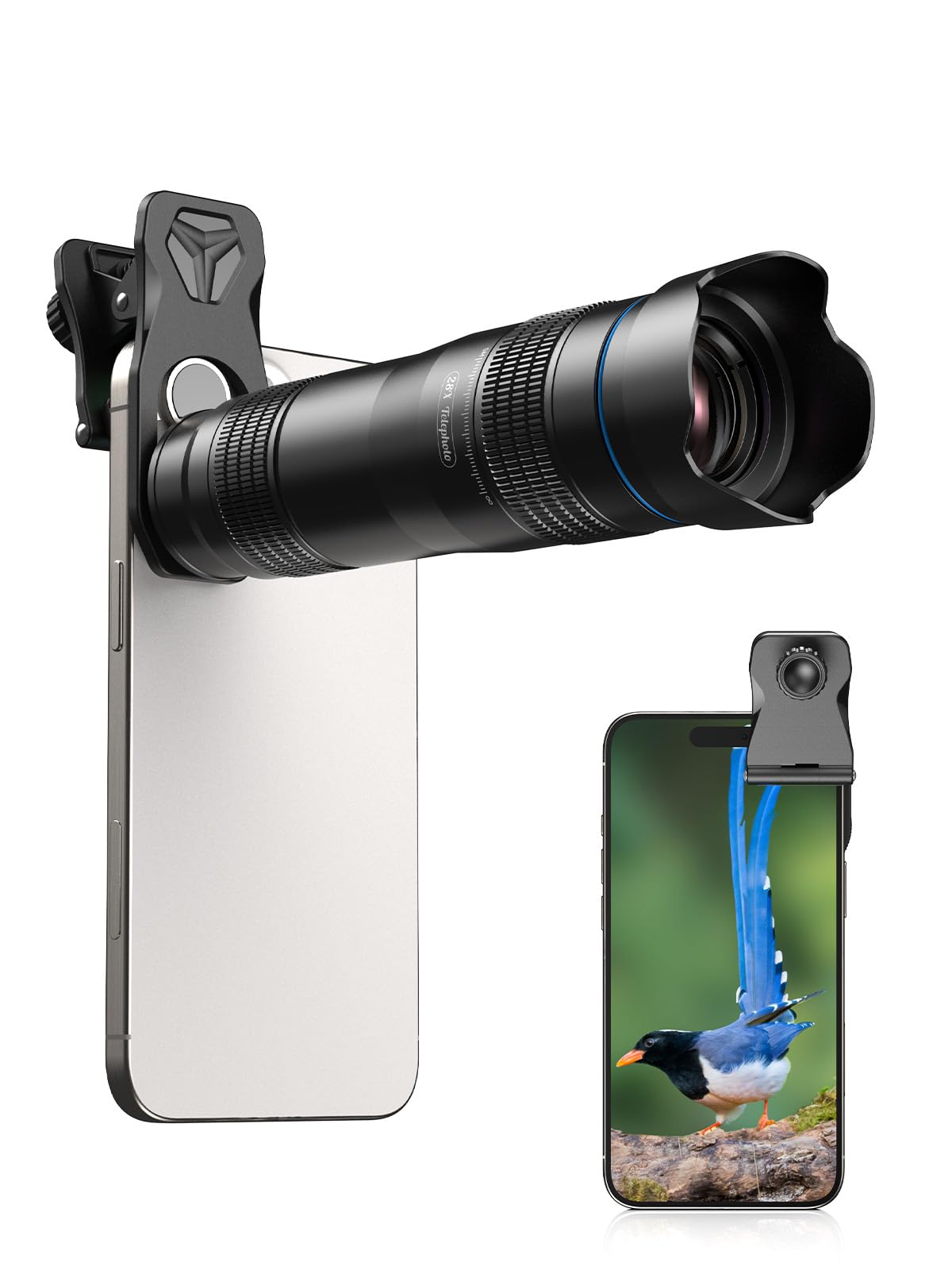
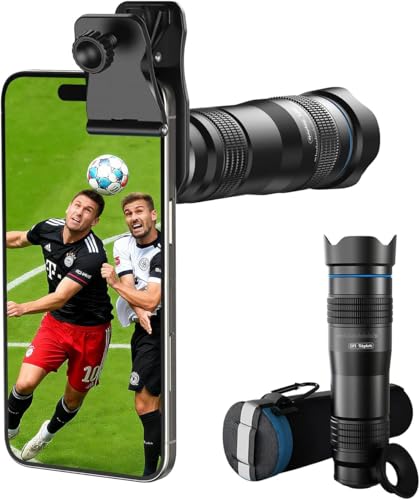

How We Evaluate Camera Lens Options
Features That Matter for Smartphones
A phone lens must align exactly with your main camera, because a small offset ruins sharpness at the edges. Check that the mount centres over the correct lens on multi camera phones and that it does not block the flash or nearby cameras you still need. Glass elements with proper coatings matter more than element counts in marketing copy. Judge sample expectations realistically: a good add on lens keeps centre sharpness close to the bare phone and holds acceptable detail toward the corners.
Mount Fit and Everyday Handling
The mount decides whether you will actually use the lens. Clip mounts fit many phones and cases but can shift in a pocket, while threaded mounts that use a dedicated case hold alignment firmly and add seconds to setup. Test alignment after fitting by photographing a flat subject such as a brick wall. Straight lines should stay straight and all four corners should look evenly sharp. If one corner is soft, reseat the mount before blaming the glass.
Storage Options for Lens Kits
Small lenses get lost and scratched without a proper case. Look for a kit with a hard or firm pouch, individual caps for both faces of each lens, and a cloth stored with them. Phones with 128GB of storage also fill quickly when you shoot more, so offload your best shots regularly and keep spare space for video. A tidy kit stored in one pouch is more likely to travel with you, which is the whole point of a phone based setup.
Clip and Case Compatibility
Compatibility is the most common failure point in this category. Confirm that the lens system supports your exact phone model, your usual case thickness, and the camera you actually shoot with, since many phones switch cameras as you zoom. Some lenses only suit the main wide camera and block the ultra wide entirely. If you change phones often, a clip system that fits many models offers better long term value than a case bound system tied to one device.
Software Support and Camera App Behaviour
Your phone software decides how an add on lens behaves. Some camera apps apply corrections tuned for the bare lens, which can look odd with an attachment fitted. Check whether the lens maker offers guidance for your phone app, and test night mode and portrait mode with the lens attached, because multi frame processing can produce strange edges around subjects. Simple manual control over focus and exposure in your app helps macro work most, where automatic choices often miss the intended point.
Three Lens Types to Choose From
Rather than naming individual products, use the three functional types below to decide what belongs in your kit. Many buyers need only one type, and buying a focused single lens usually beats a large bundle of weak ones.
Wide Angle Attachments
A quality wide angle attachment suits most people because it helps with group photos, interiors, travel scenes, and video where space is tight. In the middle price range, about $40 to $100, expect multi element glass, decent corner sharpness, and a sturdy clip or case mount. The main limit is mild distortion near the edges, which you can manage by keeping faces and straight lines toward the centre. If you buy only one phone lens, this is usually the most useful choice.
Macro Attachments
Macro attachments deliver the most visible change for the least money, often about $20 to $60. They let your phone focus far closer than its bare lens allows, opening up flowers, food detail, crafts, and product shots for online selling. Working distance is short, so you will need good light and a steady hand or a small support. Check that the kit includes a diffuser or light guide if you plan close work indoors, because your phone can shadow the subject at very short range.
Telephoto Attachments
Telephoto attachments are the hardest to make well, and premium pricing, often about $80 to $180, reflects the glass and alignment demands. A good one adds real reach for travel scenes, stage events from a distance, and compressed portraits, while a cheap one simply magnifies softness. Judge this type strictly by corner sharpness and mount rigidity, because small alignment errors grow with magnification. Pair it with a mini tripod for best results, since hand shake also grows with reach.
Quick Buyer Checklist
- Does the mount fit your exact phone model and your everyday case?
- Does the lens align with the main camera without blocking the flash or other cameras?
- Is the element made of coated glass rather than plain plastic?
- Do sample descriptions promise realistic gains rather than extreme zoom claims?
- Does the kit include front and rear caps plus a firm carry case?
- Can you return it easily if corner sharpness disappoints on your phone?
- Does the lens type match your real subjects, such as groups, macro detail, or distant scenes?
- Will the total kit still fit the pocket or small bag you actually carry?
If you are comparing phones themselves for camera work, our guide to the best smartphones with good camera covers the built in systems these lenses extend. Readers curious about dedicated cameras can also compare the step up described in our guide to the best interchangeable lens cameras.
Red Flags to Watch For
- Vague specifications. Listings that hide the mount type, the material, or the supported phone models usually hide weak products.
- Extreme zoom promises. Claims of very high magnification at very low prices ignore basic optics and usually deliver blurry, dark images.
- No caps or case included. Bare lenses stored loose in a pocket scratch quickly, and a kit without protection will not stay good for long.
- Unusual review patterns. Many short, similar glowing comments with no mention of a specific phone model tell you little about real fit or sharpness.
- Very short warranty. A maker unwilling to cover a lens and mount for a reasonable period is signalling how long they expect it to last.
Two related guides can help you judge claims. Our overview of the best zoom lens cameras shows what real optical zoom delivers, and our guide to the best digital cameras sets a fair quality bar for judging phone attachments.
How to Make Your Camera Lens Last Longer
Use a case and a screen protector on the phone so the whole setup survives daily carry, and keep the lens itself capped whenever it is off the phone. Clean glass with a soft cloth using gentle circular motions, never with a sleeve or tissue that can drag grit across coatings. Keep software updated so camera app improvements and fixes reach your phone, and avoid charging the phone in extreme heat during long shoots, because heat stresses both the battery and your patience. Store lenses in their pouch in a dry drawer, not loose in a car where temperature swings and dust shorten their useful life.
FAQs
What features matter most in a camera lens for smartphones?
Mount alignment, coated glass, and honest fit for your exact phone matter most. A lens that sits even slightly off centre will soften edges and add fringing no app can fix. Next, judge the lens type against your real subjects, because a wide lens helps groups and rooms while a macro helps close detail. Finally, check that caps and a case are included, since protection decides how long the lens stays worth using.
Should I buy a clip mount or a case mount lens?
Choose a case mount if you use one phone for a long time and want the firmest alignment, especially for telephoto work. Choose a clip mount if you share lenses between phones or change devices often, accepting that you must check alignment after fitting. For macro and wide lenses, a good clip is usually steady enough. For longer reach, the rigid case mount earns its extra setup time on most shoots.
Is a mid range phone good enough for add on lenses?
Yes, in most cases a mid range phone with a good main camera is good enough, because the lens attachment works with that main camera. What matters is the quality and size of the main sensor and how well the camera app handles manual focus for macro work. Very cheap phones with weak main cameras gain less, since the attachment cannot create detail the sensor never captured. Spend on the lens type you will use weekly rather than on the largest bundle.
How much storage do I need when shooting with phone lenses?
Plan more storage than you think, because better lenses make you shoot more and keep more. A 128GB phone suits light shooters who offload photos monthly, while 256GB is calmer for travel and video. Video fills space fastest, especially at 4K settings. Build a simple routine of backing up after big days out, and keep at least a fifth of your storage free so the camera app never refuses to save a shot.
Our Verdict
Start with the lens type that matches your real subjects, demand a mount that aligns firmly with your exact phone, and insist on coated glass with proper caps and a case. Those three checks separate useful tools from novelties. When you choose the best camera lens for smartphones for your own phone, use the product table above to compare mount style, lens type, and price before you buy.


