
Best Camera Bag for Two Cameras: Which One Fits the Way You Use It for 2026
Disclosure: We may earn a commission when you buy through links on this page, at no extra cost to you. As an Amazon Associate I earn from qualifying purchases. Learn more

Match the best camera bag for two cameras to your routine, with notes on dividers, quick access, padding, strap comfort and sizing so you avoid overpaying.
There is no single bag that suits every two camera shooter. A wedding photographer swapping bodies every few minutes needs instant access, while a traveler carrying a backup body mostly needs safe, compact storage.
This guide matches bag styles and features to real routines so you can choose the best camera bag for two cameras the first time. It covers who each style suits, the features worth paying for, and the mistakes that lead to returns, with the comparison table below for a quick side by side look.
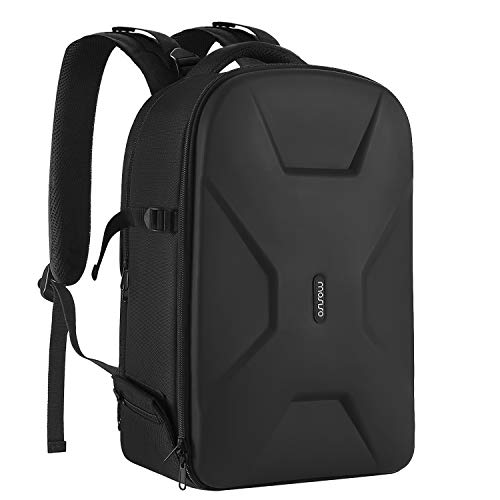

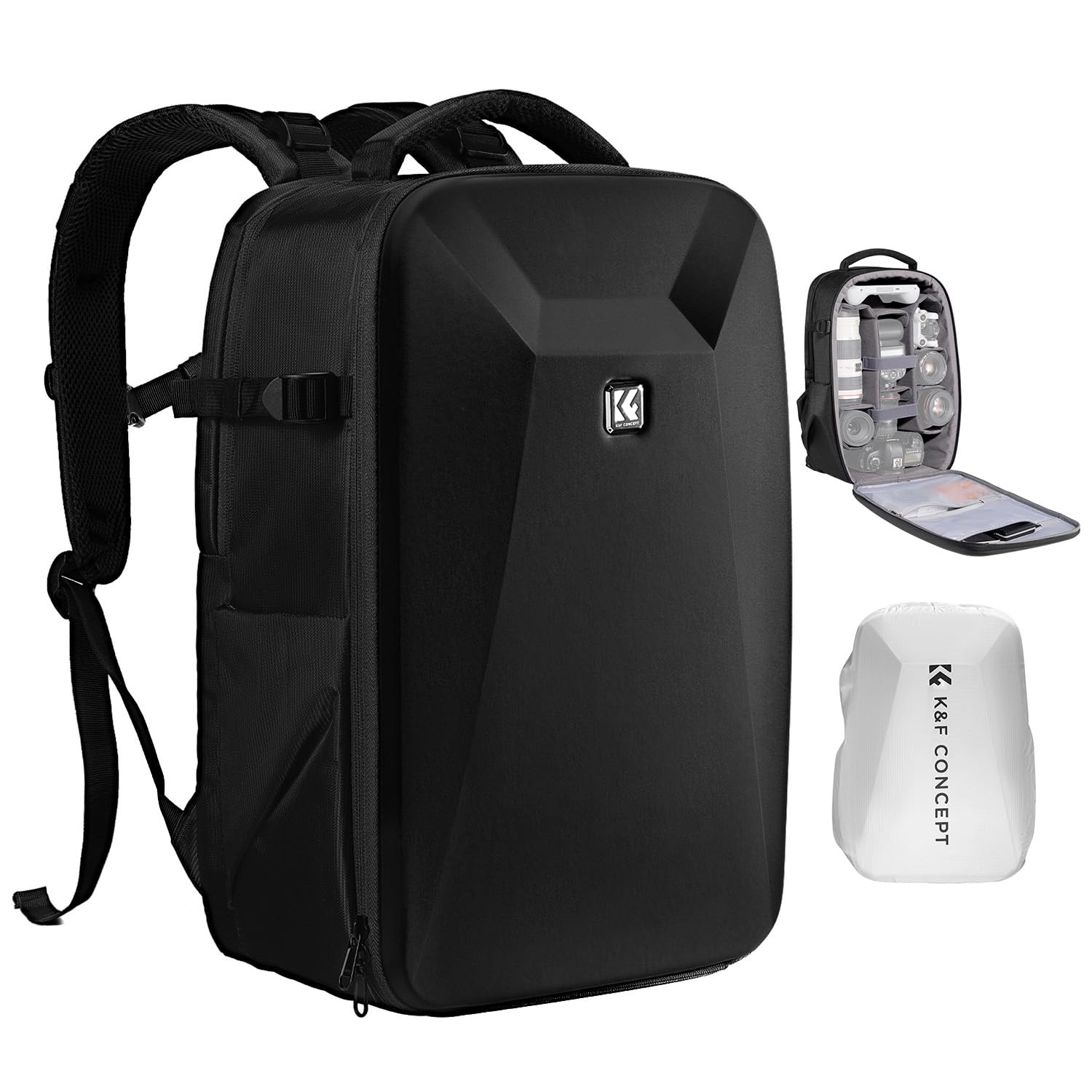
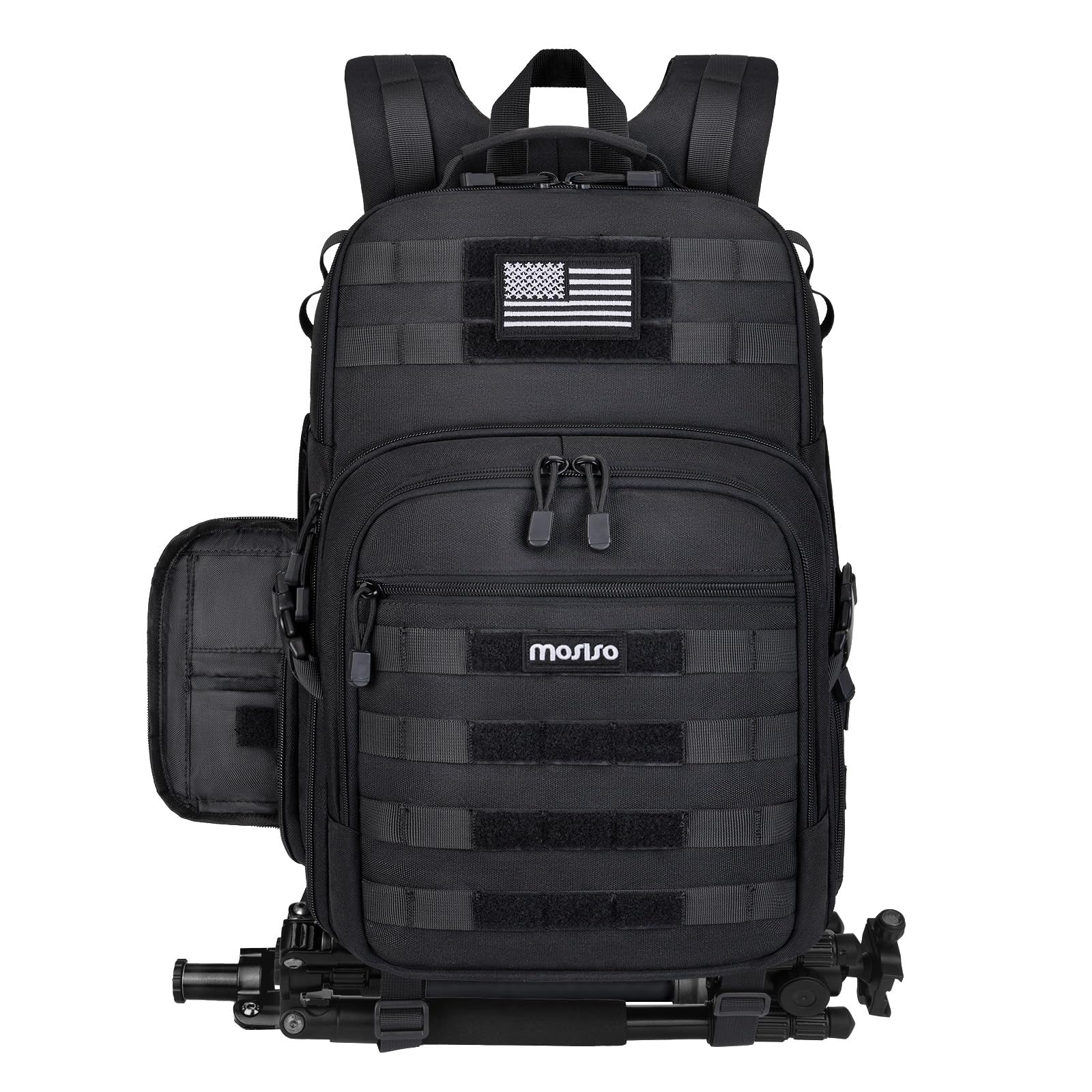
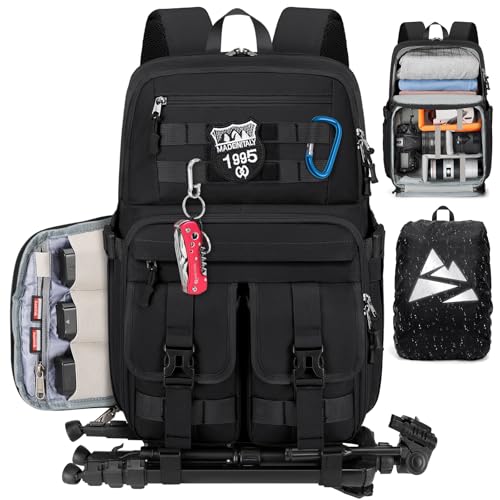


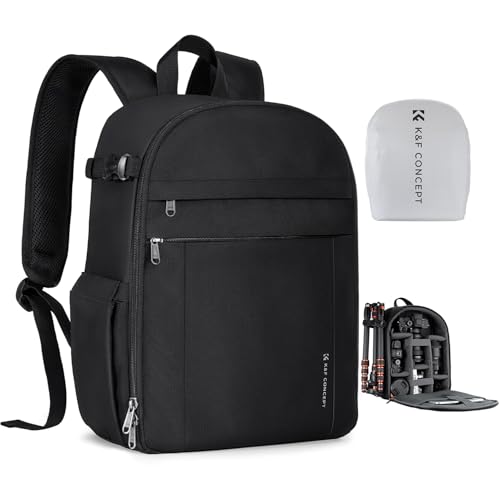
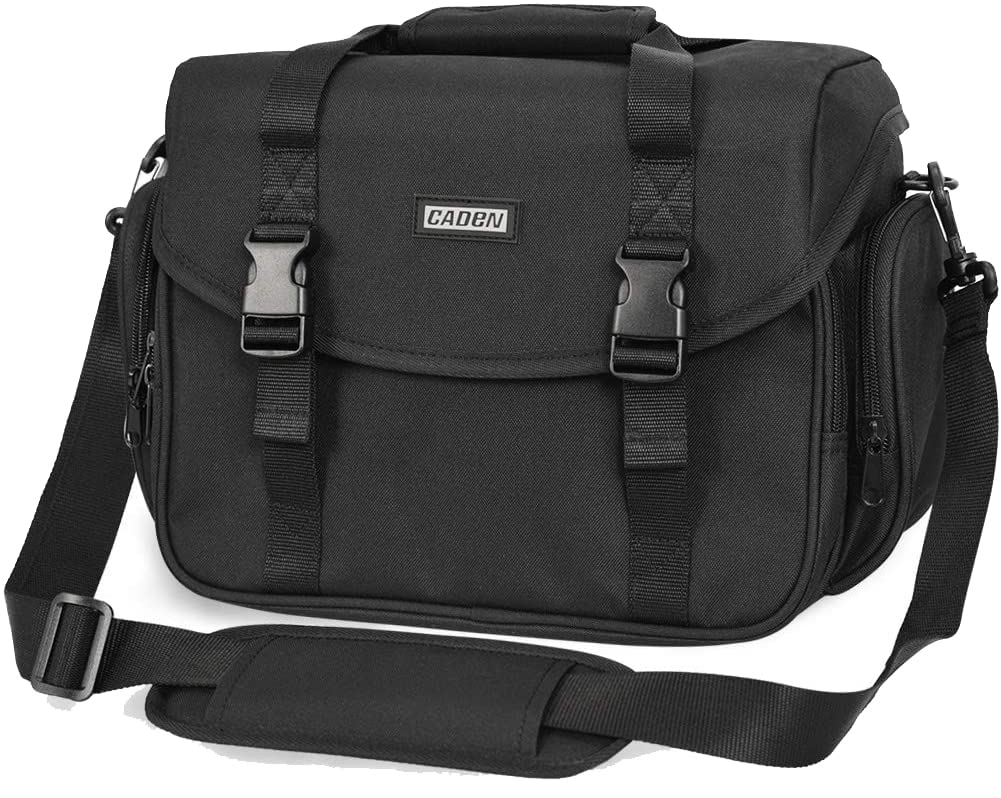


Who Should Buy Which Camera Bags?
For Remote Workers and Creators
Creators who film and photograph in the same session need a bag that treats the second body as a working camera, not cargo. Look for two equal sized bays, a separate pocket for a microphone and cables, and a laptop or tablet sleeve that does not press against camera screens. Top access helps when you set up and pack down several times a day. A structured shoulder bag or a compact backpack both work, so choose by how far you carry the kit between locations.
For Travelers and Commuters
Travelers should favour light weight, a shape that slides under a train or airline seat, and zippers that lock or hide against your back. Your second body may spend most of the trip as a backup, so a deeper protected bay for it and a fast access bay for your main camera is an ideal layout. Weather protection matters more than extra pockets. Our overview of the best bags for cameras shows how travel oriented designs differ from studio oriented ones.
For Students and Everyday Users
Students and everyday shooters usually carry two modest bodies or one body plus a second shared camera for a partner or classmate. Value and durability matter most, along with room for daily items such as a charger, a notebook, and a water bottle. A mid sized messenger or backpack in the middle price range, about $80 to $180, usually covers these needs well. Avoid very large bags, because a half empty bag lets gear slide and feels clumsy on buses and in lecture halls.
For Wedding and Event Photographers
Event work is the most demanding use case for a two body bag. You swap cameras constantly, work in dim rooms, and set the bag down on hard floors. Prioritise a wide opening, bright lining, upright body bays that present each grip ready to grab, and a strap or harness that stays comfortable for ten hour days. A rain cover and lockable zips protect the walk between venues. This is the use case where paying for premium padding and hardware returns the most value.
Key Features to Compare
Battery Life and Charging Storage
Two bodies mean two battery systems to feed. Choose a bag with at least two small battery pockets so spares for each body stay separate and labelled. A flat pocket for a dual charger and a short USB C cable lets you recharge during a break without opening the main compartment. Build a simple habit: charged batteries stand upright, spent ones lie flat. That tiny system prevents the mid shoot frustration of grabbing a dead battery while the moment passes.
Lens Space and Zoom Range Planning
Plan the bag around the lenses each body will wear. A common pairing is a wide zoom on one body and a longer zoom or a fast prime on the other, and the divider grid must hold both combinations attached. Measure the longer pairing carefully, because telephoto zooms often decide the depth you need. Leave one spare well for an extra prime if your work calls for it. Readers still settling their camera choices can see our guide to the best digital cameras for body and lens size context.
Video Capabilities and Audio Storage
If one of your two cameras records 4K video, the bag needs more than camera bays. A shotgun microphone, headphones, and a small recorder each need soft, separate storage where plugs and screens cannot be crushed. Bags with a removable organiser pouch suit hybrid shooters well, because the audio kit can move to a tripod bag or a desk in one grab. Check also that the bag stands upright on its own, which helps when you set it beside a tripod during filming.
Body Size and Image Quality Considerations
Body size follows sensor format and grip design, and it drives the bag dimensions you need. Two compact mirrorless bodies fit in bags that would never accept two gripped full frame bodies. Judge by measurements, not by litre ratings. If you shoot smaller bodies, the tailored layouts in our guide to the best camera bags for mirrorless cameras may fit better than general purpose designs and save needless bulk on every outing.
Features That Matter for Two Cameras
A two camera bag succeeds or fails on divider design. You need two proper bays with firm walls between them, room for each body with a lens mounted, and quick access to at least the main body without opening the whole bag. Strap comfort matters more than with a single camera because the load roughly doubles. Finally, check that the bag closes easily when both bays are full. A zip that needs force is a warning sign that the bag is undersized for your pair.
Common Mistakes to Avoid When Buying Camera Bags
- Judging by price alone. The cheapest bag that fits two bodies often skimps on divider stiffness and strap padding, which you feel within one long day.
- Ignoring battery and charger storage. Two bodies drain power twice as fast, and a bag with nowhere sensible for spares creates daily clutter.
- Buying far too large. Oversized bags let cameras slide and knock, and they tempt you to carry gear you never use.
- Buying slightly too small. If zippers strain when both bodies are packed, returns and zipper failures usually follow within months.
- Skipping the warranty check. Stitching and zips carry double loads here, so confirm the warranty length and what it actually covers before you pay.
Style deserves one honest note as well. If you work in formal settings, a clean messenger design blends in where a technical backpack may not, and our guide to the best messenger bags for cameras explains those trade offs in detail.
Care and Maintenance Tips
- Use a lens cloth, not your shirt. Keep a cloth in an outside pocket so cleaning never requires opening the main compartment in dust or rain.
- Carry a spare battery for each body. Rotate spares weekly so no battery sits unused for months, and store them at partial charge during long breaks.
- Store the bag in a dry, padded place. Keep it partly open for airflow, with dividers in place so the layout keeps its shape.
- Brush grit from zippers and straps. A soft brush after beach or trail days prevents the slow wear that stiffens closures.
- Air the bag after wet outings. Open every pocket and let foam dry fully before storing, which prevents odours and mildew.
Camera Bags: Your Questions Answered
What features matter most in a camera bag for two cameras?
Two firm divider bays, easy access to the main body, and a strap system built for the combined weight matter most. Each camera should fit with its lens attached and its screen protected from contact. Measure both bodies in their working configuration before choosing a size. A bag that meets those three points will serve well even if its pocket layout is simple, while a feature rich bag that fails them will annoy you daily.
Is a smartphone enough instead of a second camera?
A smartphone works as an emergency backup for casual outings, but it cannot replace a second body for events you cannot reshoot. A real backup keeps the same lenses, files, and settings, and it lets you run two focal lengths at once. If your second camera only comes along for relaxed travel days, a smaller bag with one deep protected bay may be enough. For paid work, treat the backup as essential and pack it properly.
What specs matter most for beginners buying a bag for two cameras?
Internal dimensions, divider count, and empty weight matter most. Beginners often trust litre ratings, which are measured differently by every brand and say little about camera shaped space. Count at least six movable dividers for a two body layout, and practise packing at home until you can build each camera by touch. Simple layouts beat clever ones while you are learning, because you will repack the same correct way every time.
Should both cameras sit upright or on their sides in the bag?
Upright storage with grips facing the opening is usually best for working photographers, because you can lift a body out cleanly with one hand. Side storage can save height in shallow bags, but screens then face divider walls and need extra padding. Whichever layout you choose, keep it consistent for both bodies so your hands learn one motion. Consistency matters most in dim rooms where you pack and unpack by feel.
How much should I spend on my first bag for two cameras?
Plan on about $100 to $250 for a first bag that will last. In that range you get firm dividers, padded straps, and zippers that tolerate daily use with a double load. Spending less often means replacing the bag within a year or two, while spending more mainly buys lighter materials and refined looks. If your bodies are valuable, weight your budget toward protection and comfort rather than extra pockets and styling.
Wrapping Up
Match the bag to your routine first, then check divider bays and measurements, then judge strap comfort under the full load. Those three steps prevent nearly every common buying mistake. When you choose the best camera bag for two cameras for your own pair of bodies, use the product table above to compare internal size, weight, and price before you commit.


