Best Caligraphy Sets 2026: How to Choose Your First Set
Disclosure: We may earn a commission when you buy through links on this page, at no extra cost to you. As an Amazon Associate I earn from qualifying purchases. Learn more

Learn how to choose caligraphy sets with the right nibs, ink, and paper. This guide explains set types, costs, and practice tips for first time buyers.
Shopping for the best caligraphy sets can feel confusing when every box looks similar yet the contents differ a lot. A good set should match your hand, your lettering style, and the amount of practice time you actually have. This guide walks through each part of a set in plain language so you can compare options with confidence. The comparison table below gives a quick overview before you read the detail.
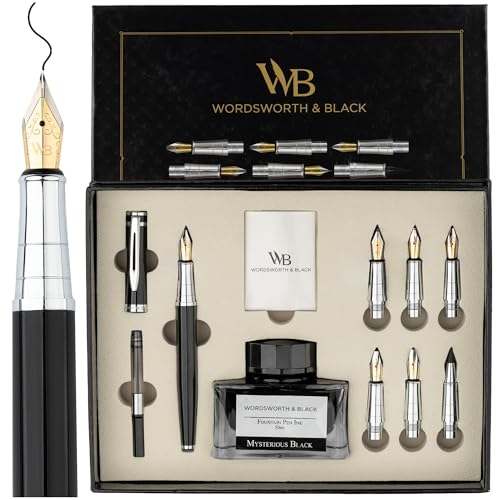
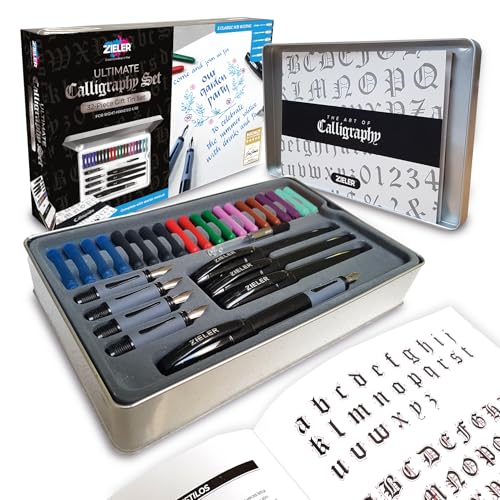
Caligraphy sets usually bundle a pen holder, several nibs, ink, and practice paper or guides. Some sets focus on pointed pen lettering, while others suit broad edge styles used for greeting cards and certificates. Knowing which style you want to learn first will narrow the choice more than any other single factor. Take your time with the sections that follow, and check the product table below when you are ready to compare.




What a Caligraphy Set Usually Includes
A typical set starts with a pen holder, which may be straight or oblique depending on the nib angle it supports. Straight holders suit broad edge nibs and many beginner styles, while oblique holders help pointed pen writers hold the nib at a steady angle. Check whether the holder accepts standard nibs, because a holder that only fits one rare nib size can limit your later choices. A set with two holders gives you room to try both styles without buying extra parts at once.
Nibs are the working end of the pen, and most sets include three to six of them in different widths or flex levels. Broad edge nibs make thick and thin strokes by changing the pen angle, while pointed nibs flex with pressure to change line width. Ink may arrive as a small bottle, cartridges, or both, and the type matters because some inks flow better in certain nibs. Practice sheets, a guide book, and a cleaning cloth round out many sets and help a beginner start without extra shopping.
Choosing Nibs for Your Lettering Style
Broad edge nibs are a strong starting point if you like the look of classic book hands, italic lettering, or decorative headings. They reward a steady hand angle and produce clear thick and thin contrast with little pressure change. Look for a set that includes at least two widths, such as a medium width for practice and a wider one for headings. A wider nib shows mistakes more clearly, which actually helps you learn faster in the early weeks.
Pointed nibs suit flowing scripts where letters connect and line width changes with gentle pressure. These nibs need a lighter touch, and beginners often press too hard at first, which can catch the nib on paper. A set with a flexible but not extremely soft nib is a kinder introduction than a very soft professional nib. If you are unsure which style you prefer, choose a set that includes one broad edge nib and one pointed nib so you can compare them side by side.
Ink, Paper, and Practice Basics
Ink choice affects flow, drying time, and how clean your lines look on the page. Water based calligraphy ink is easy to clean and suits most practice nibs, while pigmented ink resists fading but needs more careful cleaning. Avoid fountain pen ink in dip nibs unless the label says it suits dip pens, because the flow can be too thin or too thick. Keep a small jar of clean water nearby for rinsing, and dry nibs fully before storage to slow rust.
Paper matters more than many beginners expect, because rough or absorbent paper can feather ink and hide your progress. Smooth practice paper with a slight weight holds a crisp edge and lets the nib glide without catching fibers. Printed guide sheets with ruled lines and slant lines help you keep letter height and angle steady while you learn. Practice in short sessions of twenty to thirty minutes, and repeat basic strokes before moving on to full alphabets.
Budget, Quality, and Long Term Value
Prices for caligraphy sets range from about $15 to $80, and the middle of that range usually gives a beginner the best balance. Very cheap sets may include rough nibs that scratch paper or holders that crack under normal use. At the higher end you pay for smoother nibs, better holders, and inks that behave more evenly. Spend first on nib quality and a comfortable holder, since those two parts affect every letter you write.
Think about replacement costs before you buy, because nibs wear out and ink runs out with regular practice. A set that uses widely sold standard nibs will cost less to maintain than one with unusual parts. Check whether spare nibs and ink are easy to order from the same seller or a general art supplier. A set that grows with you, by accepting new nib widths as your skill improves, is better value than a set you outgrow in a month.
Care, Storage, and Common Beginner Mistakes
Clean nibs after every session, even a short one, because dried ink changes how the next session flows. Rinse gently in clean water, wipe with a soft cloth, and let nibs air dry before putting them away. Store nibs in a small box or tin so the tips do not bend against other tools. Holders can be wiped clean, and ink bottles should stay capped and upright away from direct sunlight.
Common mistakes include pressing too hard, rushing through alphabets, and practising on the wrong paper. Heavy pressure tires your hand and damages nib tips, so aim for a relaxed grip and let the nib do the work. Slow, repeated strokes build muscle memory faster than fast, careless pages. If letters look uneven, return to basic strokes for a few sessions rather than buying a new set in the hope that tools alone will fix the problem.
A Final Check Before You Order
Before ordering, decide which lettering style you will practice first, since that choice decides nib shape and holder angle. A broad edge set suits italic and book hands, while a pointed pen set suits flowing scripts with pressure changes. If you truly cannot decide, a mixed set with one nib of each type lets you test both styles for a few weeks. That small test saves money compared with buying two full sets at once.
Check the set contents list carefully, counting nibs, holders, ink type, and practice paper rather than trusting the box photo alone. Confirm that spare nibs use a standard size you can reorder easily, since unusual nibs become a chore to replace. Read the ink label too, checking whether it suits dip nibs and whether it washes out of clothes and desks. A set with clear contents and standard parts will serve you longer than a larger set with vague details.
Set a practice plan for the first month, with short sessions three or four times a week rather than one long weekend session. Begin with basic strokes, then move to single letters, then short words, keeping guide sheets visible throughout. Keep nibs clean after every session and store tools in one place so practice starts without setup friction. Steady habits matter more than an expensive set for early progress.
Frequently Asked Questions
What should a first time buyer look for in a caligraphy set?
A first time buyer should look for a comfortable holder, two or three standard nibs, suitable ink, and smooth practice paper in one box. Standard nibs matter because replacements stay easy to find and cheap to buy later. A guide book or printed practice sheets also help, since they show stroke order and letter shapes. Avoid sets that promise instant results, and choose one that lets you practice basic strokes before full words.
Are broad edge or pointed nibs better for beginners?
Broad edge nibs are often easier for beginners because they change line width through pen angle rather than pressure. Pointed nibs need a lighter and more controlled touch, which takes longer to learn but suits flowing scripts. Your lettering goal should decide the choice, since broad edge styles fit headings and italic hands while pointed styles fit connected scripts. A mixed set lets you try both before committing to one path.
How much should I expect to spend on a good starter set?
A good starter set usually costs about $20 to $50, which covers a decent holder, several nibs, ink, and practice paper. Sets below that range can still work, but nib quality may vary and holders may feel less comfortable. Higher priced sets add smoother nibs and better materials rather than faster learning. Budget also for spare nibs and ink, since both run out with regular practice.
How do I keep nibs in good condition?
Rinse nibs in clean water after each session, wipe them dry with a soft cloth, and let them air dry before storage. Dried ink can block flow and roughen the tip, so cleaning matters even after short practice. Store nibs in a small box so tips do not bend, and keep ink bottles capped and upright. Replace a nib when it scratches paper, splits unevenly, or no longer holds a smooth line.
Can I learn caligraphy without lessons?
Yes, many beginners learn from guide books, practice sheets, and slow, regular practice at home. Short daily sessions build steadier strokes than rare long sessions, and repeating basic strokes matters more than finishing alphabets quickly. If progress stalls, a single workshop or online class can correct grip and angle problems early. Be patient with uneven early work, since steady lettering comes from repetition over weeks, not days.
Final Thoughts
The right set is the one that fits your chosen style, feels comfortable in your hand, and uses parts you can replace easily. Start with a modest set, practice basic strokes on smooth paper, and add new nib widths only when your current ones feel limiting. Keep nibs clean and store tools carefully so a small investment lasts through many practice sessions.
Use the product table above to compare set contents side by side, then choose the option that matches your style and budget rather than the largest box. With steady practice, the best caligraphy sets become a simple toolkit for lettering you enjoy, not a puzzle to solve before you begin.