Best Calendar Watches: 2026 Buying Guide for Daily Wear
Disclosure: We may earn a commission when you buy through links on this page, at no extra cost to you. As an Amazon Associate I earn from qualifying purchases. Learn more

Calendar watches show the date, day, and sometimes the month at a glance. Compare annual, perpetual, and simple date displays to find one that fits your wrist.
A best calendar watches guide starts with a simple question: how much date information do you actually want on your wrist? A basic date window shows the day of the month. An annual calendar adds the day and month and needs only one correction a year. A perpetual calendar tracks leap years too and can run for decades without a manual date change, and the comparison table below lays out the main display types side by side.
Calendar watches suit people who check dates often, from teachers and nurses to travellers and anyone who plans around appointments. They also appeal to collectors who enjoy mechanical complexity they can see working. The right choice depends on your budget, your eyesight, your wrist size, and how much upkeep you are willing to do. This guide walks through each display type, the movements behind them, and the practical details that matter after the first week of wear.


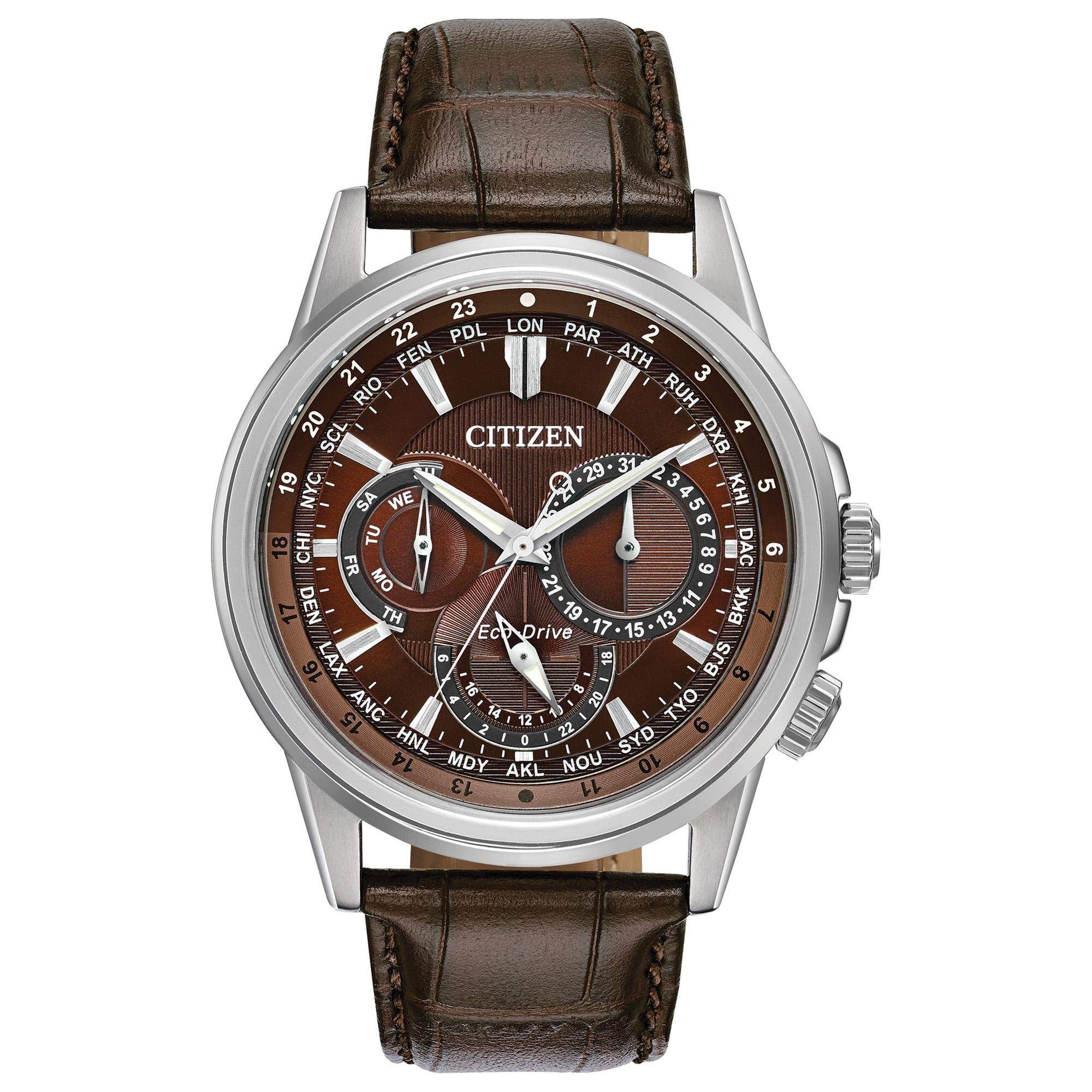


Who Should Buy a Calendar Watch
Frequent planners get the most from a calendar watch. If you check the date several times a day for scheduling, deadlines, or travel, a glance at your wrist beats pulling out a phone. People who work with their hands, such as cooks, nurses, and workshop staff, also value a watch that shows the date without a free hand.
Collectors often buy calendar watches for the mechanism itself. An annual or perpetual calendar movement shows real watchmaking skill, with wheels and levers that track months of different lengths. If you enjoy that craft, the movement matters more than the brand name. If you only need the date, a simpler and cheaper date watch leaves more budget for case quality and comfort.
Calendar Display Types Explained
A simple date watch shows the day of the month in a small window, usually at the 3 o clock position. It needs a manual correction at the end of any month shorter than 31 days, five times a year. That small chore suits many owners and keeps the watch affordable and easy to service.
An annual calendar shows the day, date, and month, and it knows that months have 30 or 31 days. It needs only one correction a year, at the end of February. A perpetual calendar goes further: it tracks leap years and needs no correction until the year 2100 in most designs. Perpetual calendars cost more and need a specialist if they ever stop, since resetting one takes care and knowledge.
Day date watches show both the weekday and the date, which suits people who plan by weekday. Full calendar watches show day, date, and month, often with a moon phase thrown in for style. Moon phase displays look lovely but add little practical value, so treat them as decoration rather than a buying reason.
Key Features to Compare
Legibility comes first. Calendar text is small by nature, so check the size of the date numerals and the contrast between the disc and the dial. A white date disc on a dark dial reads well, while a matching colour disc looks cleaner but can be harder to read at a glance. Try the watch in normal room light, not just under shop lights.
Movement type shapes price and upkeep. Quartz calendar watches are accurate, affordable, and easy to own, with a battery change every few years. Mechanical calendar watches need no battery but need servicing every few years and will stop if unworn for a day or two unless they have a long power reserve. Water resistance, crystal type, strap comfort, and lug width all affect daily wear as much as the calendar itself.
Case size should fit your wrist. Calendar dials can look busy, so a clean layout matters more than a large case. A 38 to 41 mm case suits most wrists, while smaller wrists often prefer 36 to 39 mm. Check that the crown is easy to grip, since you will use it for date corrections and time setting.
Living With Your Choice
Set the calendar correctly from the start, following the maker instructions for the safe setting hours. Many mechanical calendars should not be adjusted near midnight, when the date change mechanism is engaged. Forcing the quick set during those hours can damage the movement, so learn your watch safe window before the first correction.
If your watch stops for weeks, a simple date watch is easy to reset, but a perpetual calendar may need a watchmaker to restore the correct date, month, and leap year cycle. Keep the instruction booklet and service records, and budget for a service every four to six years for mechanical pieces. A watch winder helps if you rotate several mechanical watches.
A Final Check Before You Order
Before you order, study the dial layout closely in photos and, if possible, in person, since calendar watches vary greatly in how readable their date displays are. A busy dial with a moon phase, a power reserve, and three calendar windows can look stunning in a product photo and prove hard to read at a glance on your wrist. Decide whether you want the date to jump out instantly or sit quietly as part of a balanced dial.
Check the lug width and strap options, since a calendar watch you cannot fit with a comfortable strap will sit unworn. Standard lug widths give you many strap choices, from leather to rubber to steel bracelets, while unusual widths limit you to maker straps at higher prices. Also check the crown size and grip, since you will use the crown for date corrections and for winding a mechanical piece.
Finally, confirm the warranty, the service network, and the water resistance rating for your routine. A watch rated only for splashes will not survive swimming, and a mechanical calendar needs a watchmaker who knows that movement. Buy from a seller who can answer service questions honestly, and keep the warranty card and receipt with the watch box.
Getting the Most From Your Choice
Wear the watch for a full week before judging comfort, since a new strap softens and your wrist adapts to the case weight. Try it with different cuffs and sleeves, since a thick case can catch on tight shirt cuffs. If the watch runs fast or slow beyond the maker tolerance, note the daily gain or loss over a week and discuss regulation with a watchmaker rather than guessing.
Rotate your calendar watch sensibly if you own several watches. A quartz calendar keeps perfect time on the shelf, while a mechanical calendar stops and needs resetting, so a watch winder or a simple weekly winding habit keeps it ready. Keep a note of the last service date, since regular servicing protects both accuracy and the calendar mechanism over decades of wear.
Related Buying Guides
For related reading, see the guides to best perpetual calendar watches, best annual calendar watches, and best quality watches. Each covers a neighboring choice in more detail.
Frequently Asked Questions
What is the difference between an annual and a perpetual calendar watch?
An annual calendar knows that months have 30 or 31 days and needs only one correction a year, at the end of February. A perpetual calendar also tracks leap years, so it needs no correction until the year 2100 in most designs. Annual calendars cost less and are simpler to reset if they stop. Perpetual calendars cost more and need specialist care when they stop, since restoring the leap year cycle takes skill and patience.
Do calendar watches need frequent adjustment?
A simple date watch needs a manual correction five times a year, at the end of every month shorter than 31 days. An annual calendar needs one correction a year, at the end of February. A perpetual calendar needs none until the year 2100, provided it keeps running. Quartz models keep running for years on a battery, while mechanical models stop if unworn, so your adjustment routine depends on the movement type you choose.
Are calendar watches hard to read?
Some are, because calendar text is small and dials can look crowded. Look for large date numerals, strong contrast between the date disc and the dial, and a layout that keeps the calendar windows clear of other displays. A white disc on a dark dial usually reads best at a glance. Always check legibility in normal room light before you buy, since shop lighting flatters almost every dial.
Is a quartz or mechanical calendar watch better?
Quartz calendar watches are more accurate, more affordable, and easier to own, with only a battery change every few years. Mechanical calendar watches need no battery and appeal to collectors who value craft, but they cost more, need servicing every few years, and stop if unworn. Choose quartz if you want a reliable daily tool. Choose mechanical if you enjoy watchmaking and accept the upkeep that comes with it.
What should I check before buying a calendar watch?
Check the calendar type, the legibility of the date numerals, the case size on your wrist, and the water resistance for your routine. Confirm the movement type and the service interval, and ask about the safe hours for date adjustment on mechanical models. Also check strap comfort and lug width, since a strap change is the easiest way to refresh a watch. Buy from a seller who offers a warranty and a clear return policy.
Final Thoughts
The right best calendar watches choice balances display type, legibility, and upkeep. A simple date watch suits most daily needs, an annual calendar adds convenience for planners, and a perpetual calendar rewards collectors who value long term craft. The product table above can help you compare display types side by side. Try the watch on your wrist, read the date in normal light, and pick the movement you will enjoy owning for years.