Best Bust Down Watches: Everything to Know Before Your First Purchase for 2026
Disclosure: We may earn a commission when you buy through links on this page, at no extra cost to you. As an Amazon Associate I earn from qualifying purchases. Learn more

Shopping for the best bust down watches for the first time? Learn the terms, compare options, and avoid rookie mistakes with this easy guide.
A bust down watch is a watch covered in stones across the dial, bezel, case, and often the bracelet, and the style can look dazzling or messy depending on the quality of the work. First time buyers face a confusing mix of factory set stones, custom work, and look alike pieces at wildly different prices. This guide explains best bust down watches in plain language, from basic terms to safe buying habits.
You do not need collector knowledge to shop well, but you do need to know what you are paying for and what can go wrong. Read the basics first, skim the comparison table below, and then use the specification sections to judge any piece with clear eyes. A calm hour of learning now protects a large purchase later.



Bust Down Watches 101: The Basics
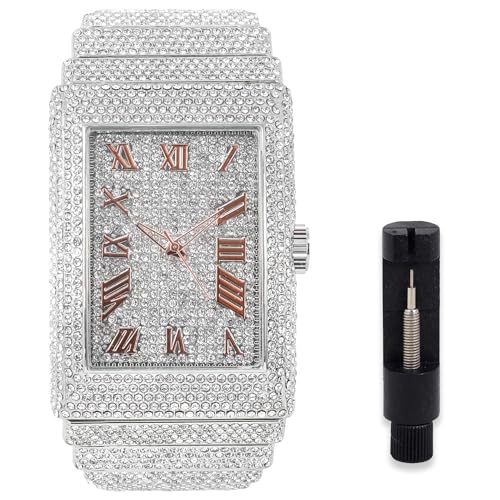
The term bust down describes a watch that has been set with diamonds or diamond like stones after manufacture, or built that way by a maker from the start. Settings cover the bezel, dial, case sides, and bracelet links, so light catches the watch from almost any angle. The base watch still matters, because its movement, case, and water resistance decide how the piece behaves every day beneath the sparkle.
Stone quality, setting skill, and metal work separate a clean piece from a sloppy one. Well set stones sit level, share even spacing, and stay secure when a fingernail passes over them. Poor work shows gaps, tilted stones, and glue where prongs should hold each stone. Ask any seller how the stones are set and what they are, and treat vague answers as a serious warning before you spend real money.
Key Specs Explained in Plain English
Five checks cover most of what decides quality and ownership cost. Learn these, and sales talk loses its power over you.
Movement Type (Quartz, Automatic, Solar, Smart)
Quartz movements run on a battery, keep excellent time, and cost little to maintain, which suits many first time buyers. Automatic movements wind from wrist motion and impress collectors, but they need service every five to seven years and can lose time if left unworn. Solar models charge from light and reduce battery worries. In a stone covered watch, also ask how the movement is accessed, because dense settings can make routine service slower and costlier than on a plain watch.
Strap and Bracelet Options
Most bust down pieces use metal bracelets because links give setters a flat, strong surface for stones. A bracelet should flex smoothly, close with a firm clasp, and include spare links or clear sizing help. Leather straps offer a calmer look and lower cost, but they cannot carry the same full stone coverage. Quick release spring bars help if you plan to swap straps, though many set bracelets are custom fitted and swap less easily than standard designs. Weight matters too, because a fully set bracelet can feel heavy by evening.
Legibility and Style
Heavy stone coverage can make a watch hard to read, because sparkling dials hide hands and markers in bright light. Look for strong contrast, bold hands, and lume that glows after dark so the watch still works as a watch. Style wise, full coverage shouts, while a set bezel with a clean dial reads more refined. Match the level of flash to your daily settings, since a very loud piece can feel wrong in quiet rooms. For calmer everyday styles, our guide to the best watches for guys shows simpler daily options.
Crystal and Case Materials
Sapphire crystal resists scratches and keeps a stone dial looking clear, while mineral glass costs less and marks more easily. Stainless steel cases hold settings securely and resist rust, and 316L grade steel is the common quality benchmark. Gold cases look rich but dent more easily, which can loosen settings after a hard knock. Ask about water resistance in plain meters, and remember that heavy custom work can reduce the rating of the original watch. A seller who will not state the rating in writing is telling you something important.
Brand Reputation, Warranty, and Value
Buy from sellers who state stone type, metal, and movement in writing, and who offer a warranty that covers loose stones and clasp faults. Bust down pieces often lose value faster than plain versions of the same watch, because the buyer pool is smaller and taste driven. Documentation helps resale, so keep receipts, stone details, and service records together from day one. Our guide to the best watches to pass down explains which plain pieces hold family value best.
Rookie Mistakes to Avoid
New buyers tend to repeat the same five errors, and each one is avoidable with a minute of patience.
- Paying diamond prices for stones the seller never names or grades in writing
- Judging only by sparkle photos and skipping close views of setting quality
- Ignoring movement service and battery access on a heavily set case
- Assuming a famous base watch name guarantees the custom work is original
- Skipping written return terms on a high value custom piece
If a deal pressures you to decide today, walk away and compare tomorrow. Honest sellers expect questions on a purchase at this level, and they answer them in writing without complaint.
Getting Started: Setup and First Use
When your watch arrives, inspect every row of stones under bright light and run a clean fingertip across the bezel and bracelet to feel for raised or loose stones. Set the time gently, size the bracelet with a proper tool or a jeweler, and save every removed link in a labeled bag. Wear the watch at home for an evening before removing tags, so clasp comfort and weight are clear.
Keep the watch away from hard knocks, rinse salt and sweat off with care if the rating allows, and store it in a soft pouch away from other jewelry. For automatic models, a short daily wear rhythm keeps timekeeping steady, and a watch winder helps if you rotate pieces often. Photograph the watch from several angles on arrival day, because dated photos help with warranty and insurance questions later.
FAQs
What case size fits my wrist?
Most wrists suit 38 to 42 mm cases, and stone set bezels make a watch look larger than its number suggests. Measure your wrist, then judge lug to lug length, because overhang looks awkward and feels clumsy. If you fall between impressions, choose the smaller case, since added sparkle already draws the eye. A paper cutout of the case held against your wrist gives an honest preview before you order.
How water resistant should a bust down watch be?
A bust down watch should carry at least 50 meters of resistance for daily confidence against rain and splashes. Many custom set pieces carry less, because case work can weaken seals, so ask for the rating in writing. Never swim with a leather strap version, and treat any unstated rating as splash only. Have seals checked after any case work, since settings and seals interact.
How long does a watch battery last?
A quartz watch battery usually lasts two to three years, and solar models can run much longer between services. On a bust down piece, budget extra time and cost for battery work, because the setter or maker may need to handle dense stone work around the case back. A second hand that jumps in steps often signals a fading battery. Act promptly, since a dead battery left inside can leak and harm the movement.
Quartz or automatic: which is better?
Quartz is better for accuracy, low cost, and simple ownership, while automatic suits buyers who value mechanical craft. Automatic pieces need regular wear and service every five to seven years, which adds real ownership cost. In stone set watches, movement choice matters less than setting quality and seller honesty. Pick quartz for an easy first piece, and automatic when the mechanics themselves bring you joy.
Wrapping Up
For a first purchase, judge setting quality, movement honesty, and seller documentation before you judge sparkle. Those three checks protect both your money and your enjoyment. Compare finalists in the product table above, ask direct questions, and keep every document you receive. Chosen with patience, the best bust down watches deliver bold style without rookie regret, and your first piece can stay a favorite for years. Start modest, learn what you love wearing, and upgrade only when experience, not impulse, points the way.