Best Business Casual Watches for 2026: Size, Strap, and Movement
Disclosure: We may earn a commission when you buy through links on this page, at no extra cost to you. As an Amazon Associate I earn from qualifying purchases. Learn more

A guide to the best business casual watches: case size, strap, movement, and price, with tips for pairing a watch with your outfit.
A watch is the one accessory that works in a meeting room, at a client lunch, and on a Saturday walk, which is why the best business casual watches are in such demand. They sit between a formal dress watch and a rugged sports watch: slim enough for a shirt cuff, simple enough to read at a glance, and relaxed enough to wear with chinos, dark jeans, or a blazer.
This guide explains the case sizes, straps, movements, and dial styles that make a watch feel right in a business casual setting, so you can judge any model in the product table above rather than guess from photos.




What Makes Business Casual Watches Different
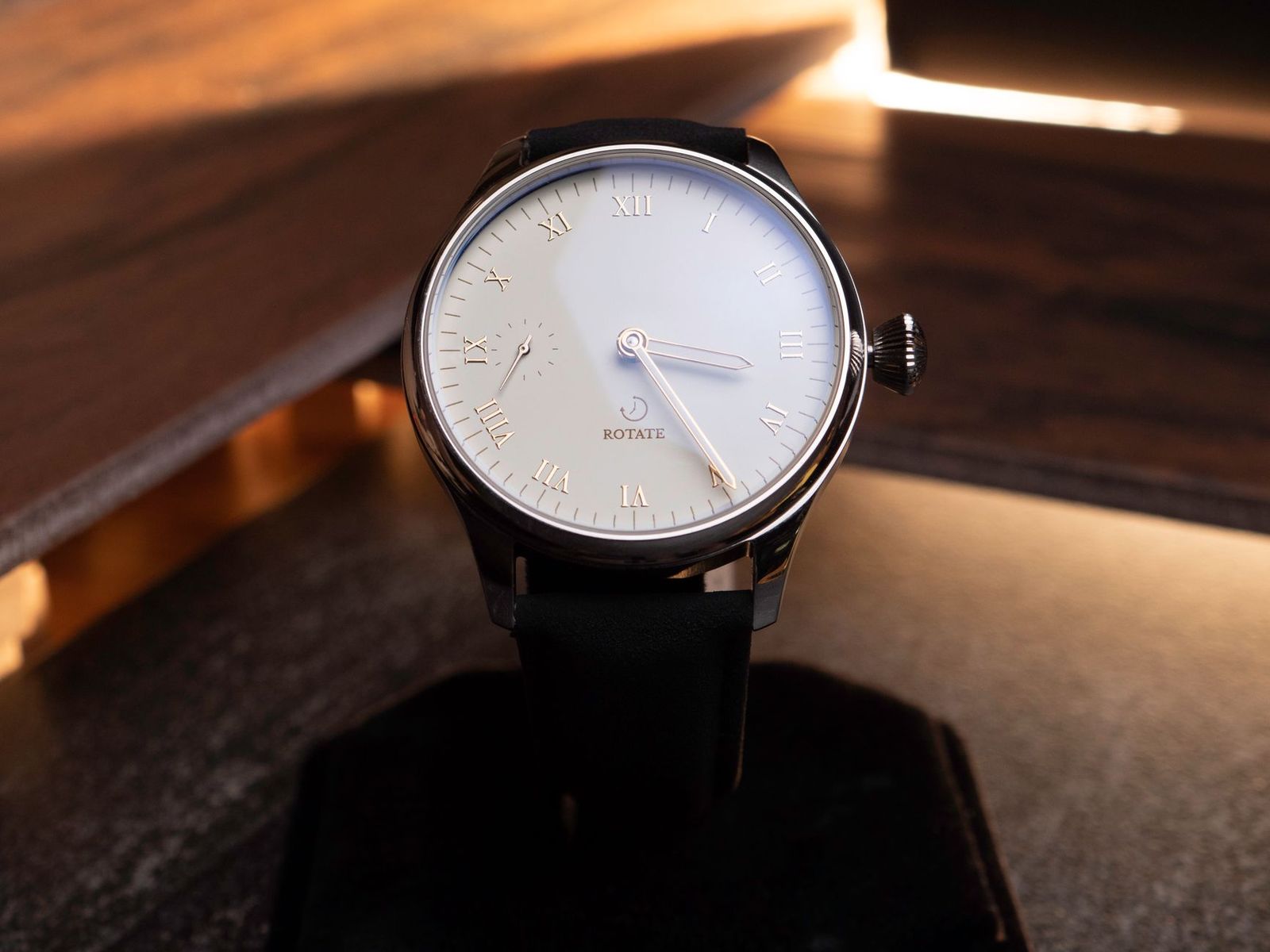
Three traits define the category. First, a restrained dial: clear numerals or baton markers, two or three hands, and a small date window at most. Second, a modest case, usually between about 36 and 42 millimeters across and under about 12 millimeters thick, so it slides under a cuff. Third, neutral finishing in steel, black, navy, white, or brown leather, without loud colors or oversized pushers.
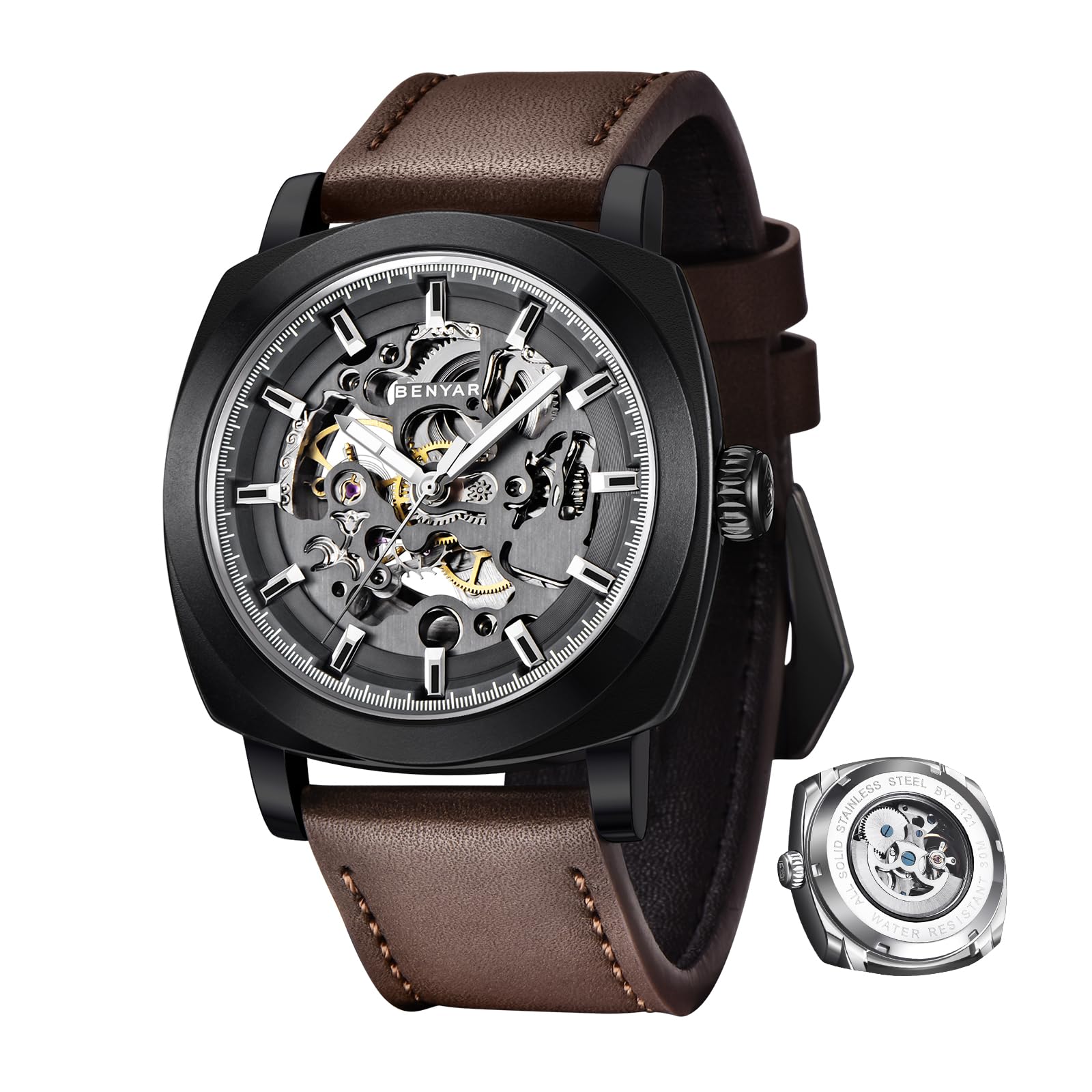
Chronographs, skeleton dials, and smart displays can work in casual offices, but plain three-hand watches are the safest choice if you are unsure of the dress code.
Choosing the Right Case Size
The best business casual watches fit the wrist first and the wardrobe second.
Wrist size decides more than taste. If your wrist measures under about 6.5 inches around, a 36 to 39 millimeter case looks balanced. Between about 6.5 and 7.5 inches, 38 to 42 millimeters suits most people. Above that, a 42 to 44 millimeter case can still look proportionate on a larger wrist.
Look at lug-to-lug length when a listing shows it, because lugs that overhang the wrist make any watch look oversized. Light dials also tend to look larger than dark dials of the same diameter.
Strap or Bracelet
Leather Straps
Leather gives the classic business casual look and feels comfortable against the skin. Brown pairs with tan, olive, and navy outfits; black suits formal-leaning offices. Leather wears out within a year or two of daily use, so budget for a replacement and look for quick-release spring bars that let you swap it yourself.
Steel Bracelets
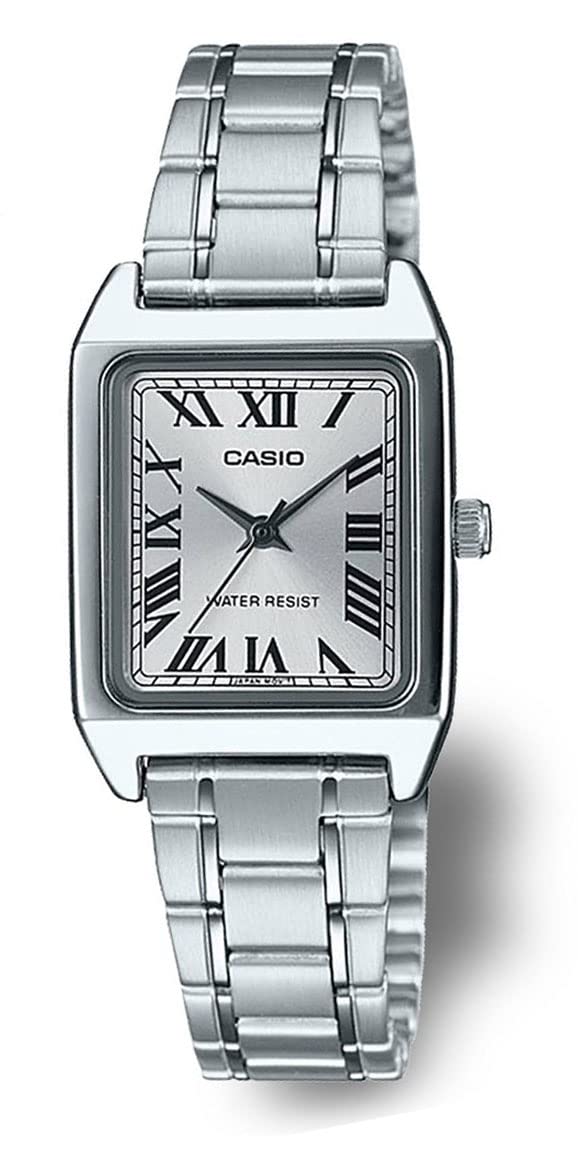
A steel bracelet is more durable, copes better with sweat and rain, and moves easily from office to weekend. Check that links are solid, the clasp closes firmly, and you can resize it without special tools.
Mesh and Fabric Straps
Mesh bands feel modern and adjust freely, and woven fabric straps suit the casual end of the range. They look less formal than leather, so reserve them for relaxed offices.
Movement Types Explained
- Quartz: Battery powered, accurate, thin, and low maintenance. Most buyers should start here. A battery lasts about two to three years.
- Automatic: Mechanical movements wound by wrist motion. They appeal for craft and the sweeping second hand but need regular wear and servicing every few years.
- Solar: Charge from light and avoid battery changes for years. A good fit for busy professionals who rotate watches.
- Smart: Add notifications and tracking, but need frequent charging and look less formal with a blazer.
Features Worth Paying For
Crystal material matters because you see it every day. Mineral glass is fine for light use; sapphire crystal resists scratches far better and keeps a dial looking clear for years. Water resistance of 30 to 50 meters covers hand washing and rain, while 100 meters is the level to look for if you swim. Lume on the hands helps in dim rooms. A date window is useful, but you do not need extra complications for office wear.
Price Ranges
Simple quartz watches with clean dials start around $50 to $100 and suit a first office job or a backup watch. From about $100 to $250 you tend to find steel cases, better bracelets, and sometimes sapphire crystal. Above that, you are paying for refined finishing, better movements, and established service networks, which makes sense if one watch will be worn most days for years.
Matching a Watch to Your Week
Office Days
A slim quartz or solar watch with a leather strap or steel bracelet disappears under a cuff and looks smart in any meeting.
Hybrid and Travel
A watch with solid water resistance and a comfortable bracelet handles trains, airports, and airport security trays without fuss. A second quick-release strap keeps it fresh.
Client Dinners and Events
Choose a dark or white dial with a thin case and a leather strap. Keep the style quiet; the goal is to look put together without drawing attention.
Pairing a Watch With Your Outfit
Match the metal of the watch to your belt buckle and glasses frames when you can, so silver steel sits with silver hardware and gold tones sit with warmer browns. A brown leather strap pairs with brown shoes and a belt in the same family, while a steel bracelet bridges almost any color. With a patterned shirt, choose a plain dial so nothing competes. With a plain shirt, a textured dial or a subtle sunray finish adds interest without shouting.
Common Mistakes to Avoid
- Buying a case that is too large for the wrist, which catches on cuffs and looks like a costume.
- Choosing a busy dial with several sub-dials when you mainly want to read the time.
- Ignoring strap width, which should match the lug width so you can change straps later.
- Paying for features such as deep water resistance that an office routine never uses.
- Skipping the warranty details, which matter more than the brand name on the dial.
Care and Longevity
Wipe the case and strap after wear, keep the watch away from strong magnets such as speaker magnets and bag clasps, and rinse it with fresh water after salt exposure if the rating allows. Replace the battery promptly when the second hand starts to jump, and service automatic watches every few years.
Related Guides
For more relaxed styles, see casual watches or casual watches for men. If you prefer a dressier option, read watches for business.
Frequently Asked Questions
Can I wear a sports watch with business casual clothes?
A clean field or diver-style watch in a modest size can work, especially on a steel bracelet. Oversized, brightly colored sports watches usually look too casual.
Is a smartwatch acceptable in a business casual office?
Many offices accept one, particularly on a neutral band. If you present to clients often, a classic watch looks more polished.
What dial color is most versatile?
Black, navy, white, and silver dials work with most outfits. Avoid very bright or busy dials if you want one watch for every day.
How do I know my size?
Measure your wrist with a soft tape, then compare the case diameter and lug-to-lug length. A photo on a wrist similar to yours helps more than a spec sheet alone.
Do I need sapphire crystal?
It is not required, but it keeps the watch looking new for longer if you wear it daily and brush against desks and doorframes.
Final Thoughts
The right pick among the best business casual watches is the one that suits your wrist, your wardrobe, and your tolerance for maintenance. Start with a clean dial and a case that fits under your cuff, then pick the strap and movement that match your routine. Compare the models in the product table above, and choose the one you will happily wear on a Monday morning and a Saturday afternoon alike.