Best Bunny Slippers: A First Time Buyer's Guide for 2026
Disclosure: We may earn a commission when you buy through links on this page, at no extra cost to you. As an Amazon Associate I earn from qualifying purchases. Learn more

Shopping for the best bunny slippers? This beginner guide explains fit, cushioning, materials, and sizing so you choose a cozy pair with confidence.
Bunny slippers look simple, and that is exactly why first time buyers often grab the wrong pair. The ears and the cute face get all the attention, while the fit, the sole, and the warmth decide whether you wear them daily or leave them in a closet. This guide walks you through best bunny slippers shopping from the basics up, in plain language, so you can judge any pair in the comparison table below on the things that actually matter.
You will learn how sizing really works, why the toe box matters more than the decoration, and how much cushioning a house slipper needs. You will also see the mistakes new buyers make most often, plus simple care steps that keep a plush pair fresh for far longer.



Bunny Slippers 101: The Basics
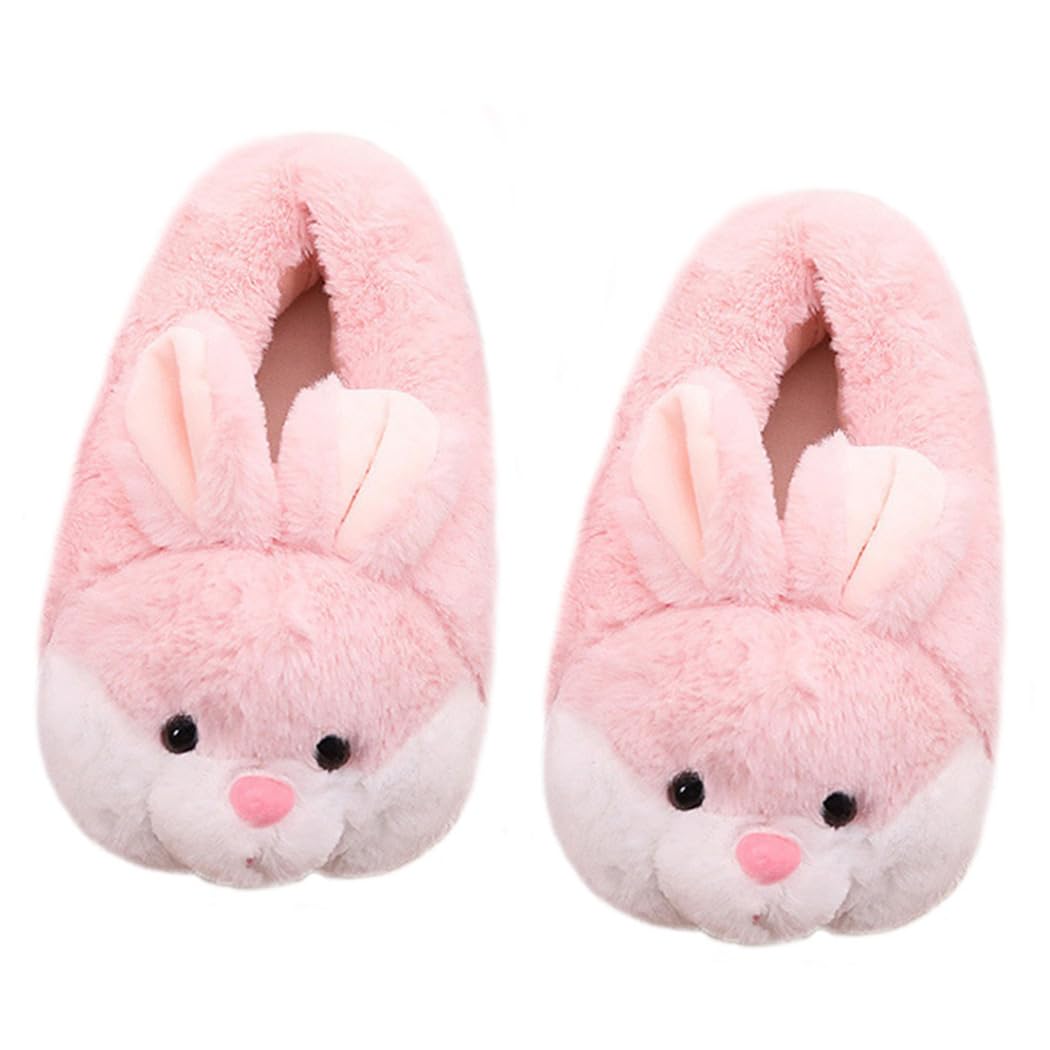
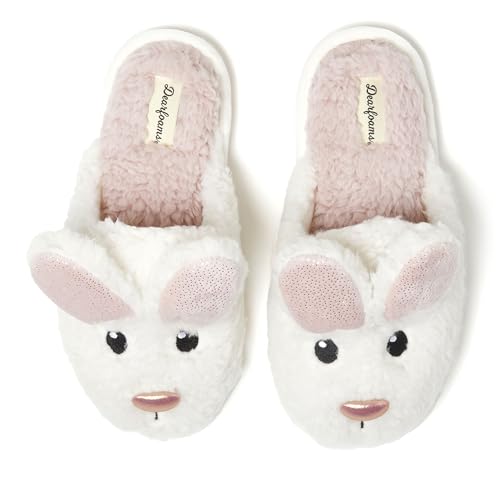
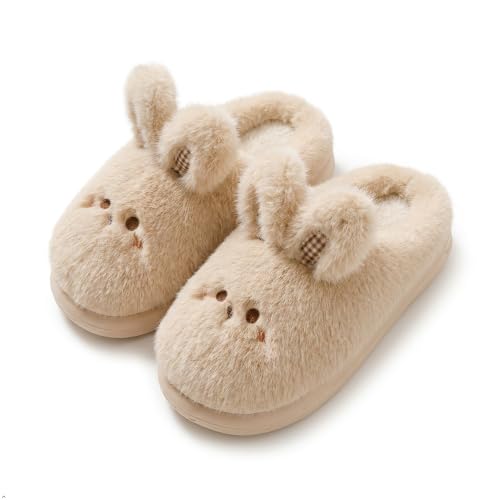
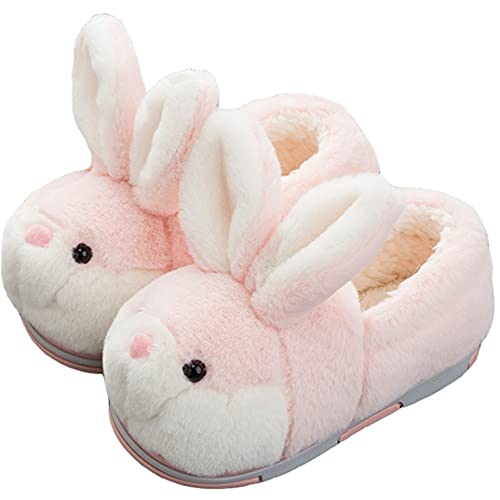
A bunny slipper is a soft indoor shoe built for warmth and comfort, styled with bunny details such as long ears, a stitched face, or a small tail. Most pairs use a plush or fleece upper, a padded footbed, and a light outsole meant for floors inside the home. Some pairs add a firmer rubber sole so you can step onto a porch or patio without soaking the bottom.
The terms you will see most are easy once you translate them. The upper is everything that wraps over your foot. The footbed is the part your foot rests on. The outsole is the bottom layer that touches the floor and gives grip. Cushioning describes how much soft padding sits under your heel and forefoot, and the toe box is the space around your toes at the front.
One useful know how point is that bunny slippers are sized for relaxed wear, not for a snug athletic fit. Your toes should wiggle freely, your heel should stay in place when you walk, and no seam should rub. If a pair feels tight in the shop or in your first try at home, the plush will compress over time, but the length will not grow, so length problems rarely fix themselves.
Key Specs Explained in Plain English
Fit, Sizing, and Toe Box
Measure your feet in the late afternoon, when they are at their largest, and compare the length in inches or centimeters with the size chart for that specific pair. Sizes vary a lot between makers, so the chart matters more than the number you usually wear. Look for a wide, rounded toe box that lets your toes spread naturally when you stand. Leave about a thumb width of space in front of your longest toe. If you fall between sizes, most plush styles feel better one size up, since socks and swelling room both add comfort during long evenings at home.
Upper Materials and Breathability
Most bunny slippers use plush polyester fleece, faux fur, or a soft knit, and each behaves a little differently. Plush fleece feels warm right away and dries fast after washing. Faux fur looks fuller and traps more heat, which suits cold floors but can feel too warm in mild weather. Knit uppers breathe better and stretch gently over the foot, though they show wear sooner. If your feet run warm, choose a lighter knit or a shorter pile fabric. Breathable linings also reduce odor, because trapped moisture is what lets smells build up inside a closed slipper.
Durability and Expected Lifespan
A well made pair worn daily usually lasts about one to two years before the cushioning feels flat. The outsole tells you a lot about lifespan. Thin fabric soles wear smooth quickly and belong on carpet only, while molded rubber or firm foam soles handle tile, wood, and short trips outside far better. Check the stitching where the upper meets the sole, since that seam takes stress with every step. Dense plush holds its shape longer than loose, wispy pile. Rotating two pairs, if you wear slippers all day, rests the foam and can extend the life of both.
Break In Period and Comfort Out of the Box
Good bunny slippers should feel comfortable within the first hour, with no pinching and no hot spots. The footbed will soften and mold slightly to your foot over the first week, and the plush will settle, so a pair that feels slightly lofty at first often ends up just right. What should not change is length, heel slip, or a seam pressing on your toes. Walk around your home on clean floors during the return window and pay attention to stairs, where heel slip shows up fast. If your heel lifts out with every step, exchange the size rather than hoping it improves.
Cushioning and Support
Cushioning in a house slipper protects your feet from hard floors more than from impact, since you are walking, not running. A medium thick foam footbed suits most people for kitchen tile and hardwood. Very thick, squishy foam feels luxurious for the first minutes but can feel unstable, and it packs down fastest. Memory foam molds closely and feels soft, while firmer foam keeps its support longer. If you stand to cook or work at a counter for long stretches, choose a footbed with a gentle heel cup and some structure under the arch rather than a flat, floppy base.
Arch Support and Foot Type
Most novelty slippers have flat footbeds, which is fine for short wear but tiring for sensitive feet. If you have flat feet, look for a contoured footbed that fills the arch gently so your foot does not roll inward as you walk. If you have high arches, extra cushioning under the heel and forefoot matters more, because your weight lands on smaller areas. Shoppers comparing supportive house footwear often also read about the best slippers for plantar options to understand what a structured footbed feels like. Persistent foot, heel, or arch pain is a reason to talk with a clinician or podiatrist rather than relying on any slipper to fix it.
Rookie Mistakes to Avoid
- Buying by shoe size alone. Slipper sizing runs differently across brands, so always match your measured foot length to the chart for the pair you want.
- Choosing looks over the sole. A fabric sole on tile or hardwood can be slippery, so check the outsole material and tread before you fall for the cutest face.
- Ignoring wash care. Some plush pairs are machine washable and some are spot clean only, and the wrong wash can mat the pile and ruin the shape.
- Ordering too small for a snug feel. Plush compresses, length does not stretch, and cramped toes will bother you every single evening.
- Skipping the return window test. Wear the pair indoors right away so you can exchange the size while returns are still simple.
Getting Started: Setup and First Use
When your pair arrives, try it on in the afternoon with the socks you plan to wear, and walk on your hardest floor surface, not just carpet. Check that your toes have room, your heel stays seated, and the ears or trim do not catch on furniture or stair edges. Remove any stiff packaging inserts from inside the toe area, which new buyers sometimes miss and mistake for a sizing problem.
For care, air your slippers out after long wear so moisture escapes, and keep them away from direct heat when they get wet, since strong heat can warp foam soles and damage glue. Wash only as the label allows, and let pairs dry fully before wearing them again. A practical know how tip is to brush the plush gently with a soft clothes brush once it dries, which lifts the pile and brings back the soft feel. If you are still comparing general quality markers across house footwear, our guide to the best quality slippers explains stitching and sole construction in more depth.
FAQs
How should bunny slippers fit?
Bunny slippers should fit with about a thumb width of space in front of your longest toe and no pressure across the top of your foot. Your heel should stay in the footbed when you walk and climb a step. A little initial loft from the plush is normal, but the length should feel right from day one, because plush settles downward, not forward.
Can I wear bunny slippers all day?
You can wear them for long stretches at home if the footbed has real cushioning and some arch structure. Flat, thin pairs are better for short periods, such as mornings and evenings. Alternate pairs on very long days, and pay attention to new heel or arch aches, which usually mean the foam has packed down or the style lacks the support your feet need for standing work.
Do bunny slippers need to be waterproof?
No, most bunny slippers are indoor footwear and do not need to be waterproof. A firm rubber outsole matters more than waterproofing, because it gives grip and keeps light moisture from a porch or bathroom floor from soaking through. If you regularly step outside with a pet or to collect mail, choose a pair with a sealed, textured sole and treat the plush upper as water sensitive.
Are expensive bunny slippers worth it?
They can be, when the extra money buys a molded sole, denser cushioning, and stronger stitching rather than bigger ears. Higher priced pairs, often around $40 to $70, tend to keep their shape through more washes. Budget pairs around $15 to $30 suit occasional wear and gifting. Shoppers browsing wider styles, including the best slippers for women, will notice the same pattern across brands.
How often should I replace my bunny slippers?
Replace them when the footbed stays flat after a night of rest, the outsole feels smooth and slippery, or the upper tears away from the sole. For daily wear that is often every one to two years. Replace sooner if odors return right after washing, since deep foam that no longer dries fully can hold bacteria and stay uncomfortable even when the pair still looks fine.
Final Thoughts
Start with measured sizing and a roomy toe box, then judge the sole and cushioning before the decoration. Those three checks will steer you past most first time buying regrets. Match warmth to your home, choose a washable fabric if spills are likely, and use the product table above to compare pairs side by side. Chosen with those basics in mind, the best bunny slippers become the pair you reach for every morning without thinking twice.