Best Bulky Shoes: A 2026 Buying Guide
Disclosure: We may earn a commission when you buy through links on this page, at no extra cost to you. As an Amazon Associate I earn from qualifying purchases. Learn more

Learn how to choose bulky shoes by fit, weight, cushion, and style, with guidance on comfort, balance, and everyday wear for chunky styles. today
The best bulky shoes describe a bold, chunky style with a thick sole and a roomy upper, popular for streetwear and for walkers who like extra cushion. The comparison table below shows how chunky sneakers, platform styles, and cushioned walkers differ, so you can choose a bulky look that still feels good on your feet. This guide focuses on comfort and balance, not just appearance.
Bulky does not have to mean heavy or clumsy. Modern chunky shoes use foam midsoles and lighter materials to keep weight down, but the thick sole still changes how you walk. A higher stack height can feel stable for some people and less stable for others, so fit and balance deserve careful testing.



Bulky Shoe Styles Explained
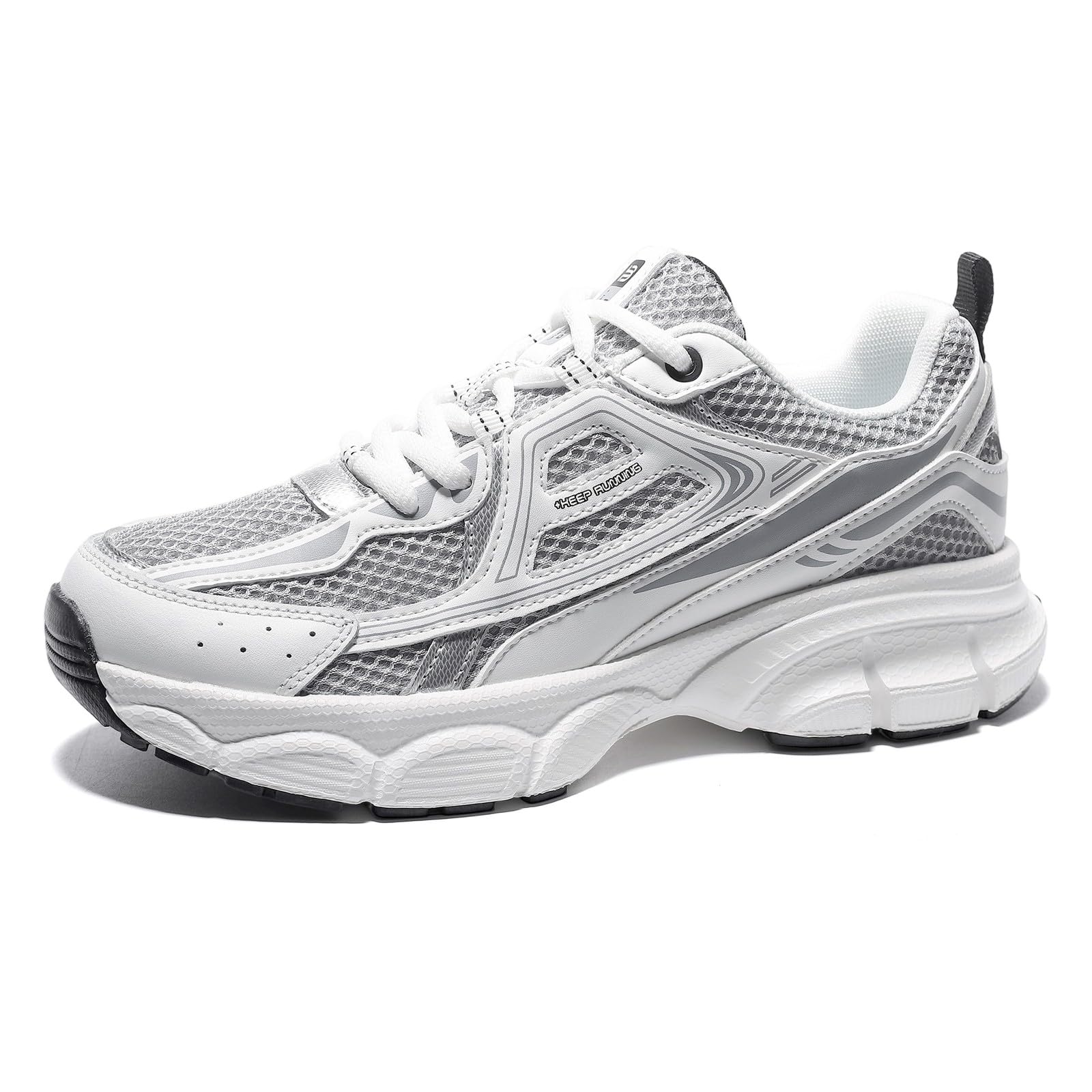
Chunky sneakers use a thick, sculpted sole and a bold upper for a streetwear look. They suit casual outfits and short walks, and they pair well with wide leg pants and relaxed jeans. Check weight first, because some chunky designs feel tiring after a long day.
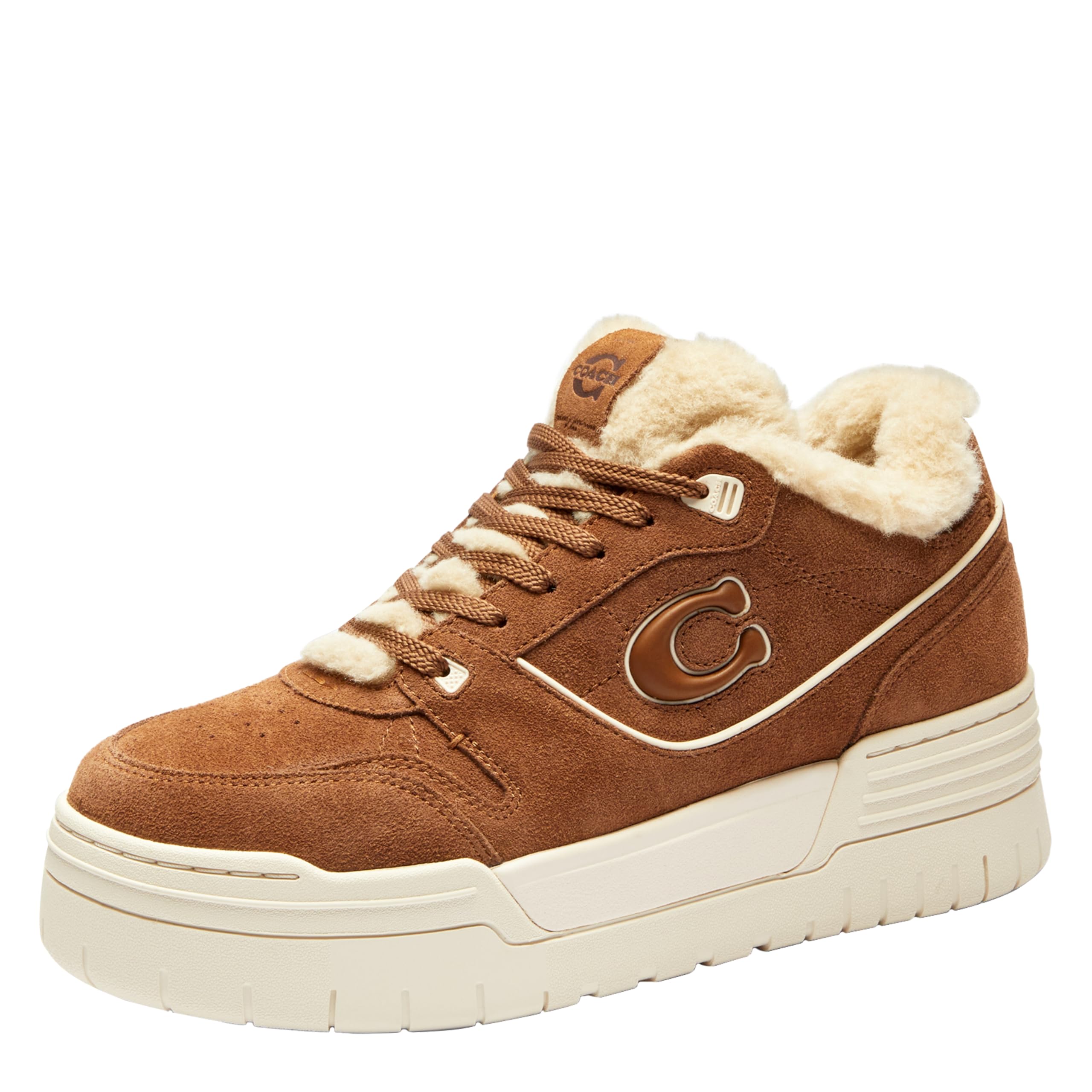
Platform shoes add height through a uniform thick sole. They suit wearers who want extra height without a heel, and they work with casual and smart casual outfits. A wider platform base helps stability, while a narrow platform can feel tippy on uneven ground.
Cushioned bulky walkers use thick foam for comfort on long days. They suit people who stand or walk for hours and want soft impact absorption. Look for a stable base and a heel that does not wobble, because soft foam alone can feel unsteady if the base is narrow.
Fit, Weight, and Balance
Fit a bulky shoe with the socks you will wear most, and leave room for toes to move. The upper should hold the midfoot without pinching, and the heel should stay put when you walk. A bulky shoe that slips at the heel will feel heavier and less secure than its actual weight suggests.
Weight matters more in a bulky shoe than in a slim shoe, because you lift a thicker sole with every step. Compare weights in your size, not just headline figures, and walk for several minutes before deciding. A shoe that feels fine for a minute can feel tiring after an hour.
Balance depends on sole width and stiffness. A wide, stable base helps on sidewalks, while a very soft, narrow base can roll outward. Test the shoe on a turn and on a slight slope if you can, and avoid a model that makes you feel you must watch every step.
Styling Bulky Shoes Without Discomfort
Pair bulky shoes with outfits that balance their volume. Wide or straight leg pants, relaxed jeans, and longer shorts suit chunky soles better than very slim pants that emphasize the shoe size. Color also matters: a neutral bulky shoe is easier to wear daily than a very bright pair.
For work or smart casual settings, choose a cleaner bulky design with fewer overlays and a muted color. It keeps the chunky look without looking like a sports shoe. Check dress codes first, because some workplaces prefer slimmer shoes even for casual days.
Comfort, Care, and When to Seek Advice
Break in bulky shoes gradually, starting with short walks at home. Thick soles can change your gait slightly, so give your feet and calves time to adapt. Soreness that fades with rest is common during adaptation, but sharp pain, swelling, or a feeling of instability deserves prompt clinician advice.
Care for bulky shoes by cleaning soles and uppers regularly and rotating pairs if you wear them daily. Thick foam compresses over time, so replace them when cushion feels uneven, the sole tilts, or grip wears smooth. A worn bulky shoe can change balance more than a worn slim shoe.
A Final Check Before You Order
Before you order, revisit the product table above with your most common day in mind, not an ideal day. Note the activities you actually do, the surfaces you actually walk on, and the hours you actually spend on your feet, then check which shoe type in the guide matches that pattern most closely. A shoe that fits a different routine, however attractive, will disappoint faster than a plainer shoe that matches your real life.
Check sizing guidance from the seller and compare it with shoes you already own and like. Sizes vary between brands and even between styles from the same brand, so a size that works in one shoe may feel different in another. If you are between sizes, consider width as well as length, and read the return policy so you can test the shoes indoors before committing to them for a full day.
Think about socks, insoles, and the rest of your outfit as part of the purchase. The socks you wear change fit, an insole changes volume, and trouser or uniform length changes how the shoe looks and feels. Testing the full combination at home, on a hard floor, gives a far better verdict than a quick try on in socks that you will never wear with the shoes.
Plan for the first two weeks of wear. Wear new shoes for short periods at first, check for pressure points after each wear, and note whether any soreness fades or grows. Soreness that grows, blisters that return in the same spot, or a heel that keeps slipping are signs that size or style is wrong, not signs that you need to endure more breaking in.
Budget for care and replacement from the start. Brush or wipe the shoes after use, let them dry fully between wears, and rotate pairs when you can. Check soles, heel counters, and stitching every few weeks, and replace the shoes when grip fades or support becomes uneven, rather than waiting until they fall apart.
Finally, keep notes on what worked. Record the size, width, and style that felt best, and what did not work about previous pairs. Those notes make the next purchase faster and more accurate, and they help you avoid repeating a fit mistake simply because a new model looked appealing in a photograph.
Bulky shoes change how your feet meet the ground, so test them on the surfaces you actually walk on. Pavement, store floors, and grass each change grip and balance, and a thick sole can feel stable on one surface and less secure on another. Walk up and down a slope, turn sharply, and step on and off a curb if you can, because those everyday movements reveal stability problems that a straight walk down a store aisle will hide.
Consider the rest of your wardrobe when you choose a bulky style, especially trouser length and hem width. A bulky shoe under a short hem draws the eye and can make legs look shorter, while a longer, wider hem balances the volume more naturally. Try the shoes with your most worn pants and jeans before deciding, and check how they look sitting down as well as standing, because bulky shoes are often most visible when seated.
If you wear bulky shoes for a full day, carry a note of how your feet feel at midday and again in the evening. That simple check reveals whether weight or balance, rather than style, is the real issue, and it helps you decide whether a lighter bulky model would suit you better.
Frequently Asked Questions
Are bulky shoes comfortable for all day wear?
Bulky shoes can be comfortable all day if they fit well, weigh reasonably, and have a stable base. A very heavy or narrow based model can tire feet and ankles over time. Test them for a longer walk, not just a quick try on, before committing to daily wear.
Do bulky shoes make walking harder?
A thick sole changes step feel and can reduce ground feedback, which some people notice on uneven ground. A wide, stable base and moderate weight help. If you feel unsteady, choose a lower, wider bulky style or a cushioned walker with a stable platform.
What outfits work best with bulky shoes?
Wide leg pants, straight jeans, relaxed shorts, and casual dresses balance bulky soles well. Very slim pants can make the shoes look larger by contrast. Neutral colors are easiest for daily wear, while bright colors suit statement outfits.
Are bulky shoes good for exercise?
Bulky fashion shoes are not ideal for running or gym training, because their thick, soft soles can feel unstable during fast movement. For exercise, choose a shoe built for that activity. Reserve bulky shoes for walking and casual wear where stability demands are lower.
How long do bulky shoes last?
Lifespan depends on foam quality, weight, and daily use. Thick foam compresses with miles, and a shoe that feels flat or tilts on a table needs replacing. Rotate pairs and avoid wearing the same bulky shoes for every long day to extend their life.
Final Thoughts
Choose a bulky shoe that balances bold style with stable, comfortable walking. The best bulky shoes should feel secure on a turn, light enough for a long day, and easy to pair with your everyday outfits.