
Best Buds Planters for 2026: Small Planters and Propagation Vases
Disclosure: We may earn a commission when you buy through links on this page, at no extra cost to you. As an Amazon Associate I earn from qualifying purchases. Learn more
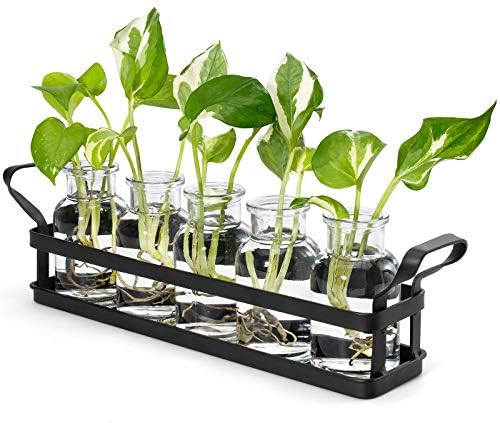
Propagation stations, bud vases or mini pots? Compare styles and care to find the best buds planters for your plants and your space.
Bud planters are small, decorative containers sized for a single stem, a cutting or a tiny plant. They sit on windowsills, desks and shelves, and many double as propagation vessels for rooting cuttings in water. The best buds planters for your home depend on what you want to grow, where the planter will sit and whether it needs drainage, so this guide compares the main styles before you buy.
Use the product table as a shortlist of small planters and propagation vases, then read the sections below to match the style to your plants and your space.






What Counts as a Bud Planter
A bud planter is a small vessel, usually between two and six inches tall, that holds one stem or a handful of tiny plants. Bud vases are the classic example: narrow glass or ceramic containers made for a single flower. Many small planters borrow that shape, and propagation stations take it further with several narrow tubes or jars in a frame, so you can watch roots develop.
These pieces are not meant for large houseplants. They suit pothos, philodendron, tradescantia and other plants that root easily in water, plus small succulents, air plants and cut stems. Because the volume is small, they dry out or run low on water quickly, which is worth remembering when you pick a style.
Types of Bud Planters Compared
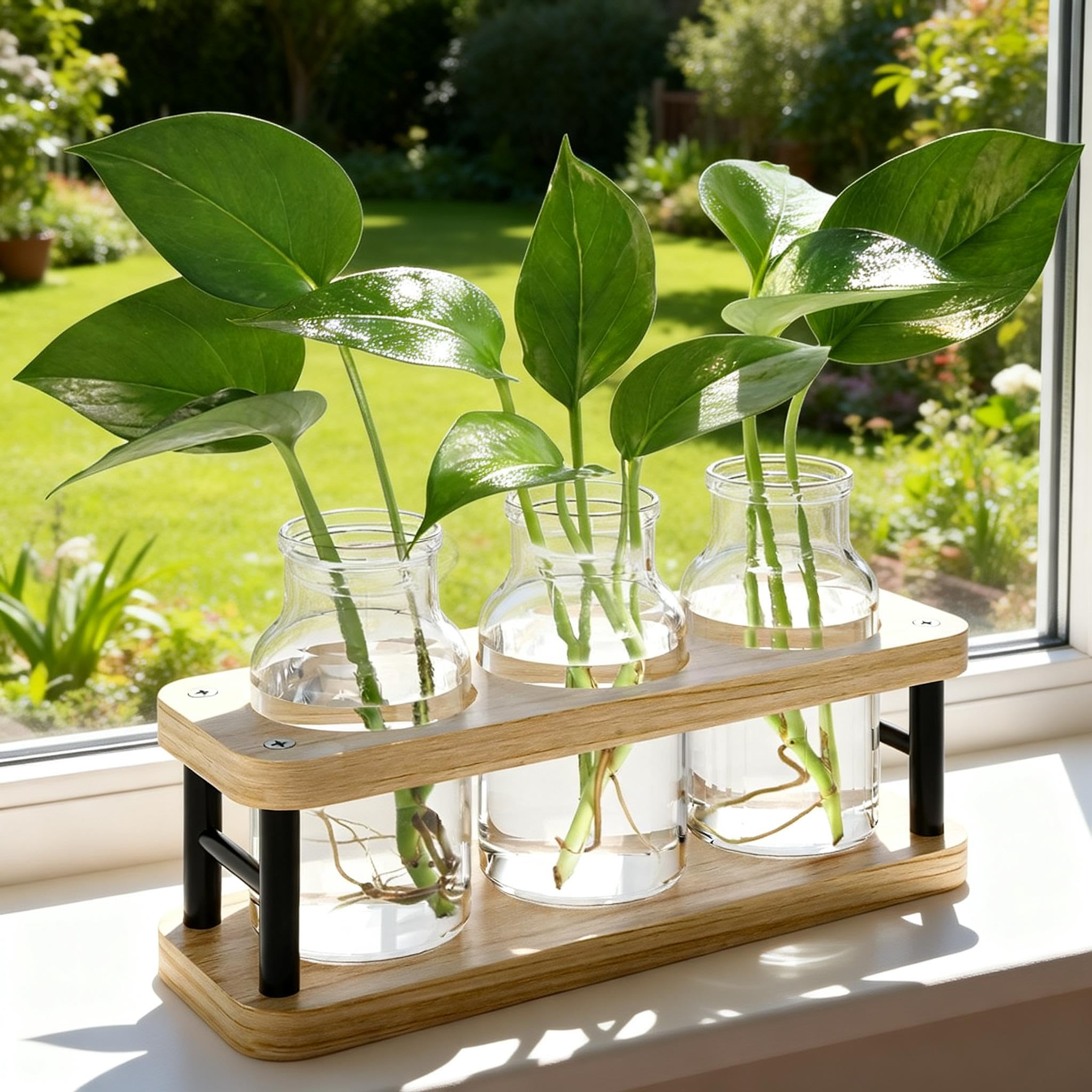
Glass Propagation Stations
These combine several glass tubes or jars with a wooden stand or wall mount. They are the best choice for rooting cuttings because the clear glass lets you see roots and judge water levels. Look for a stable base, tubes with openings wide enough for stems and a finish that is easy to wipe clean. Glass can chip or crack, so keep it away from the edge of a shelf.
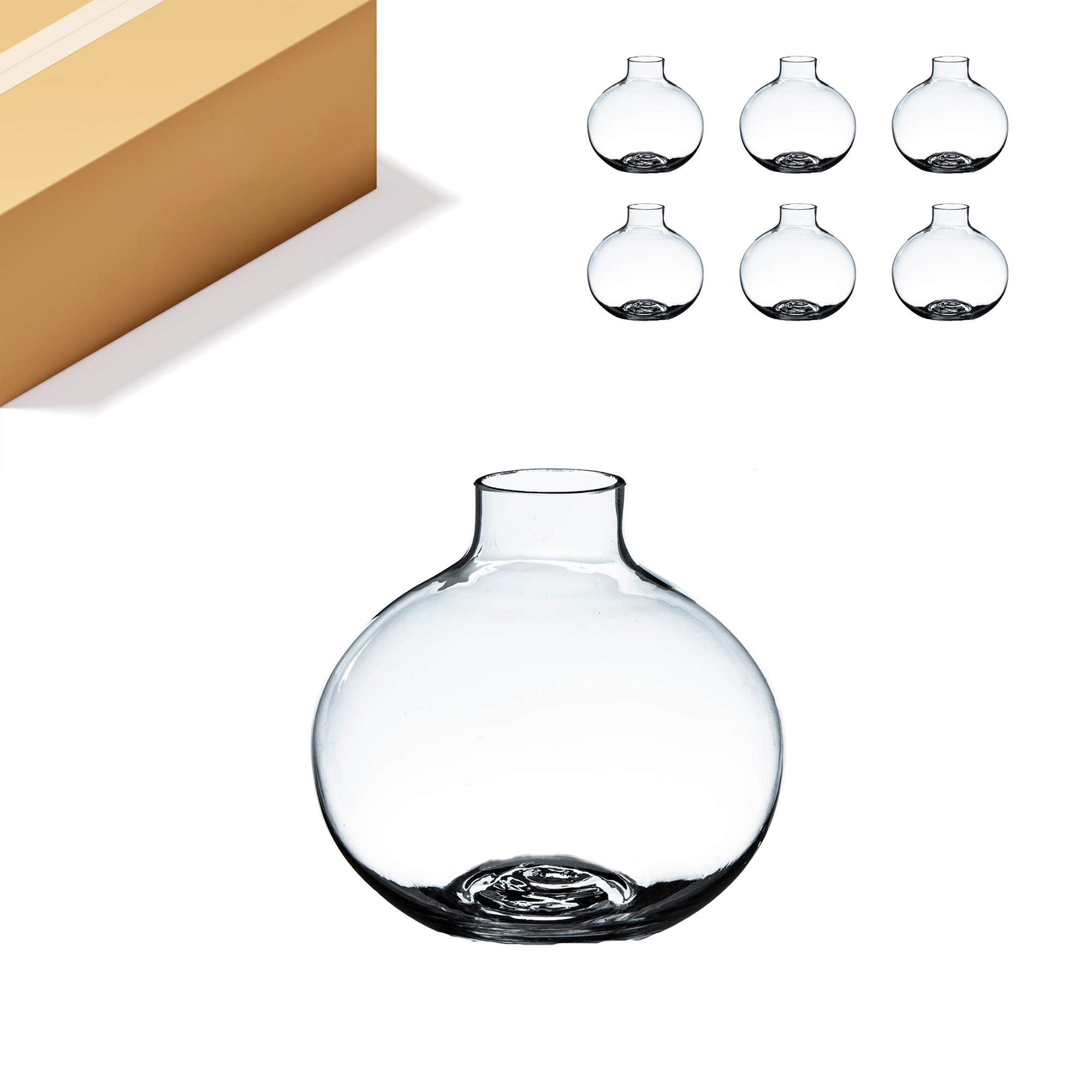
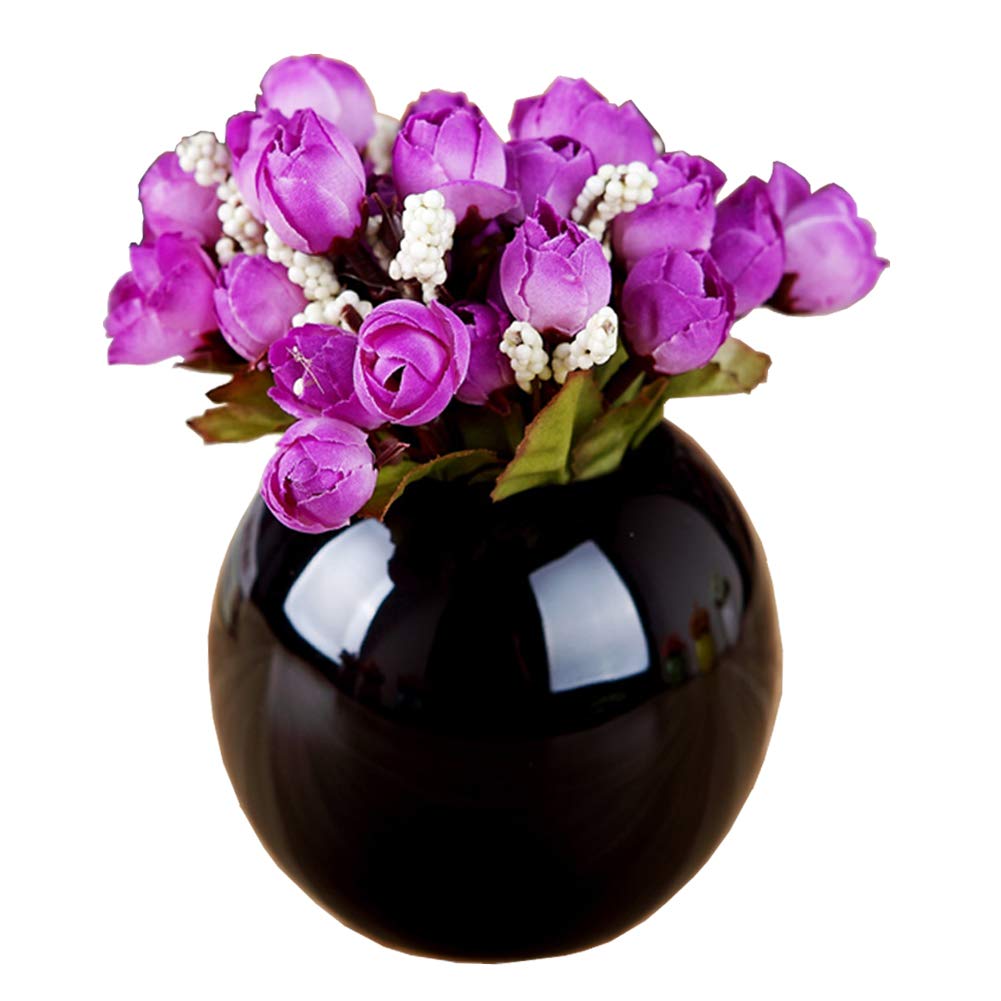
Single Bud Vases
A small round or square glass vase suits one stem, a few sprigs or a single cutting. They are inexpensive, easy to replace and good for gifts. The narrow opening supports thin stems, but it makes cleaning harder, so choose a style you can reach into with a small brush.
Ceramic Mini Planters
Ceramic mini pots, including novelty shapes, hold a small succulent or cactus in potting mix. A drainage hole is ideal because small plants are easy to overwater. If a pot has no hole, add a thin layer of pebbles, use very little water and consider keeping the plant in its nursery pot inside the decorative container.
Terrarium Style Planters
Glass terrarium planters with geometric frames hold small succulents or air plants and add a decorative touch. Open designs are better than fully closed ones for most succulents, because trapped humidity can cause rot.
How to Choose the Best Bud Planters
Match the Planter to Your Plants
Water rooting plants need clear containers and regular water changes. Succulents and cacti need drainage and a gritty mix. Cut flowers need a vase that supports the stem without crowding. Decide which of these jobs you want first, because one small planter rarely does all three well.
Size and Opening
Check the opening width against the thickness of the stems you plan to use. Very narrow necks hold single stems well but make it hard to remove roots later. Wider openings are easier to clean and refill. Height matters too: tall slim vessels need a weighted base so they do not tip.
Material and Stability
Glass shows roots and looks clean but breaks. Ceramic is heavier and more stable. Plastic is light and cheap but can look flimsy and may fade. Wooden stands add charm, though they should be kept dry to avoid mold. A wide, flat base is the simplest sign of a stable design.
Drainage and Water Care
Planters with potting mix need a way for extra water to escape. Water only propagation vessels need a water change every week or two to prevent cloudy water and algae. Rinse glass with warm water and a soft brush when green film appears.
Placement and Light
Bright, indirect light suits most small plants and cuttings. Direct midday sun can overheat small volumes of water and scorch leaves through glass. Keep planters away from heaters and cold drafts.
For a wider look at decorative options, our guide to the best looking planters covers finishes and shapes for larger spaces.
Plants That Work Well in Bud Planters
- Pothos and philodendron: root quickly in water and tolerate low light.
- Tradescantia: fast growing cuttings that root within days.
- Small succulents: suit ceramic mini pots with drainage.
- Air plants: need no soil and fit open terrarium style holders.
- Fresh cut stems: a single rose, a few sprigs of herbs or a small bunch of wildflowers.
Succulent growers can find more detail in our guide to the best planters for succulents, and orchid owners should read the best planters for orchids guide, since both groups have strict drainage needs.
Common Mistakes to Avoid
- Putting a soil plant into a vessel with no drainage and then overwatering it.
- Leaving cuttings in stagnant water for weeks, which invites rot and algae.
- Choosing a tall narrow vase with a light base that tips over.
- Placing glass propagation stations in hot direct sun.
- Crowding too many cuttings into one tube, which restricts roots and airflow.
Styling and Gift Ideas
Groups of three small planters at different heights look better than one large piece on a shelf. Match the material across the group, such as all clear glass or all matte ceramic, and vary the plants for texture. A wall mounted propagation station works well in a kitchen window, where you can watch roots grow while you cook. Bud planters also make easy gifts: a small ceramic pot with a rooted cutting costs little, travels well and can be repotted later when the plant outgrows it.
Care Tips
Change the water in propagation vessels every one to two weeks, and top up in between so the lower stem stays covered. Trim any leaves that sit below the waterline, since they rot. Once roots are a few inches long, move the cutting to soil or keep it in water with a diluted liquid fertilizer. For ceramic pots, water lightly and let the mix dry slightly between waterings. Wipe wooden stands dry and keep them off damp surfaces.
FAQs
What are bud planters used for?
They hold single stems, cuttings, tiny succulents and air plants, and many serve as small decorative accents on desks and windowsills.
Can plants live in a bud planter long term?
Some can. Pothos and philodendron can stay in water for a long time with regular water changes and occasional fertilizer, while succulents need a pot with a gritty mix and eventually a larger container.
How often should I change the water?
Every one to two weeks is a good rule. Change it sooner if it turns cloudy or smells off.
Do bud planters need drainage holes?
Planters filled with potting mix should have drainage or very careful watering. Water only vessels do not need holes.
How do I stop algae in glass planters?
Keep them out of direct sun, change the water regularly and rinse the glass with a soft brush when green film appears.
Final Thoughts
Decide what job the planter has to do, choose a stable material and an opening that suits your stems, and keep a simple water routine. Compare the shapes and sizes in the product table, and the best buds planters for your shelf or windowsill will be the ones you enjoy looking at and can keep clean. Small containers reward small habits, such as changing water on a set day each week.


